If you’ve ever spent hours searching for the perfect speech therapy worksheet—only to find one that’s too advanced, too simple, or just doesn’t fit your goals—you’re not alone. Whether you’re a school-based SLP, a classroom teacher, or a parent supporting carryover at home, printable speech therapy worksheets can make sessions easier and more effective.
The right worksheet can turn a five-minute drill into a fun game, help a student visualize their progress, or give you an easy way to track data. Best of all, printable materials can be used again and again—making them one of the most flexible tools in your therapy toolkit.
In this post, we’ll look at the best printable speech therapy worksheets for the classroom. You’ll find ideas for articulation, language, social communication, and phonological awareness. You’ll also discover where to find free, no-prep materials that keep therapy engaging and meaningful—especially on busy days.
Why Use Printable Speech Therapy Worksheets?
Printable materials are more than just paper handouts—they’re structured, visual, and motivating. When chosen carefully, they give students a clear sense of what to do and how to succeed.
Here’s why printable worksheets are so valuable in the classroom:
-
Consistency: Students thrive on routine. Worksheets provide a familiar format that supports learning.
-
Data Collection: They make it easy to record accuracy, responses, and progress over time.
-
Flexibility: You can use them for individual, small group, or push-in sessions.
-
Reinforcement: Worksheets help reinforce what’s being taught in therapy through repetition and visual cues.
-
Accessibility: With printable formats, you can laminate, reuse, or send copies home for extra practice.
Many SLPs find that combining worksheets with games or manipulatives helps balance structure and fun. For example, you might use an articulation worksheet alongside mini erasers or stickers for a quick motivational boost.
Articulation Worksheets That Work
1. Sound-Specific Practice Sheets
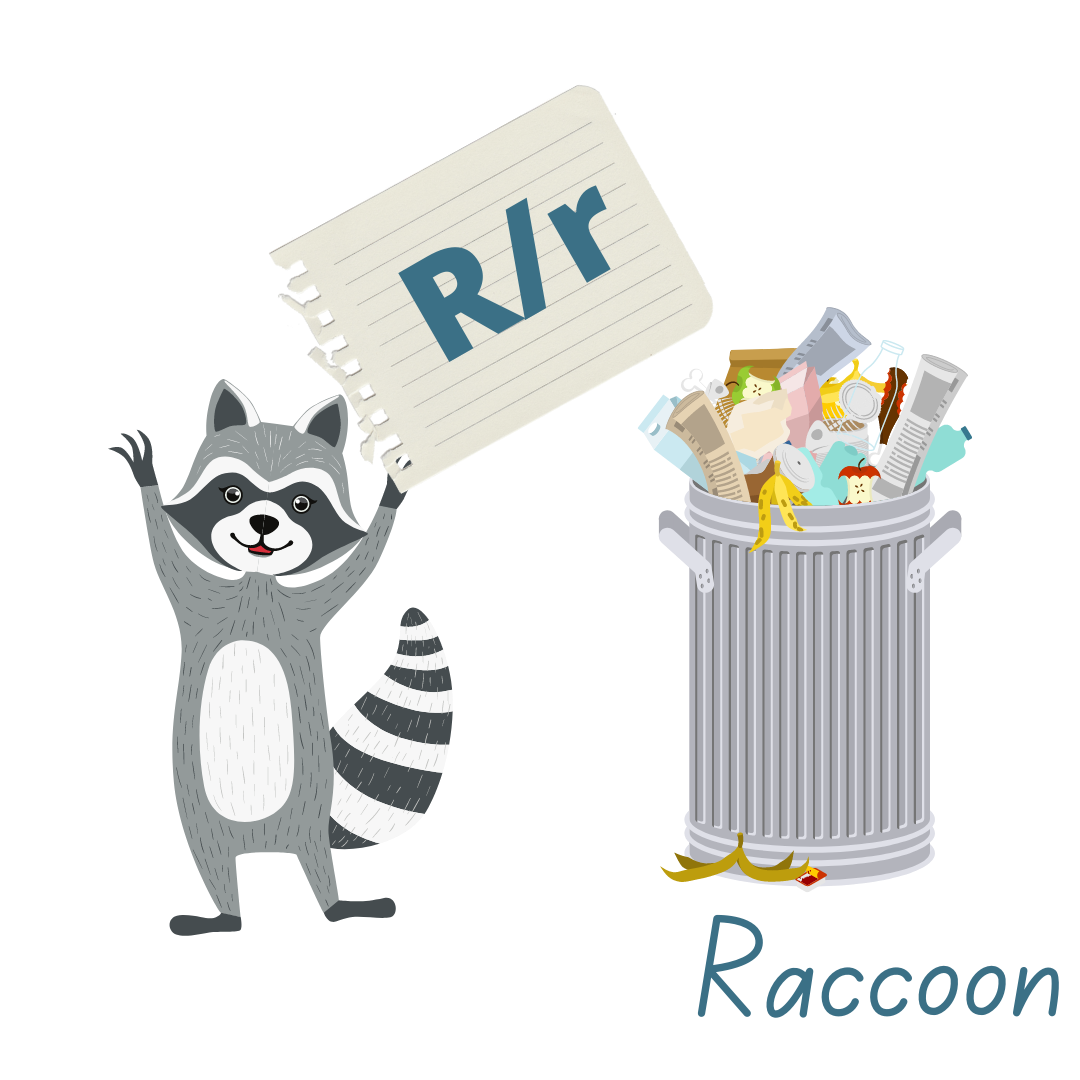
Every SLP has a few go-to worksheets for targeting specific sounds. Whether it’s /r/, /s/, /k/, or /l/, these sheets usually include pictures, word lists, and sentence practice.
To make articulation worksheets more engaging:
-
Let students color a picture each time they say the word correctly.
-
Use dice or spinners to randomize which word they practice next.
-
Pair worksheets with mirror work or tactile cues for extra feedback.
FreeSLP.com offers sound-by-sound articulation packs with printable pages for every position (initial, medial, final). Each worksheet is organized for quick drill, making it easy to track 10, 20, or 50 trials in one session.
2. Minimal Pairs Worksheets
When working on phonological processes like fronting or stopping, minimal pairs worksheets are essential. They help students hear and produce the difference between two sounds.
For example, a worksheet might pair tea/key or sun/fun. Students can color, cut, or circle the correct word after hearing it, helping them link listening and speaking skills.
These are perfect for short, focused sessions where you want clear data and quick progress.
Language Worksheets for the Classroom
1. Vocabulary and Categorization
Language development starts with words—and printable vocabulary worksheets are a simple way to build understanding and connections.
Try worksheets that involve:
-
Sorting pictures into categories (food, animals, transportation)
-
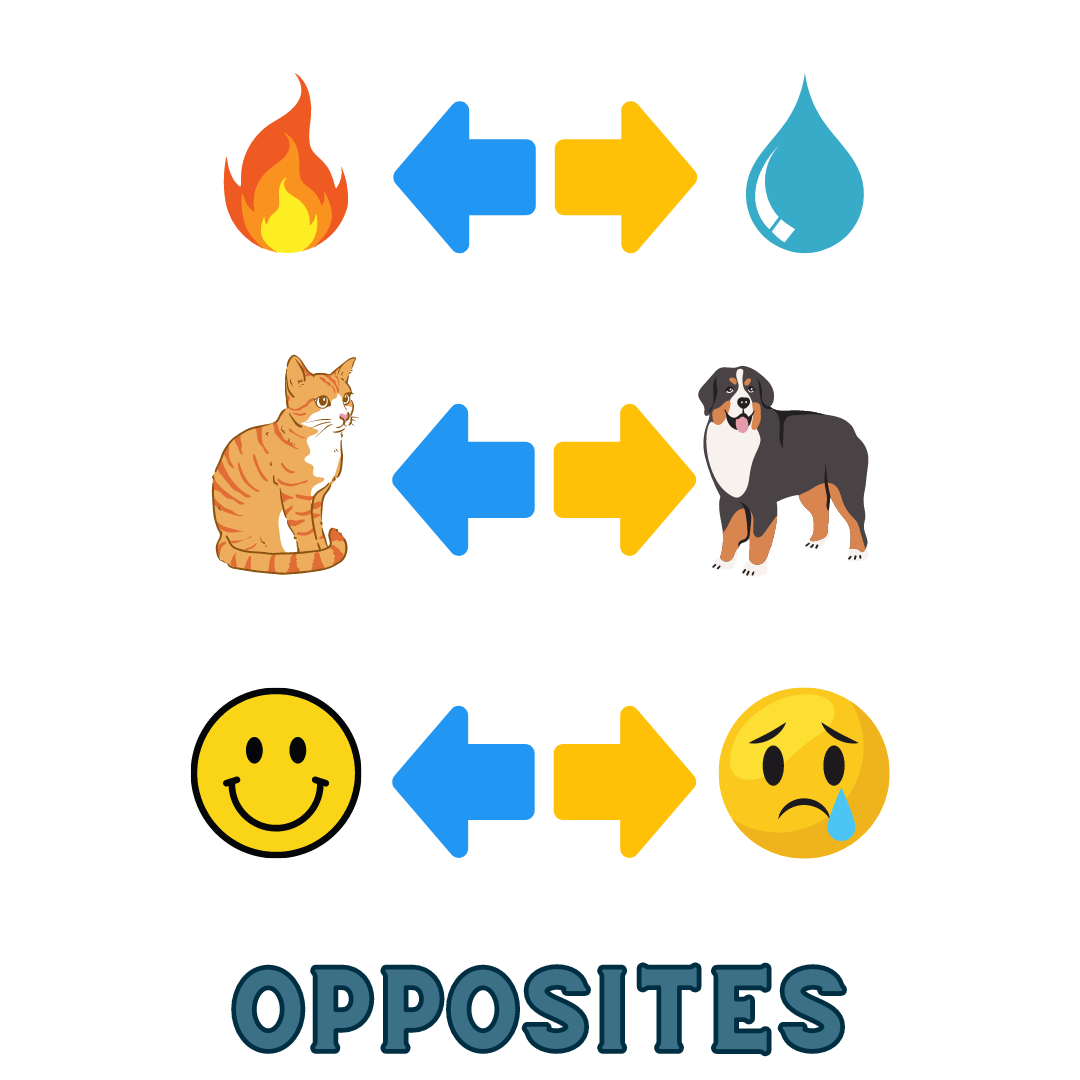
Matching synonyms and antonyms
-
Naming items within a group (“Name three things you wear”)
These can be used for early language learners, ELL students, or children with language delays.
2. Sentence Expansion
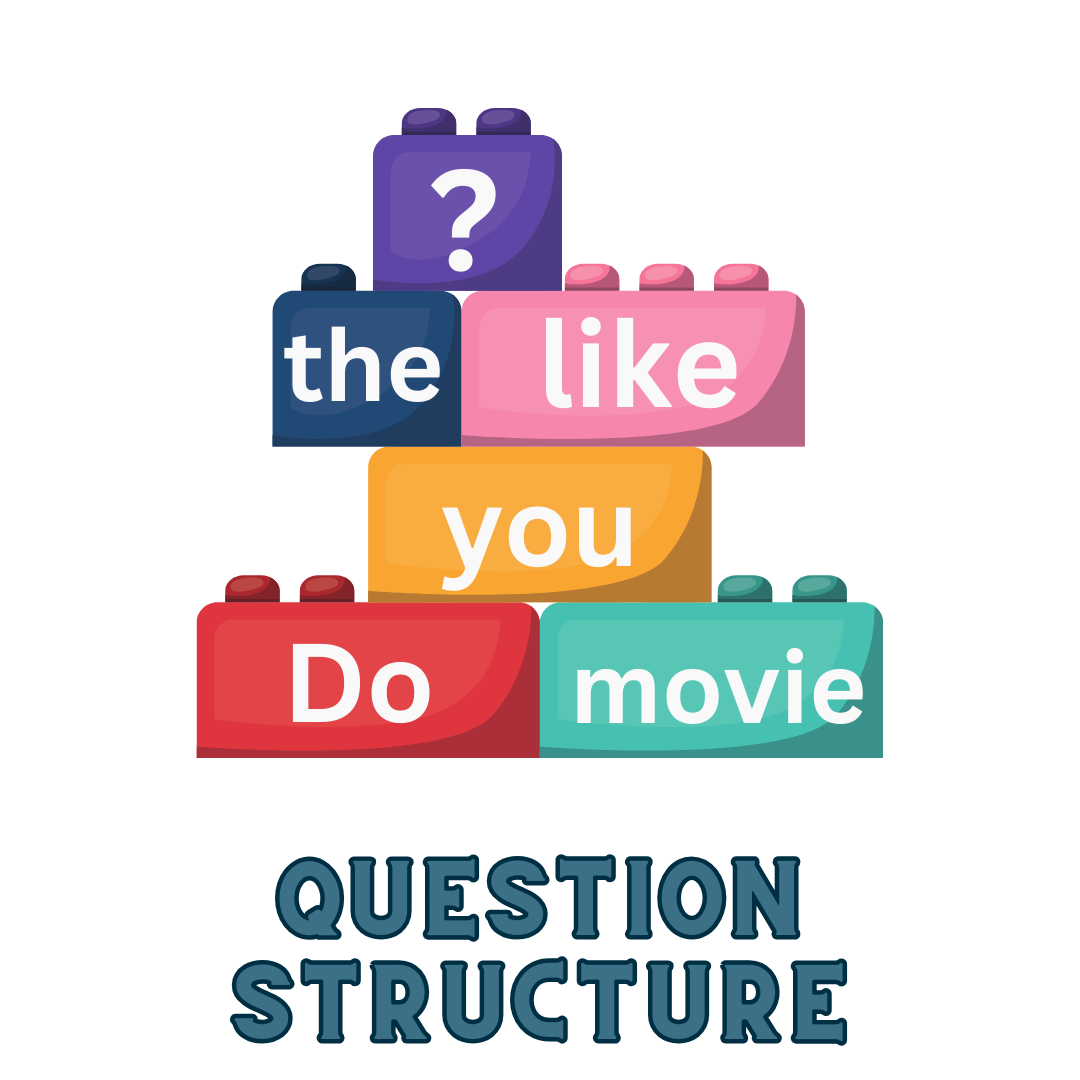
Sentence-level worksheets help students move from one-word answers to full sentences. You might start with a picture and a simple prompt such as “The dog…” and encourage the student to complete it with details.
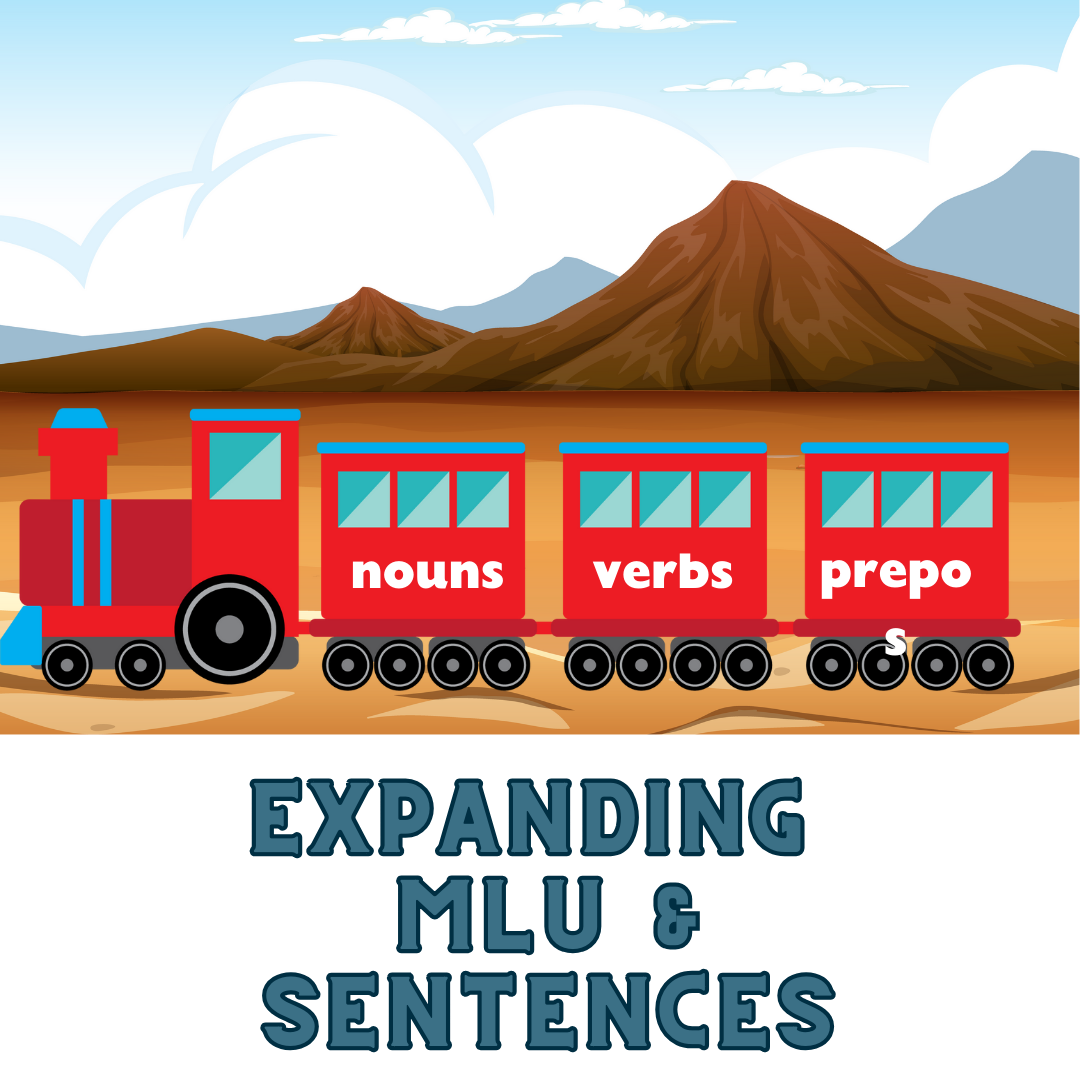
Worksheets with visual sentence frames (who, what, where) give structure while allowing creativity. Over time, students learn to add adjectives, verbs, and prepositional phrases.
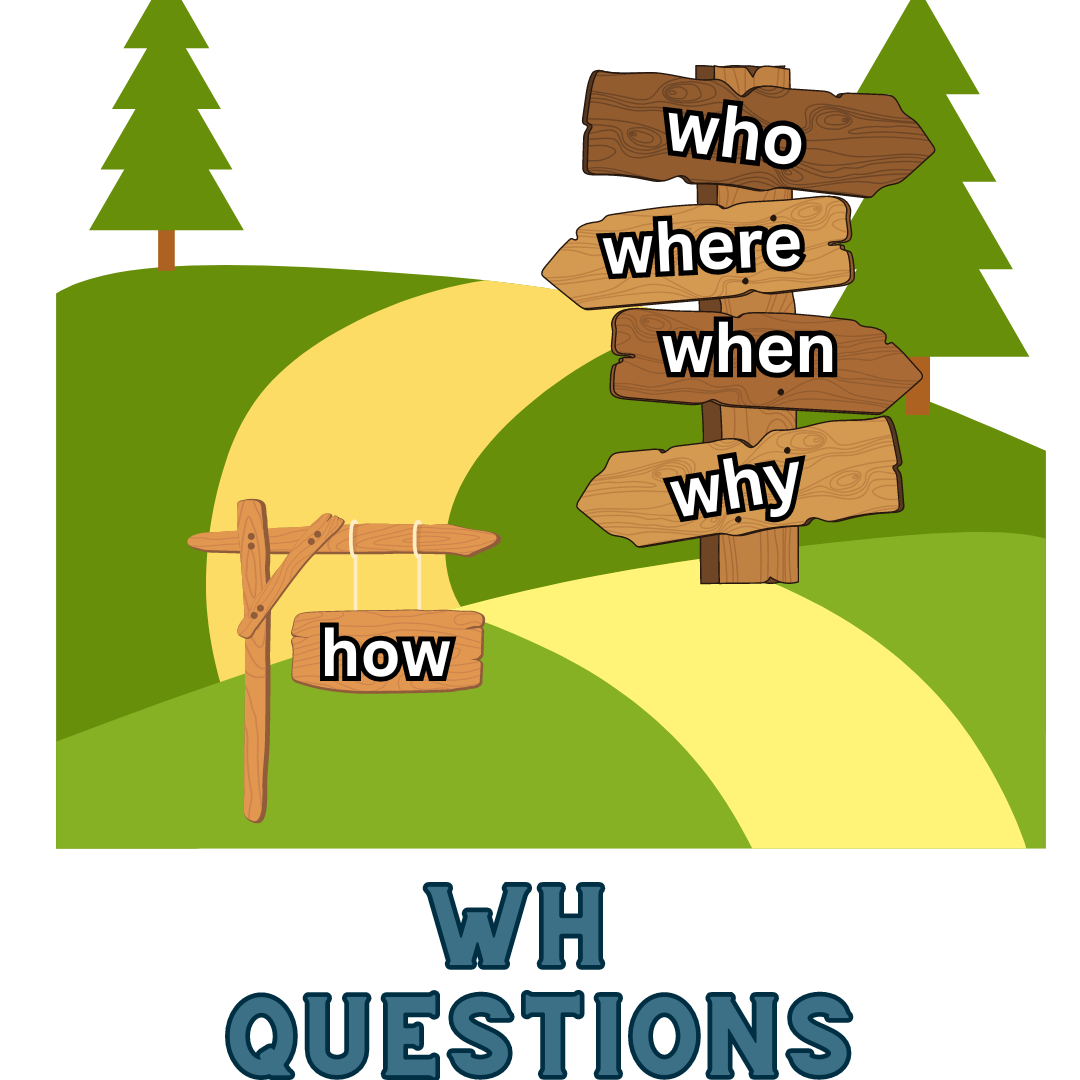
3. WH-Question Practice
Printable WH-question worksheets help children understand and respond to “who,” “what,” “where,” “when,” and “why.”
To make them interactive:
-
Let students act out or draw their answers.
-
Turn it into a guessing game using picture prompts.
-
Pair with story cards for context-based practice.
FreeSLP.com includes question-based worksheets with vivid pictures that prompt multiple language opportunities per page.
Phonological Awareness Worksheets
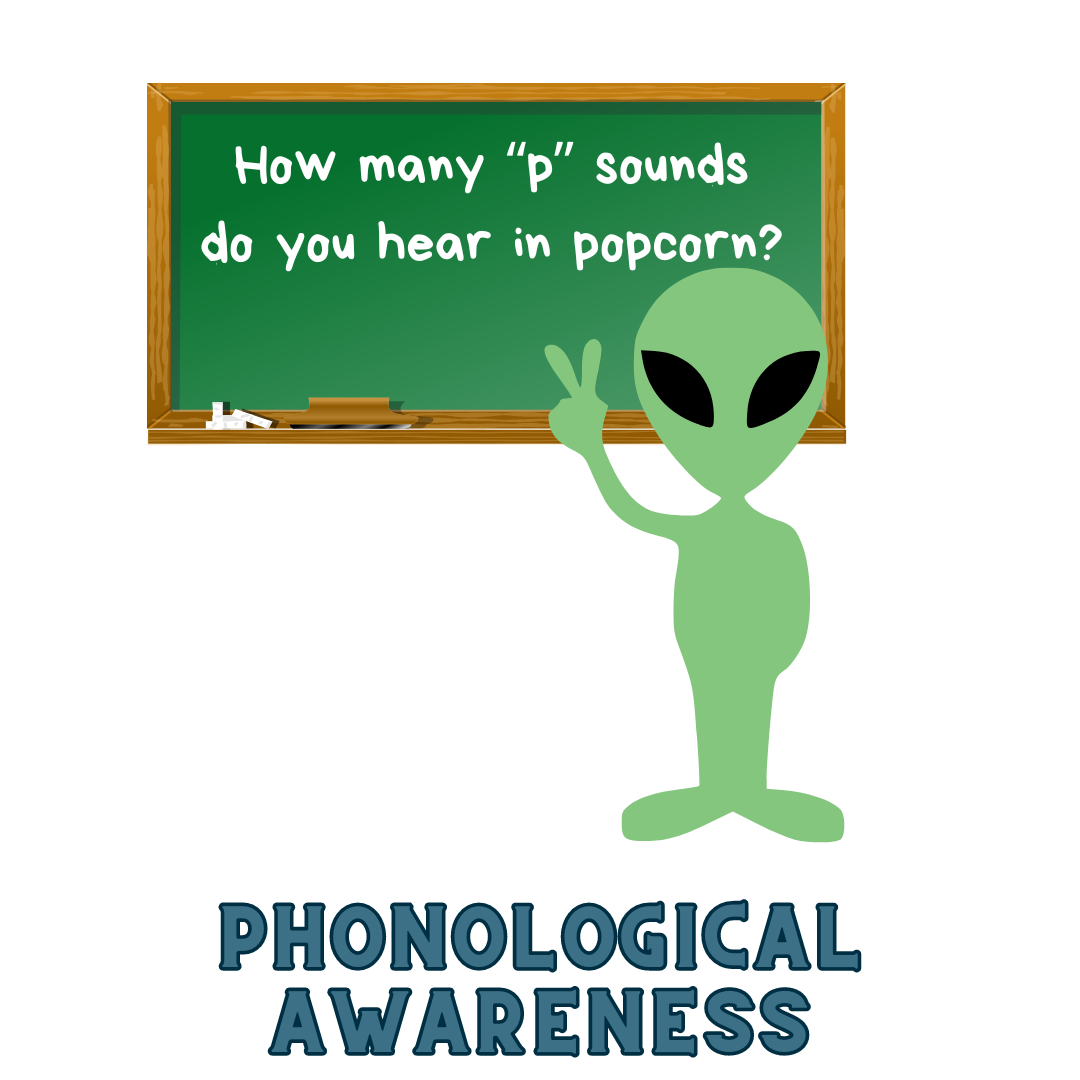
Phonological awareness is a foundation for reading and spelling. Printable worksheets targeting rhyming, syllables, and sound segmentation can make abstract skills more concrete.
1. Rhyming Worksheets
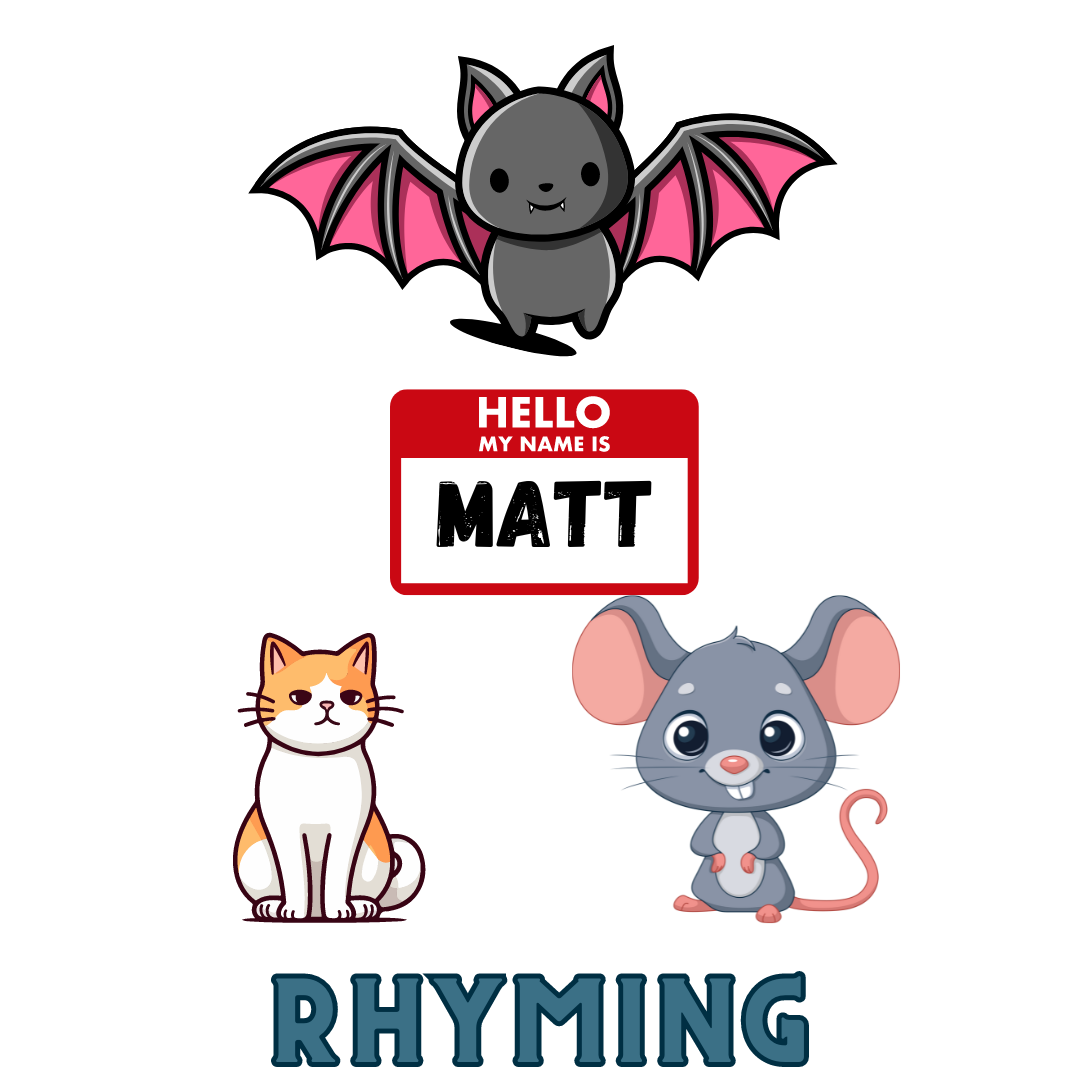
Start with simple rhyming pairs like cat/hat or dog/frog. Worksheets might include coloring or matching activities. For advanced learners, try rhyme production sheets where students generate their own examples.
2. Syllable Counting
Use cut-and-paste or clapping worksheets to help children break words into syllables. Worksheets that pair visuals with numbers (e.g., one clap = 1, two claps = 2) make the concept easier to grasp.
3. Sound Identification
Worksheets that focus on beginning, middle, or ending sounds are perfect for kindergarten and first-grade students. You can add a phoneme awareness twist by having them mark which picture starts with the same sound.
Social Communication Worksheets
Not all printable worksheets are about articulation or grammar—many SLPs use visuals to support social communication skills.
1. Emotion Identification
Emotion-themed worksheets help children label and understand feelings. You can use photo-based pages or cartoon faces to discuss facial expressions, tone, and context clues.
Try adding “how would you feel if…” prompts to encourage deeper discussion.
2. Perspective Taking and Problem Solving
Printable scenarios that show a situation (for example, “two friends want the same toy”) help children practice empathy and language for social situations.
Encourage students to identify:
-
What each person might be thinking
-
How to solve the problem politely
-
What they could say or do next
These are ideal for small group work, especially when paired with role-play or puppets.
Grammar and Syntax Worksheets
1. Past Tense Verbs
Printable grammar worksheets make it easy to practice verb tenses. A worksheet might show a picture of a boy running and ask the student to circle or write the correct verb form (ran).
You can also use sorting worksheets for regular and irregular verbs, helping students see patterns and exceptions.
2. Pronouns and Plurals
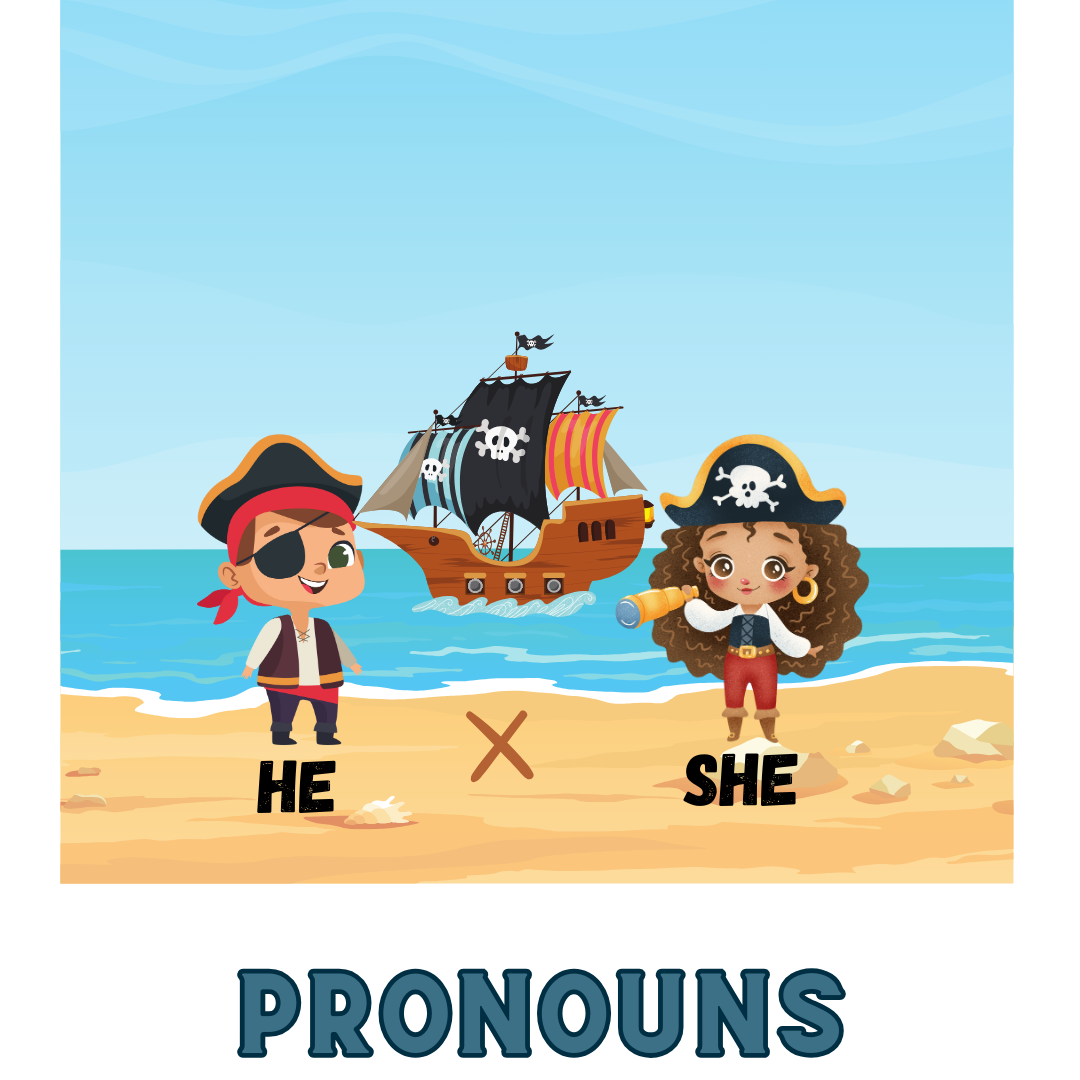
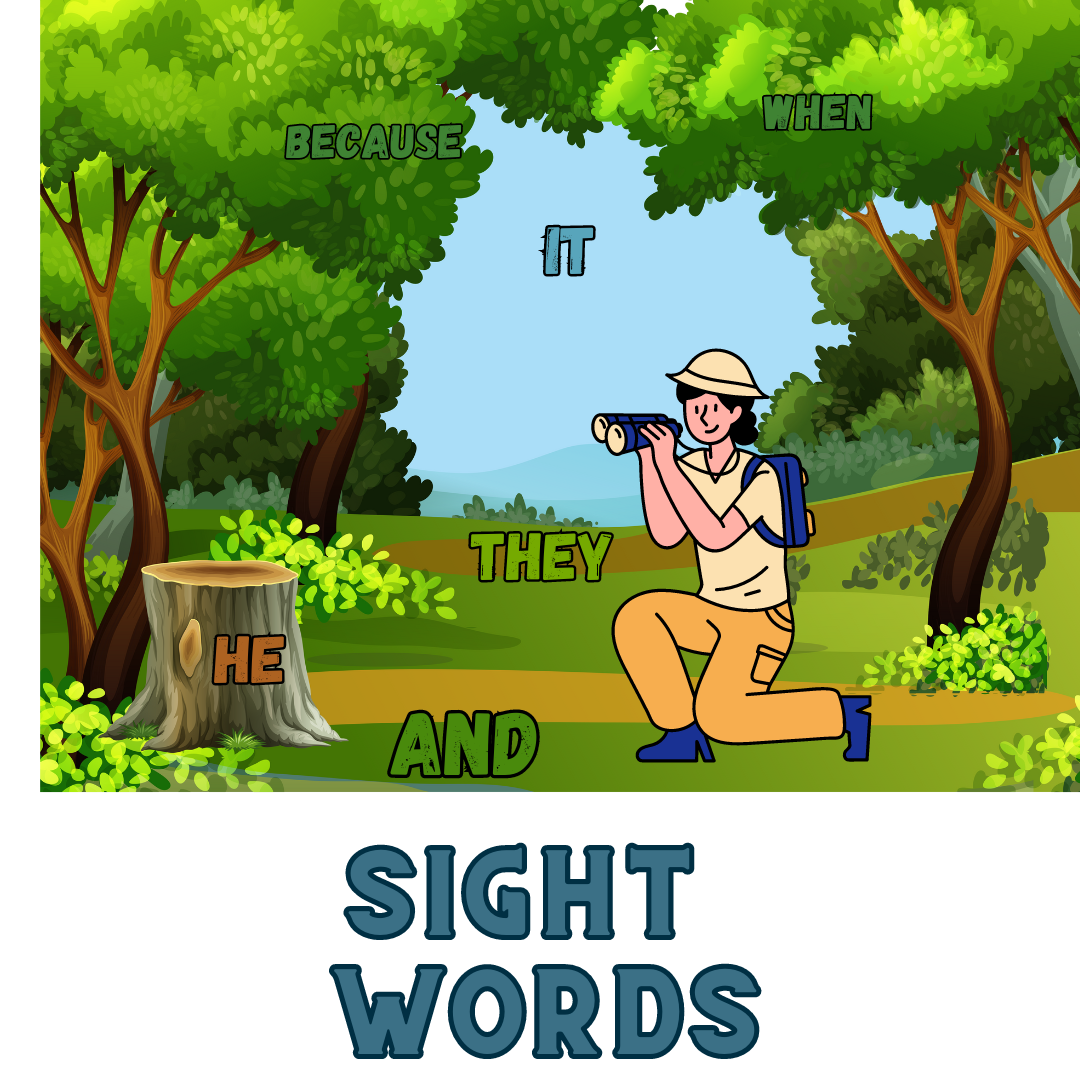
Worksheets that focus on pronouns (he, she, they) or plurals help with both grammar and comprehension.
Try having students draw arrows from nouns to pronouns or add missing endings. When you send these home, parents can reinforce practice in a fun, visual way.
3. Adjectives and Describing
Descriptive language worksheets are great for expanding vocabulary. Use them to teach size, color, texture, and emotion words. For example, “circle all the words that describe this picture.”
These support both expressive and receptive language goals—and make for easy classroom carryover.
Story Retell and Sequencing Worksheets
Printable story sequencing worksheets are among the most versatile tools for speech therapy.
-
Early learners can order three-part picture stories.
-
Older students can sequence sentences or retell longer stories using visual cues.
-
Comprehension add-ons like “who,” “what,” and “why” questions encourage deeper thinking.
At FreeSLP.com, you’ll find printable sequencing and narrative worksheets that align with grade-level reading skills and support expressive language growth.
How to Organize Your Printable Materials
With so many worksheets available, organization is key. Try these SLP-tested tips:
-
Create binders by goal area (Articulation, Language, Social Skills).
-
Use sheet protectors to make worksheets reusable with dry-erase markers.
-
Label by sound or skill so you can grab the right set quickly during sessions.
-
Keep digital backups on your computer or Google Drive for easy reprinting.
Many SLPs love using color-coded folders or small filing bins to sort by grade or sound group. A little organization up front saves hours later—especially when you’re traveling between classrooms.
Where to Find the Best Free Printable Worksheets
You can find quality materials in several places, but FreeSLP.com is designed specifically for busy SLPs who need no-prep, printable speech therapy resources.
Here’s what makes FreeSLP.com unique:
-
Every worksheet is created by experienced speech-language pathologists.
-
Materials are categorized by sound, skill, and age group.
-
You can print directly or use them digitally for teletherapy.
-
Everything is free—no logins, hidden ads, or download limits.
You’ll find printable packets for articulation, WH-questions, grammar, sequencing, and more—ready to use in minutes.
Conclusion
Printable speech therapy worksheets are an SLP’s best friend. They save time, build consistency, and give students a clear path toward progress. Whether you’re targeting articulation, language, or social communication, the right worksheet can make all the difference.
When you’re ready to refresh your materials, explore FreeSLP.com for hundreds of free, no-prep printable worksheets that help you spend less time planning and more time connecting with your students.
FAQ Section
1. What makes a good speech therapy worksheet?
A good worksheet targets a specific goal, is easy to understand, and encourages active participation. It should include visuals, repetition, and opportunities for practice or feedback.
2. Are printable worksheets enough for progress?
Worksheets are one tool among many. When combined with modeling, play, and real-life practice, they can support significant progress in speech and language.
3. How can I make worksheets more engaging?
Add coloring, stickers, or dice games. Use highlighters or tokens to track correct answers. Making worksheets interactive keeps students motivated.
4. Can printable worksheets be used in teletherapy?
Yes! Many printable worksheets can be shared on screen or filled out digitally. FreeSLP.com offers resources that work well in both in-person and virtual sessions.
5. What ages benefit most from worksheets?
Printable worksheets are adaptable for preschool through elementary students. With the right visuals, they can even be modified for middle-school learners.
6. How do I send worksheets home for practice?
Send printed copies or digital PDFs with simple parent instructions. Encourage families to spend five minutes a day reviewing words, sentences, or stories together.
7. Where can I find free speech therapy worksheets?
Visit FreeSLP.com for a wide range of printable articulation, language, and phonological awareness worksheets—all designed by SLPs and available for free download.