If you’ve ever worked with a student who tells a story out of order—“Then he ate the cake, and before that he made it!”—you know how important sequencing skills are for communication and learning.
Sequencing is the ability to understand and express the order of events. In speech therapy, it’s a core part of building narrative skills, comprehension, and grammar. The good news? With the right activities, sequencing practice can be engaging, hands-on, and completely adaptable for any age or goal area.
What Is Sequencing in Speech Therapy?
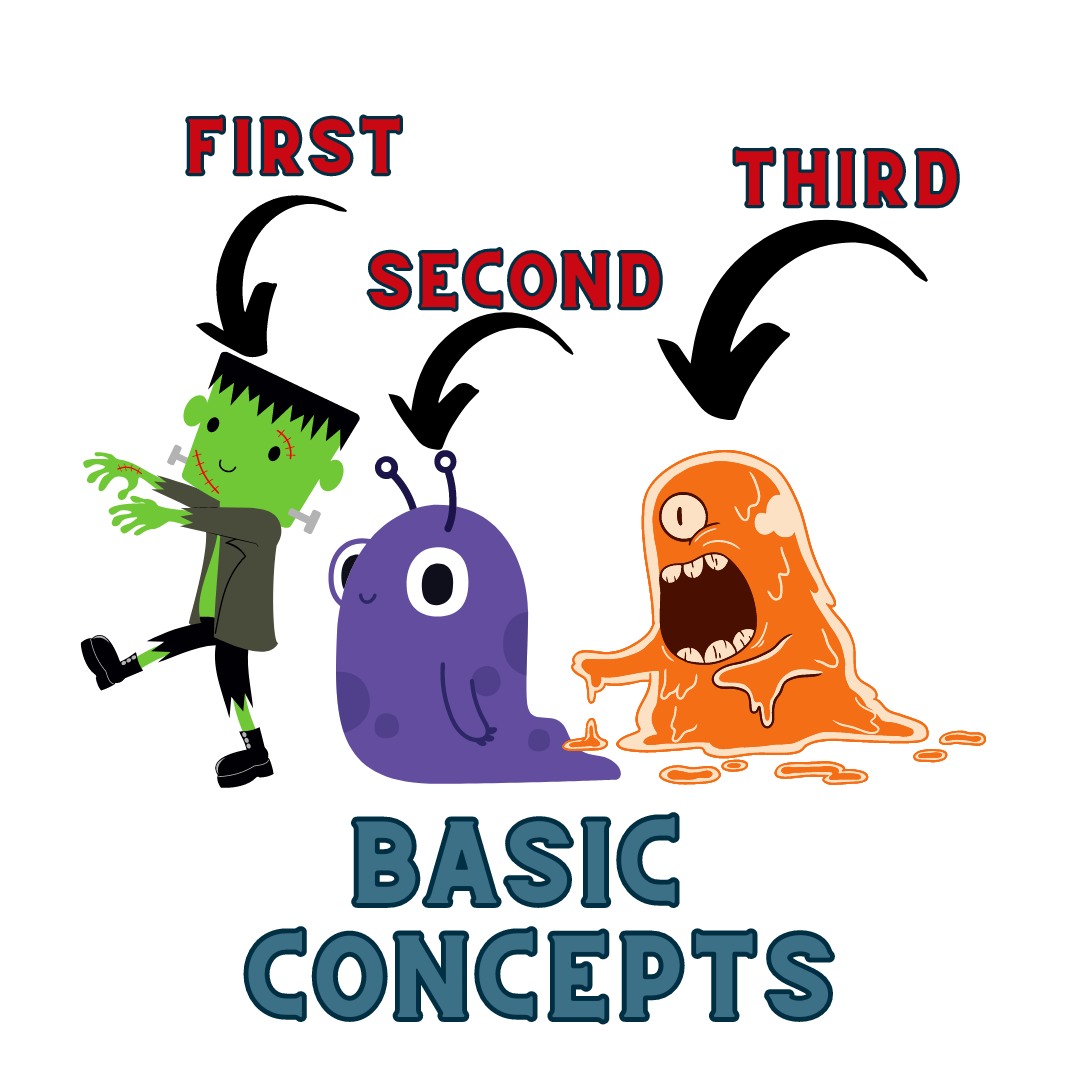
Sequencing is the ability to arrange actions or events in the correct order and explain what happens first, next, then, and last.
This skill helps children:
Tell stories that make sense.
Follow multi-step directions.
Understand cause and effect.
Build reading comprehension and writing skills.
Use transition words naturally in conversation.
When children struggle with sequencing, their stories may sound jumbled, missing key details or logical flow. Targeting this skill helps them express themselves clearly and confidently.
Why Sequencing Skills Matter
Strong sequencing skills go beyond speech therapy—they’re essential for academic and social success.
Children who can describe steps in order are better able to:
Retell classroom stories and lessons.
Explain science experiments or math problems.
Follow directions for classroom routines.
Communicate experiences to friends and family.
Sequencing also supports executive function, helping children plan, organize, and think ahead.
How to Teach Sequencing in Speech Therapy
Teaching sequencing works best when it’s visual, structured, and connected to meaningful activities. Here’s how SLPs and educators can guide children step by step.
1. Start with Everyday Routines
Use familiar, real-world tasks that children already know.
Examples:
Brushing teeth
Making a sandwich
Getting dressed
Going to school
Have the child describe what happens first, next, then, and last using pictures or actual props.
SLP tip: Keep it simple—start with two-step sequences and gradually increase to three or four steps.
2. Use Picture Sequencing Cards
Picture cards are a classic, effective tool for teaching sequencing. Choose cards that show simple stories like:
“Planting a seed”
“Baking cookies”
“Washing a dog”
Let the child arrange the pictures in order and describe what’s happening in each step. Encourage complete sentences using transitional words:
“First, he put the seed in the dirt. Next, he watered it. Then it grew into a flower.”
You can find free printable sequencing cards for dozens of activities at FreeSLP.com.
3. Add Transitional Words
Explicitly teach time-order words that show sequence.
Common examples:
First
Next
Then
After that
Finally
Write these on sentence strips or sticky notes as visual reminders. Practice inserting them into retells or everyday conversations.
4. Use Storybooks for Sequencing Practice
Books naturally teach order and structure. Choose simple stories with clear beginnings, middles, and ends.
Great examples include:
The Very Hungry Caterpillar (Eric Carle)
If You Give a Mouse a Cookie (Laura Numeroff)
Brown Bear, Brown Bear, What Do You See? (Bill Martin Jr.)
As you read, pause to ask:
Have students retell the story using their own words, pictures, or props.
5. Try Hands-On Sequencing Activities
Movement and play make sequencing more memorable. Try:
Cooking or snack sequencing: Have students make trail mix or a sandwich and describe each step.
Craft sequencing: Create a craft (like making a paper flower) while narrating the order of actions.
Movement games: Act out daily routines or fairy tales (“First we wake up, then we brush our teeth!”).
For older students, you can sequence classroom tasks like a science experiment or daily schedule.
6. Use Digital or Interactive Sequencing Games
In teletherapy or digital sessions, sequencing can still be interactive. Online games, drag-and-drop picture sequences, or digital story builders let children reorder events visually while hearing model sentences.
For mixed groups, assign each student a step to describe so everyone contributes to the full sequence.
7. Connect Sequencing to Language Goals
Sequencing supports many other therapy targets:
Grammar: Practice verb tenses (past/present/future) while describing steps.
Vocabulary: Introduce action verbs (mix, pour, draw, glue).
Comprehension: Retell short stories or videos in order.
Social communication: Discuss how changing the order of events changes the meaning (“If you put your shoes on before your socks, what happens?”).
Sample Speech Therapy Goals for Sequencing
The student will retell a familiar story in correct sequence using 4–5 sentences with transitional words in 4 out of 5 opportunities.
The student will describe a 3-step daily routine in sequential order with 80% accuracy given visual supports.
The student will use time-order words (first, next, last) in sentences during structured activities with 90% accuracy.
These goals can easily be adapted for age, ability, and language level.
FAQs
At what age do sequencing skills develop?
Children typically start understanding two-step sequences around age 3 and can retell short stories with three or more steps by age 5.
What if my student struggles with time-order words?
Keep visuals visible and model repeatedly. You can also use physical movements (hold up one finger for “first,” two for “next”) to reinforce the concept.
Can sequencing help with reading comprehension?
Yes. Sequencing strengthens story structure awareness, which directly supports reading and writing skills.