Elementary students bring energy, curiosity, and personality to every speech therapy session. They’re old enough to understand goals but still love to play and explore. The challenge for SLPs is keeping activities meaningful while holding their attention. The best speech therapy activities for elementary students combine structure, movement, and creativity—so students feel like they’re having fun while practicing important communication skills.
Whether you work in a school, a clinic, or provide teletherapy, the activities in this post will help you plan sessions that motivate students and make progress visible. You’ll find ideas for articulation, language, social skills, fluency, and more—plus links to free, printable resources on FreeSLP.com that you can start using today.
Why Engaging Activities Matter
Even the best lesson plan falls flat if students aren’t engaged. When activities are fun and interactive, students:
-
Participate more willingly
-
Remember what they’ve practiced
-
Learn to generalize new skills to other settings
In speech therapy, engagement doesn’t mean chaos—it means students are active participants. They’re listening, thinking, speaking, and having fun all at once. Let’s look at practical ways to make that happen for every skill area.
Articulation Activities
1. Sound Hunts
Sound hunts turn speech practice into a scavenger game. Choose a target sound, like /s/ or /k/, and have students find pictures or objects that include that sound. This can be done around the classroom or with printable picture cards.
FreeSLP.com offers sound-by-sound printable packets that make this activity no-prep. Students can color or check off each word as they find it.
2. Spinner and Dice Games
Grab a spinner, dice, or small game board. Each roll or spin determines how many words the student says, or which sound position (initial, medial, final) to practice.
This works beautifully for groups with mixed goals because everyone can play at once.
3. Mirror Challenges
Give each student a small mirror. Have them watch their mouth and tongue placement while producing target sounds. Add silly faces or timed “mirror missions” (“Say ten perfect /l/ sounds before the timer buzzes!”).
Mirrors build self-awareness and help students correct errors faster.
Language Activities
1. Category Sorts
Sorting games build vocabulary and organization skills. Give students picture cards and have them group items into categories such as animals, foods, or school supplies.
For extra challenge:
2. Describing and Guessing Games
Use “Mystery Bag” or “Guess the Picture” activities. One student describes an item without naming it, and others guess. Prompts can include:
-
What does it look like?
-
What can you do with it?
-
Where would you find it?
These games strengthen vocabulary, sentence expansion, and expressive language—all in a playful context.
3. WH-Question Adventures
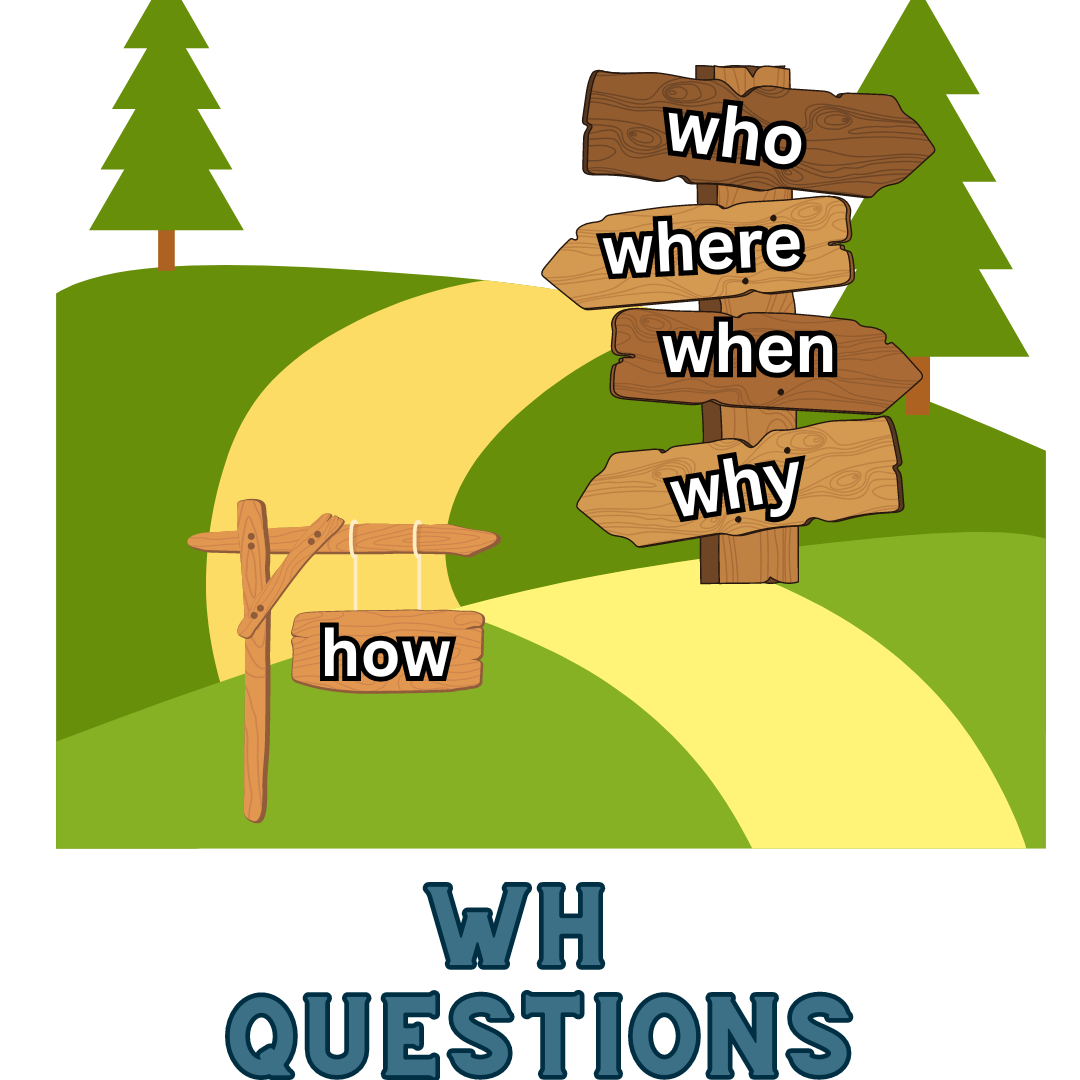
Turn WH-questions into movement-based games. Tape cards around the room labeled Who, What, Where, When, Why, How. Ask a question and let students run to the correct answer zone.
Printable WH-question cards on FreeSLP.com make this game easy to adapt for any age or ability.
Social Communication Activities
1. Emotion Charades
Have students act out emotions such as happy, surprised, or frustrated. Others guess the feeling and talk about what might cause it.
You can expand this by asking follow-up questions:
2. Problem-Solving Scenarios
Use short illustrated stories that show social conflicts—like two friends wanting the same seat. Ask students to describe the problem and brainstorm solutions.
Encourage flexible thinking by asking, “What are two different ways this could end?”
3. Conversation Cards
Turn-taking, topic maintenance, and perspective taking all come alive with conversation cards. Choose topics elementary kids love—sports, games, pets, school, or food.
At FreeSLP.com, you’ll find printable social language question sets that make small-group discussions structured yet fun.
Fluency (Stuttering) Activities
1. Easy Speech Races
Draw a “speech race track” on paper. Each correct smooth sentence moves the student one space forward. Add silly prompts like, “Say your sentence in a robot voice” to lower pressure and keep it playful.
2. Breathing Buddies
Use a small stuffed animal as a “breathing buddy.” Students place it on their stomachs and watch it move as they breathe in and out slowly. This builds awareness of relaxed breathing for fluency.
3. Pacing Practice
Give students finger taps, rhythm sticks, or a simple metronome. Practice saying sentences in time with the beat to reduce speech tension and rushing.
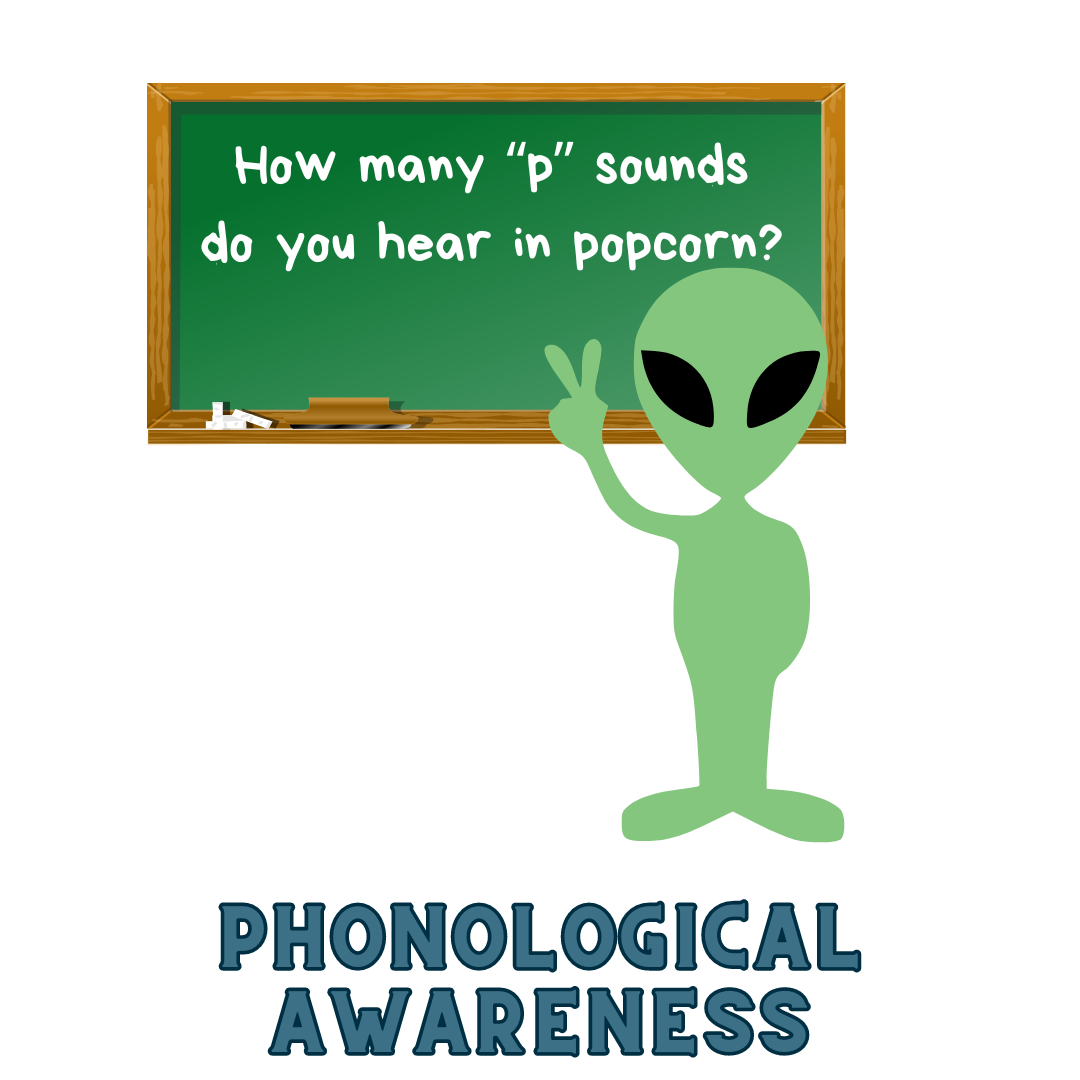
Phonological Awareness and Literacy Activities
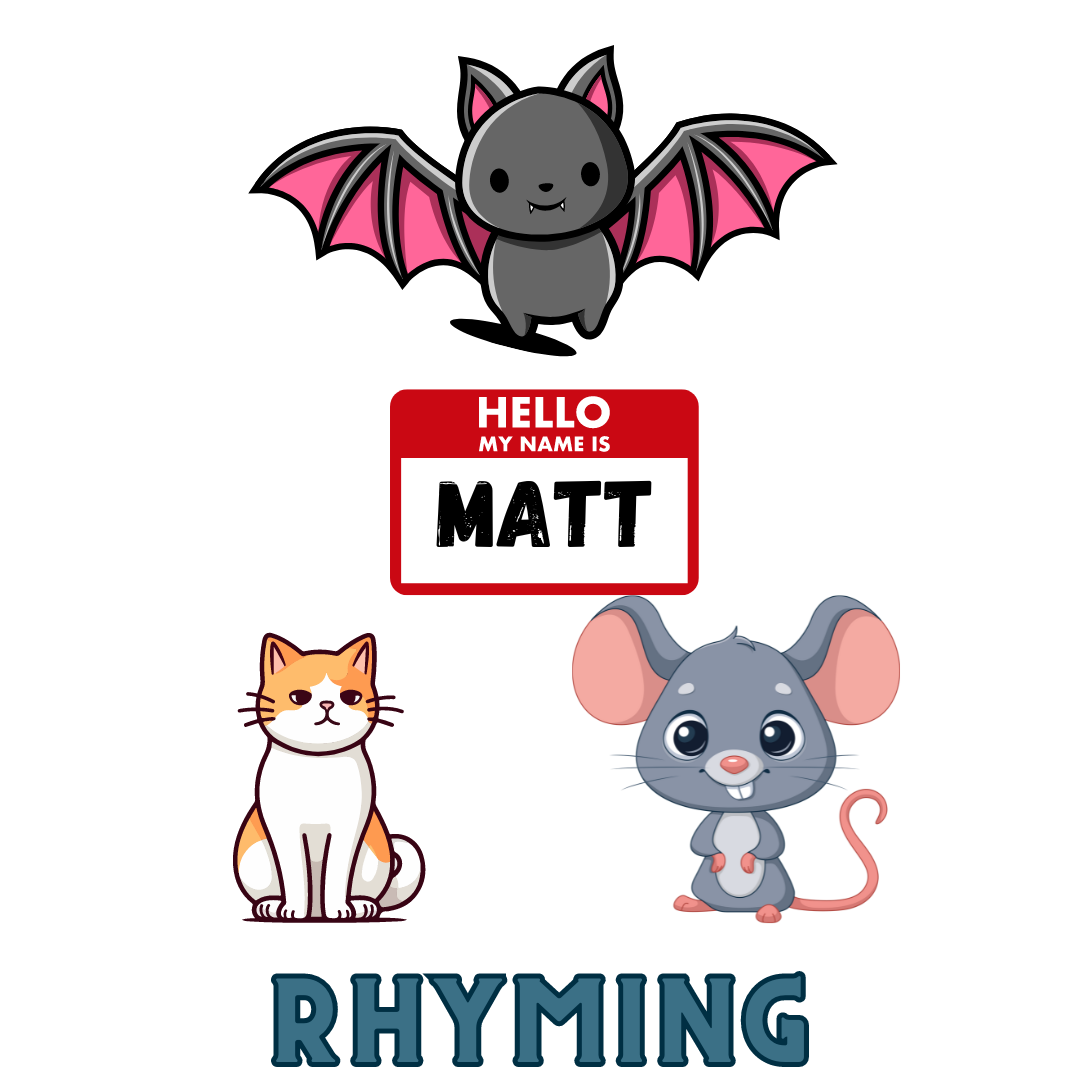
1. Rhyming Bingo
Create bingo cards with rhyming words. Say one word aloud (“cat”), and students cover a rhyming match (“hat”). Rhyming games strengthen early literacy and listening skills.
2. Syllable Sorting Jars
Label jars or containers with numbers 1, 2, 3, and 4. Students drop picture cards into the jar that matches the number of syllables. This multisensory approach keeps young learners moving.
3. Sound Segmentation Hopscotch
Draw a hopscotch board and assign one square per sound in a word. Say a word like dog, and students hop for each sound: /d/ → /o/ → /g/. It’s active, quick, and memorable.
Grammar and Sentence Building Activities
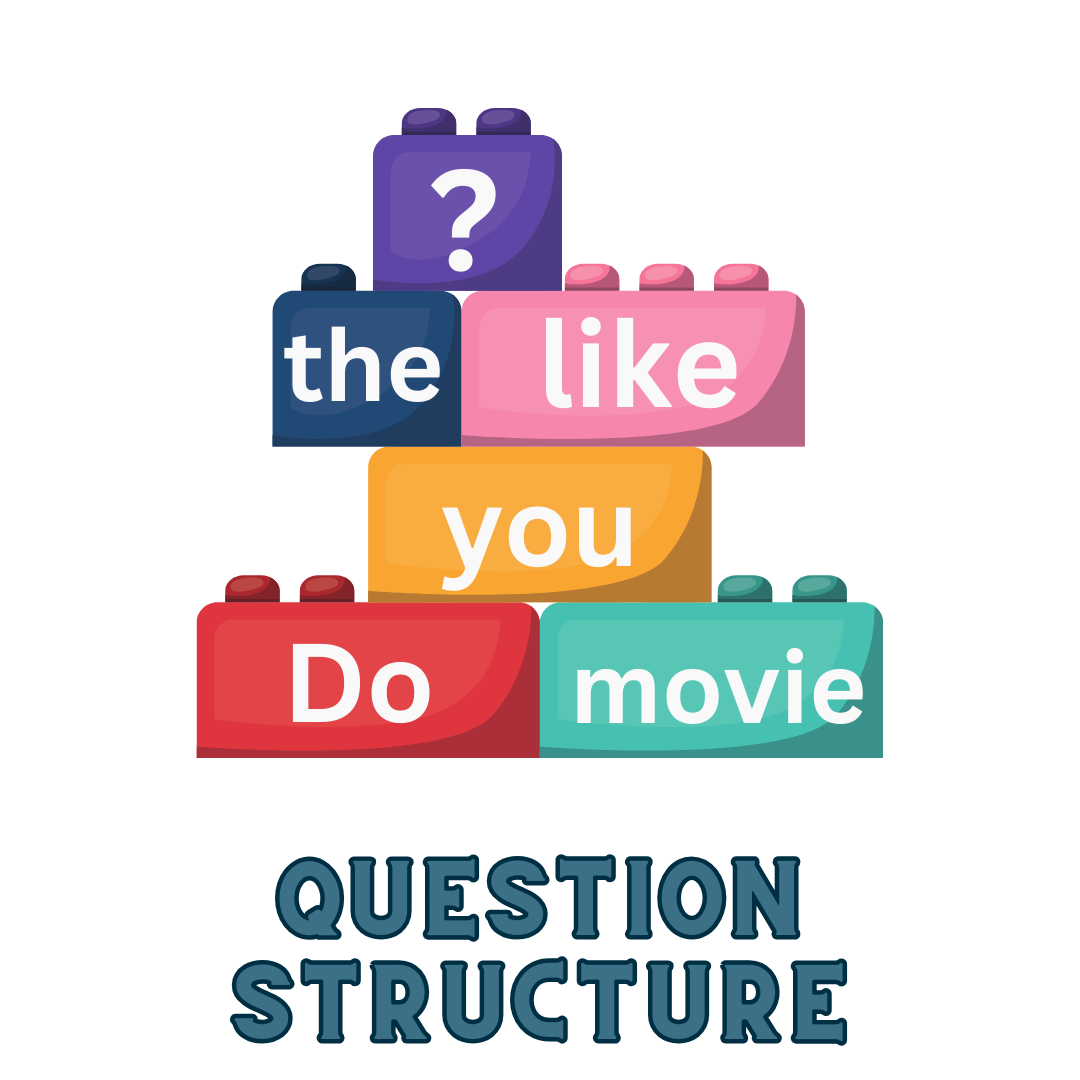
1. Sentence Builders
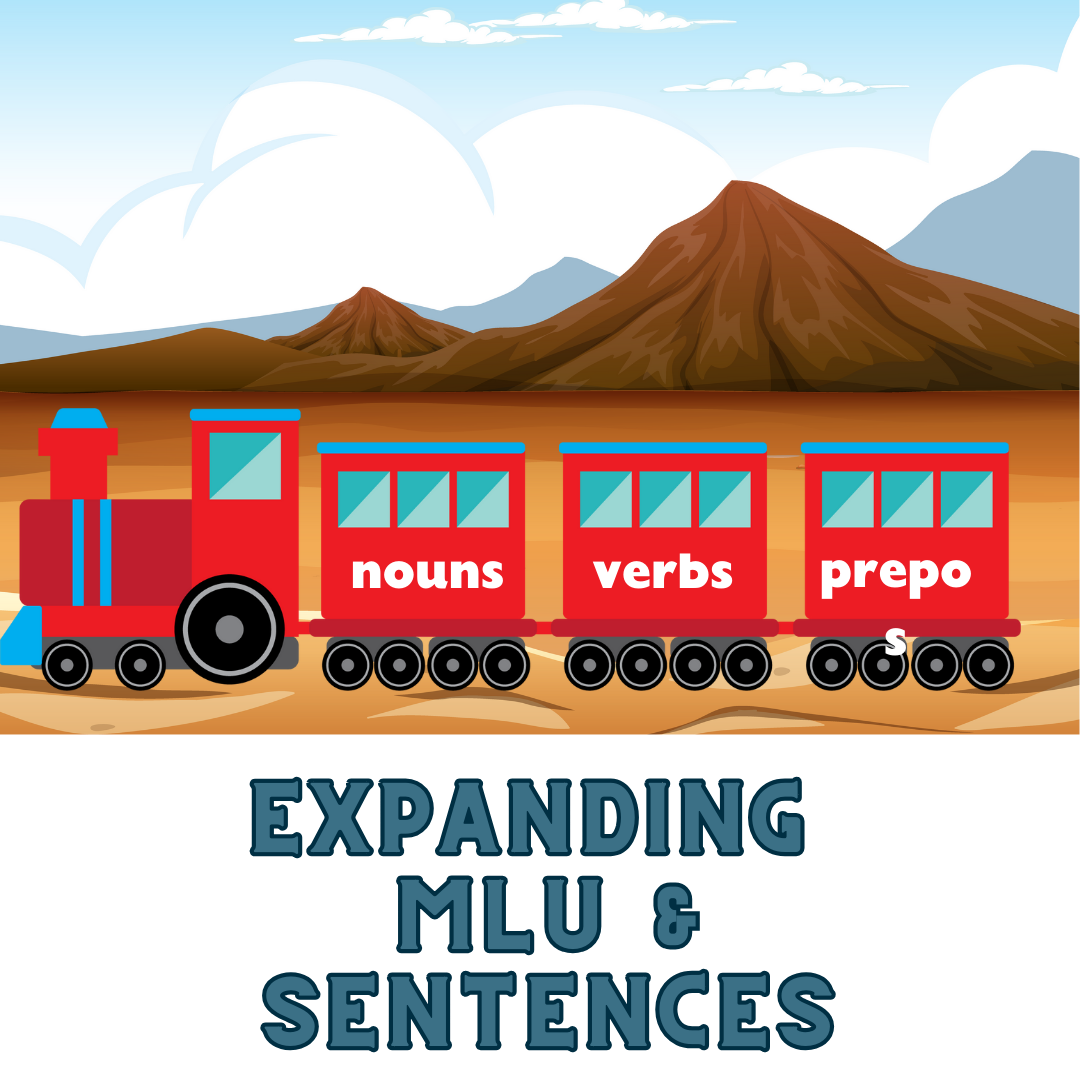
Cut out word cards (nouns, verbs, adjectives, prepositions) and let students build silly sentences. For example:
“The purple elephant danced on a pizza.”
It’s a fun way to teach word order and expand sentence length.
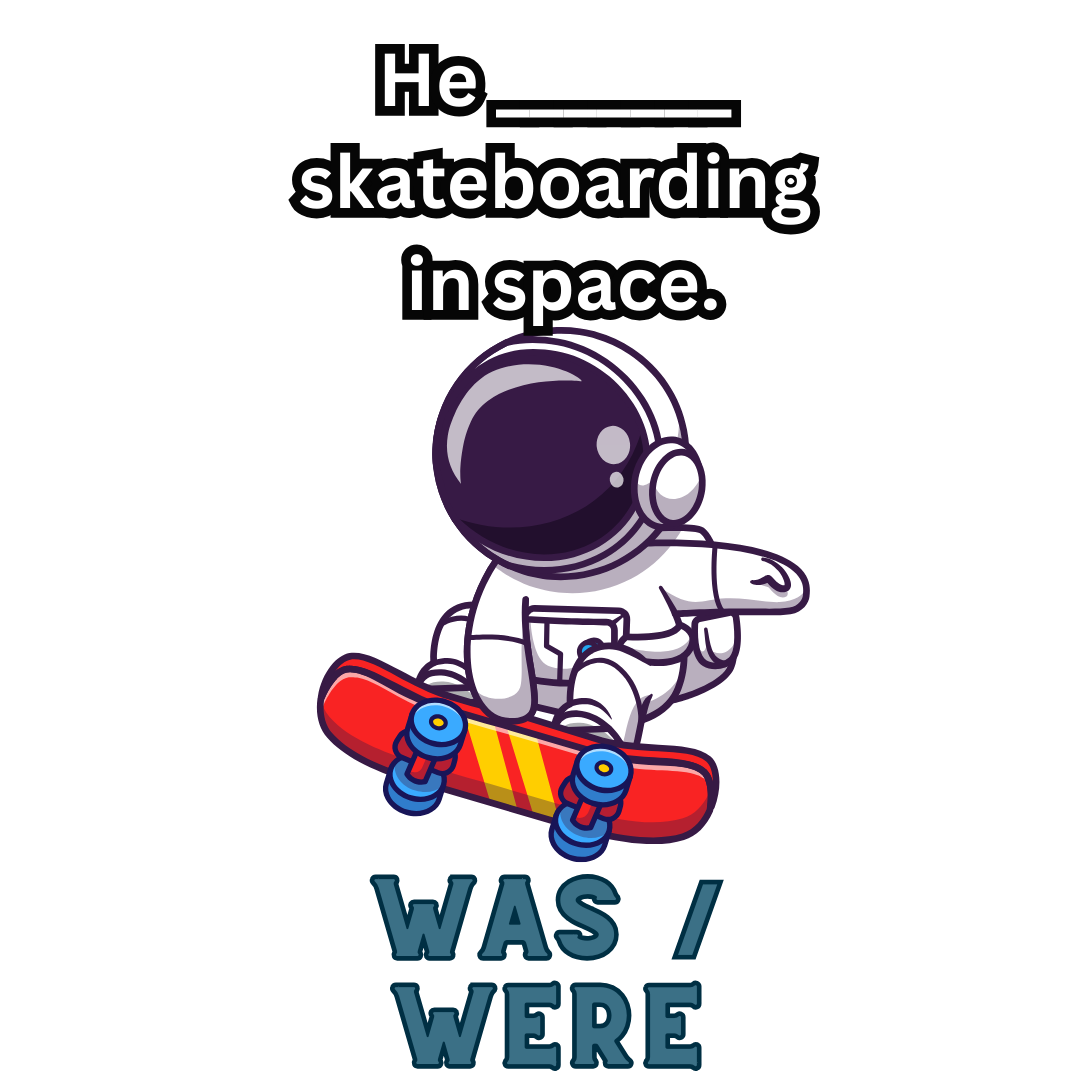
2. Fix-It Sentences
Write short sentences with one error (“She go to school.”). Have students find and fix the mistake. They can use whiteboards or worksheets from FreeSLP.com to correct grammar in a low-pressure way.
3. Roll a Sentence
Use a die labeled with prompts:
-
Who
-
What
-
Where
-
When
-
How
-
Add an adjective
Students roll to fill in each part, then read their full sentence aloud. It’s great for both grammar and creative thinking.
Storytelling and Sequencing Activities
1. Picture Sequencing Cards
Give students three to five pictures that show a short event (planting a seed, making a sandwich). Ask them to arrange the pictures in order and tell the story.
2. Comic Strip Stories
Elementary students love drawing. Let them create simple comics showing a problem, action, and solution. Then have them narrate what’s happening in each frame.
3. Story Cubes
Use story cubes (or printable dice from FreeSLP.com) with pictures like animals, places, and objects. Students roll and create short stories using the images that appear.
This activity strengthens narrative skills and creative expression.
Group Games That Build Speech and Language
1. Speech Tic-Tac-Toe
Draw a grid and fill it with target words or prompts. Students must say the word correctly or answer a question before claiming a square.
2. 20 Questions
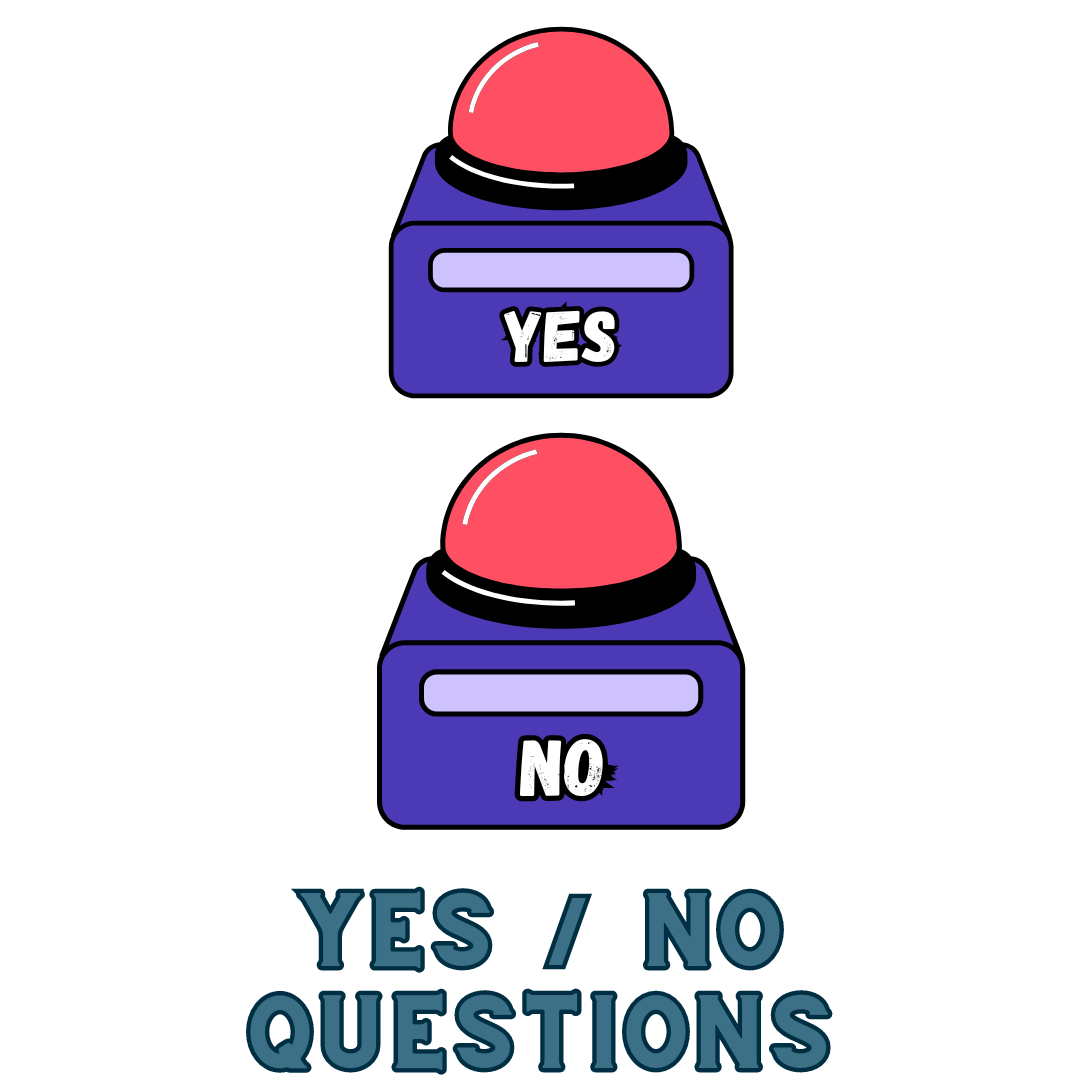
A classic for practicing inference, vocabulary, and reasoning. Choose a mystery item, and students ask yes/no questions to guess it.
3. Board Games with a Twist
Use familiar games like Candy Land or Connect Four—but add a speech task each turn. Before moving, students complete one therapy target, answer a WH-question, or describe a picture.
Seasonal and Thematic Activities
Students love themes because they connect therapy to what’s happening in their world. Try rotating your materials seasonally:
-
Fall: Describing apples, sequencing pumpkin carving, or sorting leaf colors.
-
Winter: Story retells about snow days, following directions with mittens or scarves.
-
Spring: Categorizing insects, describing flowers, and rhyming garden words.
-
Summer: Conversational games about favorite vacations or ice cream flavors.
FreeSLP.com offers seasonal activity packs with themed worksheets, games, and visual supports for every time of year.
Incorporating Movement into Therapy
Elementary students often need to move while they learn. Add short bursts of motion to boost engagement and retention:
-
Tape articulation words around the room for a walking drill.
-
Toss a ball and say a target word each time it’s caught.
-
Play “Simon Says” with language directions (“Simon says name three animals”).
Movement makes therapy feel more like recess and less like work.
Tips for Maximizing Success
-
Keep sessions goal-focused: Each fun activity should still tie directly to a therapy objective.
-
Offer choices: Let students pick the order of tasks to build independence.
-
Use visuals: Graphic organizers, picture cards, and sentence strips support understanding.
-
Track progress visibly: Let students color in a progress chart or earn tokens for effort.
-
End on success: Always finish with an activity your student enjoys and performs well.
Conclusion
Speech therapy for elementary students works best when it’s engaging, flexible, and full of variety. The activities you choose should invite laughter, curiosity, and growth—all while reinforcing communication goals.
From articulation games to storytelling cards, the best materials are the ones that make your students eager to participate.
If you’re looking for ready-to-print, no-prep resources, explore FreeSLP.com. You’ll find hundreds of free worksheets, games, and activity packs that make planning easier and therapy more effective.
FAQ Section
1. What makes a good speech therapy activity for elementary students?
It should be goal-oriented, interactive, and adaptable. The best activities combine play with purposeful practice, allowing repetition without boredom.
2. How long should speech activities last for this age group?
Aim for short, varied segments—about 5 to 10 minutes per activity. Changing tasks often keeps students focused and motivated.
3. What if students get bored of repetition?
Keep the task structure but change the context. For example, practice the same target words in a new game or seasonal theme.
4. Can group games still target individual goals?
Yes! Give each student a goal card or sound list. During shared games, prompt each child based on their specific target.
5. How do I adapt activities for mixed-level groups?
Use tiered questions or allow different response types. For instance, one student may identify a picture while another creates a full sentence.
6. Are printable worksheets still engaging for elementary students?
Absolutely. Combine them with manipulatives, dice, or markers. Worksheets provide structure, while added movement or coloring keeps it fun.
7. Where can I find free materials for these activities?
Visit FreeSLP.com for a large library of printable, digital, and seasonal speech therapy resources—all free, organized by goal and sound.