Home practice is one of the biggest factors in speech therapy success. What happens in a 30-minute session each week matters, but what happens at home in between sessions matters even more. The challenge is finding speech therapy materials that parents actually want to use—and that kids enjoy enough to stick with.
The good news? You don’t need expensive tools or fancy programs. With the right mix of printable materials, games, and everyday objects, families can easily support communication goals from home.
In this article, we’ll explore the best speech therapy materials for home practice—what to use, how to use them, and where to find free, high-quality resources. Whether you’re an SLP sending home carryover packets or a parent helping your child practice at the kitchen table, these ideas will help make speech practice natural, fun, and effective.
Why Home Practice Matters
Speech therapy progress depends on consistency. Students who practice regularly at home often meet their goals faster than those who only practice during sessions.
Here’s why home practice is so powerful:
-
Repetition builds muscle memory. Producing a new sound correctly takes hundreds of repetitions.
-
It promotes generalization. Kids learn to use skills in real-life settings like school, mealtime, and play.
-
Parents become partners. When caregivers know what to practice, they can reinforce goals naturally.
-
Confidence grows. Daily success builds motivation and helps children feel proud of their progress.
The key is to keep it short and fun—just 5 to 10 minutes a day can make a difference.
Articulation Practice Materials
1. Picture Cards and Word Lists
These are a classic SLP staple for a reason. Picture cards make it easy for kids to visualize what they’re saying and give parents clear examples.
You can find free printable articulation cards for every sound on FreeSLP.com, organized by word position (initial, medial, final). Print and cut them out, or use them digitally on a tablet.
Ideas for using them at home:
-
Pick 5 words a day to practice 10 times each.
-
Hide the cards around the house and find them as you say each word.
-
Use a mirror so your child can watch their mouth placement.
2. Mini Games for Motivation
Turn practice into play. Add dice, spinners, or tokens to any word list to make it interactive. For example:
-
Roll a die and say the word that many times.
-
Spin to see which column of words to read.
-
Earn a sticker after 10 correct productions.
Kids love the sense of control and variety that comes from game-based practice.
3. Sentence and Story Practice
Once a sound is correct in single words, move on to sentences and short stories. You can write your own or print structured worksheets that target specific sounds in connected speech.
For instance:
“Sam saw seven seashells by the shore” for the /s/ sound.
You’ll find free sentence-level and paragraph-level practice materials on FreeSLP.com, complete with pictures and progress tracking.
Language Development Materials
1. Vocabulary and Categorization Activities
Simple printable worksheets for categories, synonyms, and antonyms help expand vocabulary. Try:
-
“Name three things you can eat.”
-
“Circle the picture that doesn’t belong.”
-
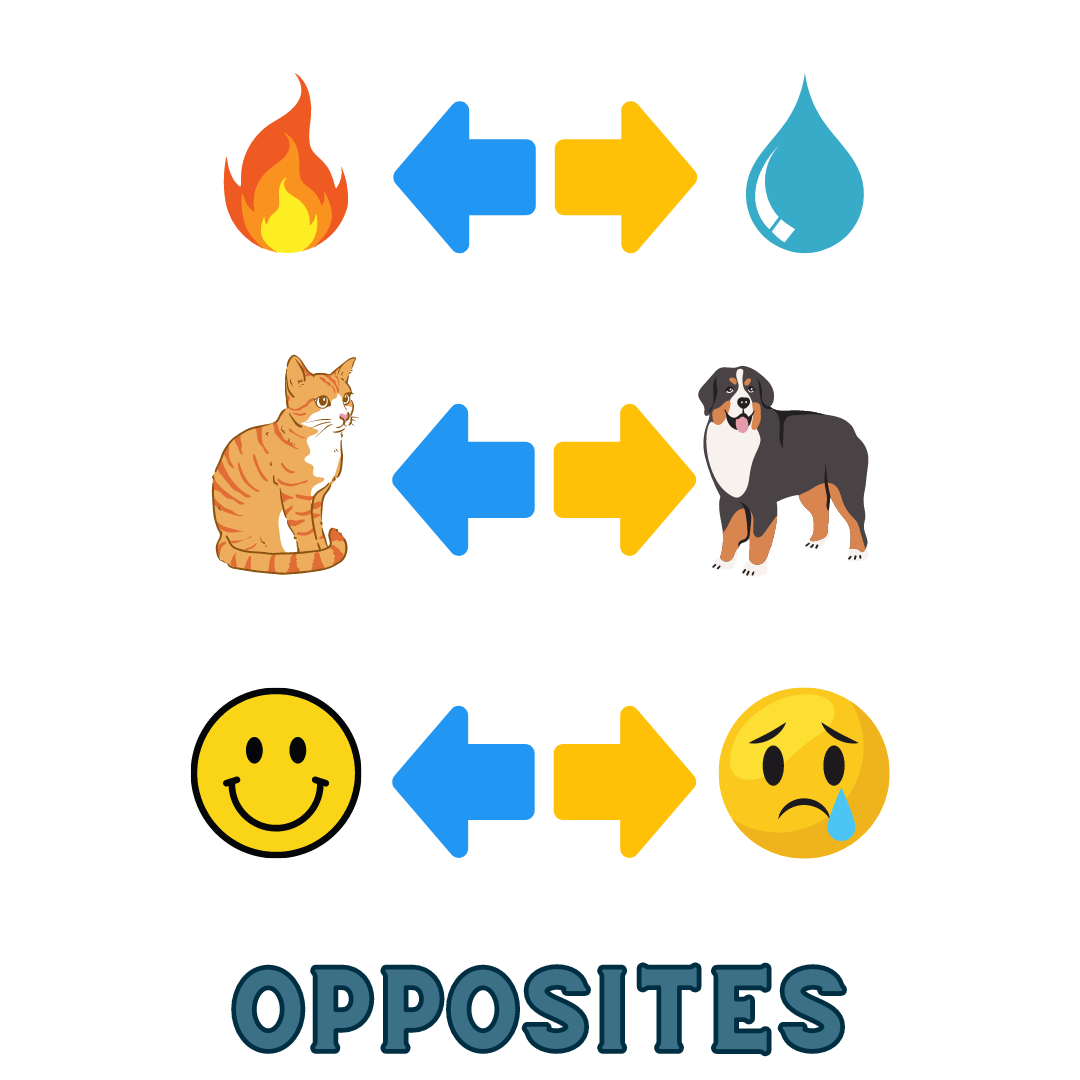
“Match the opposite words.”
These can be turned into conversation starters during dinner or car rides.
2. Story Retell and Sequencing Cards
Story cards are fantastic for both comprehension and expressive language. Use pictures that show a clear beginning, middle, and end.
At home, parents can:
-
Mix up the pictures and have the child put them in order.
-
Ask WH-questions (“Who was in the story?” “What happened first?”).
-
Encourage the child to retell it in their own words.
3. Grammar Practice Sheets
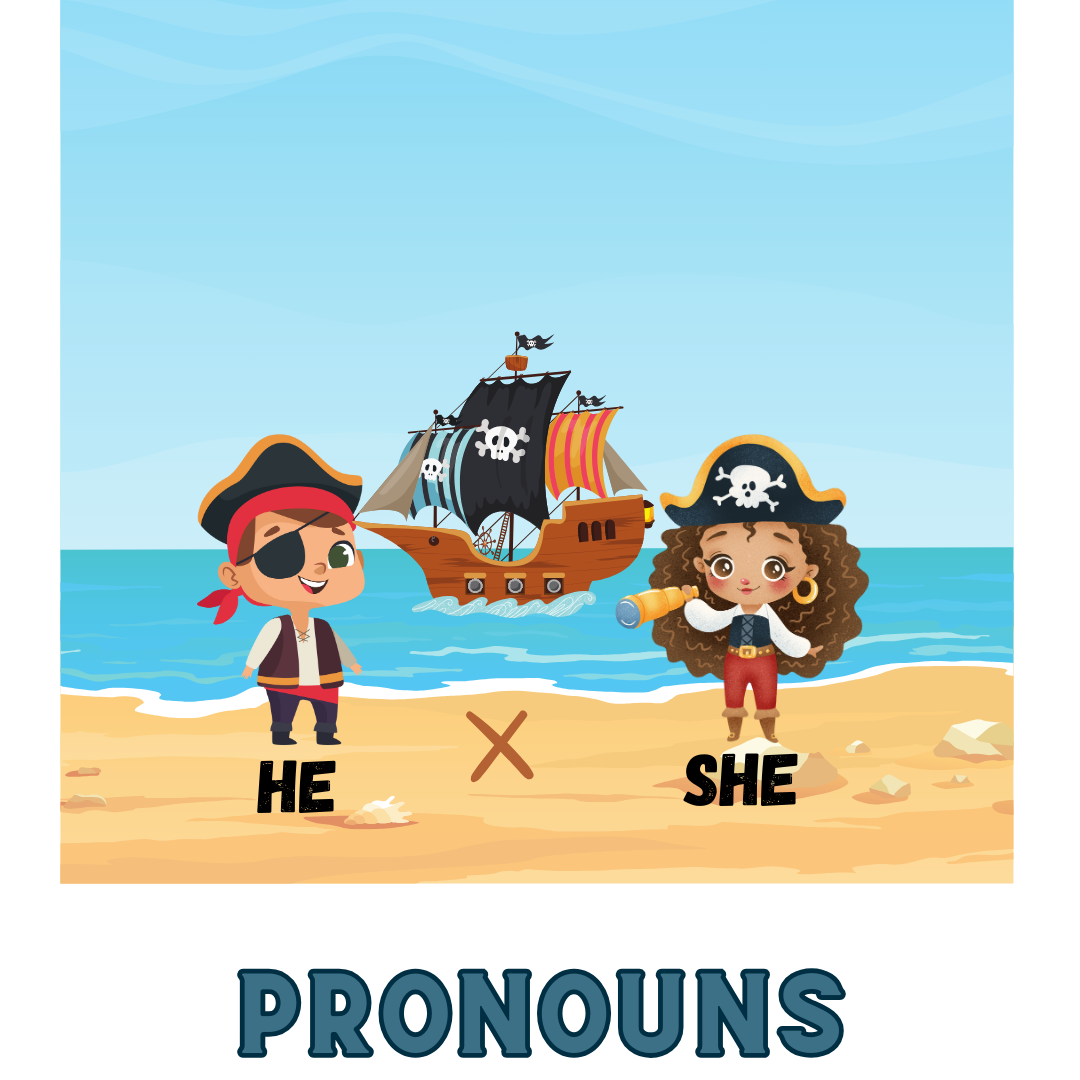
Many children need support with pronouns, verb tenses, and plurals. Grammar worksheets help make these concepts visual. Parents can circle, fill in, or act out sentences to keep things interesting.
FreeSLP.com has downloadable grammar packets for regular and irregular verbs, pronouns, and adjectives—all easy for parents to follow without extra prep.
Phonological Awareness and Early Literacy Materials
1. Rhyming Games
Rhyming helps children notice sound patterns in words—a skill linked to reading success. Print rhyming pairs or make your own using picture cards.
Example activities:
-
“Find two words that rhyme.”
-
“Tell me another word that rhymes with cat.”
-
“Circle all the rhyming pairs.”
2. Syllable Sorting Worksheets
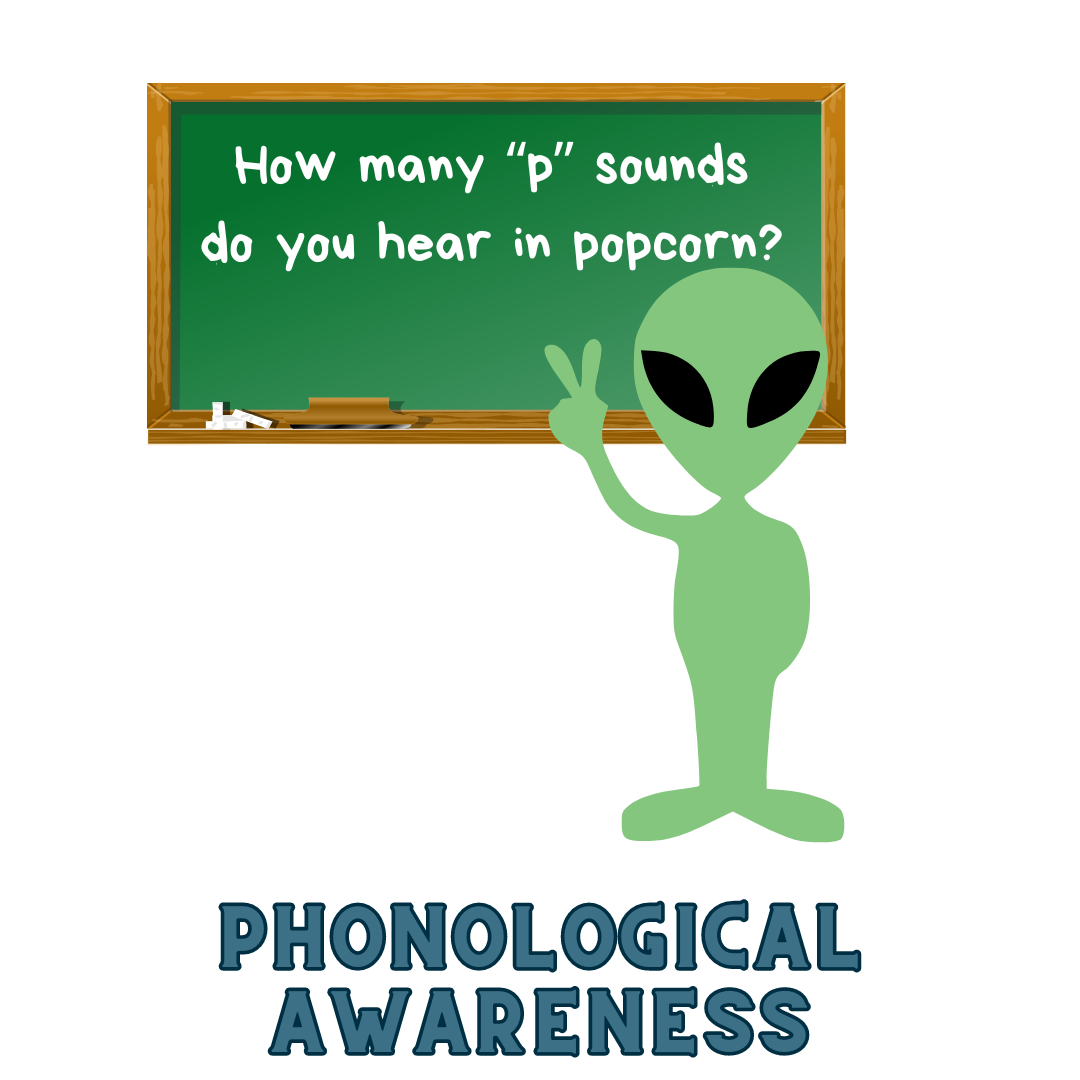
Have your child clap, tap, or jump the syllables in words. Printable syllable sorting sheets make it easy to visualize one-, two-, and three-syllable words.
3. Beginning Sound Hunts
Print a page of pictures and ask your child to name which ones start with a target sound. You can also do this activity around the house—“Let’s find things that start with /m/.”
Social Communication and Pragmatic Language Materials
1. Emotion Picture Cards
Emotion cards help children label and understand feelings. Parents can ask questions like:
-
“How does this person feel?”
-
“What might make someone feel that way?”
-
“What could you say to help a friend who feels sad?”
These can also be paired with books or real-life discussions about kindness and empathy.
2. Problem-Solving Scenarios
Printable social situations give children a safe way to practice thinking about others’ perspectives. For example:
“Your friend grabbed your toy. What could you do?”
Encourage kids to brainstorm multiple solutions. This builds both social language and emotional flexibility.
3. Conversation Starters
Use simple question cards to build turn-taking and topic maintenance. Some examples:
Conversation cards can be printed, laminated, and kept in the car for quick chats during errands.
Everyday Household Materials That Double as Therapy Tools
Sometimes the best speech therapy materials aren’t found in a store—they’re already at home!
Here are some everyday items that work beautifully for speech practice:
-
Mirror: For articulation and visual feedback.
-
Blocks or Legos: Say a target word before adding a piece.
-
Dry erase board: For drawing, writing, or playing games like tic-tac-toe with target words.
-
Playdough: Shape the sound letter or make items that start with the target sound.
-
Magnet letters: Practice spelling and sound awareness.
These tools make speech therapy feel like play, which keeps kids engaged longer.
How SLPs Can Support Parents
Even the best materials won’t help if families feel unsure about what to do. SLPs can make a huge difference by providing:
-
Simple instructions: Keep practice clear and specific (“Say each word 5 times while looking in the mirror”).
-
Visual examples: Include pictures or videos when possible.
-
Positive reinforcement ideas: Encourage praise and small rewards for effort.
-
Consistent communication: Send short notes or messages about what to focus on each week.
When parents feel supported and confident, home practice becomes part of daily life instead of an added chore.
Organizing Home Practice Materials
Families are more likely to use materials when they’re easy to access. Here’s how to help them stay organized:
-
Create a home practice folder with one page per goal.
-
Label pages clearly (e.g., “/s/ words,” “WH-questions”).
-
Include a short practice tracker—kids love checking off boxes.
-
Provide both print and digital versions for flexibility.
SLPs can also suggest a simple routine, such as five minutes of practice before bedtime or after homework.
Where to Find Free, High-Quality Home Practice Materials
Parents often ask, “Where can I find worksheets and games that are actually good?”
The answer: FreeSLP.com.
Here’s why SLPs and families love it:
-
All materials are created by licensed speech-language pathologists.
-
They’re organized by sound, goal, and age.
-
Everything is printable, easy to use, and 100% free.
-
Many activities include data tracking boxes and parent tips.
From articulation cards to storytelling prompts, FreeSLP.com is designed to make home practice simple, motivating, and effective.
Tips for Making Practice Fun
Home practice shouldn’t feel like homework. Here are a few creative ways to keep it light:
-
Use favorite toys: Say a word before moving a car or feeding a doll.
-
Add movement: Hop, jump, or spin after each correct response.
-
Set goals: Aim for 20 correct words to “win” a mini game.
-
Record progress: Kids love hearing themselves improve.
-
End on success: Always finish with a skill your child does well.
Even five minutes of enjoyable practice can lead to big improvements over time.
Conclusion
Home practice turns therapy goals into real-world skills. When parents have the right materials, speech practice becomes part of everyday routines—during playtime, car rides, or storytime.
You don’t need fancy equipment or expensive programs. With simple printable worksheets, games, and creativity, home practice can be easy and fun for the whole family.
Explore FreeSLP.com for free, ready-to-use speech therapy materials that make home practice effective and stress-free.
FAQ Section
1. How often should my child practice speech at home?
Five to ten minutes a day, several days a week, is ideal. Short, frequent practice is more effective than long sessions once a week.
2. What should I do if my child gets frustrated?
Take a break, praise their effort, and return later. Focus on positive feedback—confidence leads to better progress.
3. Are digital materials okay, or should I use paper worksheets?
Both work! Many families use tablets for convenience, while others prefer printed sheets. Choose whatever keeps your child engaged.
4. How can I help my child practice speech sounds naturally?
Incorporate target words into daily routines: mealtime, playtime, and bedtime stories. The goal is to make practice part of real life.
5. What if I’m not sure how to cue the sound correctly?
Ask your SLP for a model or look for parent-friendly guides on FreeSLP.com. Seeing how the sound is made helps you give accurate feedback.
6. How do I know if we’re making progress?
Keep a simple log or mark how many correct productions your child makes. Many FreeSLP.com worksheets include tracking boxes to help.
7. Where can I find free printable materials for home use?
Visit FreeSLP.com to access hundreds of free speech therapy materials—organized by sound, language skill, and goal area.