Every great therapy session starts with a good warm-up. Just like athletes stretch before a game, students in speech therapy need time to get their minds and mouths ready to work. A thoughtful warm-up can set the tone for the entire session — it helps students focus, builds confidence, and gets them talking right away.
The best part? Warm-ups don’t have to be long or complicated. In fact, a quick, fun five-minute activity can help you transition smoothly into any goal — articulation, language, fluency, voice, or social communication.
In this guide, we’ll explore the best speech therapy warm-up activities for any goal. You’ll find practical, no-prep ideas that work in person or in teletherapy, all tested by SLPs who know that the first few minutes can make or break a session. Most of these ideas are free or can be found right on FreeSLP.com, so you can spend less time planning and more time connecting.
Why Warm-Ups Matter in Speech Therapy
A warm-up is more than just a transition — it’s a chance to prime the brain and body for communication. It:
-
Activates speech-motor muscles
-
Builds focus and readiness
-
Reduces anxiety at the start of sessions
-
Reinforces previously learned skills
-
Creates predictable routines students can depend on
Warm-ups also help you collect baseline data and gauge how your students are feeling that day. For younger children, they’re a fun way to get energy out; for older students, they can be quick “check-ins” that build rapport.
1. Articulation Warm-Ups
These warm-ups are fast, flexible, and can fit any sound target.
1.1. Sound Stretching
Start with an exaggerated production of the target sound — like a long “ssssss” or “rrrrr.” Pair it with a simple movement (stretching arms wide or tracing the sound letter in the air). It builds awareness of oral placement and helps students “feel” the sound before producing words.
1.2. Minimal Pair Quick Pick
Use 5–10 minimal pairs from FreeSLP.com’s articulation lists. Have students choose the correct word from a pair after you model it. This boosts auditory discrimination before production drills.
1.3. Tongue Twister Race
Show a short, silly tongue twister (e.g., Silly snakes slide silently). Have students read or repeat it slowly, focusing on accuracy first, then speed. This works especially well for /s/, /r/, and /l/ targets.
1.4. “Say It Three Ways”
Pick one target word and ask students to say it in three different ways — loud, soft, silly. It encourages flexibility and awareness of speech rate and volume.
1.5. Sound Sort Warm-Up
Mix 10 picture cards with a few target and non-target sounds. Have students quickly sort them before drills. You can do this digitally with FreeSLP.com’s drag-and-drop sound sorts.
2. Language Warm-Ups
Language warm-ups get the brain ready for vocabulary, syntax, and comprehension tasks.
2.1. Category Speed Round
Name a category (animals, foods, tools) and give students 20 seconds to list as many as they can. This quick activity activates semantic networks and works for all ages.
2.2. Describe It in 3 Words
Show a picture and ask students to describe it using three adjectives. Example: apple → red, sweet, round. This targets describing, attributes, and expressive language.
2.3. WH-Question Flash Round
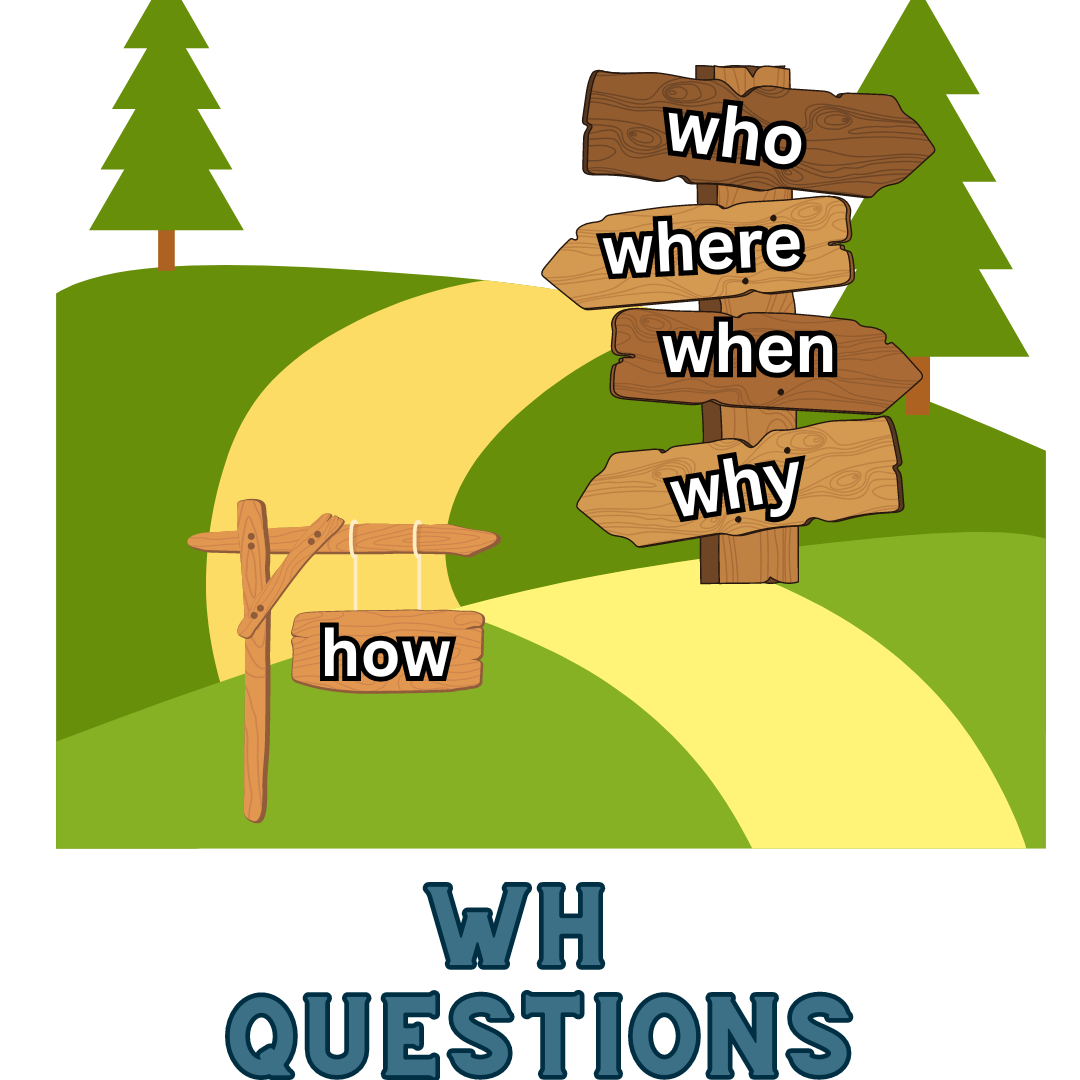
Ask 5–10 rapid-fire WH-questions to get brains moving. You can use FreeSLP.com’s WH-Question Spinners for an instant digital version.
2.4. Sentence Builder Challenge
Give students three random words (e.g., dog, rain, park) and ask them to make one complete sentence. This simple task encourages grammar, syntax, and creativity.
2.5. “What’s Missing?”
Show a short sequence of 3–4 pictures, then remove one. Have students identify what’s missing — a fun warm-up for sequencing and inferencing.
3. Social Communication Warm-Ups
These quick activities help students shift into a social-thinking mindset.
3.1. Emotion Check-In
Show a feelings chart and ask, “How are you feeling today?” Encourage students to describe why. It sets a safe emotional tone and practices labeling emotions.
3.2. Expected vs. Unexpected Sort
Use FreeSLP.com’s printable Expected/Unexpected Behavior Cards or display them digitally. Have students identify which actions are expected for a given setting.
3.3. Compliment Chain
Have each student give a compliment to someone in the group. It builds confidence and teaches perspective-taking.
3.4. Guess the Feeling Game
Act out or show a picture of a feeling and let students guess it. This encourages inferencing and body-language reading.
3.5. Conversation Kick-Off
Use the first two minutes for simple back-and-forth questions: “What did you have for breakfast?” “What’s something fun you did this week?” It’s a natural bridge to pragmatic goals.
4. Fluency and Voice Warm-Ups
These warm-ups help regulate breathing, pacing, and phonation before speech work begins.
4.1. Diaphragmatic Breathing Practice
Start with three slow breaths. Have students place a hand on their stomach and feel it move out when inhaling. Pair it with calm visuals or soft background music.
4.2. Light Contact Practice
Say simple consonant-vowel combinations like “pa, ta, ka” using gentle articulatory contacts. It sets the tone for smooth, easy speech.
4.3. Smooth Start Stretch
Practice starting phrases with easy onsets: I…like…pizza or My…dog…is…brown. Use visuals like waves to show continuous airflow.
4.4. Humming Warm-Up
A quick 30-second hum encourages relaxed phonation and helps reduce tension in the larynx. Great for both fluency and voice goals.
4.5. Rate Control Games
Use a pacing board (digital or printed) and have students tap one dot per syllable while saying a short sentence. It builds awareness of rate and rhythm.
5. Quick Warm-Ups for Mixed Groups
When you have multiple goals in one group, these warm-ups keep everyone involved.
5.1. Spinner Choice
Use FreeSLP.com’s All-Goal Spinner — it includes articulation, language, and social prompts in one place. Spin to reveal the warm-up task for the day.
5.2. 5-Word Story
Each student adds one word to a growing sentence. It builds syntax, turn-taking, and creativity while getting everyone speaking right away.
5.3. Digital Dice Roll
Assign each number a task (1 = say a target word, 2 = answer a question, 3 = describe something, etc.). Roll and play as a group.
5.4. Category Toss
Name a category and “toss” it to the next student (real ball or virtual pointer). Each person adds one new item before passing it on.
5.5. Quick Draw or Guess
Use a whiteboard or Jamboard. One student draws, others guess using full sentences. This can target describing, inferencing, and turn-taking all at once.
6. Teletherapy Warm-Ups
These work beautifully on Zoom, Google Meet, or any virtual platform.
6.1. Digital Spinner Games
Use FreeSLP.com’s digital spinners to select warm-up tasks. They load instantly and can be customized by goal type.
6.2. Would You Rather?
Share your screen with fun, age-appropriate prompts. Students answer, then explain why. It targets reasoning, turn-taking, and expressive language.
6.3. Hidden Picture Search
Pull up a “find-and-seek” scene and ask students to name what they see using full sentences. Great for articulation carryover and vocabulary.
6.4. Quick Quiz with Wordwall or Kahoot
Use a 3-minute quiz to review previous goals. Students love earning points, and you get quick informal data.
6.5. Story Starter Wheel
Spin a digital wheel with story topics. Have students say one or two sentences to begin a story. Perfect for fluency, narrative, and articulation carryover.
7. Seasonal Warm-Up Themes
Monthly or seasonal themes keep warm-ups fresh throughout the year:
-
January: Snowball word toss (articulation or categories)
-
February: Compliment hearts (social skills)
-
March: Rainbow category sort
-
April: Earth Day describing challenge
-
May: End-of-year reflection questions
-
October: “Trick or Treat” vocabulary game
-
December: Holiday “Would You Rather?”
You can find free themed warm-up printables and spinners for each month on FreeSLP.com under the Seasonal Activities section.
8. How to Build a Warm-Up Routine
A strong routine makes your sessions flow smoothly and keeps students engaged from the moment they sit down.
-
Keep it consistent. Start every session with the same 2-3 minute activity.
-
Rotate themes weekly. Change visuals or vocabulary to keep interest.
-
Use the warm-up for quick data. Track how many correct productions or responses you get in one minute.
-
Involve students. Let them pick from a “Warm-Up Menu.”
-
Transition naturally. Link the warm-up to your session goal (e.g., “We just described animals, now let’s use describing words in sentences.”).
Conclusion
Warm-ups are the unsung heroes of great speech therapy sessions. They build momentum, boost confidence, and create a positive learning rhythm. Whether you’re working on articulation, language, fluency, or pragmatics, a quick, playful warm-up can make all the difference.
Use these ideas to design your own warm-up routine — one that fits your students, your goals, and your time limits. And when you need fresh materials, visit FreeSLP.com for hundreds of free warm-up games, spinners, and printable activities that keep therapy engaging from the very first minute.
FAQ Section
1. Why are warm-ups important in speech therapy?
They help prepare the brain and body for speech, improve focus, and build consistency. Warm-ups also help you collect quick data before starting structured tasks.
2. How long should a speech therapy warm-up last?
Most warm-ups take between 3 and 7 minutes. The goal is to transition smoothly into skill practice, not to fill the whole session.
3. What kind of warm-ups work best for articulation?
Short, repetitive tasks like sound stretching, tongue twisters, or word sorts are great for articulation. They get the mouth ready for precise movements.
4. Can warm-ups target multiple goals?
Yes! Many activities (like spinners or category games) can address articulation, language, and social skills all at once.
5. Are warm-ups useful for teletherapy?
Absolutely. Digital spinners, “Would You Rather?” questions, and visual search games work beautifully online.
6. How do I make warm-ups engaging for older students?
Add choices and challenges — short trivia, storytelling prompts, or digital competitions like Kahoot.
7. Where can I find free warm-up materials?
Visit FreeSLP.com for ready-to-use warm-up ideas, printable games, and digital spinners for every goal area.