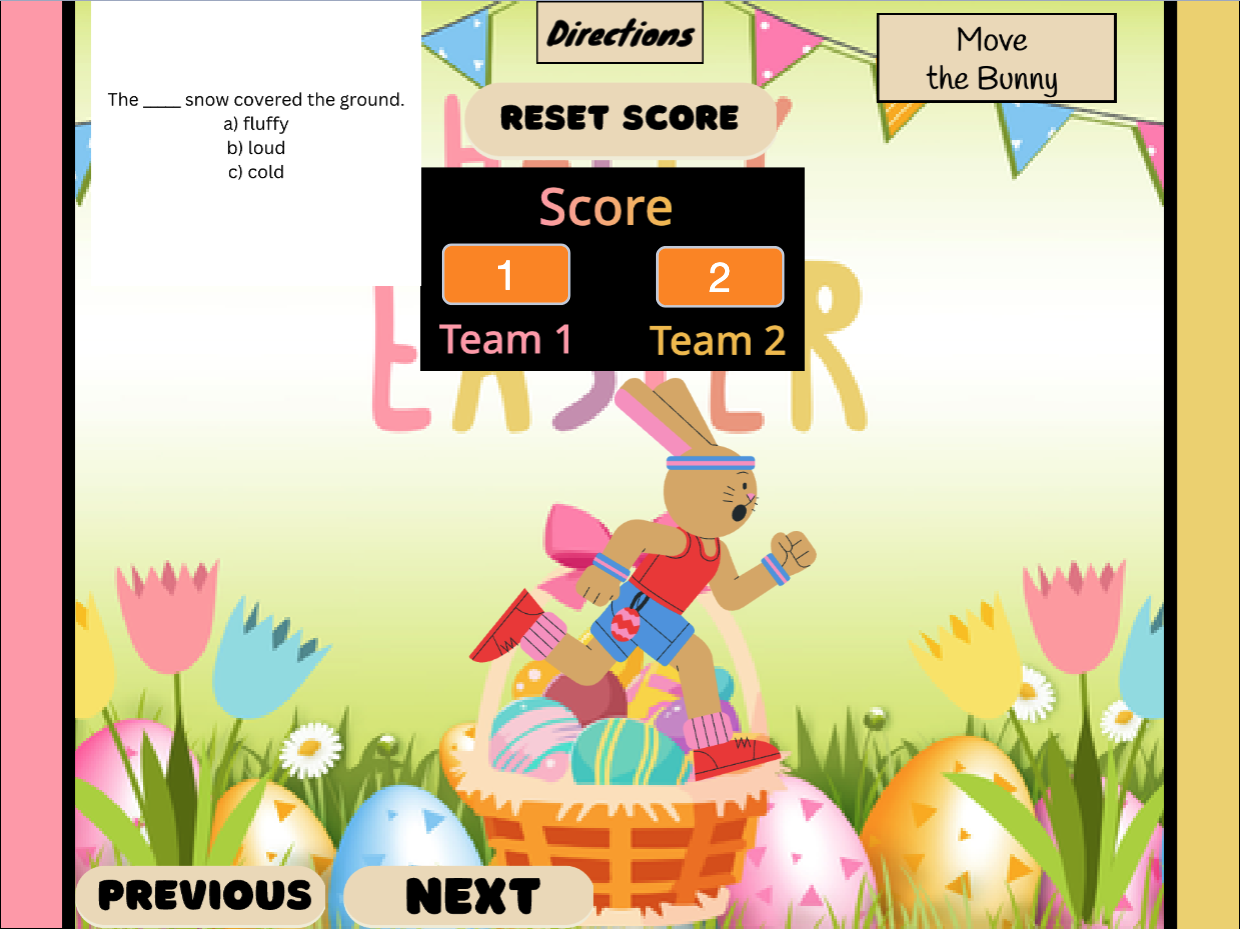
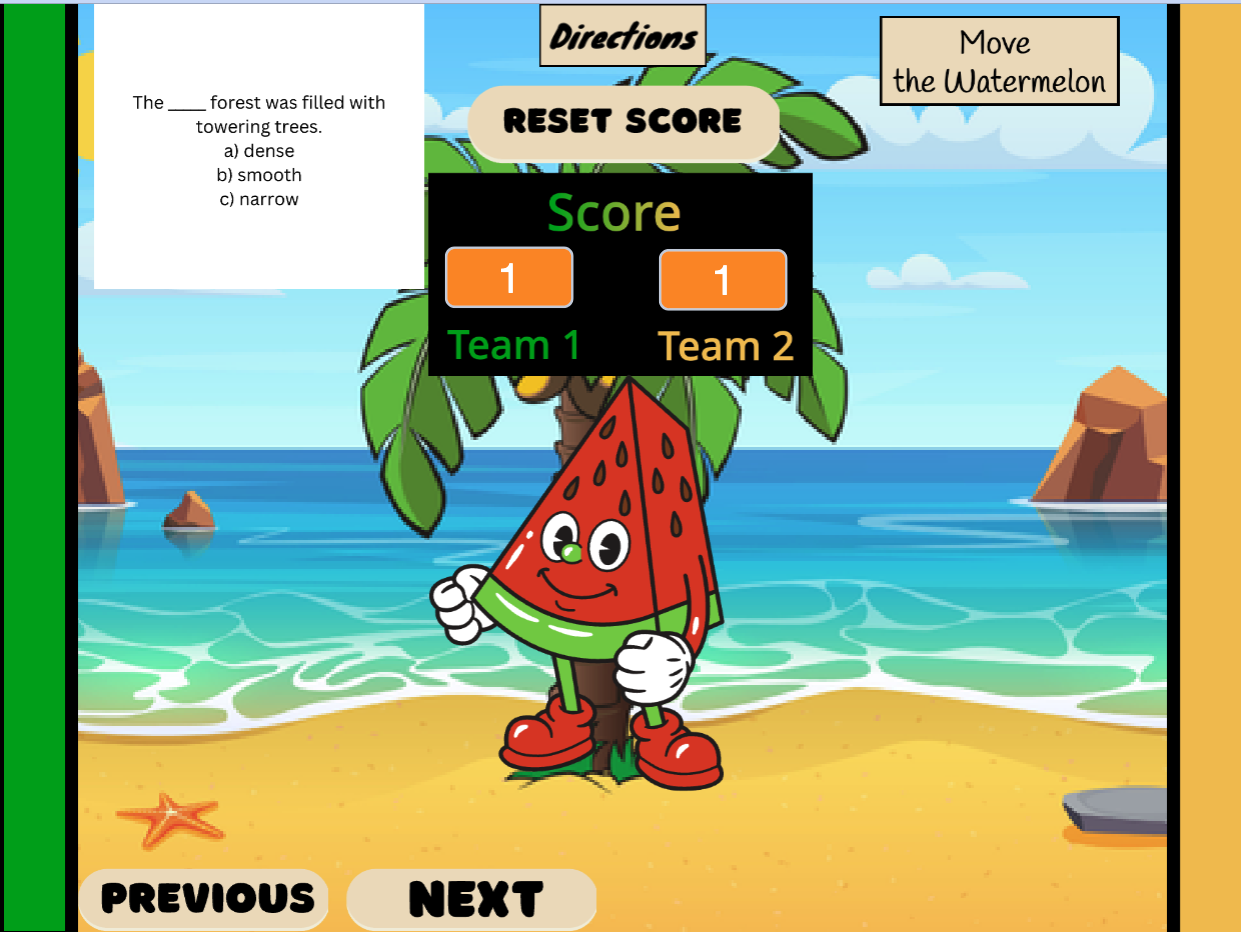
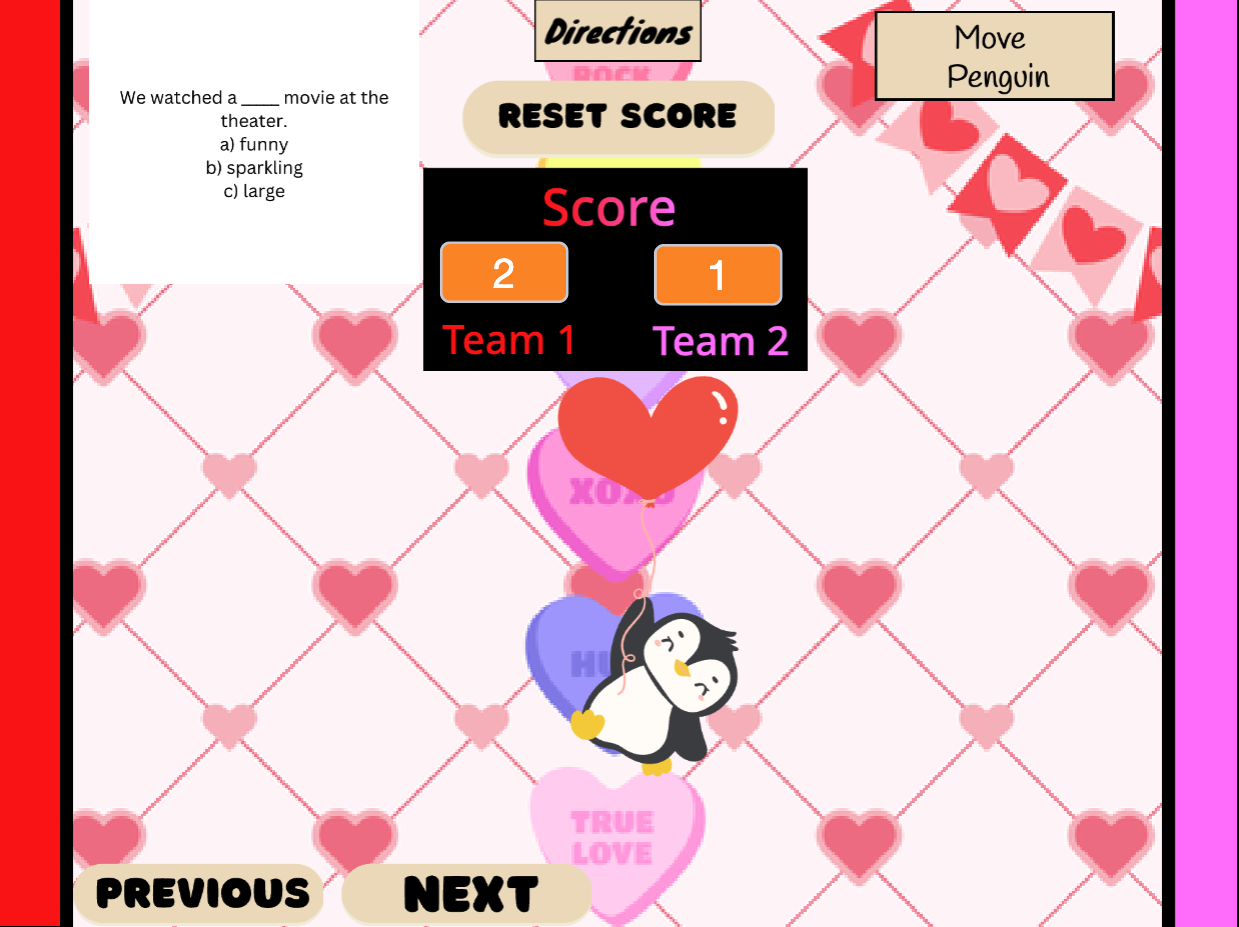
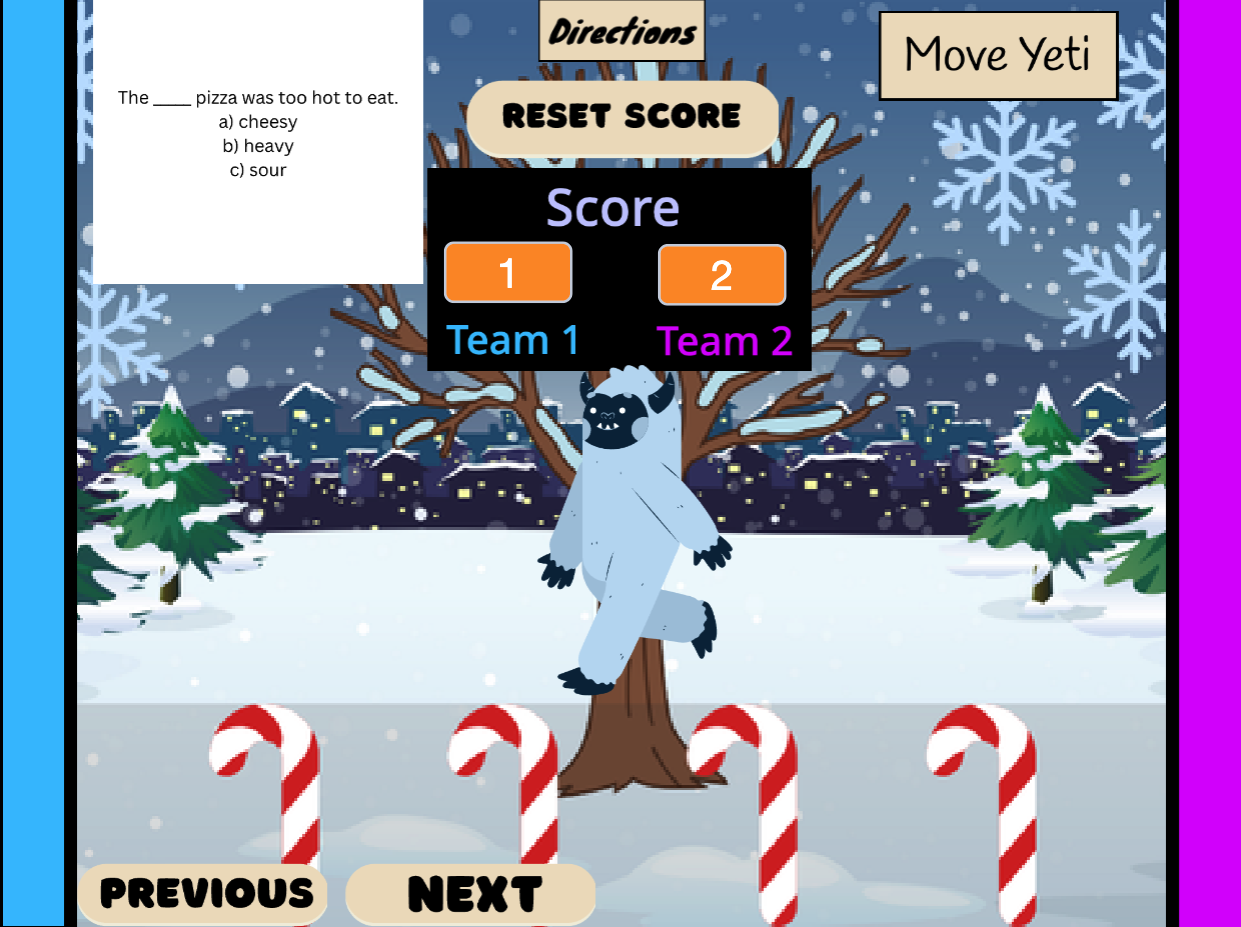
Does your child struggle to explain what they want or see? Descriptive language helps kids share their thoughts clearly. Words like “red,” “soft,” or “bumpy” add important details to speech.
Many children with language delays find describing difficult. They might just point or use vague words like “that thing” or “stuff.” This leads to confusion and frustration for everyone.
This guide shares practical ways to build descriptive skills. SLPs, teachers, and parents will find engaging activities to use in therapy sessions, classrooms, and at home.
What is Describing in Speech Therapy?
Describing means using words that explain how things look, feel, sound, smell, or taste. These words paint pictures with language. Good describing skills help people explain exactly what they mean.
In speech therapy, SLPs teach children to use different types of descriptive words:
- Size words (big, small, tiny, huge)
- Color words (red, blue, bright, dark)
- Shape words (round, square, flat, curved)
- Texture words (smooth, rough, soft, bumpy)
- Function words (for cutting, for eating, to write with)
Children learn to combine these details to create clear pictures with words. “I want the small, blue, round ball” tells everyone exactly which toy the child needs.
Why Descriptive Language Matters
Descriptive language helps children in many important ways. These skills impact both speaking and understanding.
It Builds Better Vocabulary
Children need descriptive words to express their ideas clearly. Without words like “hot,” “broken,” or “shiny,” they struggle to share what they see or need.
Learning describing words naturally expands vocabulary. One object can be “round,” “red,” “smooth,” and “bouncy.” Each new word adds to a child’s word bank.
Research shows that children with larger descriptive vocabularies learn new words faster. They make stronger connections between related terms.
It Improves Communication Clarity
Clear descriptions prevent confusion and frustration. “The blue cup with stars” works better than just “cup” when many cups are available.
Children who describe well get their needs met more easily. They can explain problems like “My shoe feels tight on the back part” instead of just crying or refusing to walk.
As skills grow, children can explain abstract concepts too. They move from describing objects to describing feelings, ideas, and experiences.
It Supports Academic Success
School tasks require good describing skills. Reading comprehension questions often ask “How did the character feel?” or “What did the setting look like?”
Writing improves dramatically with strong descriptive language. Compare “I saw a dog” to “I saw a small, fluffy, white dog with floppy ears.” The second sentence creates a clearer picture.
Science observations, math explanations, and social studies discussions all depend on precise descriptions. These skills transfer across all school subjects.
It Enhances Social Connections
Friends connect through shared experiences and stories. Children who describe well tell more engaging stories about their day or adventures.
Descriptive language helps children express emotions better. Instead of just saying “I’m mad,” they might say “I feel frustrated because my tower keeps falling over.”
These skills help during play too. A child who can describe game rules or pretend scenarios makes a more appealing play partner.
It Develops Thinking Skills
Describing requires careful observation and analysis. Children must notice details before they can describe them. This builds attention skills and awareness.
Comparing and contrasting objects builds critical thinking. Finding similarities and differences trains the brain to categorize and organize information.
Problem-solving improves with better description. A child who can explain exactly what’s wrong with a toy or project can often find better solutions.
Effective Strategies for Teaching Descriptive Language
1. Start with Concrete Objects
Begin with real items children can touch and explore. Toys, food, clothes, and everyday objects work well. These tangible items connect words to real experiences.
Let children handle objects while describing them. This multi-sensory approach helps words stick in memory. “This ball feels bumpy and rough” means more when actually touching the bumps.
Use familiar items before introducing new ones. Children describe best what they know well. Their favorite toys often inspire the most detailed descriptions.
2. Teach Description Categories
Focus on one type of description at a time. Start with colors before moving to shapes or textures. This prevents overwhelm and builds success.
Create word banks for each category. Make lists of size words, texture words, and function words. Display these where children can see them during activities.
Use pictures and examples to explain each category. Show how “bumpy,” “smooth,” and “rough” all describe how things feel. This helps children organize descriptive concepts.
3. Use Visual Supports
Picture cards help children remember descriptive words. Create cards showing objects with clear attributes like “spotty,” “striped,” or “shiny.”
Use visual charts that show opposite pairs: big/small, hot/cold, full/empty. These contrasts help children understand descriptive concepts.
Color-code different types of descriptive words. Green cards might show size words while blue cards show texture words. This visual system helps children categorize describing terms.
4. Model Rich Descriptions
Use detailed descriptions in your everyday speech. “I’m wearing my soft, blue sweater with silver buttons” shows how to combine multiple descriptors.
Emphasize descriptive words slightly when you speak. This helps these words stand out in your sentences.
Point out good descriptions in books and stories. “The author really helped us picture that forest by describing the tall, swaying trees and crunchy leaves.”
5. Provide Structured Support
Use sentence frames to guide descriptions. “This is a _____ (size) and _____ (color) ball that feels _____ (texture).” These frames help children organize their thoughts.
Ask specific questions that target different attributes. “What color is it?” “How does it feel?” “What shape do you see?” These prompts focus attention on different descriptive elements.
Start with two-word descriptions before building to longer ones. “Red ball” comes before “small, red, rubber ball.” This gradual approach builds confidence and success.
Fun Describing in Speech Therapy Activities
1. Mystery Bag Guessing Game
Place objects in an opaque bag. Children reach in without looking and describe what they feel. Others guess based on the description. This game focuses on texture, size, and shape vocabulary.
Start with very distinct objects like a spiky ball, a smooth block, and a soft stuffed animal. These clear differences make success easier.
Take turns being the descriptor and the guesser. This practices both giving and understanding descriptions.
2. “I Spy” With Descriptions
Play “I Spy” using detailed descriptions instead of just colors. “I spy something round that you bounce and has black and white patches” describes a soccer ball.
For younger children, keep descriptions simpler: “I spy something red and round.” Add more details as skills improve.
Let children take turns leading the game. This moves them from understanding descriptions to creating their own.
3. Describing Walk
Take a walk outside or around the room. Stop occasionally and describe what you see. Encourage children to add details to your descriptions.
Collect items during the walk to describe later. Leaves, rocks, or classroom objects make good subjects for practice.
Take photos during the walk to create a “description book” later. This extends the activity and creates a resource for future practice.
4. Comparison Cards
Create or buy cards with similar but different items (like two different dogs, houses, or trees). Children describe how the pictures are alike and different.
Start with obvious differences before moving to more subtle ones. A tiny chihuahua and large St. Bernard show clear size differences.
Keep score of how many differences children can describe. This adds motivation while building detailed observation skills.
5. Description Bingo
Create bingo cards with common objects or pictures. Instead of calling out the item name, describe it in detail. Children mark the item that matches your description.
Adjust description complexity based on children’s abilities. “Something red that you eat” works for beginners, while “A sweet, red fruit with a stem and seeds inside” challenges more advanced students.
Let children take turns being the caller. This practices both giving and understanding descriptions.
6. Picture Scene Description
Show a detailed picture scene. Ask children to describe specific elements. “Tell me about the girl in the red dress. What is she doing? How does she look?”
Use barrier games where one child describes a picture and another tries to draw it. This shows the importance of clear, detailed descriptions.
Compare the results to the original picture. Discuss which details helped and which might have been missing or confusing.
7. Five Senses Description Charts
Create a chart with sections for each sense: looks like, sounds like, feels like, smells like, tastes like (when appropriate). Fill in descriptions for various items.
Not all items need all senses. A rock might not have a smell or taste worth describing, and that’s okay. Focus on the most relevant senses for each item.
This organized approach helps children think beyond just visual descriptions. Many children forget to describe sounds, smells, or textures without this prompt.
8. Build-a-Monster Game
Describe a silly monster for children to draw. Include details about size, color, body parts, and texture. This shows how descriptions create mental images.
Compare the different drawings that result from your description. Discuss how adding more details might have made the pictures more similar.
Let children take turns describing their own monsters for others to draw. This reverses roles and practices giving clear descriptions.
9. Function Description Challenge
Show various objects and focus on describing what they do instead of how they look. “This is something you use to cut paper” describes scissors.
Create cards with different functions written on them. Children must find or name objects that match that function.
This activity highlights the importance of action and purpose in descriptions, not just physical attributes.
10. Emotion Description Practice
Show pictures of people expressing different emotions. Help children describe both the physical signs (smiling, frowning) and the internal feelings (happy, sad, nervous).
Create an emotions vocabulary chart with words beyond the basics. Include terms like “frustrated,” “excited,” “disappointed,” and “proud.”
Role-play different emotions and have children describe what they see. This builds emotional vocabulary and awareness.
11. Descriptive Storytelling
Start a story with a basic sentence: “The girl went to the park.” Ask children to add descriptive details: “The tall girl with curly hair went to the sunny park with green slides.”
Add one detail at a time, building the description gradually. This makes the task manageable and shows how descriptions enhance stories.
Record the stories and play them back. Children often notice missing details when they hear stories rather than just tell them.
12. Commercial Break
Pretend to sell an ordinary object using detailed descriptions. “This amazing, super-soft, fluffy blanket will keep you warm all night long!” Make it silly and fun.
Record these “commercials” when possible. Children enjoy watching themselves and often notice ways to improve their descriptions.
This activity shows how descriptions can persuade and inform others. It connects descriptive language to real-world applications.
Activities for Different Age Groups
Preschool (Ages 3-5)
Young children need simple, concrete activities:
- Focus on basic attributes like color, size, and simple textures
- Use real objects they can hold and explore
- Keep descriptions to 2-3 features at most
- Include lots of movement and sensory exploration
- Use picture support consistently
Try “Simon Says” with descriptions: “Simon says touch something smooth” or “Simon says find something red.”
Early Elementary (Ages 6-8)
School-age children can handle more details:
- Add shape, pattern, and function descriptions
- Begin comparing and contrasting similar items
- Use categories to organize descriptive words
- Connect to writing simple descriptive sentences
- Play more structured games with rules
Create personal dictionaries where children add new descriptive words they learn. Illustrate each word to reinforce meaning.
Older Elementary and Beyond (Ages 9+)
Older students benefit from more abstract descriptions:
- Work on describing emotions and experiences
- Use figurative language like similes and metaphors
- Connect descriptions to curriculum content
- Develop more precise vocabulary within categories
- Work on written descriptions alongside verbal ones
Create descriptive writing assignments connected to content areas. “Describe the water cycle” or “Describe the main character in the story” builds academic language.
Progress Tracking for Descriptive Skills
Watch for these signs of improvement:
- Using more specific nouns instead of “thing” or “stuff”
- Adding adjectives spontaneously during conversation
- Describing objects using multiple features
- Organizing descriptions in a logical way
- Using comparing and contrasting in descriptions
Keep a list of descriptive words the child uses correctly. Note which types they use most and which need more practice.
Describing in Speech Therapy FAQ
At what age should children start using descriptive language?
Most typically developing children begin using simple descriptive words like big/little and color names between ages 2-3. By age 4, many children use basic adjectives regularly in speech. More complex descriptions develop throughout elementary school. If your child uses few or no descriptive words by age 4, consulting with an SLP may be helpful.
Which descriptive words should we teach first?
Start with:
- Size words (big, little, small, tall) – these are concrete and easy to demonstrate
- Color words – highly visual and commonly used in early childhood
- Simple texture words (soft, hard, smooth) – these provide sensory experiences
- Basic shape words (round, square) – these appear in early education
- Function words (for eating, for writing) – these connect to everyday activities
Follow your child’s interests and daily experiences. A child fascinated by animals might learn descriptive words about animals first.
My child uses only basic descriptions like “big” and “little.” How can I expand their vocabulary?
Try these strategies:
- Model slightly more advanced words: if they say “big house,” you might say “enormous house” or “gigantic house”
- Introduce word pairs: tiny/enormous, freezing/boiling, rough/smooth
- Create category word walls or charts: make a “texture words” poster with examples
- Play “upgrade my word” games: challenge them to replace simple words with more interesting ones
- Read books with rich descriptions and discuss the author’s word choices
Focus on just 2-3 new descriptive words weekly, using them consistently in natural conversations.
Should I correct my child when they use weak descriptions?
Instead of direct correction, try recasting with better descriptions. If they say “I want that thing,” respond with “Oh, you want the striped blue ball.” This provides the model without making them feel wrong. Another approach is to ask for more details: “Which thing? Can you tell me more about it?” This prompts them to practice descriptive language without criticism.
How can I practice descriptive language at home without formal activities?
Daily routines offer many natural opportunities:
- Mealtime: Talk about food textures, colors, shapes, and tastes
- Getting dressed: Describe clothing by color, pattern, and texture
- Bath time: Discuss how soap feels, water temperature, toy properties
- Shopping: Describe what you’re looking for before finding it
- Outdoor walks: Take turns describing things you see, hear, or feel
Just 5-10 minutes of focused description practice during these activities can significantly improve skills over time.
My child can describe objects well but struggles with describing people and emotions. How can I help?
This is common because emotions and personal descriptions are more abstract. Try these approaches:
- Use emotion cards with clear facial expressions to start
- Look through family photos and describe how people look and might feel
- Watch short video clips with sound off and describe characters’ emotions
- Create an emotions vocabulary chart with words beyond happy/sad/mad
- Play charades with emotion words
- Read books with characters showing various feelings and discuss how the author describes them
Start with obvious emotions before moving to more subtle ones. Connect physical signs (smiling, frowning) to internal feelings.
Descriptive language transforms basic communication into rich, detailed expression. These skills help children explain their needs, share experiences, and connect with others. With regular practice using the activities in this article, children can master the art of description.
Start with concrete objects and simple descriptors before moving to more abstract concepts. Use visual supports, clear examples, and engaging games to make learning fun. Celebrate small wins as children add more details to their speech.
Remember that building descriptive language takes time and many repetitions. Each new descriptive word a child masters opens new possibilities for clearer communication and stronger connections.