Free Activities to Help Your Child Master WH Questions
Discover effective strategies to help your child understand and use who, what, when, where, and why questions. These practical activities build essential communication skills for school success and daily conversations.
Why WH Questions Matter for Your Child’s Development
Is your child struggling with questions like “Where did you go?” or “Why do you like that?” WH questions form the building blocks of conversation and learning. Many children find these seemingly simple questions challenging.
Children need WH questions to participate in classroom discussions, show what they know, and gather information. These questions help them make sense of their world. Without this skill, children may struggle in school and social situations.
Understanding these questions follows a predictable pattern. Children typically master “what” questions first, followed by “who” and “where.” The more complex “when” and “why” questions develop later, with “why” being the most difficult.
The Developmental Sequence of WH Questions
Children learn different types of WH questions at various stages. Knowing this sequence helps you support your child’s progress through each level. Here’s how WH questions typically develop:
What – These questions identify objects, actions, or characteristics. They’re usually the first type children understand and answer.
Who – These questions identify people and come next in the developmental sequence. Children learn to recognize and name important people.
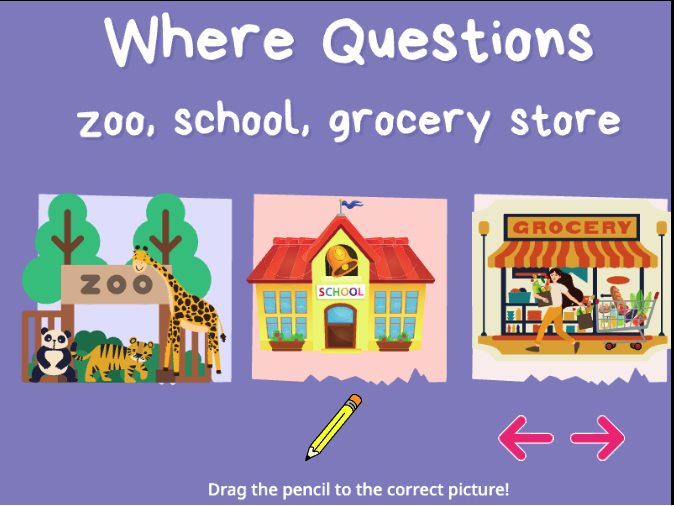
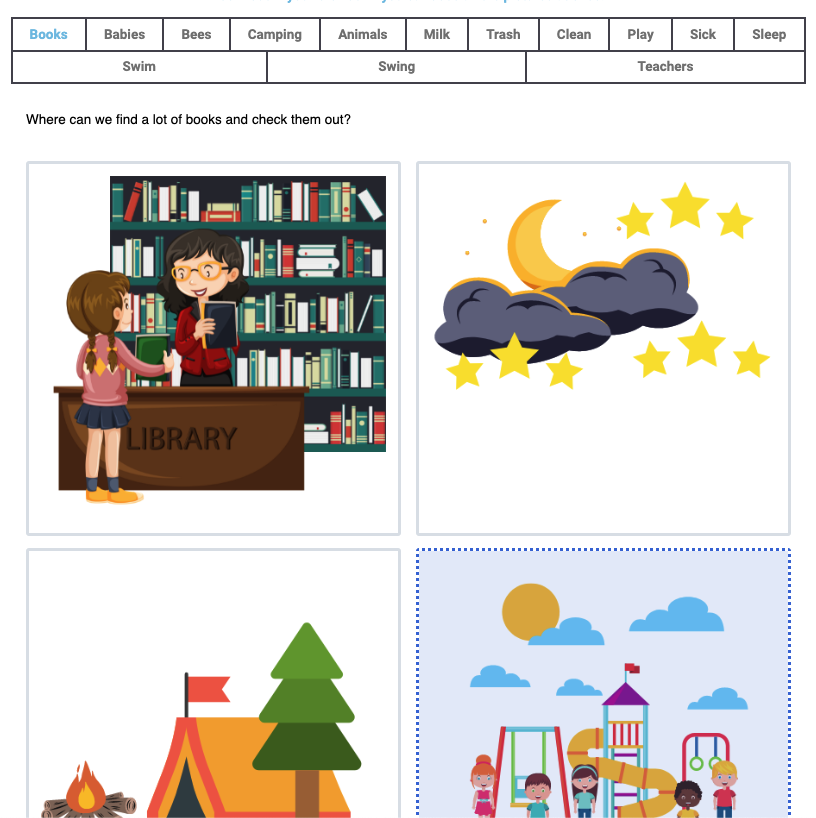
Where – Location questions typically develop after “what” and “who.” Children begin understanding concepts of place and position.
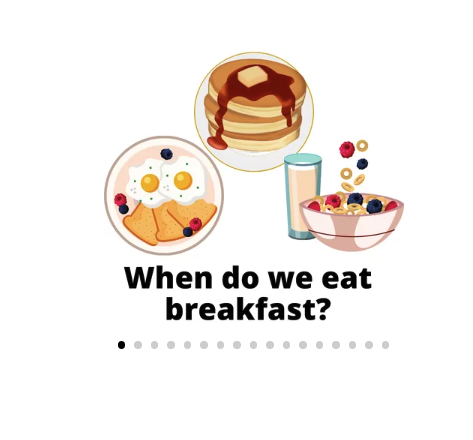
When – Time-based questions are more abstract and develop later. They require understanding concepts like before, after, and specific times.
Why – These cause-and-effect questions are the most challenging. They require reasoning skills and develop last in the sequence.
Each child moves through these stages at their own pace. Focus on mastering one question type before moving to the next level of difficulty.
Visual Strategies That Help Children Understand WH Questions
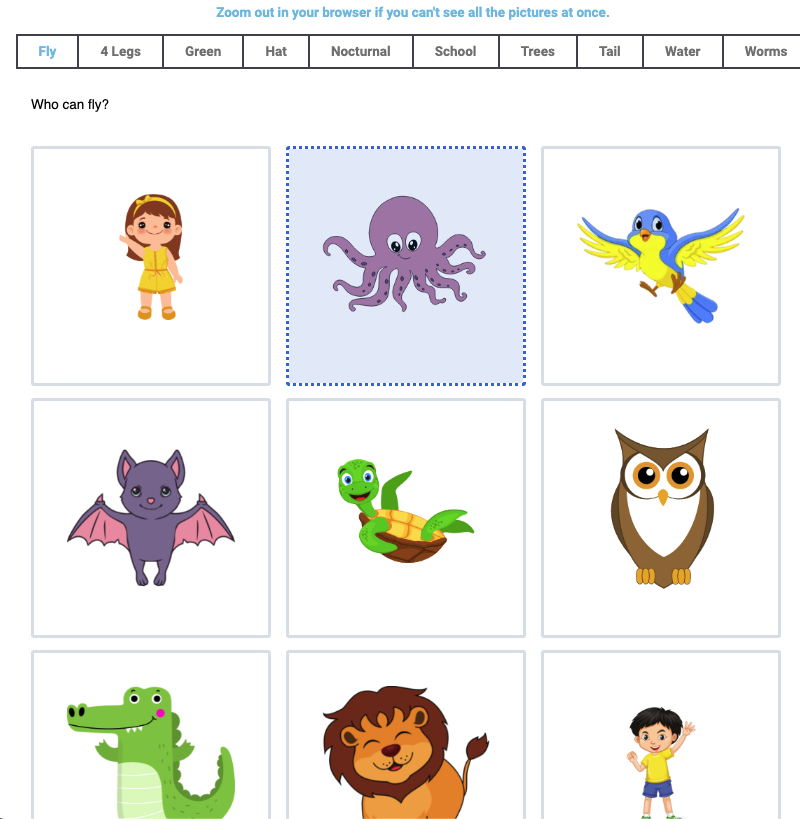
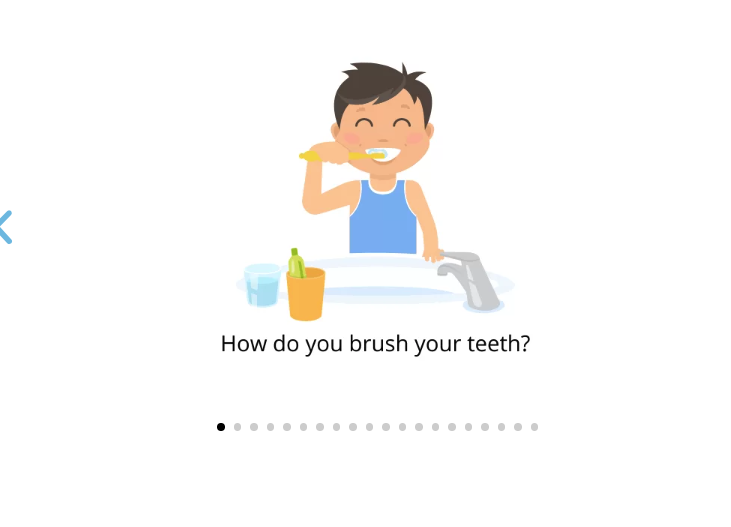
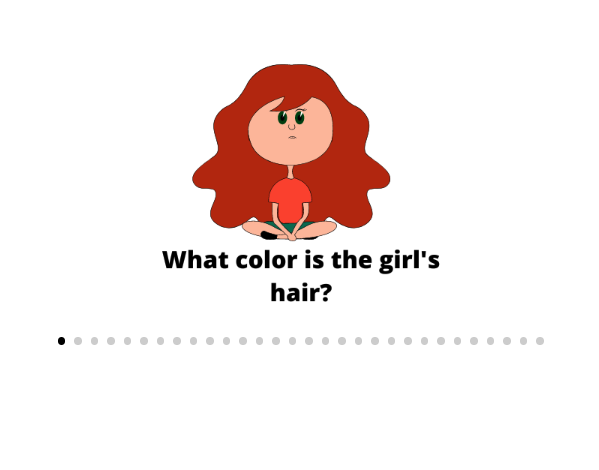
Visual cues provide powerful support for children learning WH questions. These concrete references help bridge the gap between hearing a question and understanding what it’s asking. Try these visual strategies with your child.
Show pictures or objects that relate to the questions you ask. For example, show a picture of a ring while asking, “What do you wear on your finger?” This visual prompt helps your child connect the question with the answer.
Sometimes children need more direct help at first. You might need to provide the answer and then ask the question again. With consistent practice, they’ll begin answering independently.
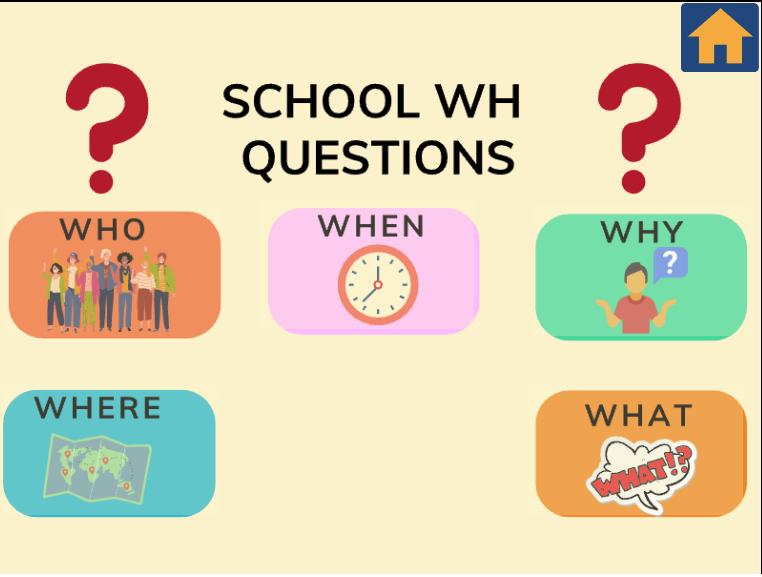
Create visual reminder cards with symbols for each question type. A question mark with “who” might show a person, “where” might show a house, and “what” might show an object. These visual cues remind children what information the question seeks.
6 Everyday Activities to Practice WH Questions
1. Storybook Questions
Reading picture books offers perfect opportunities for WH question practice. Choose simple stories with clear illustrations to support understanding. Books with familiar routines work especially well for beginners.
Ask questions while reading: “Who is this character? What is she doing? Where is she going?” Point to pictures that contain the answers. This helps your child connect the question word with the type of information needed.
Gradually increase question difficulty as your child masters each type. Start with simple “what” questions before moving to “who” and “where.” Save the more challenging “when” and “why” questions for later.
2. Create Personal Question Books
Make simple books about your child’s experiences using photos or drawings. Create titles like “Our Trip to the Zoo” or “My Birthday Party.” These personal topics engage children while practicing questions.
Include one question type per page: “Who came to your party? What presents did you get? Where was your party? When did you open presents? Why did we celebrate?” Help your child answer each question and record their responses.
Review these books regularly to reinforce question concepts. The personal connection makes learning more meaningful and motivating for your child. Create new books for holidays, family outings, and other special events.
3. Daily Recap Questions
Turn everyday conversations into WH question practice. Ask about your child’s day using different question types. This natural approach builds skills through regular conversations.
Try questions like: “Who did you play with today? What did you eat for lunch? Where did you go for recess? When did you have art class? Why did you bring this paper home?” These real-life questions have meaningful context.
Start with just one or two questions daily and gradually increase the number. Keep the conversation positive and supportive. Praise all attempts at answering, even if responses aren’t perfect.
4. WH Question Sorting Activities
Create a simple chart with columns for different WH questions. Cut out pictures from magazines or print images that match each question type. This hands-on activity helps children categorize information.
Show your child a picture and help them decide which column it belongs in. A picture of a person goes in the “who” column, food in the “what” column, and places in the “where” column. This visual sorting reinforces each question’s purpose.
Gradually add more abstract categories for “when” (clock, calendar) and “why” (cause-effect pictures). Make the activity interactive and fun rather than drilling questions. Celebrate correct placements with specific praise.
5. Reading Comprehension Question Practice
Improve your child’s understanding of stories by asking WH questions during and after reading. This strategy builds both question skills and reading comprehension simultaneously. It teaches children to think actively while reading.
Pause during stories to ask: “What happened to the character? Who helped him? Where did they go next?” These questions check understanding and keep your child engaged with the story. They also model the types of questions good readers ask themselves.
Encourage your child to create their own WH questions about the story. This moves them from just answering questions to generating them. This skill transfer shows deeper understanding of question concepts.
6. Question Flip Cards
Create a question-asking game using picture cards. Show your child an image and say, “Ask me a question about this picture.” This activity switches roles and helps children practice forming questions.
For a picture of shoes, your child might ask: “What do you wear on your feet? Why do you need shoes? Where do you buy shoes?” This practice helps children generate different question types about the same topic.
Start with simple pictures that easily connect to questions. As skills improve, use more complex images that require more thought. Praise creative questions and model additional examples when needed.
WH Question Activities by Age Group
Toddlers and Preschoolers (Ages 2-4)
- Focus primarily on “what” and “who” questions
- Use real objects and clear pictures
- Keep questions concrete and related to immediate environment
- Accept one-word or short phrase answers
- Provide visual supports for all questions
Early Elementary (Ages 5-7)
- Add “where” and simple “when” questions
- Begin introducing basic “why” questions
- Use picture sequences for time-based questions
- Expect more complete sentence answers
- Begin fading some visual supports as skills develop
Older Elementary (Ages 8-10)
- Focus on mastering “why” and complex “when” questions
- Practice questions about abstract concepts
- Use questions requiring inference and prediction
- Expect detailed answers with explanations
- Help children generate their own complex questions
Strategies for Children Who Struggle with WH Questions
Some children need extra support to master WH questions. If your child finds these questions particularly challenging, try these specialized approaches. Each addresses different aspects of question comprehension.
Use color coding to distinguish question types. Assign a specific color to each WH word (e.g., “who” is blue, “what” is red). Use colored cards or highlight the question words in their color when written. This visual distinction helps children identify the question type.
Break down complex questions into smaller parts. For example, instead of asking “Why did the boy run home?”, first ask “What did the boy do?” and then “Why did he do that?” This step-by-step approach builds toward understanding complex questions.
Consider consulting a speech-language pathologist if your child continues to struggle. Some children need specialized intervention to develop this important skill. Early help prevents larger communication gaps from developing.
WH Questions and Reading Development
Strong WH question skills support reading comprehension. Children who understand these questions can better process what they read. These question forms appear throughout school curriculum and testing.
When reading with your child, model asking yourself questions: “Hmm, I wonder where they’re going next? What will happen when they get there?” This thinking aloud shows how good readers constantly ask questions while reading.
Help your child look for question words in their reading materials. Point out how the words signal what information to look for. This awareness transfers to better understanding of both spoken and written questions.
FAQs About WH Questions Development
At what age should children understand different types of WH questions?
Most children understand simple “what” questions by age 2, “who” and “where” by age 3, and begin understanding “when” questions around age 4. The most complex “why” questions typically develop between ages 4-5. However, children develop at different rates, and some may need more time and practice to master certain question types.
How can I tell if my child’s WH question skills are developing normally?
Watch how your child responds to different question types in everyday conversations. They should understand and answer simple “what” and “who” questions by age 3. By school age (5-6), they should manage most question types, though “why” questions may still be challenging. If your child consistently struggles with questions appropriate for their age, consult with a speech-language pathologist.
My child answers a different question than the one I asked. What should I do?
This common issue often happens when children don’t understand the specific WH word used. For example, if you ask “Where did you put your toy?” and they answer “I put my car,” they’re responding to a “what” question instead. Try using visual cues to highlight the question type, or emphasize the question word when speaking. Gently redirect with “I asked WHERE you put it – in what place?”
Should I correct my child when they answer WH questions incorrectly?
Instead of directly correcting, try modeling the correct response. If your child answers incorrectly, say “Oh, when I ask ‘where is the ball?’ I’m asking about the place. The ball is UNDER the table.” This approach teaches without discouraging attempts. Always acknowledge their effort before providing the correct information.
How can I help my child who struggles specifically with “why” questions?
“Why” questions require understanding cause and effect relationships. Start with very obvious cause-effect scenarios like “Why do we wear coats?” (because it’s cold). Use pictures showing cause and effect. Explain your own thinking: “I’m wearing a coat because it’s snowing outside and I want to stay warm.” Gradually move to less obvious examples as your child’s understanding improves.
Can technology help my child practice WH questions?
Yes, many apps and online programs target WH question skills. Look for interactive stories that ask questions, or apps specifically designed for WH question practice. However, technology works best as a supplement to real-life conversation practice. Balance screen-based practice with everyday conversations and book reading for the best results.
Your child’s ability to understand and use WH questions creates a foundation for school success and effective communication. These seemingly simple questions open doors to learning and social connection. With consistent practice using the strategies in this article, most children make steady progress.
Remember to follow the developmental sequence, starting with “what” questions before moving to more complex types. Use visual supports freely at first, gradually reducing them as your child’s skills improve. Celebrate small successes along the way.
The time you invest in developing these crucial language skills pays dividends throughout your child’s educational journey. By making question practice a natural part of your daily routines, you build communication skills that last a lifetime.