



Articulation / Phonological Process Virtual Games, Materials, & Activities

All
Sounds (Articulation)
Phonological Processes

Language Virtual Games, Materials, & Activities

Sh (11)
Adjectives Virtual Games & Materials
Sh (7)
Adverbs Virtual Games & Materials
Sh (5)
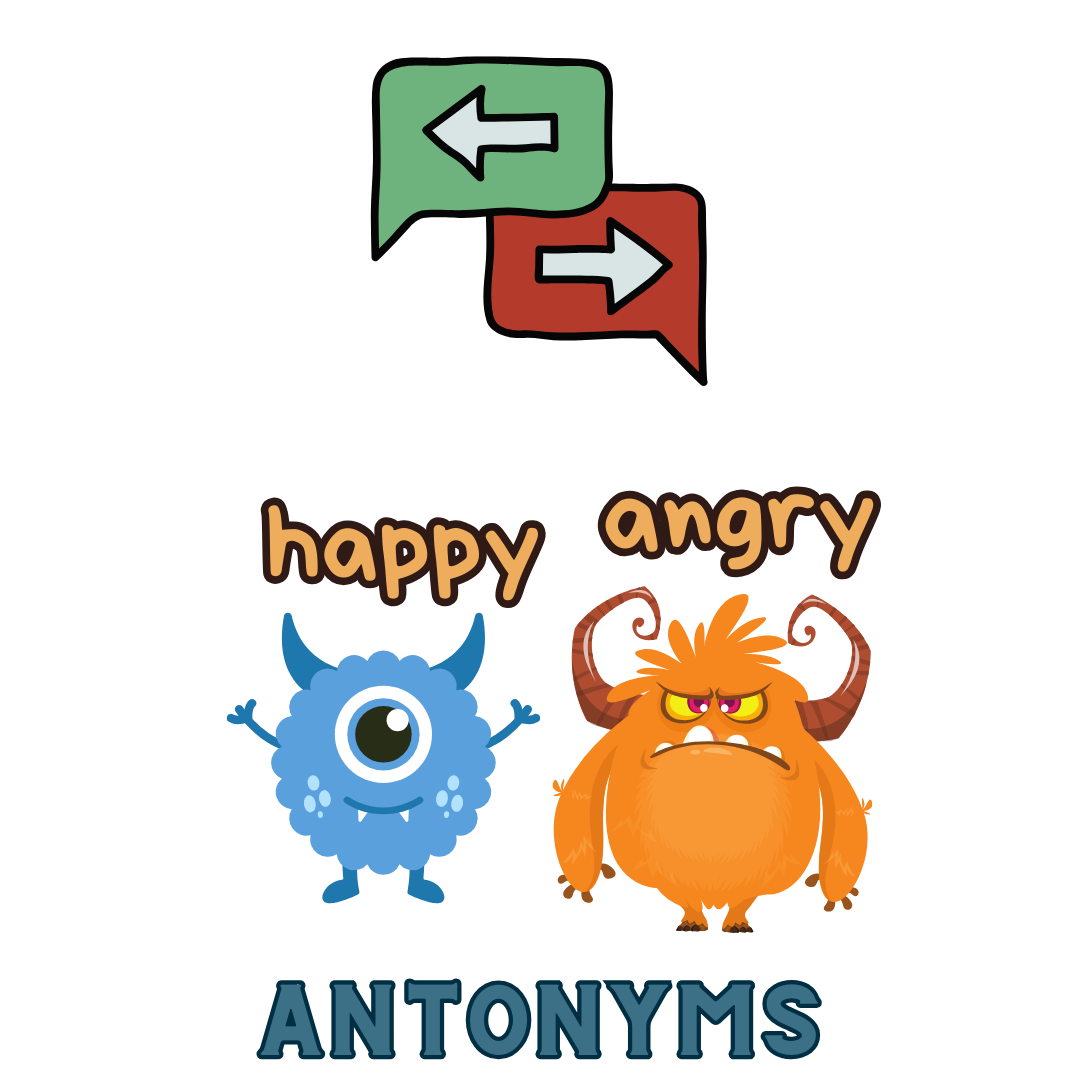
Antonyms Virtual Games & Materials
Sh (29)
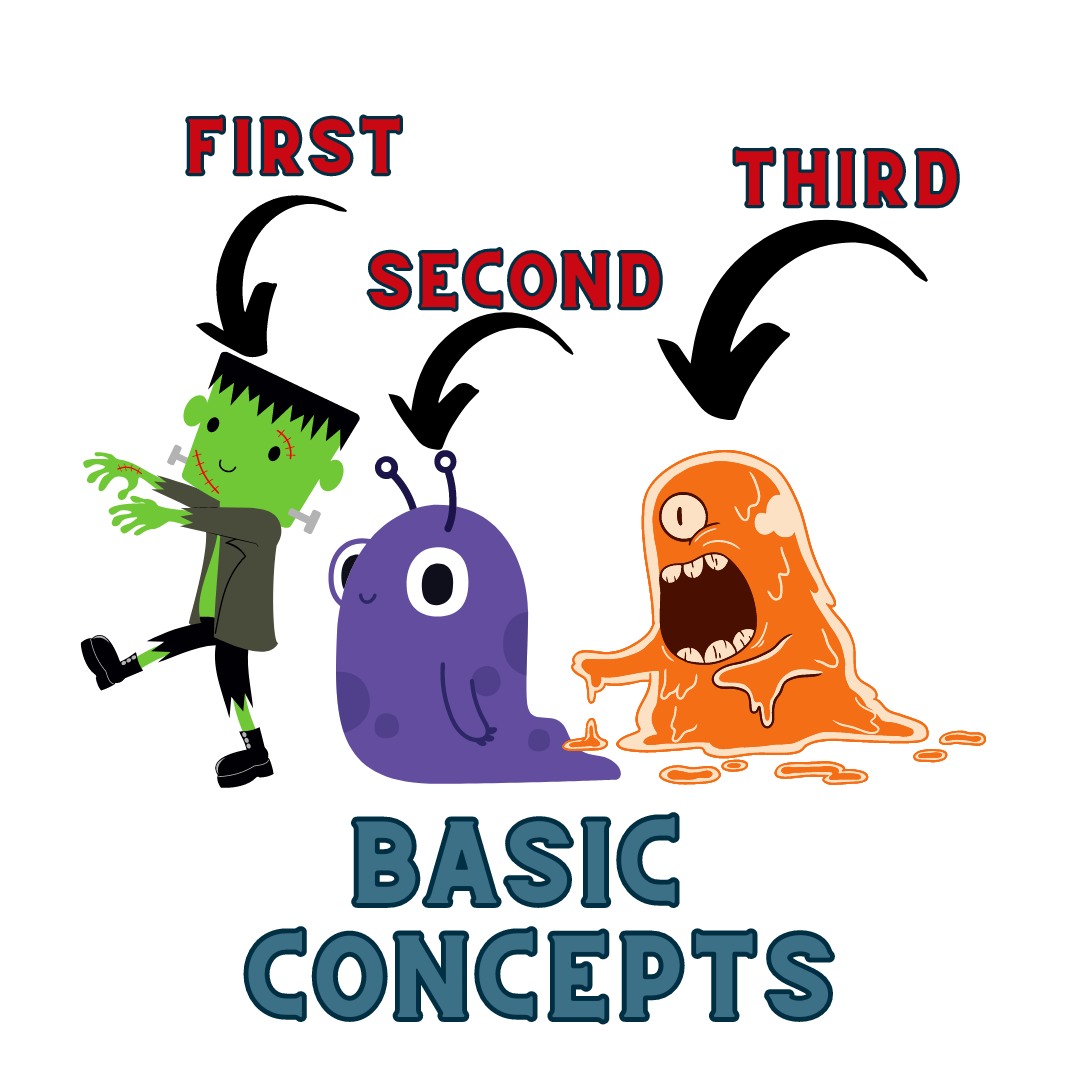
Basic Concepts Virtual Games & Materials

Book Companions
Book Companions Virtual Games & Materials
33
Categories Virtual Games & Materials
34
Compare and Contrast Virtual Games & Materials
35
Common Nouns Virtual Games & Materials
Sh (13)
Conjunctions Virtual Games & Materials
Sh (27)
Context Clues Virtual Games & Materials
Sh (31)
Contractions Virtual Games & Materials
39
Directions Virtual Games & Materials
40
Describing Virtual Games & Materials
41
Does Not Belong Virtual Games & Materials
42
Emotions Virtual Games & Materials
43
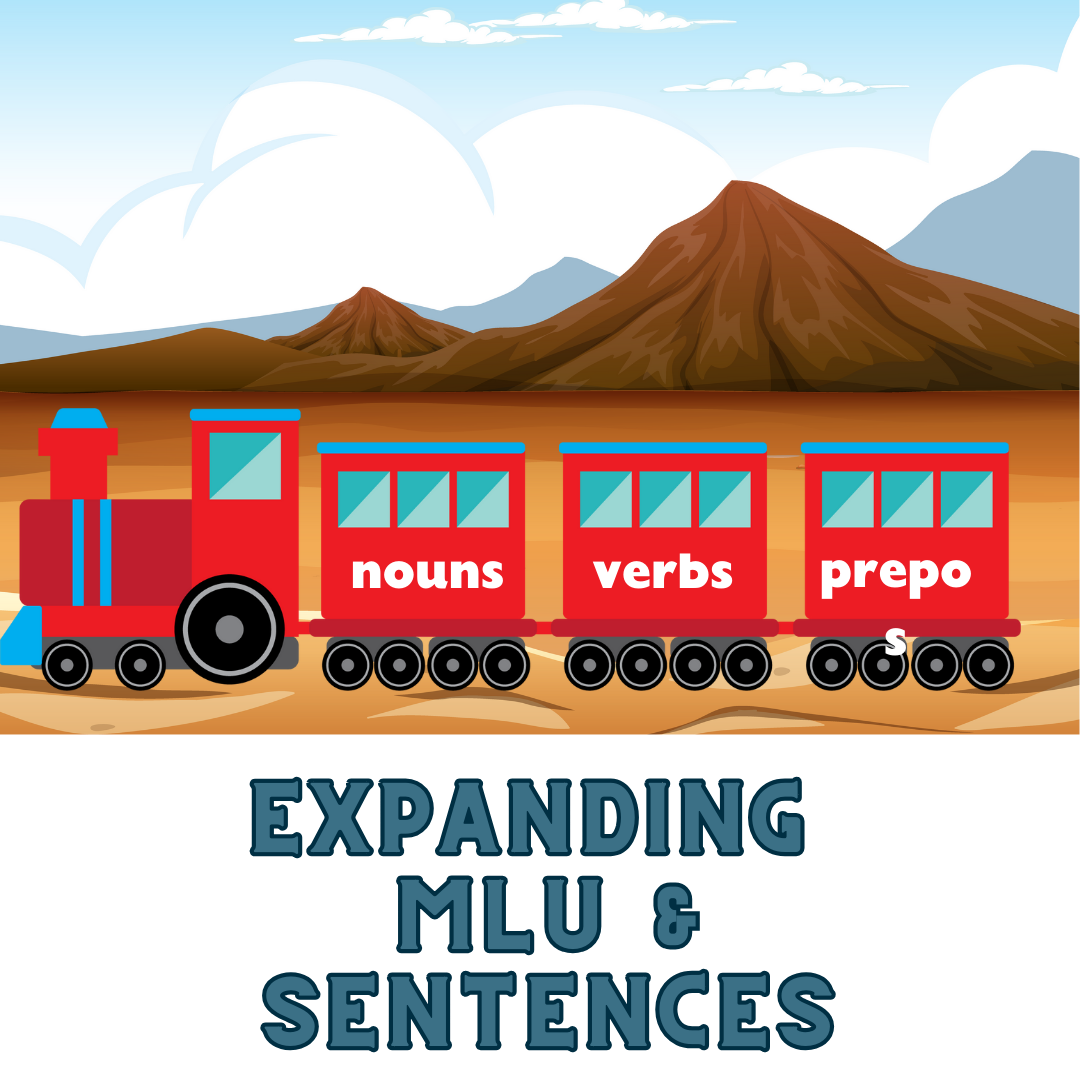
Expanding MLU / Sentences Virtual Games & Materials
48
Figurative Language Virtual Games & Materials
44
Future Tense Virtual Games & Materials
33
Functions Virtual Games & Materials
46
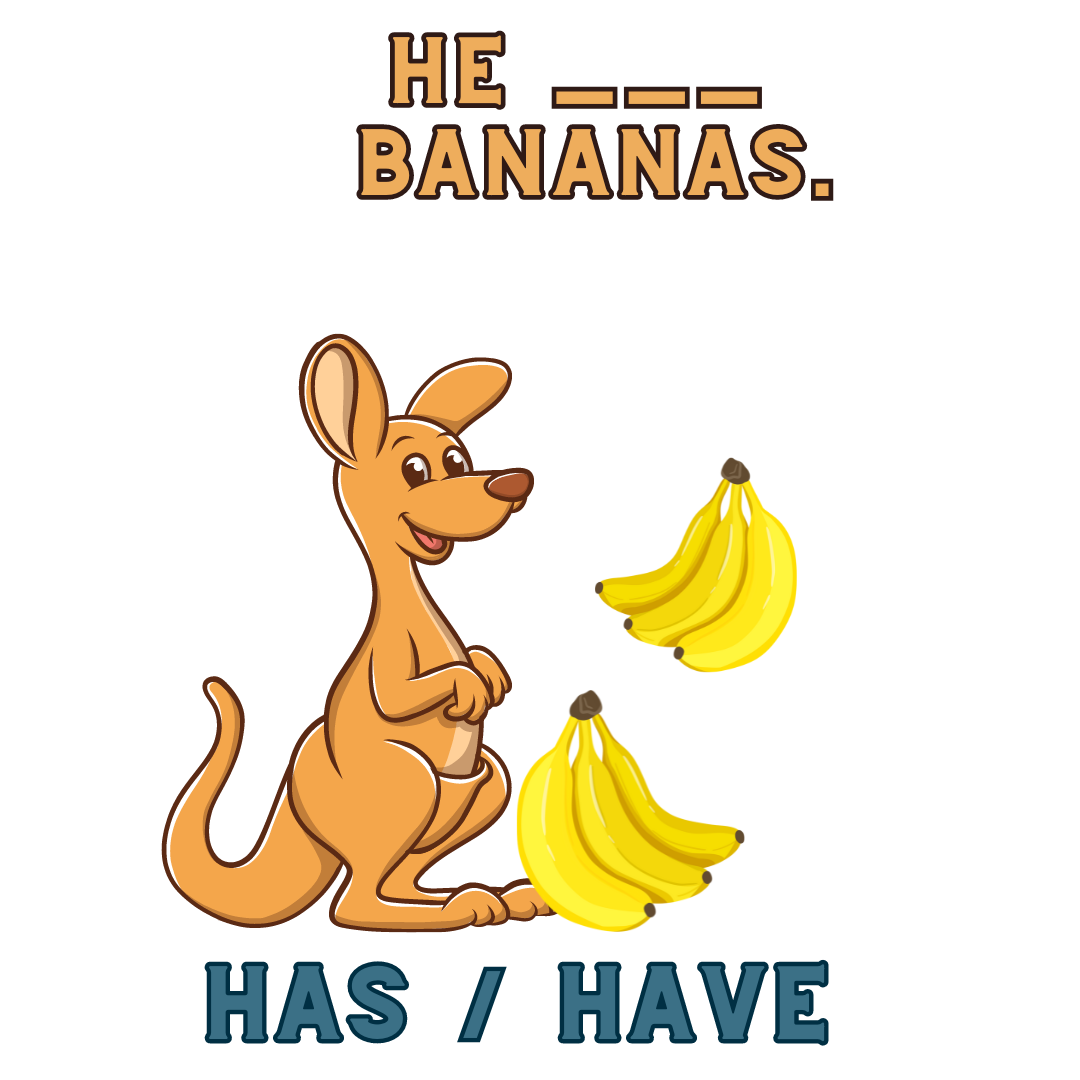
Has / Have Virtual Games & Materials
Sh (32)
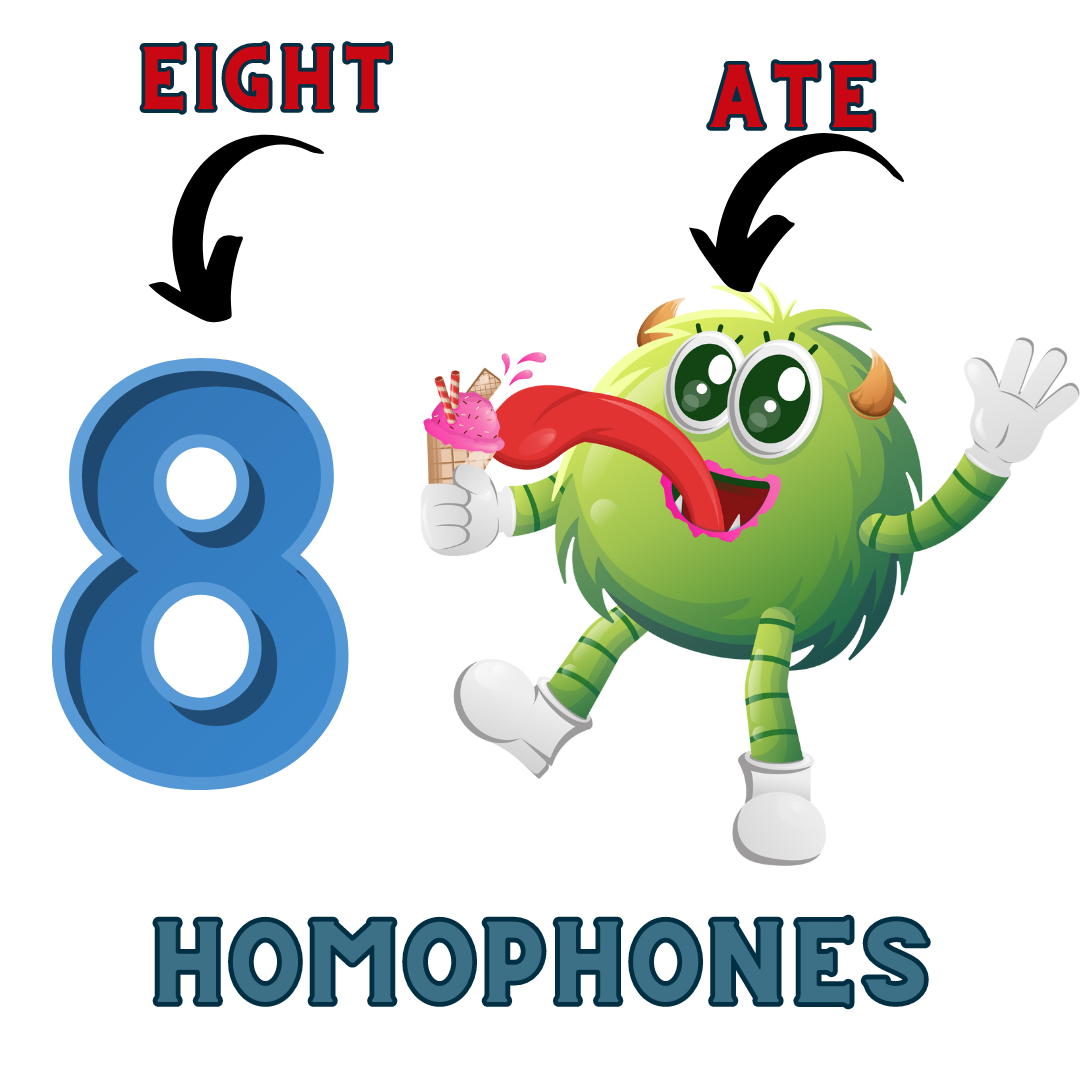
Homophones Virtual Games & Materials
49
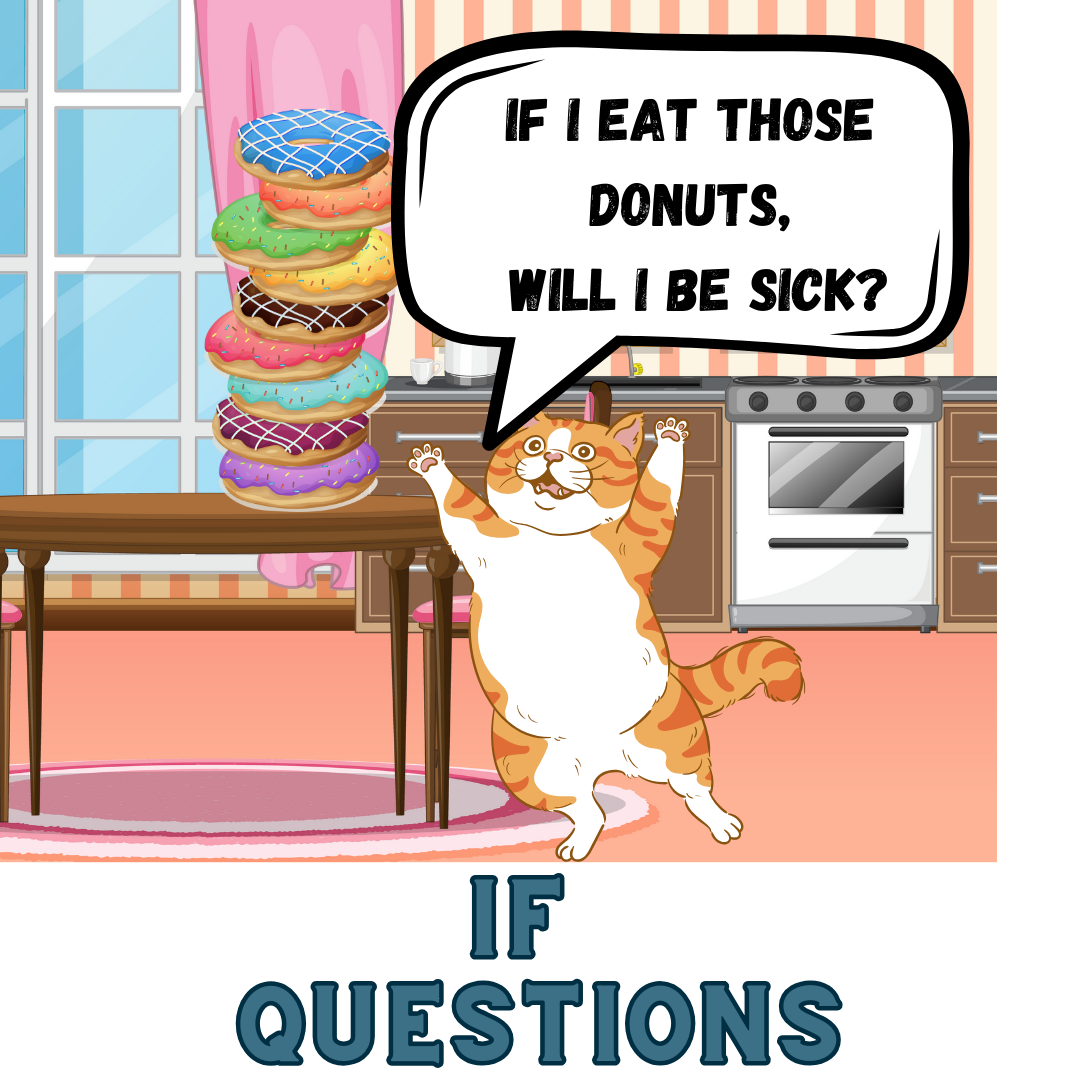
If Questions Virtual Games & Materials
Sh (26)
Inferencing Virtual Games & Materials
77
Irregular Past Tense Virtual Games & Materials
51
Is / Are Virtual Games & Materials
52
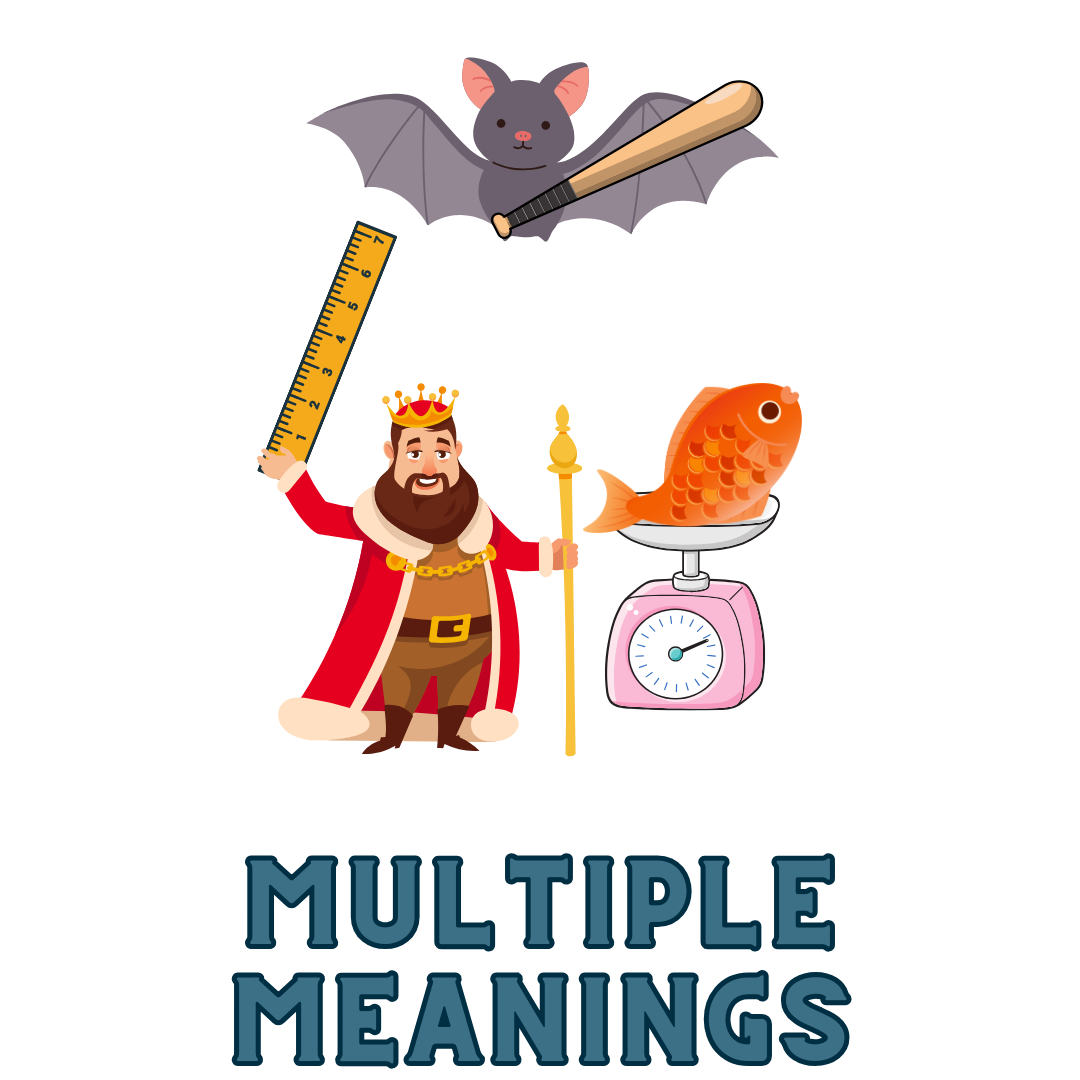
Multiple Meaning Virtual Games & Materials
53
Negation Virtual Games & Materials
54
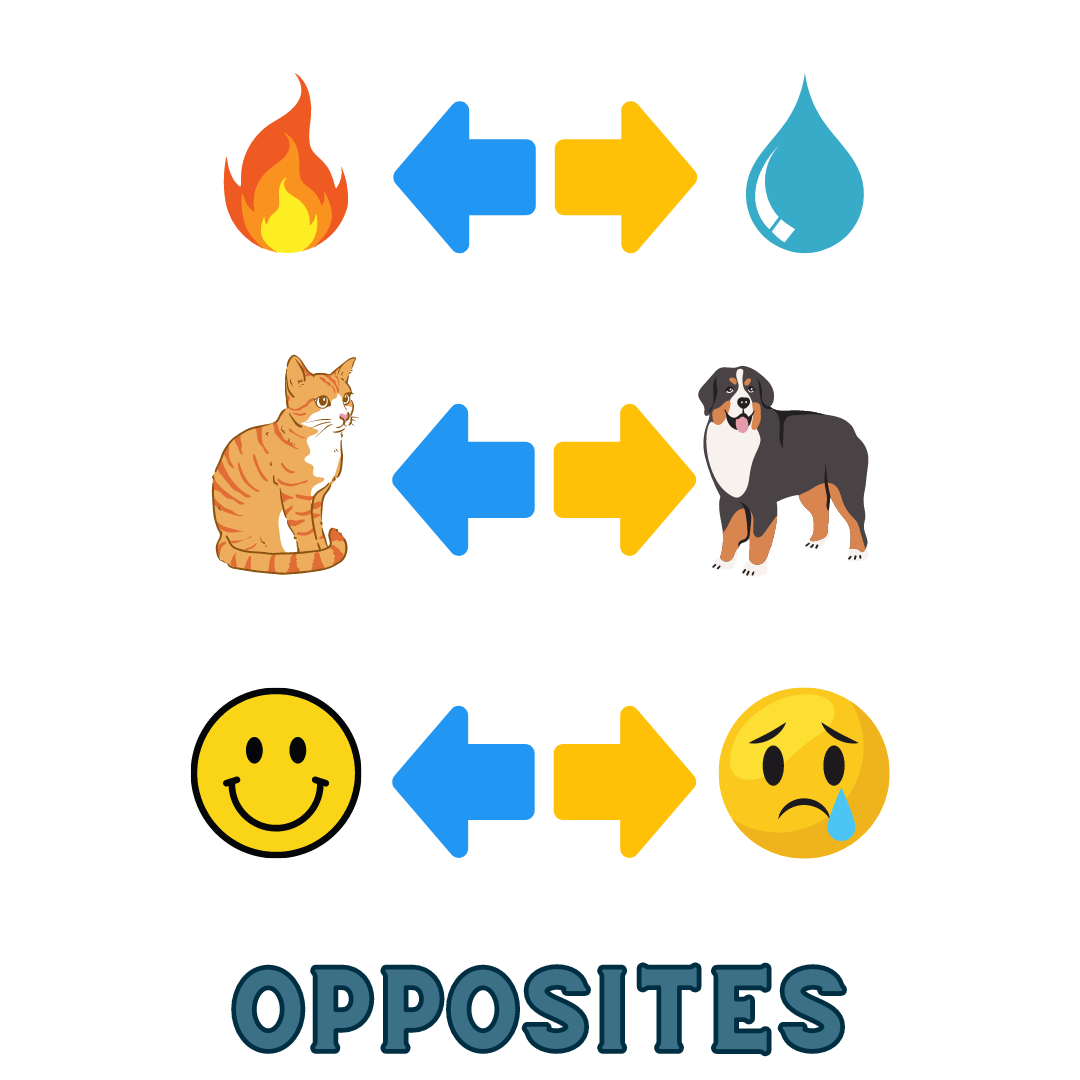
Opposites Virtual Games & Materials
58
Personal Opinion Virtual Games & Materials
55
Phonological Awareness Virtual Games & Materials
59
Plurals Virtual Games & Materials
62
Possessive Pronouns Virtual Games & Materials
60
Prepositions Virtual Games & Materials
61
Pronouns Virtual Games & Materials
36
Proper Nouns Virtual Games & Materials
63
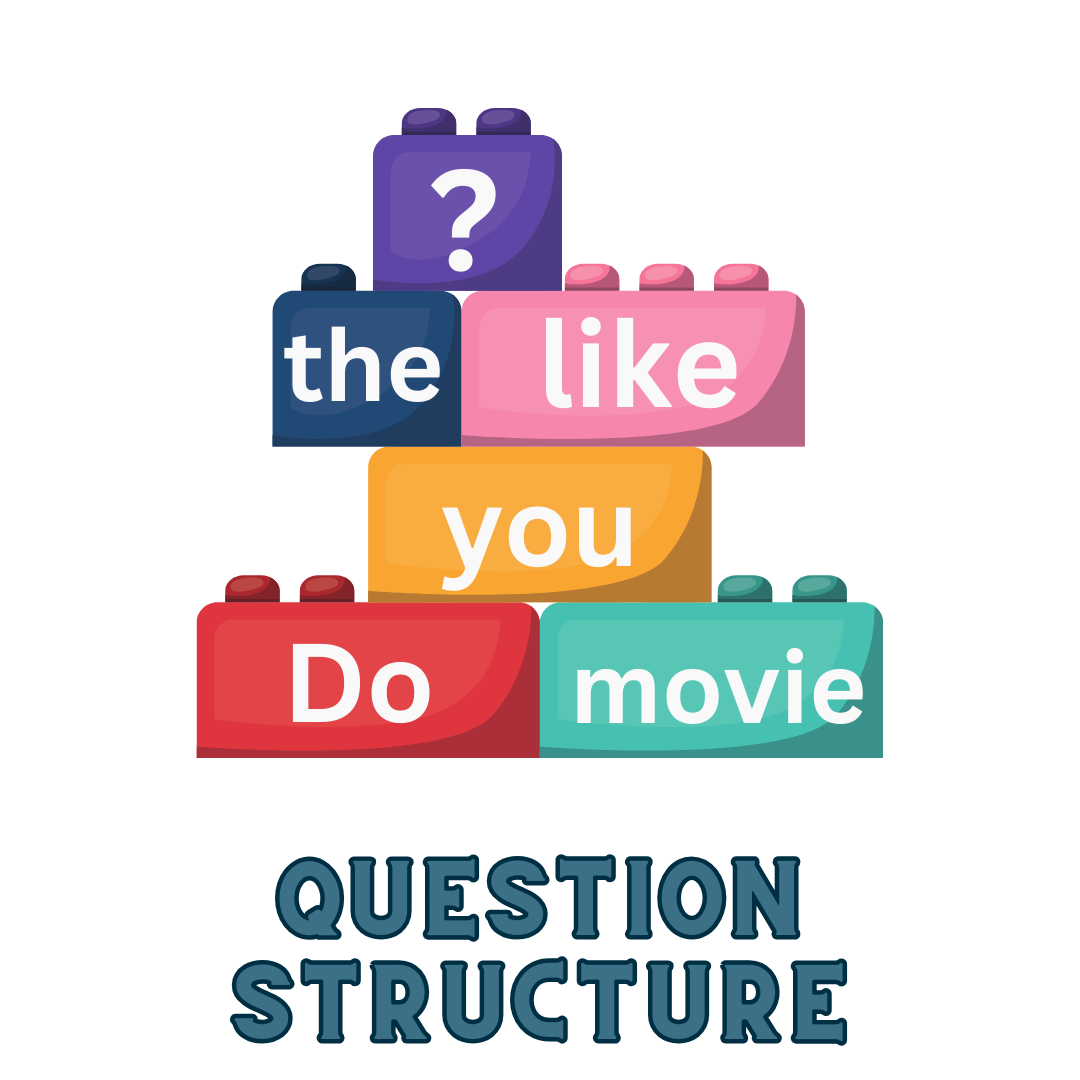
Question Structure Virtual Games & Materials
75
Regular Past Tense Virtual Games & Materials
56
Rhyming Virtual Games & Materials
64
Sentence Structure Virtual Games & Materials
66
Sequencing Virtual Games & Materials
Sh (17)
Sight Words Virtual Games & Materials
Sh (22)
Social Skills Virtual Games & Materials
67
Story Comprehension Virtual Games & Materials
68
Story Read Alouds Virtual Games & Materials
47
Subject Verb Agreement Virtual Games & Materials

Sh (18)
Superlatives Virtual Games & Materials
57
Syllables Virtual Games & Materials
73
Synonyms Virtual Games & Materials
Sh (25)
Vocab Virtual Games & Materials
74
Was / Were Virtual Games & Materials
Sh (14)
Wh Questions Virtual Games & Materials
78
Yes / No Questions Virtual Games & Materials

Free Speech Therapy Games for Home Practice

You’re already juggling work, dinner, bath time, and a million other things. The last thing you (or your child) want is another round of homework, especially one that might lead to frustration.

I get it. As a speech-language pathologist (SLP), I can tell you a little secret: I don’t want it to feel like homework, either.

Your child’s brain is wired for play. That’s when they learn best. So, let’s throw that “drill sheet” in the recycling bin (or just… set it aside) and talk about what really works.

Here are my favorite, 100% free games and activities that you can use to build speech and language skills right at home.


“Homework” is a Bad Word Here


First, let’s get on the same page. Your job isn’t to be a therapist. Your job is to be the parent.

My number one rule for home practice is: If it’s not fun, it’s not working.

We are not going to sit at the kitchen table and drill flashcards for 30 minutes. We are going to find 5-10 minute “pockets of time” in our day to play with a purpose.


Free Games for Speech Sounds (Articulation)


If your child is working on a specific sound (like /k/, /s/, or /r/), these games are for you.


1. The Sound “I Spy”


This is a classic for a reason. You can play it anywhere.

  • In the car: “I spy something with my little eye… that starts with your /s/ sound… s-s-sun!”

  • At the grocery store: “I spy something… red! That has your /r/ sound!”

  • Reading a book: “Let’s find all the ‘snake’ sounds on this page.” (Have them touch the /s/ words with their finger).


2. “Feed the Puppet”


Grab a sock. Seriously, a sock puppet is all you need. Or, use a favorite teddy bear. Let’s say you’re working on the /k/ sound. Cut out a few pictures of /k/ words (or just use toys you have, like a car, a duck, or blocks).

You say, “Mr. Sock is so hungry! He only eats ‘K’ foods. Let’s feed him the… car!” Your child says “car” and “feeds” it to the puppet. It’s silly, quick, and they love it.


3. The Sound Detective


This one is great for “auditory bombardment,” which is just a fancy way of saying “hearing the sound a lot.” You’re the detective. “Listen! I hear a drip-drip-drip from the sink. ‘Drip’ has your /d/ sound!” “Whoa, that car was loud. ‘Car’ has your /k/ sound!” Your child doesn’t even have to say anything. They are just tuning their ears to the sound in their world.


Free Games for Language (Talking & Understanding)


If you’re working on building vocabulary, following directions, or using longer sentences, these are your go-to’s.


1. The Mystery Bag (or Box)


Grab a pillowcase or an old Amazon box. Put 3-4 common, everyday items inside (a spoon, a toy car, a block, a ball).

  • For Describing: Have your child reach in without looking. Ask them, “What do you feel? Is it hard? Is it soft? Is it round?”

  • For “WH” Questions: Pull an item out. Ask “What is it?” “What do we do with it?” “Where would you find it?”

  • For Following Directions: “Put the car in the box. Now, put the spoon in, too!”


2. Bath Time Boss


You have a captive audience. The bath is a goldmine for language.

  • Sequencing: “What should we wash first? Your hair or your tummy?” “Okay, first hair, then tummy.”

  • Following Directions: “Can you get the blue boat?” “Give me the big cup.”

  • Prepositions (location words): “The water is in the cup! Now, pour it on your knees.”


3. Read It “Wrong”


This is my all-time favorite. Pick a book your child knows by heart (like Goodnight Moon or Brown Bear, Brown Bear). And then… read it wrong. On purpose. “And the cow says… ‘Oink’?” “Goodnight… socks?” Your child will immediately jump in to correct you. “NO! The cow says MOO!” This is amazing.


What to Do When They Say “No!”


It’s going to happen. You’re ready to play, and they are not having it. Here’s what you do: Back off.

It’s that simple. Don’t push, don’t bargain, don’t turn it into a fight. Just say, “Okay, no problem. Maybe later.” The goal is to keep this low-pressure. If they’re feeling stressed, they aren’t learning.

Pro-Tip: Model, Don’t Correct This is the hardest one, but it’s the most powerful. If your child says, “I see the wabbit!” Instead of saying, “No, it’s R-rabbit. Say ‘rabbit.'” …Just say the word back to them correctly in a sentence: “Wow, you see the rabbit! That rabbit is so fast!” They heard you. You modeled it. You didn’t kill the conversation.