Strategies for Teaching Synonyms in Speech Therapy
Why Teaching Synonyms Matters in Speech Therapy
Does your child or student use the same words over and over? Do they struggle to find the right words when speaking? Teaching synonyms addresses these common challenges.
Synonyms are words with similar meanings like “happy/joyful” or “big/large.” They help speakers express ideas more precisely and interestingly. Many children with language disorders have limited vocabulary variety.
Speech therapy that focuses on synonyms improves overall communication skills. Children learn to choose words that best fit specific situations. This skill enhances both speaking and writing abilities.
Consider a child who only uses “good” to describe everything positive. Teaching synonyms like “excellent,” “wonderful,” “fantastic,” and “terrific” gives them more options. This language variety helps them express different levels of positivity.
The Benefits of Teaching Synonyms to Children
Teaching synonyms offers numerous advantages for language development. These benefits extend beyond basic vocabulary expansion.
Vocabulary growth happens naturally when children learn multiple words for the same concept. This creates more pathways for word retrieval during conversation. Children can access alternative words when they can’t remember a specific term.
Reading comprehension improves significantly with synonym knowledge. Children recognize unfamiliar words by connecting them to known synonyms. This skill becomes especially important as texts become more complex in upper grades.
Social communication benefits from varied word choices. Conversations become more engaging when children use diverse vocabulary. Peers and adults respond more positively to rich, descriptive language.
For example, a child learning synonyms for “walk” (stroll, hike, march, wander) can better describe how characters move in stories. This precision makes their storytelling more vivid and engaging for listeners.
Common Challenges When Learning Synonyms
Understanding why synonyms cause difficulty helps speech therapists provide targeted support. Several factors contribute to these challenges.
Word retrieval problems make it hard for some children to access alternative words. They may know synonyms exist but struggle to recall them when needed. This becomes especially apparent during conversation or timed activities.
Context confusion occurs because some synonyms aren’t always interchangeable. Words like “big” and “enormous” share meaning but work differently in sentences. Children need to learn these subtle differences.
Limited exposure to vocabulary restricts natural synonym development. Children from language-rich environments typically develop more synonyms naturally. Those with less exposure need explicit teaching and practice.
Processing delays may affect how quickly children can select appropriate synonyms. Some need extra time to consider word alternatives. Fast-paced conversations can increase error rates in these cases.
For instance, a child might correctly use “tiny” when describing an ant during structured therapy. However, they might struggle to access this word when spontaneously telling a story about insects. This demonstrates the gap between knowing synonyms and using them functionally.
Visual Tools for Teaching Synonyms
Visual supports make abstract synonym concepts more concrete. These tools help children see word relationships clearly.
Synonym webs place a target word in the center with related synonyms branching outward. This visual clearly shows multiple alternatives for a single concept. Color-coding can highlight subtle meaning differences between synonyms.
Example: Create a web with “cold” in the center. Add branches for “chilly,” “freezing,” “cool,” “icy,” and “frigid.” Use blue shades ranging from light to dark to show intensity differences.
Word maps compare and contrast synonyms by examining specific features. For example, “gigantic,” “huge,” and “large” could be mapped by intensity level. This helps children understand when to use each synonym appropriately.
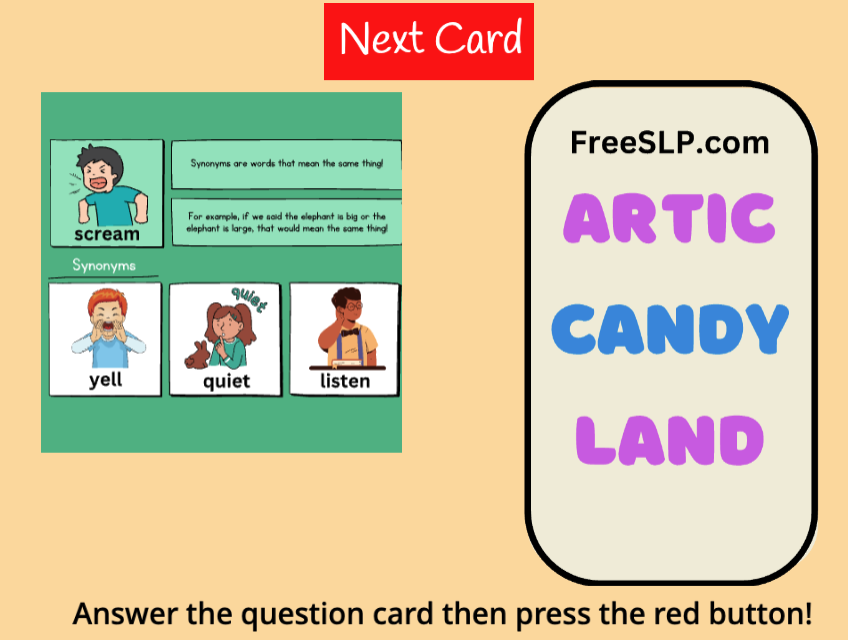
Picture cards showing similar scenarios with different intensity levels work well for younger children. For instance, show images representing “happy,” “ecstatic,” and “pleased.” These visual cues help children match words to specific situations.
Try creating synonym ladders that arrange words from least to most intense. For “hot,” the ladder might progress from “warm” to “hot” to “scorching” to “blazing.” This visual helps children grasp the subtle differences between related words.
Interactive Games for Practicing Synonyms
Games make synonym practice engaging and motivating. These activities reinforce learning while keeping children interested.
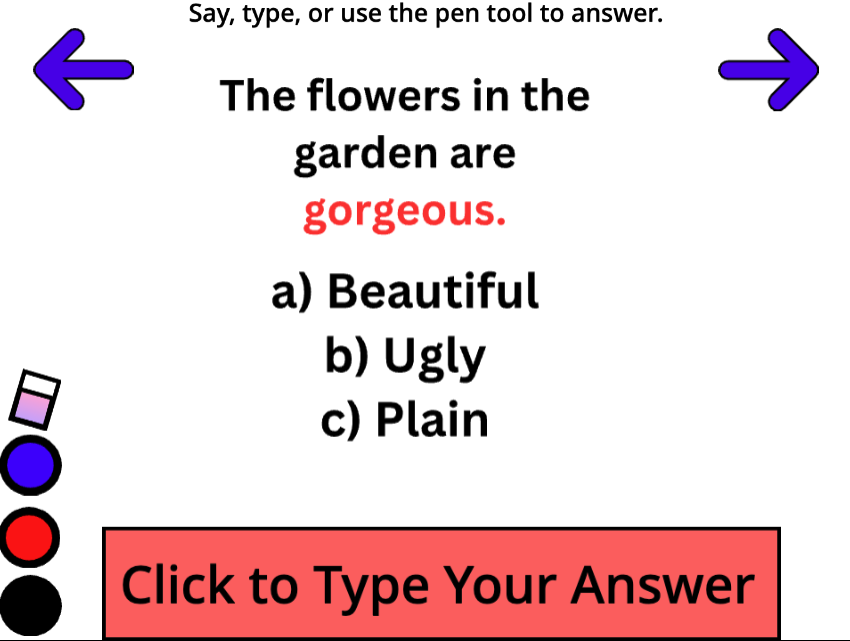
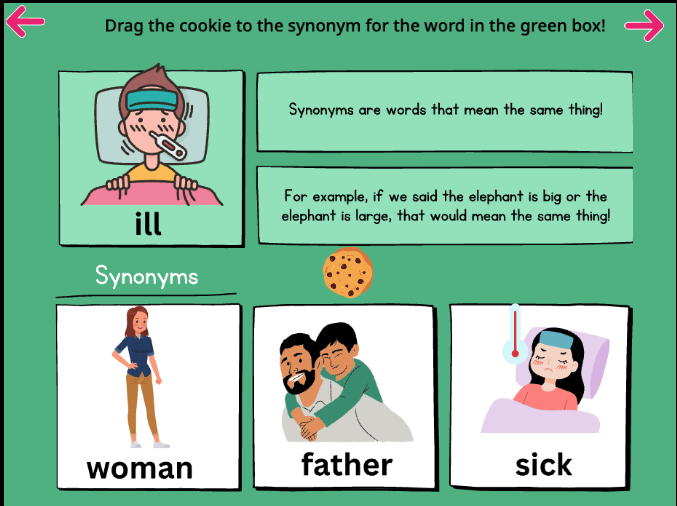
Synonym matching games work like concentration or memory games. Create cards with words and their synonyms for children to match. For younger children, include pictures alongside the words for additional support.
Example game: “Synonym Go Fish” – Create card pairs of synonyms (sad/unhappy, big/large). Players ask, “Do you have a synonym for ___?” If they get a match, they explain how the words are similar.
The synonym replacement challenge encourages flexibility with vocabulary. Read a short paragraph with repeated words, then challenge children to replace them with synonyms. Award points for each appropriate synonym used.
Sample paragraph: “The happy boy walked to the big store. He was happy to see his happy friend there. They walked home together past many big buildings.”
Challenge the child to replace “happy” and “big” with synonyms each time they appear. They might transform it to: “The cheerful boy strolled to the large store. He was delighted to see his joyful friend there. They wandered home together past many enormous buildings.”
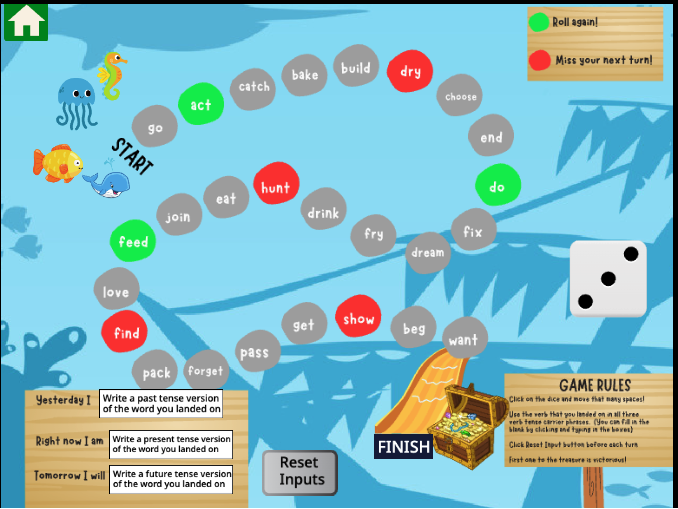
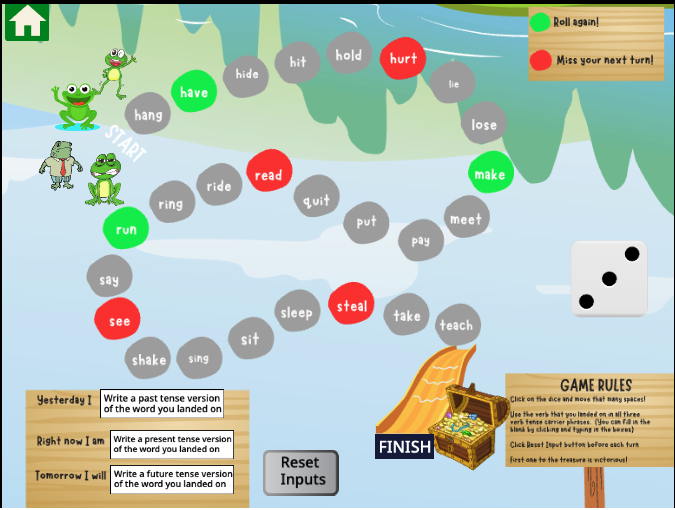
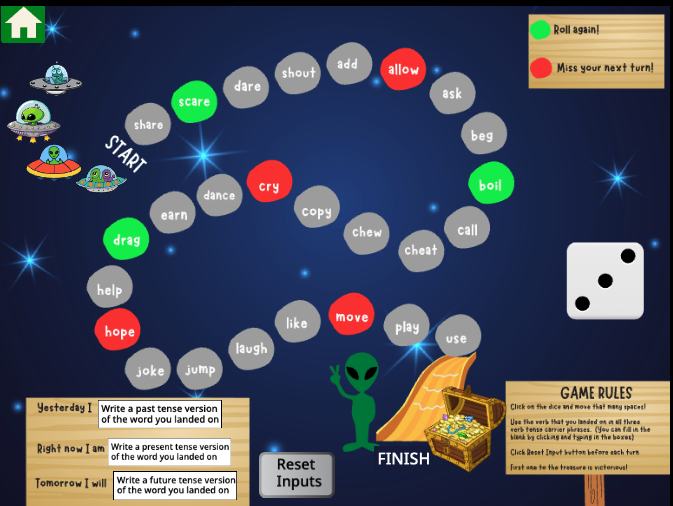
Synonym board games combine movement with vocabulary practice. Create a simple board game where landing on spaces requires generating synonyms for target words. This adds physical activity to cognitive practice.
Word gradation activities help children understand synonym intensity. Have them arrange related words on a continuum from least to most intense. For example, placing “warm,” “hot,” and “scalding” in order of intensity.
Everyday Activities for Synonym Practice
Daily routines provide natural opportunities to reinforce synonyms. These practical approaches embed practice in functional communication.
The “word of the day” strategy introduces new synonyms systematically. Choose a common word and teach 2-3 synonyms for it. Encourage everyone to use these synonyms throughout the day.
Example: If today’s word is “look,” introduce “observe,” “watch,” and “examine” as alternatives. During the day, prompt with questions like, “Instead of saying you looked at the bird, what other word could you use?”
Reading routines naturally expose children to synonym variety. When reading stories, pause to discuss different words authors use instead of common words. This helps children notice synonym use in authentic contexts.
For instance, when reading “The Three Little Pigs,” point out how the wolf doesn’t just “blow” on each house—he “huffs and puffs.” Discuss how these words create a more vivid mental picture than simply “blow.”
Conversation prompts encourage synonym use in natural speech. Ask open-ended questions and suggest using specific synonyms in responses. Start with highly familiar words before introducing more advanced vocabulary.
Mealtime offers perfect practice opportunities. Instead of describing food as just “good,” suggest alternatives like “delicious,” “tasty,” “scrumptious,” or “flavorful.” Make it a family game to avoid using “good” or “bad” during dinner conversation.
Age-Appropriate Synonym Activities
Different age groups need tailored approaches to synonym learning. These activities address developmental needs at various stages.
Preschool children benefit from synonym introduction through opposites. Once they understand “hot/cold,” introduce “warm” as another word for “hot.” Using concrete objects helps make these connections meaningful.
Activity example: Place three bowls of water—one with ice water (cold), one room temperature (cool), and one warm. Have children feel each and learn the temperature words. This tangible experience connects physical sensations with vocabulary.
Elementary students can handle more formal synonym instruction. Word sorts, matching activities, and simple replacement exercises work well. Connect synonyms to their writing assignments for practical application.
Writing activity: Give students a paragraph containing the word “said” multiple times. Challenge them to replace each instance with a more specific synonym like “whispered,” “shouted,” “explained,” or “mentioned.” This improves both vocabulary and writing style.
Middle and high school students need synonyms for academic success. Focus on content-specific vocabulary and formal/informal language distinctions. Help them use synonyms to adjust language for different audiences and purposes.
Exercise example: Have students rewrite a casual text message to a friend as a formal email to a teacher. This requires selecting more formal synonyms while maintaining the same basic message.
Frequently Asked Questions About Teaching Synonyms
At what age should children learn about synonyms?
Children can begin learning basic synonyms around age 4-5 when they understand that different words can have similar meanings. Formal synonym instruction typically begins in early elementary school (grades 1-2). Children with language disorders may need explicit instruction earlier to build vocabulary foundations.
How many synonyms should we target at once?
Start with just 2-3 synonyms for familiar words. Once children master these, gradually increase to 4-5 synonyms per concept. Focus on high-frequency words first before introducing more specialized vocabulary. Quality of understanding matters more than quantity of words taught.
For example, when teaching synonyms for “big,” begin with just “large” and “huge.” Once those are mastered, add “enormous,” “gigantic,” and “massive” to expand the set.
How can we help children remember synonyms long-term?
Repeated exposure across different contexts strengthens synonym retention. Practice the same synonyms in various activities over several sessions. Create connections between synonyms and real-life situations the child encounters. Visual reminders like word walls or personal dictionary books provide ongoing reference.
A synonym journal can be especially effective. Have children record new synonym sets and illustrate them. Review this journal regularly to reinforce learning.
Should we teach synonyms in categories or individually?
Teaching synonyms in meaningful categories improves retention. For example, group synonyms for emotions, size words, or movement verbs together. This organizational approach helps children see patterns in language. However, don’t introduce too many categories simultaneously, as this can cause confusion.
A focused category approach might start with “ways to walk”: walk, stroll, march, trudge, wander, hike. Using these words in context helps children understand their subtle differences.
How do we help children choose the right synonym for specific contexts?
Teach the subtle differences between synonyms using comparison activities. Create sentences where only one synonym works correctly and discuss why. Use a “synonym of the day” approach where you focus on when and how to use a specific synonym. Practice replacing words in sentences to see how meaning changes.
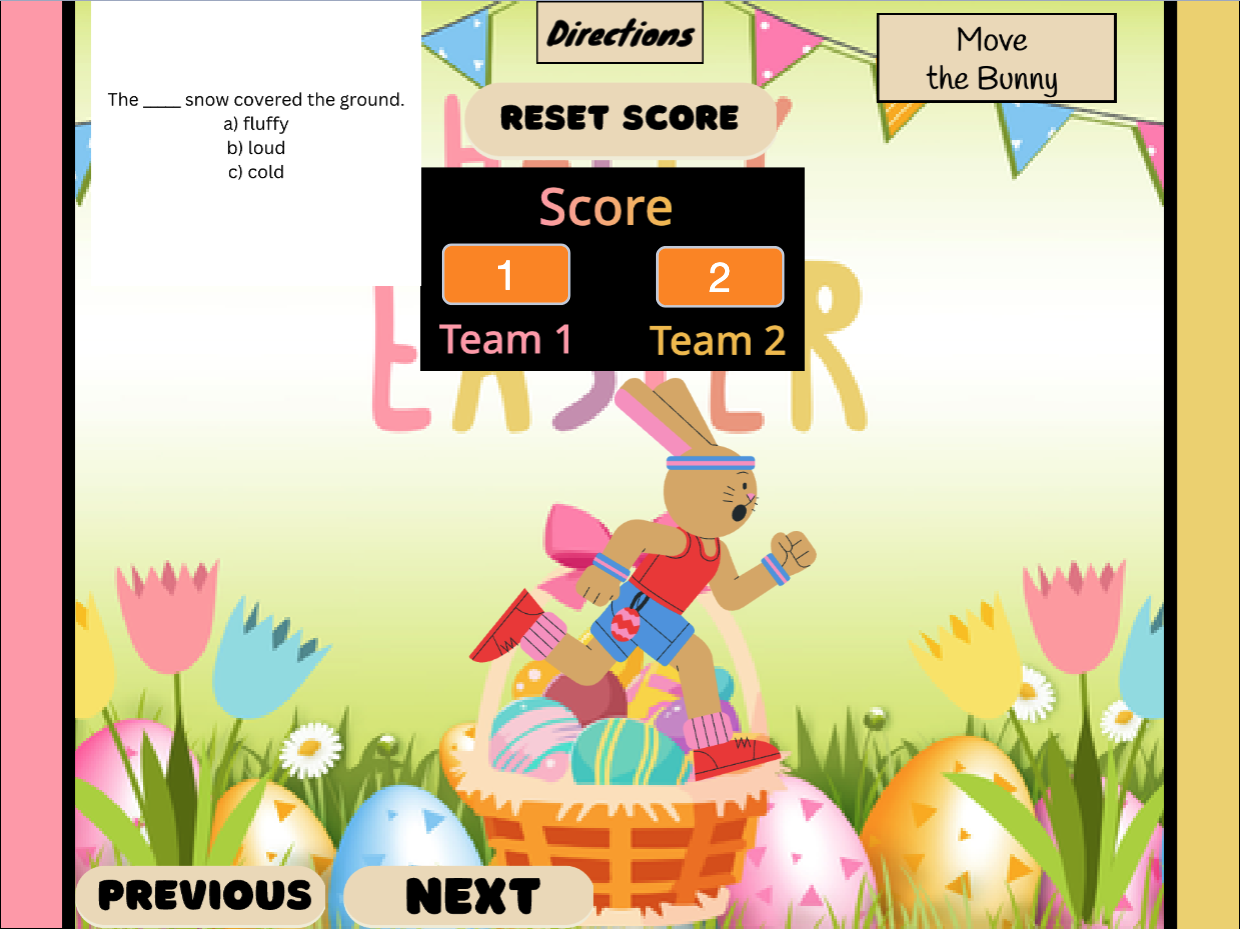
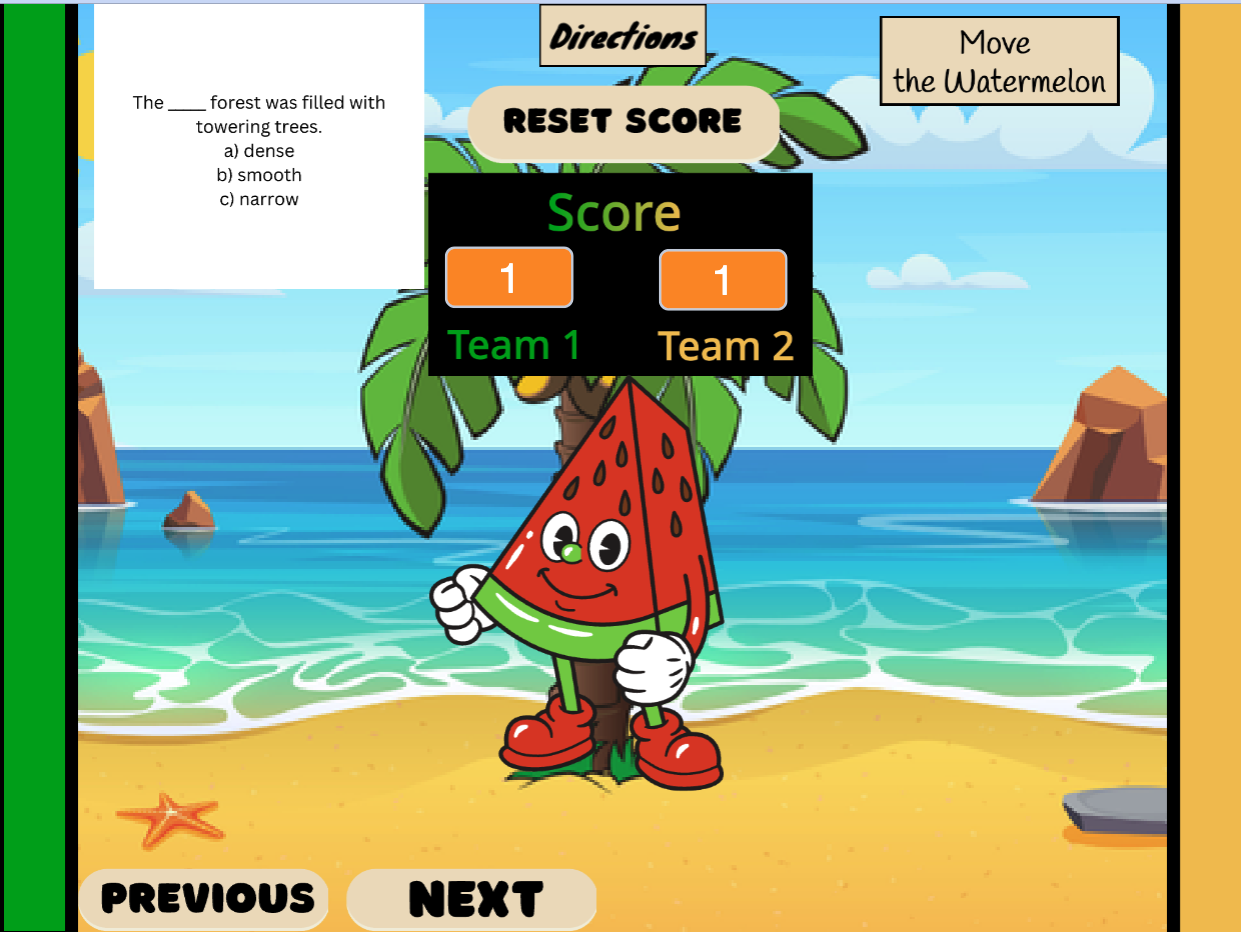
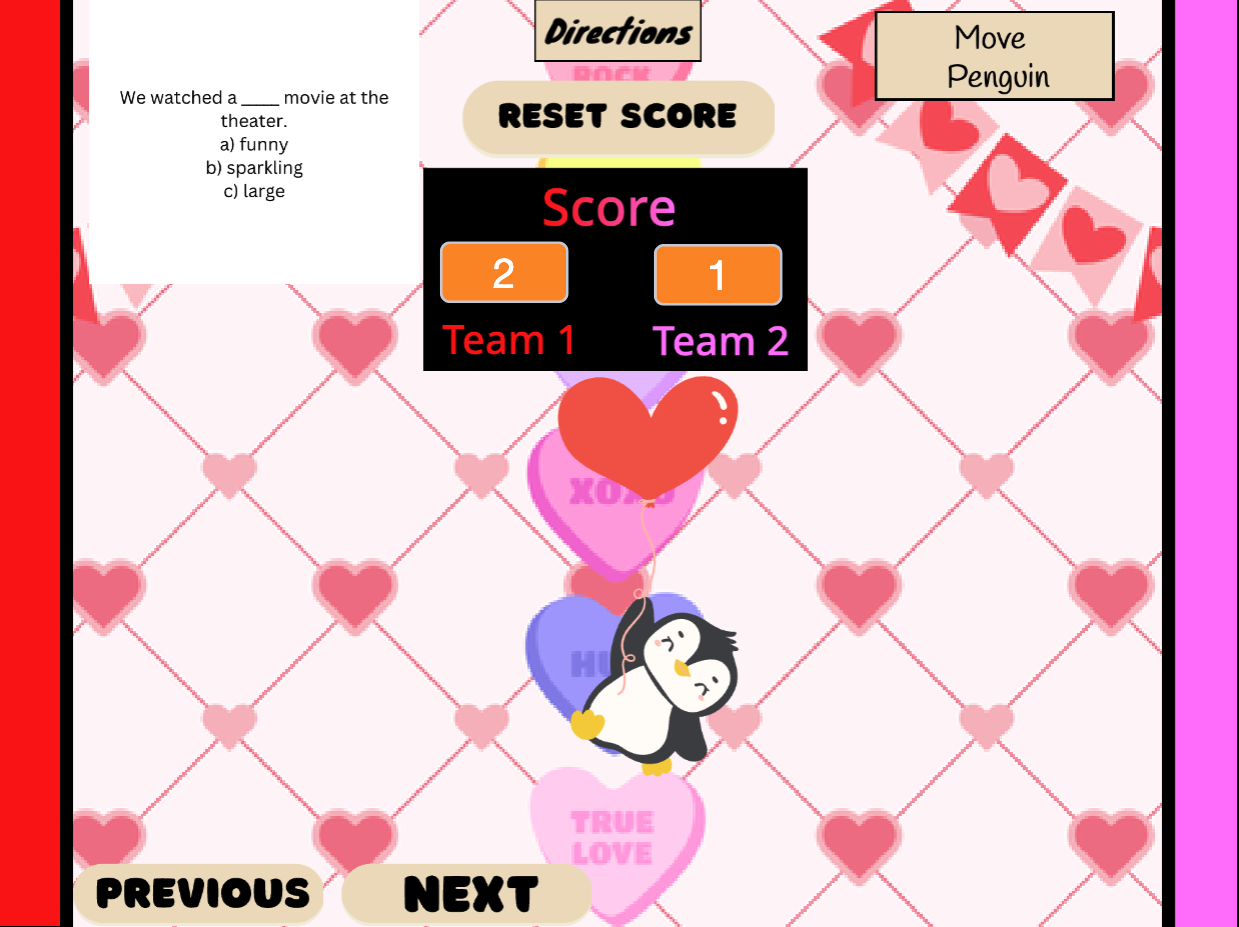
Example activity: “Which fits best?” Give sentences with blanks and three synonym options. For instance: “After running five miles, Sarah was _____.” Options: tired/exhausted/sleepy. Discuss why “exhausted” works better than the alternatives in this context.
Can teaching synonyms help children with reading comprehension?
Yes! Synonym knowledge significantly improves reading comprehension. When children encounter unfamiliar words, they can connect them to known synonyms. Teach children to look for context clues that suggest synonym relationships in text. Practice identifying synonyms in reading passages regularly.
Activity example: Highlight challenging words in a reading passage. Have children suggest familiar synonyms that could replace these words while maintaining the same meaning. This builds a bridge between new vocabulary and existing knowledge.