Discover 7 proven strategies to teach yes and no questions in speech therapy with effective techniques for SLPs, teachers, and parents to develop this essential communication skill.
Does your child struggle to answer simple yes or no questions? Many children find this basic communication skill challenging during development. Teaching yes and no questions effectively requires specific strategies tailored to each child’s needs.
Why Yes and No Questions Matter in Communication
Yes and no questions form the foundation of daily interactions. These simple responses allow children to express choices, show preferences, and demonstrate understanding. Mastering these responses gives children a powerful way to communicate basic needs and thoughts.
Many children with speech and language delays struggle with this seemingly simple skill. They might nod but not say the words, or say “yes” to every question regardless of meaning. Early intervention helps establish this critical communication tool. Without this skill, children often experience frustration when trying to express their most basic wants and needs.
Types of Yes and No Questions in Speech Therapy
Not all yes and no questions work the same way in communication. Understanding the different types helps create effective teaching strategies. Speech therapists categorize these questions based on their purpose and complexity.
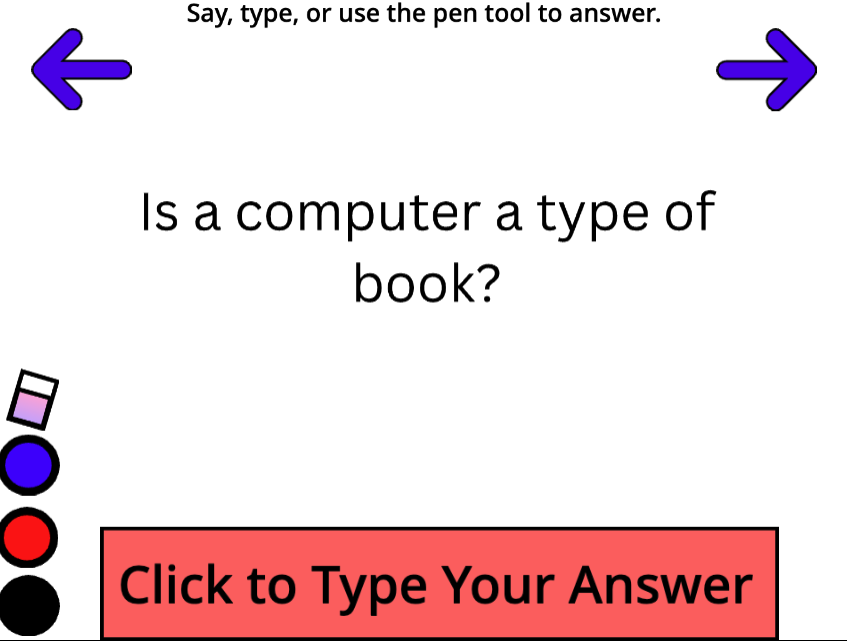
Request questions ask about wants and preferences. Examples include “Do you want juice?” or “Would you like the blue car?” These questions typically prove easier for children to answer because they connect directly to immediate desires and motivations. SLPs often start with these concrete, motivating questions before moving to more abstract types.
Information questions confirm or deny facts about the world. Examples include “Is this a dog?” or “Are you wearing shoes?” These questions require understanding beyond personal preference. They test knowledge and observation skills. Children typically master these questions after they can reliably answer request questions.
Visual Supports for Teaching Yes and No Questions
Children with language challenges learn best with visual aids. Clear visual cues help bridge the gap between verbal questions and appropriate responses. These concrete supports make abstract language concepts more accessible.
Create simple yes/no visual cards showing thumbs up/down or happy/sad faces. Display these cards when asking questions to provide a visual reference. Children can point to or touch the appropriate card while learning to verbalize their response. This multisensory approach strengthens the connection between meaning and spoken words.
Teachers find color-coding particularly effective for classroom instruction. Associate green with “yes” and red with “no” through colored cards, lights, or objects. This consistent visual system helps reinforce correct responses across different environments. Parents can use this same color system at home for consistency in learning.
Motivating Activities for Teaching Yes and No Questions
Children learn best through engaging experiences.
Favorite Things Box: Fill a box with highly preferred and non-preferred items. Pull out one item at a time and ask, “Do you want this?” The immediate reward of receiving desired items motivates accurate yes responses. This activity creates natural opportunities for meaningful communication while building success.
Silly Situation Pictures: Show pictures of normal and silly situations (like a cat driving a car or a hat on a foot). Ask, “Is this right?” These humorous scenarios engage children while practicing information-based yes/no questions. The funny nature of the activity maintains interest through multiple practice trials.
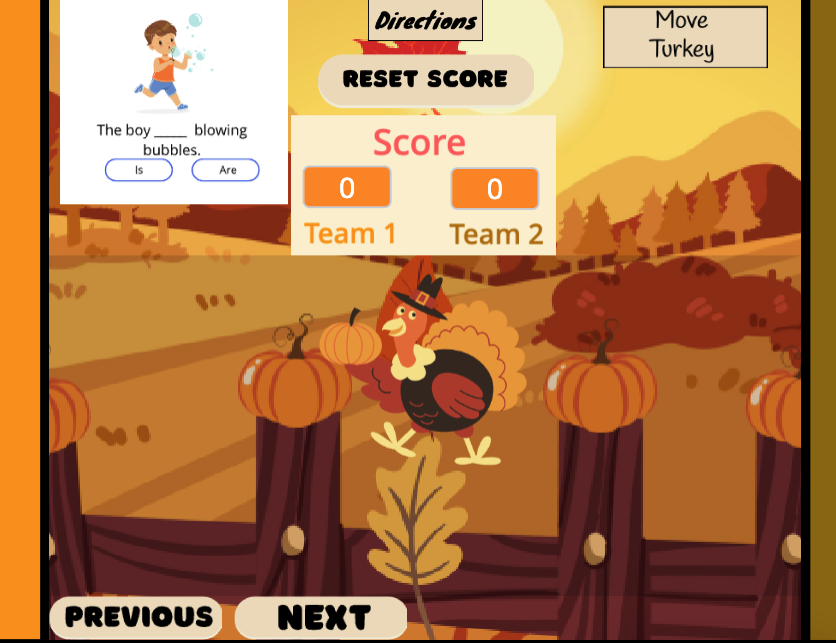
Yes-No Bubble Game: Blow bubbles when the child answers correctly. For extra motivation, use green bubbles for “yes” answers and red bubbles for “no” answers. This sensory-rewarding activity pairs correct responses with immediate fun feedback. SLPs report high engagement levels with this simple yet effective approach.
Gesture-Based Techniques for Yes and No Responses
Body movements help reinforce verbal responses. Teaching gestures alongside spoken words provides additional communication options and strengthens understanding. These physical movements serve as building blocks for verbal responses.
Start by modeling head nodding paired with saying “yes.” Guide the child’s head gently if needed to demonstrate the movement. Practice this gesture many times before expecting independent use. The physical action creates a motor memory that supports the verbal response.
Similarly, teach head shaking paired with “yes.” Some children learn the shake/nod movements more easily than the words themselves. Accept these gestures as valid communication while continuing to model the verbal response. This approach honors the child’s current abilities while building toward speech.
Parents can practice these gestures during daily routines. Mirror games where everyone copies each other’s movements make practice fun and natural. These playful interactions build communication skills without feeling like therapy or work.
Building Yes and No Questions Into Daily Routines
Real-life situations provide the best practice opportunities. Everyday activities offer countless natural chances to practice yes and no questions. These authentic contexts help children understand the real purpose of this communication skill.
Mealtime provides perfect practice moments. Ask simple questions like “Do you want more apple?” or “Is your milk all gone?” These questions connect directly to immediate needs and motivations. The natural context makes the communication meaningful rather than forced.
Dressing routines offer another practice opportunity. Ask “Do you want the red shirt?” or “Are these your shoes?” These daily choices give children power over their environment through simple responses. Teachers can create similar choice moments throughout the school day in centers, snack time, and transitions.
Errorless Teaching Approaches for Yes and No Questions
Setting children up for success builds confidence and skills. Errorless teaching creates high success rates that motivate continued learning. This approach prevents frustration while establishing correct response patterns.
Begin with obvious questions that ensure success. Show a favorite toy and ask, “Do you want this?” when you know the answer is yes. The clear context and high motivation make correct answers likely. This builds a pattern of success that encourages continued communication attempts.
Use subtle prompting to ensure correct responses. When asking a question, position your head slightly in the correct nodding or shaking motion. This gentle cue guides the child toward the right answer without obvious prompting. Gradually fade these cues as the child demonstrates more independent responses.
Parents and teachers can coordinate to use the same errorless teaching techniques. This consistency across environments helps children learn faster. SLPs can provide specific prompting strategies tailored to each child’s needs and abilities.
Technology Tools for Teaching Yes and No Questions
Digital resources offer additional practice opportunities. Several apps and online tools target yes and no question skills specifically. These interactive options supplement traditional teaching approaches with engaging visual and audio feedback.
Video modeling proves effective for many children. Create short videos showing peers or siblings correctly answering yes/no questions. Children often imitate what they see other children doing. These model videos demonstrate both the verbal response and appropriate gestures.
Parents sometimes worry about screen time, but educational apps provide purposeful technology use. Set specific practice times using these tools, then supplement with non-digital activities. This balanced approach leverages technology’s benefits while maintaining varied practice formats.
Troubleshooting Common Challenges With Yes and No Questions
Some children face specific difficulties with yes and no responses. Understanding these challenges helps SLPs, teachers, and parents provide targeted support for better outcomes. Identifying the specific issue leads to more effective interventions.
Challenge: Saying “yes” to everything Solution: Use obvious contrasts to highlight differences. Show a preferred toy and a non-preferred item side by side. Ask about each one separately, emphasizing the different responses required. This clear contrast helps establish discrimination between the two answer types.
Challenge: Understanding the question meaning Solution: Simplify language and add visual supports. Ensure questions use familiar vocabulary and simple sentence structure. Add gestures, pictures, or objects that clarify the question’s meaning. Gradually increase complexity as understanding improves.
Challenge: Saying words but not matching gestures Solution: Practice one response type at a time. Work on matching “yes” with nodding until consistent before introducing “no” practice. This focused approach prevents confusion between the two response types. Once each is solid independently, begin alternating practice.
When to Seek Professional Help for Yes and No Questions
While many children master yes and no responses naturally, others benefit from professional intervention. Parents and teachers should consider consulting an SLP if:
- The child is over 2 years old and cannot indicate yes/no through any means (words, gestures, or pictures)
- The child seems to understand questions but cannot respond consistently
- Yes/no responses emerge but then disappear again (regression)
- The child shows frustration when trying to answer simple questions
- Communication attempts lead to tantrums or shutting down
Early intervention often leads to quicker resolution. Speech-language pathologists can assess overall communication patterns and develop targeted treatment plans. They bring specialized training in language development and evidence-based teaching techniques.
Teachers play a vital role in identifying children who might need professional support. Their classroom observations help detect patterns that might not be obvious at home. Regular communication between teachers and parents helps ensure timely referrals when needed.
Frequently Asked Questions
At what age should children understand and answer yes/no questions? Most children begin responding to yes/no questions between 12-18 months, first with gestures and later with words. By age 2-2½, most children can verbally answer simple yes/no questions about immediate wants and needs. By age 3, they typically answer basic information questions correctly. Development varies widely among children, however.
Why does my child say “yes” to every question regardless of meaning? This common pattern may occur for several reasons. Some children learn that “yes” receives positive reactions from adults. Others may not understand the question but know a response is expected. Working on clear contrasts between desirable and undesirable options helps establish meaningful responses. Ensure questions are simple and concrete at first.
How can I tell if my child understands the question but can’t answer, or doesn’t understand the question at all? Observe your child’s body language and reactions. If they look confused or don’t respond at all, they might not understand the question. If they seem frustrated, reach for items, or try alternative communication, they likely understand but struggle to answer. Testing understanding with action requests (“Can you point to the ball?”) can help determine comprehension levels.
Should I accept nodding/shaking head instead of verbal yes/no? Absolutely. Gestures are valid communication and should be positively reinforced. Continue modeling the verbal response while accepting the gesture as a legitimate answer. For many children, gestures serve as a bridge to verbal responses. Some children with speech challenges may always rely partially on gestures even as verbal skills develop.
My child used to answer yes/no questions but now doesn’t. Should I be concerned? Regression in previously mastered skills warrants attention. Temporary regression sometimes occurs during developmental spurts or stressful periods. However, consistent loss of skills should prompt consultation with a healthcare provider or speech-language pathologist to rule out underlying issues.
How can I help my child generalize yes/no responses to different settings? Practice in varied environments with different people asking questions. Start in low-stress, familiar settings, then gradually introduce new locations and communication partners. Coordinate with teachers, family members, and caregivers to use consistent teaching approaches across settings. This consistency helps the child recognize the same skill applies everywhere.
Teaching yes and no questions requires patience, consistency, and effective techniques. The strategies outlined here provide SLPs, teachers, and parents with practical approaches for helping children master this fundamental communication skill. By understanding question types, using visual supports, incorporating motivating activities, and addressing specific challenges, you can support successful language development.
Remember that communication development follows individual timelines. Celebrate small improvements along the way and maintain a positive, encouraging approach to practice. These supportive interactions not only improve specific skills but also build confidence in communication abilities that benefit children throughout their lives.