| Word |
Meaning 1 |
Meaning 2 |
Example Sentence 1 |
Example Sentence 2 |
| Bat |
An animal |
A sports equipment |
The bat flew in the cave. |
She hit the ball with her bat. |
| Duck |
A bird |
To lower your head |
The duck swam in the pond. |
Duck down so you don’t hit your head! |
| Light |
Not heavy |
A source of brightness |
The feather is very light. |
Turn on the light so we can see. |
| Bark |
Sound a dog makes |
Covering of a tree |
The dog will bark at strangers. |
The tree has rough bark. |
| Trunk |
Part of an elephant |
Storage container |
The elephant has a long trunk. |
I packed my clothes in the trunk. |
| Bank |
Place for money |
Side of a river |
I saved my money in the bank. |
We sat on the river bank to fish. |
| School |
Place for learning |
Group of fish |
I go to school every day. |
A school of fish swam by our boat. |
| Star |
Object in the sky |
Famous person |
I can see a bright star tonight. |
She became a movie star. |
| Glasses |
Eyewear |
Drinking containers |
She wears glasses to read. |
Please put the glasses on the table. |
| Nail |
Metal fastener |
Part of finger or toe |
He used a nail to hang the picture. |
I painted my nails red. |
| Spring |
Season |
Coiled metal |
Flowers bloom in spring. |
The spring in the toy broke. |
| Ring |
Circular object |
Sound of a bell |
She wears a ring on her finger. |
I heard the phone ring. |
| Play |
To have fun |
A theater show |
The children play in the park. |
We saw a play at the theater. |
| Jam |
Fruit spread |
Traffic congestion |
I like jam on my toast. |
We got stuck in a traffic jam. |
| wave |
Moving water |
Hand gesture |
The wave crashed on the shore. |
I’ll wave goodbye when you leave. |
| Card |
Piece of stiff paper |
Person who is funny |
I sent her a birthday card. |
Tom is such a card when he tells jokes. |
| Roll |
To move by turning |
Bread |
The ball will roll down the hill. |
I ate a roll with butter. |
| Pen |
Writing tool |
Animal enclosure |
Use this pen to write your name. |
The pigs are in their pen. |
| Fine |
Good quality |
Money paid as penalty |
That’s a fine drawing you made. |
He had to pay a fine for speeding. |
| Mine |
Belongs to me |
Hole in the ground |
This book is mine. |
The workers went into the mine. |
| Pitcher |
Container for liquid |
Baseball player |
Pour water from the pitcher. |
The pitcher threw the ball. |
| Fly |
Insect |
To move through air |
A fly landed on my food. |
Birds fly in the sky. |
| Fan |
Person who admires |
Device that blows air |
She is a big fan of that band. |
Turn on the fan when it’s hot. |
| Park |
Place with trees |
To stop a car |
We had a picnic at the park. |
Please park your car over there. |
| Bowl |
Container for food |
To roll a ball |
I ate cereal from a bowl. |
We went to bowl at the alley. |
| Check |
To verify |
Paper for payment |
Please check your answers. |
I wrote a check for the groceries. |
| Crane |
Bird |
Construction machine |
The crane stood in the water. |
The crane lifted heavy materials. |
| Fair |
Just or right |
Carnival |
The teacher was fair with grades. |
We rode rides at the fair. |
| Rock |
Stone |
To move back and forth |
I found a smooth rock by the lake. |
The mother will rock the baby to sleep. |
| Ruler |
Measuring tool |
Person who leads |
Use a ruler to draw straight lines. |
The king is the ruler of the country. |
| Saw |
Cutting tool |
Past tense of “see” |
He cut wood with a saw. |
I saw a movie yesterday. |
| Kind |
Type |
Being nice |
What kind of ice cream do you like? |
It’s kind to share your toys. |
| Yard |
Area around house |
Measurement |
The dog ran around the yard. |
The ribbon is one yard long. |
| Left |
Direction |
Departed |
Turn left at the corner. |
The bus has already left. |
| Band |
Group of musicians |
Ring |
The band played great music. |
She wears a band on her wrist. |
| Tire |
Wheel covering |
To become weary |
The car needs a new tire. |
Long hikes tire me out. |
| Sink |
Basin for water |
To go downward |
Wash your hands in the sink. |
Some objects float, others sink. |
| Ball |
Round toy |
Formal dance event |
We played with a ball at recess. |
They went to the royal ball. |
| Well |
Hole for water |
In good health |
The well provided water for the village. |
I hope you are well today. |
| Bear |
Animal |
To carry |
The bear caught a fish. |
I cannot bear the weight of this box. |
| Watch |
To look at |
Timepiece |
Watch the birds flying. |
She got a new watch for her birthday. |
| Match |
To pair up |
Small fire starter |
These socks match perfectly. |
Use a match to light the candle. |
| Pool |
Body of water |
Game with balls and table |
We swim in the pool. |
He won the pool championship. |
| Stamp |
Postal mark |
To press down hard |
Put a stamp on the envelope. |
The child will stamp their feet when angry. |
| Straw |
Drinking tube |
Dried plant stalks |
I drink juice with a straw. |
The scarecrow was stuffed with straw. |
| Letter |
Written message |
Symbol of the alphabet |
I got a letter from my friend. |
“A” is the first letter of the alphabet. |
| Date |
Calendar day |
Fruit |
What’s the date today? |
I like to eat dates as a snack. |
| Note |
Short message |
Musical sound |
I left a note on your desk. |
She can play every note on the piano. |
| Bow |
To bend forward |
Tied ribbon |
The dancer will bow after performing. |
She has a bow in her hair. |
Why Multiple Meaning Words Matter in Language Development
Does your child or student get confused when words have more than one meaning? Many children struggle with words like “bat” that can mean both an animal and sports equipment. Understanding multiple meaning words builds critical language skills that impact both academic success and daily communication.
Children with language disorders often have difficulty grasping that a single word can have different meanings based on context. This challenge affects reading comprehension, vocabulary development, and social communication. Teaching multiple meaning words helps bridge these gaps and prepares children for more advanced language.
Multiple meaning words appear frequently in both conversation and academic texts. Let’s explore why these words matter and how you can teach them effectively through engaging activities.
Understanding Multiple Meaning Word Development
Children develop understanding of multiple meaning words gradually as their language skills grow. This progression follows predictable patterns that speech therapists use to guide intervention.
SLPs track this development to ensure therapy targets appropriate skills. Understanding these milestones helps set realistic expectations for progress.
Here’s how understanding of multiple meaning words typically develops:
Early Literal Understanding (Ages 3-4)
Young children first learn one common meaning for each word. They might know “bat” only as the animal without recognizing its sports meaning.
At this stage, children interpret language literally. They may look confused or misunderstand when familiar words are used with their secondary meanings.
Parents can support this stage by clearly explaining different meanings when confusion arises. Simple explanations like “This is a different kind of bat” help build awareness that words can have multiple meanings.
Emerging Awareness (Ages 4-6)
Preschool and kindergarten children begin recognizing that some words have more than one meaning. They may laugh at simple word play or show surprise when discovering new meanings.
Children can learn common secondary meanings when explicitly taught. For example, they can learn that “star” means both a shape in the sky and a famous person.
Teachers notice that children at this stage often need visual support to grasp dual meanings. Pictures showing both definitions help make abstract concepts concrete.
Basic Multiple Meaning Recognition (Ages 6-8)
Elementary school children develop the ability to identify common multiple meaning words when prompted. They can explain different meanings of words like “bat,” “run,” and “light.”
At this stage, children begin using context clues to determine which meaning fits in a sentence. They understand that surrounding words help indicate the intended definition.
SLPs focus on explicitly teaching this context analysis. Structured activities help children practice determining which meaning makes sense in different sentences.
Advanced Understanding (Ages 8+)
Older children recognize multiple meaning words independently in reading and conversation. They can switch between meanings flexibly and understand subtle differences.
Children begin appreciating word play, puns, and jokes based on multiple meanings. This metalinguistic awareness shows deeper understanding of language complexity.
Parents and teachers observe that children at this stage can explain why certain words have developed multiple meanings. This analysis demonstrates sophisticated language awareness.
The Benefits of Understanding Multiple Meaning Words
Mastering multiple meaning words impacts many aspects of a child’s language development. These skills extend far beyond simply knowing different definitions.
SLPs target multiple meaning words because of their wide-ranging benefits. The improvements affect both academic and social communication domains.
Here’s how understanding multiple meaning words benefits children:
Enhances Vocabulary Depth
Learning multiple definitions for a single word builds richer vocabulary knowledge. Rather than learning new word forms, children expand their understanding of familiar words.
This depth of knowledge helps children use language more precisely. They can select the exact meaning they intend to convey in different situations.
Teachers value this vocabulary depth because it supports more sophisticated language use. Students who understand nuanced meanings express themselves more clearly in speaking and writing.
Improves Reading Comprehension
Text comprehension depends heavily on understanding words in context. When children encounter multiple meaning words while reading, they must determine which definition fits.
This skill becomes especially important in higher grades as texts become more complex. Academic materials often use secondary meanings of common words.
SLPs note that improved multiple meaning word knowledge often correlates with better overall reading comprehension scores. The connection highlights the importance of this skill for academic success.
Strengthens Critical Thinking
Determining which meaning fits in different contexts requires analytical thinking. Children must evaluate surrounding information to make meaning decisions.
This analysis builds broader critical thinking skills that transfer to other learning areas. Children become more adept at using context clues across subjects.
Parents often notice that children who understand multiple meaning words show stronger problem-solving abilities. The cognitive flexibility developed through this language skill supports general reasoning.
Boosts Humor and Social Language
Many jokes, puns, and figures of speech rely on multiple meaning words. Understanding these dual meanings helps children appreciate humor and figurative language.
This awareness supports social communication by helping children understand playful language used by peers. Children who miss these meanings may miss social connections.
Teachers observe that students with strong multiple meaning word knowledge often catch subtle humor in literature and conversation. This awareness enhances both academic and social experiences.
Supports Written Expression
Writing clearly requires selecting precise word meanings. Understanding multiple definitions helps children choose the exact meaning they intend to convey.
This precision prevents confusion in written communication. Children learn to consider how readers might interpret words with multiple meanings.
SLPs find that improved multiple meaning word knowledge often correlates with stronger writing skills. The awareness of potential ambiguity leads to clearer expression.
Effective Strategies for Teaching Multiple Meaning Words
Teaching words with multiple definitions requires systematic, supportive approaches. These evidence-based strategies help children grasp this sometimes challenging concept.
SLPs implement these techniques in therapy sessions, but parents and teachers can adapt them for home and classroom use. Consistency across settings maximizes progress.
Try these proven teaching strategies:
Use Visual Supports and Illustrations
Visual aids make abstract language concepts concrete. Picture cards showing different meanings of the same word provide clear visual references.
Create word maps that show a central word with branches to different definitions and example sentences. This visual organization helps children see relationships between meanings.
Parents can create simple drawings or find images online to illustrate different word meanings. These visual supports are especially helpful for children who learn better through pictures than words alone.
Teach Words in Meaningful Contexts
Introduce multiple meaning words within sentences or stories rather than in isolation. Context helps children understand which meaning is intended.
Use paired sentences that highlight different meanings: “The bat flew in the cave” versus “He hit the ball with a bat.” This direct contrast emphasizes how context changes meaning.
Teachers can point out multiple meaning words during read-alouds or class discussions. These authentic encounters reinforce how context determines meaning.
Use Compare and Contrast Techniques
Explicitly compare different meanings of the same word. Help children identify similarities and differences between definitions.
Create Venn diagrams showing overlapping characteristics of different meanings. For example, both meanings of “trunk” (elephant/car) are storage spaces but differ in many other ways.
SLPs often use structured comparison activities to build deeper understanding. The analysis helps children recognize subtle distinctions between meanings.
Connect to Prior Knowledge
Link new word meanings to children’s existing knowledge and experiences. Personal connections make abstract concepts more meaningful.
Ask questions like “Have you ever seen a bat at the zoo? Have you ever seen someone use a bat in baseball?” These connections to real-life experiences strengthen understanding.
Parents can point out multiple meaning words during everyday activities. Casual observations like “Look at that crane building the house! That’s a different crane than the bird we saw at the lake” create natural learning moments.
Incorporate Movement and Gestures
Add physical movements or gestures to represent different word meanings. This multisensory approach supports various learning styles.
For example, children might pretend to swing a bat (sports equipment) and then flap their arms like a bat (animal). These movements create physical memory hooks for different meanings.
Teachers find that these movement breaks increase engagement while reinforcing vocabulary. The physical connections help cement abstract language concepts.
15 Engaging Activities for Teaching Multiple Meaning Words
Effective therapy combines structured learning with playful engagement. These activities make vocabulary practice enjoyable while targeting specific skills.
SLPs, parents, and teachers can adapt these ideas based on children’s abilities and interests. The key is making language learning feel like play rather than work.
Try these fifteen fun activities to build multiple meaning word skills:
1. Multiple Meaning Word Pictionary
Players draw pictures representing different meanings of the same word. Others guess which meaning is being illustrated.
For younger children, provide the specific meaning to draw: “Draw a picture of ‘bat’ the animal.” Older children can choose which meaning to illustrate.
This activity combines art with language learning. The visual creation process helps cement different word meanings while keeping children engaged.
2. Definition Detective
Show a sentence using a multiple meaning word and have children determine which definition fits the context. Award “detective points” for correct answers with explanations.
Start with obvious contexts before moving to more subtle examples. For instance, “The star twinkled in the sky” clearly references the celestial object meaning.
SLPs appreciate how this activity builds context analysis skills. The detective theme adds motivation while teaching critical thinking about word meanings.
3. Multiple Meaning Memory Match
Create pairs of cards showing pictures of different meanings for the same words. Children turn over cards and match the word with its different representations.
For example, matching the word “bark” with pictures of tree bark and a dog barking. The game can include word cards, picture cards, or both.
Parents can create simple versions of this game using index cards and magazine pictures. The familiar memory game format makes learning enjoyable.
4. Word Meaning Charades
Children act out different meanings of multiple meaning words while others guess which definition they’re demonstrating.
For example, a child might pretend to “duck” under something or imitate a “duck” waddling. The physical acting creates memorable connections to meanings.
Teachers find this activity perfect for brain breaks or transition times. The movement component provides needed physical activity while reinforcing vocabulary.
5. Multiple Meaning Word Bingo
Create bingo cards with multiple meaning words. Call out definitions or sentences using specific meanings, and children mark the corresponding words.
To increase difficulty, only provide sentences using the words rather than directly stating which meaning. This requires children to analyze context.
This game works well in small groups or class settings. The familiar bingo format adds excitement while providing structured vocabulary practice.
6. Meaning Sort Basket
Provide baskets labeled with multiple meaning words. Give children picture cards or sentence strips representing different meanings to sort into the correct baskets.
For example, cards showing “a timepiece,” “observing something,” and sentences using “watch” would go in the “watch” basket.
SLPs use this activity to assess understanding while providing hands-on practice. The physical sorting helps children categorize different meanings concretely.
7. Create-a-Context Challenge
Provide a multiple meaning word and challenge children to create sentences using its different meanings. Award points for creative, clear contexts.
For older students, encourage using the same word with different meanings in a single short story. This advanced task builds flexible thinking about word usage.
Parents can turn this into a dinner table game where family members take turns creating sentences. The collaborative aspect makes learning a social activity.
8. Multiple Meaning Word Concentration
Create a matching game where children find pairs representing different meanings of the same word. The pairs might include definition cards, picture cards, or sentence cards.
This activity builds both vocabulary and memory skills. Children must remember card locations while thinking about word meanings.
Teachers can use this as a center activity that students can play independently. The self-checking nature allows for independent practice.
9. Meaning Wheels
Create paper plate “wheels” with multiple meaning words in the center. Divide the outer edge into sections where children write or draw different meanings.
These visual organizers can be displayed in the classroom or therapy room as references. Children can add to them as they discover new meanings.
Parents can create simpler versions using paper divided into sections. These personal reference tools support independent vocabulary learning.
10. Multiple Meaning Word Riddles
Create riddles that play on different meanings of words. Children solve the riddles by identifying which meaning is being used.
For example: “I can be found on your watch and inside a clock, but I can also show you the right time to plant a garden. What am I?” (Answer: “spring”)
SLPs find these verbal puzzles excellent for building metalinguistic awareness. The playful language encourages children to think flexibly about word meanings.
11. Word Meaning Scavenger Hunt
Hide pictures or objects representing different meanings of target words around the room. Children find items and explain which word meaning they represent.
This movement-based activity combines physical engagement with vocabulary learning. The hunt format adds excitement to word meaning practice.
Teachers can implement this activity during unit reviews or as a special vocabulary event. The novelty factor increases motivation and engagement.
12. Meaning Flip Books
Create small books where each page shows a different meaning of the same word. Include pictures, definitions, and example sentences.
Children can create their own flip books for target vocabulary words. The creation process reinforces understanding while producing a study resource.
Parents appreciate having these books for home review. The compact format makes them convenient for practice outside of therapy sessions.
13. Context Clue Mystery Bags
Place objects representing multiple meaning words in paper bags. Provide clues that help children guess which meaning of the word is represented by the object.
For example, a bag might contain a toy spring (coiled metal) while clues reference bounciness rather than the season meaning.
This sensory guessing game appeals to tactile learners. The mystery element maintains interest through multiple practice opportunities.
14. Multiple Meaning Word Board Games
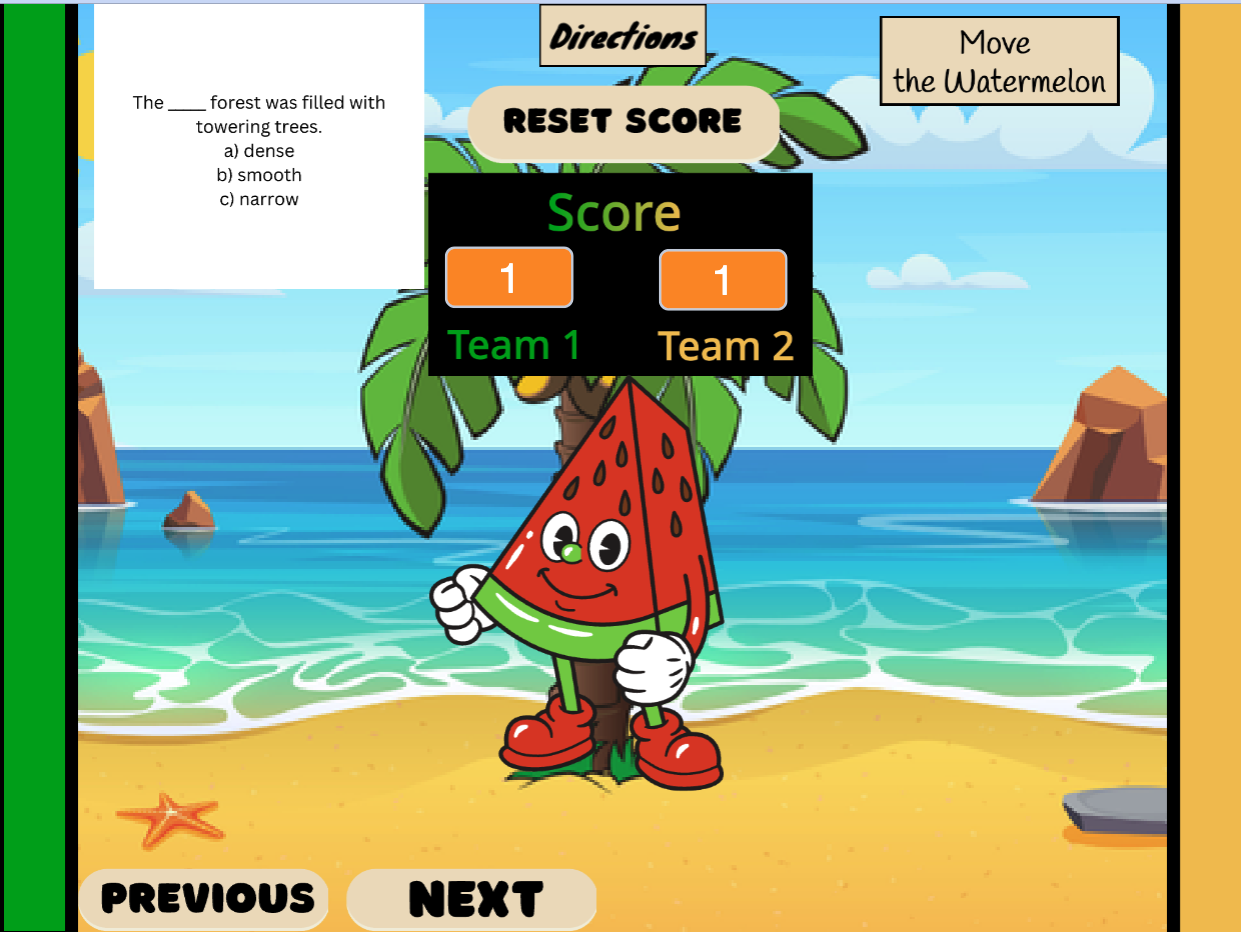
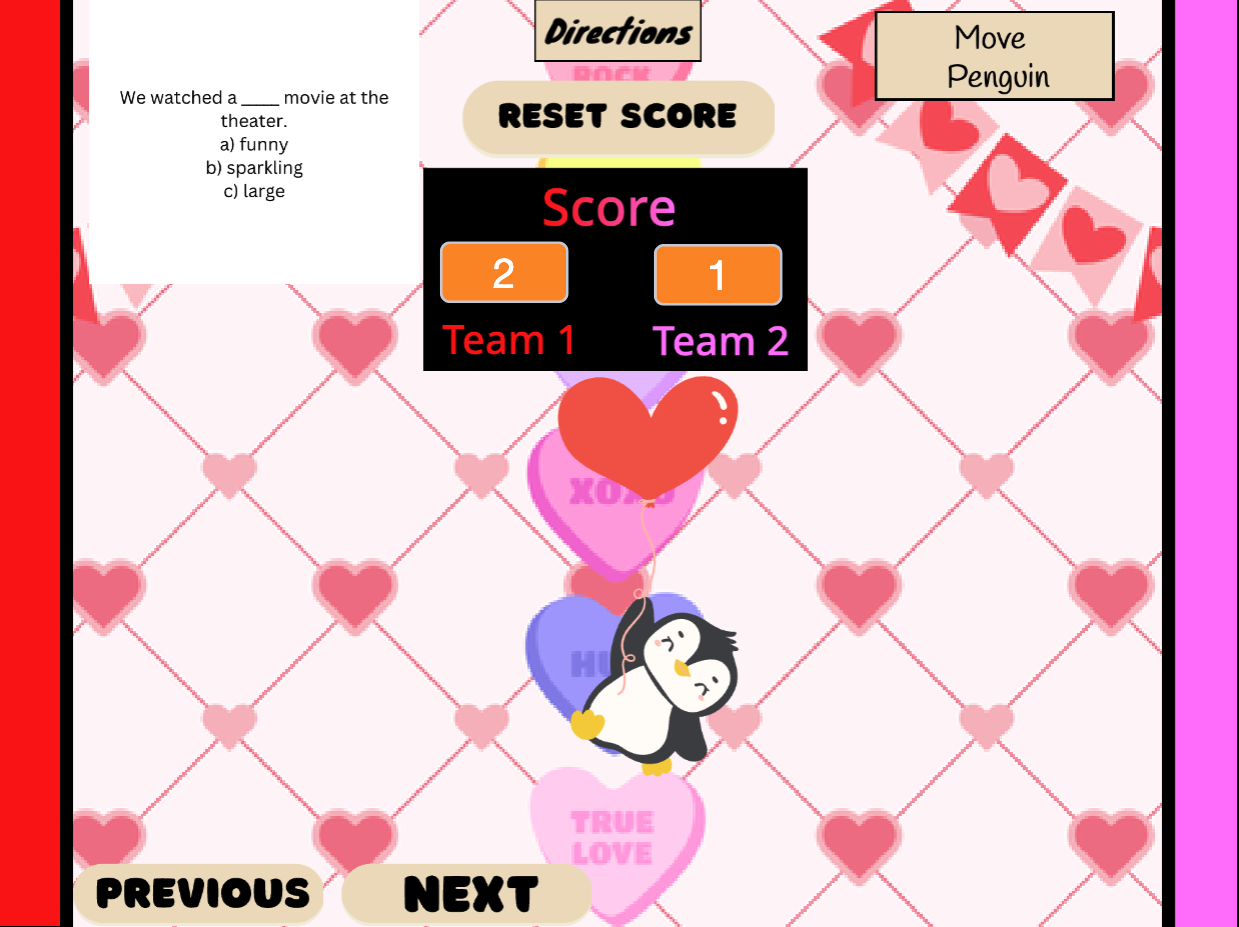
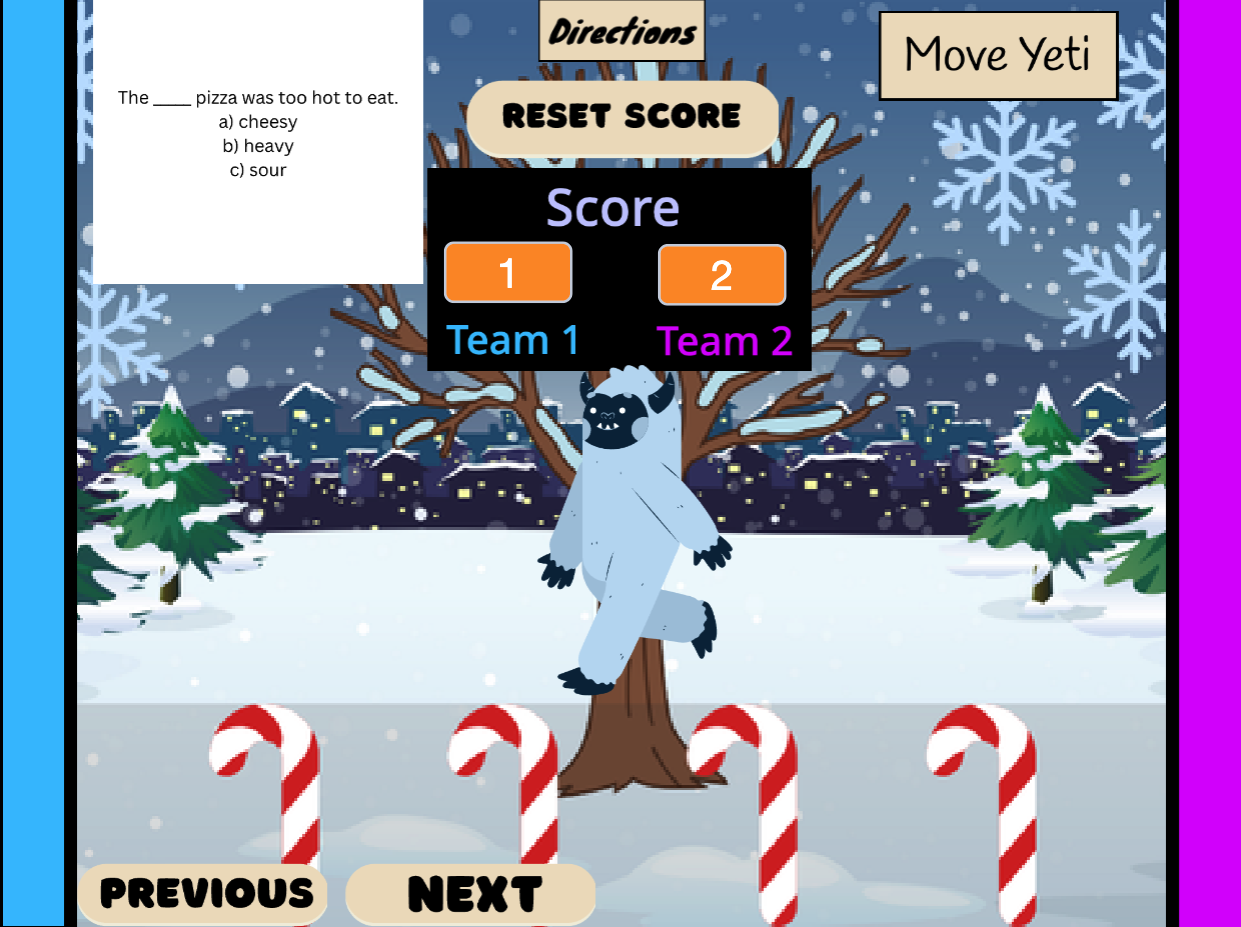
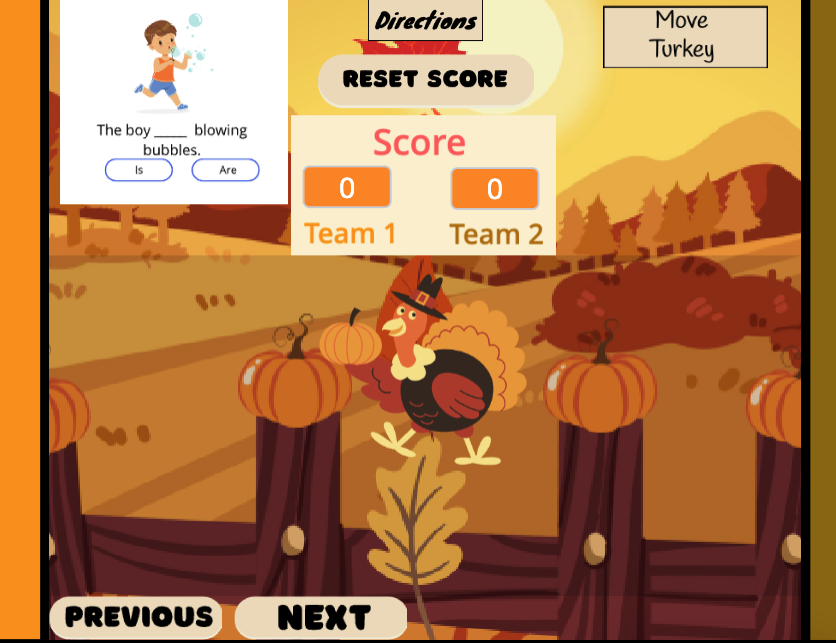
Create or adapt board games where landing on spaces requires identifying different meanings of words. Commercial games like Candyland can be modified with multiple meaning word cards.
Players must provide a definition or sentence using a specific meaning to move forward. This adds language learning to familiar game formats.
SLPs can customize board games to target specific vocabulary words. The game adaptation makes repeated practice more enjoyable.
15. Digital Vocabulary Activities
Utilize apps and websites that focus on multiple meaning words. Many digital resources offer interactive practice with immediate feedback.
Technology-based options often include game elements that increase motivation. The interactive nature keeps children engaged during independent practice.
Parents appreciate having structured practice options for screen time. These digital tools extend therapy practice into home settings in appropriate ways.
Adapting Activities for Different Age Groups and Abilities
Children’s vocabulary needs vary widely based on age, language level, and specific challenges. Thoughtful adaptations make activities accessible to all learners.
SLPs regularly modify activities to match individual profiles. These adjustments ensure appropriate challenge without frustration.
Consider these adaptations for different groups:
For Preschool and Early Elementary Children
Focus on concrete, common words with clear visual differences between meanings. Words like “bat,” “star,” and “trunk” work well for younger children.
Use real objects whenever possible to illustrate meanings. The concrete experience helps make abstract language concepts more understandable.
Keep activities brief (5-7 minutes) and incorporate movement or hands-on elements. Young children learn best through multisensory experiences with frequent changes.
For Upper Elementary Students
Introduce words with more abstract or figurative meanings. Words like “bright” (intelligent/sunny) or “cool” (temperature/impressive) add complexity.
Connect multiple meaning words to curriculum content. Science, social studies, and literature all contain subject-specific uses of common words.
Incorporate writing components where students create contexts for different meanings. This bridges oral language work with literacy development.
For Middle School Students
Focus on academic vocabulary with multiple meanings across subjects. Words like “table” (furniture/data display) or “power” (electricity/influence) support classroom learning.
Challenge students to identify multiple meaning words independently in texts. This skill helps with independent reading comprehension.
Encourage analysis of how and why words develop multiple meanings. This metalinguistic discussion builds deeper language awareness.
For Children with Language Disorders
Provide additional visual supports and explicit instruction. Clear pictures and simple definitions help bridge comprehension gaps.
Break learning into smaller steps with more repetition. Master a few high-frequency multiple meaning words before introducing new ones.
Use highly structured activities before moving to more open-ended tasks. The predictable format reduces cognitive load while building skills.
For English Language Learners
Connect to words in the child’s native language when possible. Some languages may have similar multiple meaning patterns that transfer to English.
Focus on high-frequency words encountered in daily communication. Practical vocabulary supports both social and academic language needs.
Provide extra contextual support through pictures, gestures, and real objects. These supports bridge language gaps while building vocabulary.
Frequently Asked Questions About Multiple Meaning Words
How many multiple meaning words should my child know?
Rather than focusing on quantity, prioritize high-frequency words that appear commonly in conversation and reading materials. Start with 5-10 core multiple meaning words before expanding.
By third grade, children typically understand common multiple meaning words like “bat,” “run,” “light,” and “star.” By fifth grade, their repertoire expands to include more abstract meanings.
The goal is quality of understanding rather than quantity. Deep knowledge of how context affects meaning matters more than memorizing many word definitions.
How do I know if my child is struggling with multiple meaning words?
Watch for these signs: confusion when familiar words are used in less common ways, consistently misinterpreting text containing multiple meaning words, or difficulty understanding jokes and wordplay.
Children who ask “Why did they call it that?” when encountering secondary meanings may be showing awareness of their confusion. This recognition is actually a positive sign of metalinguistic development.
If difficulties persist and affect comprehension or communication, consider consulting with an SLP. Early intervention prevents these challenges from impacting academic performance.
Should I teach all meanings of a word at once?
For most children, introducing two meanings initially works better than presenting all possible definitions. This approach prevents cognitive overload while establishing the concept of multiple meanings.
Start with the most common meanings that children encounter in daily life. For “bank,” begin with financial institution and river edge before introducing less frequent uses.
Once children grasp the concept that words can have multiple meanings, you can gradually introduce additional definitions. This scaffolded approach builds understanding without overwhelming.
How do multiple meaning words affect reading comprehension?
When children encounter words they know but in unfamiliar contexts, they may misinterpret entire passages. For example, reading about a “cold bat” might confuse a child who only knows “bat” as a sports equipment.
Strong readers automatically analyze context to determine which meaning fits. Children who struggle with multiple meaning words often miss this analysis step.
Teaching explicit strategies for determining meaning from context directly supports reading comprehension. This skill becomes increasingly important as texts become more complex in higher grades.
How can I incorporate multiple meaning word instruction into everyday conversations?
Point out multiple meanings naturally when they arise. Comments like “That’s a different kind of ‘bat’ than we saw at the baseball game” draw attention to dual meanings.
Use wordplay and jokes that highlight multiple meanings. Humor creates memorable learning moments that children often retain better than formal instruction.
Ask questions that prompt thinking about different meanings: “What does ‘light’ mean in this sentence? Could it mean something else in a different sentence?” These questions build analytical thinking about language.
Are there any helpful books for teaching multiple meaning words?
Many children’s books specifically address multiple meaning words. Titles like “A Chocolate Moose for Dinner” by Fred Gwynne or “How Much Can a Bare Bear Bear?” by Brian P. Cleary use wordplay to highlight multiple meanings.
Picture dictionaries often include visuals for different word meanings. These references support independent exploration of vocabulary.
SLPs often recommend books with deliberate wordplay for home reading. The enjoyable context makes vocabulary learning a positive experience rather than a chore.
Supporting Multiple Meaning Word Learning at Home
Parents play a crucial role in developing vocabulary depth. These simple strategies integrate multiple meaning word learning into daily family life.
Consistent, natural exposure at home reinforces skills learned in therapy or school. These everyday learning opportunities often prove most effective for building language.
Try these family-friendly approaches:
Incorporate Into Daily Conversations
Point out multiple meanings during regular activities. While grocery shopping: “We need to check if the produce is fresh. That’s a different ‘fresh’ than when we talk about fresh air.”
Play “catch the double meaning” during family time. Award points when family members notice words used with different meanings in conversation or media.
Create a family “word of the week” focusing on a multiple meaning word. Use both meanings intentionally throughout the week in natural contexts.
Make Learning Playful
Turn car rides into word play time. “I spy something that has multiple meanings. It’s round, on the wall, and tells time.” (clock/watch)
Create simple riddles using multiple meanings. “I’m thinking of something that can fly but isn’t a bird, and isn’t a plane.” (bat, fly, etc.)
Play commercial word games that naturally incorporate multiple meanings. Games like Apples to Apples Junior or Scrabble Junior build vocabulary while having fun.
Connect to Reading and Media
During reading time, pause when encountering multiple meaning words. “The word ‘bark’ is used here to mean the sound a dog makes. What’s another meaning for ‘bark’?”
Watch for multiple meaning words in TV shows and movies. Many children’s programs include word play that can spark vocabulary discussions.
Create a “multiple meaning word detective” notebook where children record words they find in their reading. This activity encourages active awareness during independent reading.
Measuring Progress with Multiple Meaning Words
Tracking growth in vocabulary understanding helps adjust instruction and celebrate improvements. These approaches provide meaningful assessment without creating testing pressure.
SLPs use both formal and informal measures to monitor development. Regular assessment guides therapy planning and documents progress.
Consider these methods for tracking multiple meaning word development:
Observe Natural Understanding
Notice how children respond when multiple meaning words appear in conversation. Do they recognize when a familiar word is used with a different meaning?
Listen for spontaneous comments about word meanings. Statements like “Oh, you mean the other kind of ‘bat'” show growing awareness.
Watch for appreciation of jokes and riddles based on multiple meanings. This enjoyment often indicates deeper understanding of word flexibility.
Use Simple Assessment Activities
Periodically ask children to explain different meanings of target words. This direct questioning provides clear information about their understanding.
Show pictures representing different meanings and ask children to explain how they’re related. Their explanations reveal depth of understanding.
Present sentences containing multiple meaning words and ask which meaning fits. This context analysis shows how well children apply their knowledge.
Track Vocabulary Application
Note when children correctly use multiple meaning words in their own speaking and writing. This spontaneous application demonstrates true mastery.
Document instances when children self-correct after realizing they’ve misinterpreted a multiple meaning word. This metacognitive awareness shows developing skills.
Collect writing samples that include multiple meaning words used appropriately. This tangible evidence demonstrates growing vocabulary depth.
Teaching multiple meaning words builds essential language skills that support both academic success and everyday communication. Through engaging activities and consistent exposure, children can develop the vocabulary depth needed for reading comprehension, clear expression, and social interaction.
SLPs, teachers, and parents each play important roles in supporting multiple meaning word development. By providing varied, appropriate activities across settings, adults help children build strong language awareness that will serve them throughout life.
Remember that vocabulary depth develops gradually through natural experiences, targeted practice, and supportive feedback. Celebrate progress, keep activities playful, and maintain a positive approach to this important aspect of language learning.