What Are Basic Concepts?
Basic concepts are the foundation of understanding and communication. They’re simple words and ideas that describe relationships, positions, sizes, amounts, and qualities — the building blocks children need for following directions, learning in school, and expressing themselves clearly.
Examples include words like:
Spatial concepts: in, on, under, between, next to
Quantity concepts: more, less, all, none, some
Size concepts: big, small, tall, short
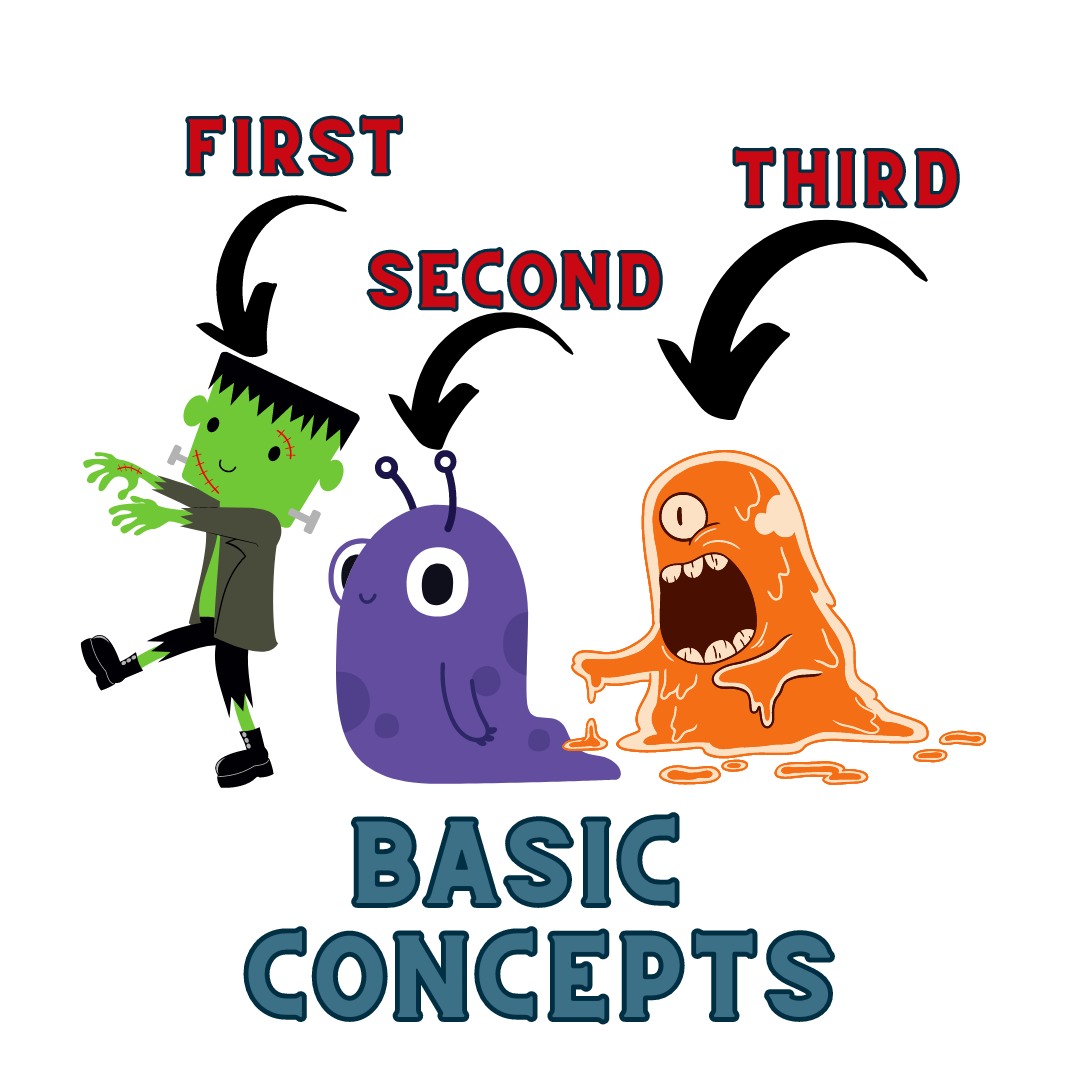
Time concepts: first, next, last, before, after
Descriptive concepts: hot, cold, wet, dry, full, empty
These words seem simple, but they carry big meaning. A child who understands and uses basic concepts can follow instructions like “Put the red block under the table” or “Take one cookie and save the rest.”
Why Teaching Basic Concepts Matters
Basic concepts form the language children use to think, learn, and organize information. They’re critical for both academic success and everyday communication.
When children understand these words, they can:
Follow directions in class (“Circle the picture above the tree.”)
Participate in routines (“Get your backpack before lunch.”)
Develop math and reading readiness skills (“Find the biggest shape.”)
Express ideas clearly and accurately
Without a solid grasp of concepts, children may struggle to understand instructions, complete classroom tasks, or describe what they mean — even if they know the individual words.
When Children Learn Basic Concepts
Most children begin learning basic concepts between ages 2 and 6, starting with opposites and spatial words.
Here’s a general timeline:
Ages 2–3: in/out, up/down, big/little, hot/cold
Ages 3–4: behind/in front, first/last, same/different, full/empty
Ages 4–5: before/after, between, more/less, around, left/right
By kindergarten, children are expected to understand and use most basic concepts in daily conversation and classroom directions.
How SLPs Teach Basic Concepts
Speech-language pathologists (SLPs) use fun, play-based activities to teach concepts in meaningful, real-world contexts. Instead of flashcards or drills, they weave new words into games, stories, and hands-on exploration.
Some of the most effective techniques include:
1. Modeling and Repetition
SLPs model the concept clearly and repeat it often during play:
“The car is under the table!”
“Let’s put the bear on top of the chair.”
“Now your turn — can you put it under?”
Repetition helps children hear the word many times in different situations.
2. Visual and Movement Cues
Concepts become easier to understand when paired with actions:
Use gestures (pointing, jumping, moving objects)
Draw or show pictures to illustrate meaning
Let the child move items themselves to see the difference
For example, placing toys in a box versus on the box reinforces understanding through action.
3. Thematic Play and Stories
Concepts make more sense when connected to familiar routines or themes:
During snack time: “You have more crackers; I have less.”
During art: “Color inside the circle.”
During storytime: “The cat is under the bed.”
Using themes like weather, animals, or holidays helps reinforce concepts naturally over time.
4. Contrast and Comparison
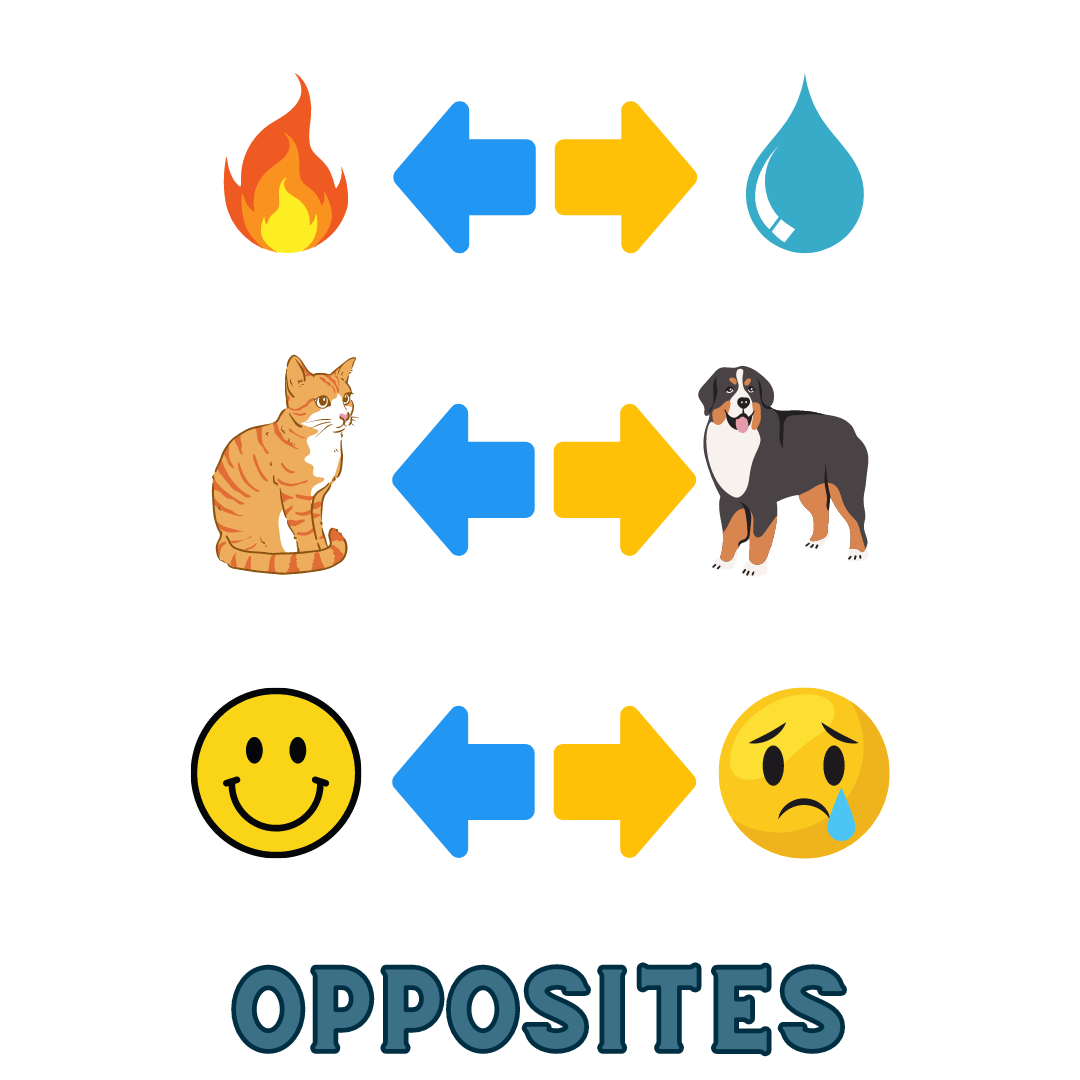
Teaching opposites helps children grasp meaning quickly:
Big vs. small
Full vs. empty
Fast vs. slow
Show both examples and talk about how they differ — visual contrast makes concepts stick.
How to Teach Basic Concepts at Home
Parents and caregivers play a huge role in helping children learn basic concepts through everyday routines. You don’t need special materials — just talk, play, and explore together!
Try These Fun, Easy Ideas:
Play hide-and-seek: Emphasize spatial words like behind, under, and next to.
Sort laundry: Talk about big/small clothes or same/different colors.
Cook together: Discuss full/empty, hot/cold, and first/next/last.
Read picture books: Point out what’s above, below, or between on each page.
Build with blocks: Practice more/less, tall/short, and on/off.
Use movement games: “Jump over the pillow,” “Stand beside the chair.”
When you connect words to actions and objects, your child learns faster and remembers longer.
Tips for Success
Start simple: Focus on one or two new concepts at a time.
Use real-life moments: Everyday routines are the best teaching opportunities.
Repeat and rephrase: Use the same concept word in multiple ways.
Celebrate effort: Praise attempts to use new words — even partial success builds confidence.
Keep it fun: Laughter and play make learning memorable.
Children learn best when they’re engaged, not pressured.
When to Seek Help
If your child:
Struggles to follow basic directions using concepts
Doesn’t understand simple spatial or size words by age 4
Uses only vague words like “that” or “there” instead of descriptive ones
…it may help to meet with a speech-language pathologist. The SLP can assess comprehension and teach strategies for understanding and using basic concepts more effectively.
FAQs
What’s the best age to start teaching basic concepts?
Start as early as 2 years old! Use daily routines to model concepts naturally through play and conversation.
Can preschoolers with language delays catch up?
Yes. With early, consistent exposure and SLP support, most children make excellent progress learning concepts before kindergarten.
Do bilingual children learn concepts differently?
They may learn concept words in both languages at different times, but understanding develops normally when both languages are modeled clearly.
Building a Foundation for Learning
Basic concepts may sound simple, but they’re powerful tools for communication and comprehension. When children understand ideas like in, on, big, more, and first, they’re better prepared for reading, math, and classroom learning.