If you’ve ever heard a child say “pay” for “play” or “fog” for “frog,” you’ve seen cluster reduction in action. This is a common speech pattern in early language development where one sound in a consonant blend is left out.
While cluster reduction is normal for younger children, by a certain age, most should be able to pronounce blends clearly. For speech-language pathologists (SLPs), teaching accurate R and L blends—like bl, fl, cr, and gr—is an important step toward clear, confident speech.
This guide breaks down what cluster reduction is, when it typically resolves, and how to teach R and L blends effectively in therapy.
What Is Cluster Reduction?
Cluster reduction occurs when a child simplifies a consonant cluster (two or more sounds together) by omitting one sound.
Examples include:
“pane” for “plane” (missing /l/)
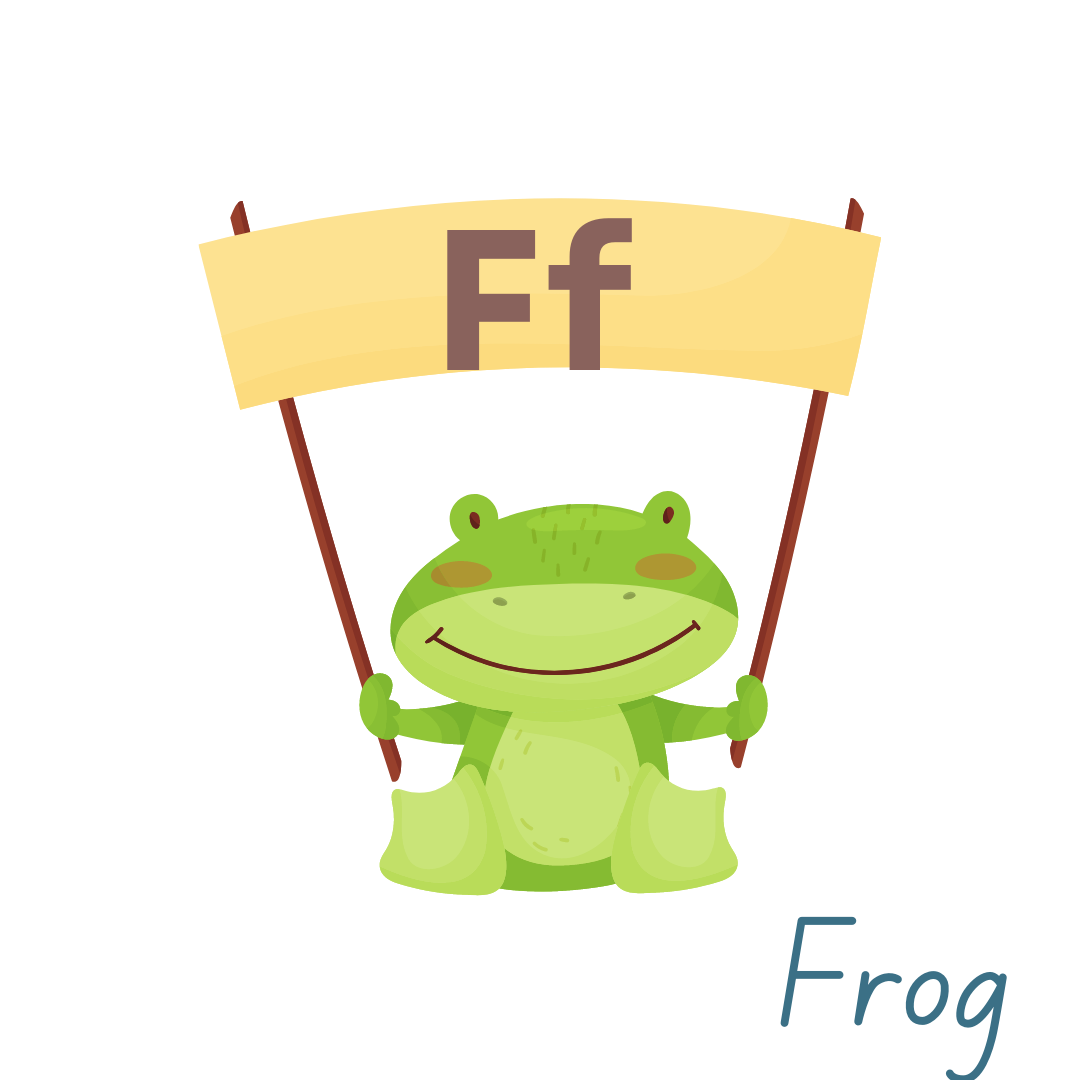
“fog” for “frog” (missing /r/)
“tee” for “tree” (missing /r/)
“bue” for “blue” (missing /l/)
In these examples, the child keeps one sound from the cluster and drops the other to make pronunciation easier.
This pattern is considered a phonological process, meaning it reflects a developmental way of simplifying speech—not just a random mistake.
When Is Cluster Reduction Typical?
Cluster reduction is normal in early speech but should fade as children’s speech and motor control mature.
Two- to three-year-olds often use cluster reduction.
By age four, most children produce simple clusters correctly (like sp, st, bl).
By age five or six, blends with /r/ and /l/—such as gr, tr, and pl—are typically mastered.
If cluster reduction persists past age five, it may indicate a need for targeted speech therapy.
Why R and L Blends Are Especially Challenging
R and L blends are some of the toughest for children because they involve complex tongue movements and quick coordination.
For example:
In play, the lips form /p/, then the tongue quickly lifts for /l/.
In frog, the lips start rounded for /f/ before the tongue pulls back for /r/.
These quick transitions require strong oral-motor control and precise timing—skills that are still developing in young children.
How to Teach R and L Blends in Speech Therapy
When targeting R and L blends, the goal is to help the child recognize the missing sound, learn correct placement, and then blend both sounds smoothly.
Here’s a step-by-step approach used by many SLPs:
Step 1: Build Awareness
Start by helping the child hear the difference between correct and reduced blends. Use auditory discrimination activities such as:
Listening games (“Do these sound the same—‘play’ or ‘pay’?”).
Minimal pair cards that show how meaning changes when one sound is dropped.
Visuals of mouth shapes to highlight how both sounds work together.
When children can hear the difference, they’re more motivated to fix it.
Step 2: Teach Sound Placement
Before blending, ensure the child can produce each sound individually.
For L blends, focus on:
For R blends, teach:
Use mirrors, tongue visuals, or hand cues to show what’s happening in the mouth.
Step 3: Start with Simplified Blends
Begin with easier combinations—often those that share similar articulatory movements.
For L blends, start with:
For R blends, start with:
Use visual supports like pictures of words (blue, flag, green) and practice slowly, stretching the blend (“bllllue,” “fffflag”) before saying it at a natural rate.
Step 4: Practice in Syllables and Words
Once the child can say the blend correctly in isolation, move to syllables and words.
Examples:
Syllables: bre, bro; pla, ple, plo
Words: bread, green, flag, blue, clown
Encourage the child to hold the first sound slightly longer to keep both parts of the cluster in mind (“fffflag”). Gradually fade the cue as accuracy improves.
Step 5: Generalize to Phrases and Conversation
When accuracy in words is consistent, move into phrases, sentences, and conversation.
Examples:
“Blue balloon”
“Green grass”
“Please play outside.”
Games, stories, or role-play keep practice natural and engaging while building carryover.
Fun Therapy Activities for R and L Blends
Keeping therapy fun increases motivation and progress. Try these creative ideas:
Picture sorting games: Sort cards into /r/ and /l/ blend piles.
Spin-and-say: Use a spinner with blend options (bl, fl, gr, tr). Say a word for wherever it lands.
Race games: Move a game piece forward each time the blend is produced correctly.
Crafts and coloring: “Color the blue sky” or “Glue the green frog.”
Story-building: Create silly stories packed with blend words (“The frog flew in a blue balloon”).
When children are having fun, they practice longer—and with better results.
Parent and Caregiver Tips for Home Practice
At home, short and consistent practice helps reinforce progress.
Model the correct blend naturally during play (“Let’s play with the blocks”).
Use visuals or gestures to remind your child of tongue position.
Keep it positive: Celebrate effort, not just perfection.
Practice little and often: Just five minutes a day can make a difference.
FAQs
Is cluster reduction a speech delay or a disorder?
Cluster reduction is a normal developmental pattern, but if it persists beyond age five, it may indicate a speech sound disorder that can benefit from therapy.
Which blends are hardest to master?
Blends with /r/ and /l/ are often the most challenging because of the complex tongue movement involved.
How long does it take to correct cluster reduction?
It depends on the child’s age, consistency, and motivation. With regular therapy and practice, many children show noticeable improvement within a few months.