When children learn to answer “why” questions, something amazing happens—they start to think beyond the obvious. Instead of naming or describing, they begin to reason, explain, and connect ideas.
“Why” questions go beyond language—they build problem-solving, social understanding, and academic readiness. But for many children, these questions are tricky because they require both comprehension and reasoning.
As a speech-language pathologist (SLP), I love teaching “why” questions because they reveal how children think. Let’s explore why “why” questions are challenging, when they typically develop, and fun ways to teach them in therapy and at home.
What Are “Why” Questions?
“Why” questions ask for a reason or cause. They help us understand why something happens or why someone feels a certain way.
Examples:
SLP insight: Answering “why” requires more than memory—it requires thinking. Children must connect cause and effect, recall background knowledge, and express it clearly.
When Do Children Learn to Answer “Why” Questions?
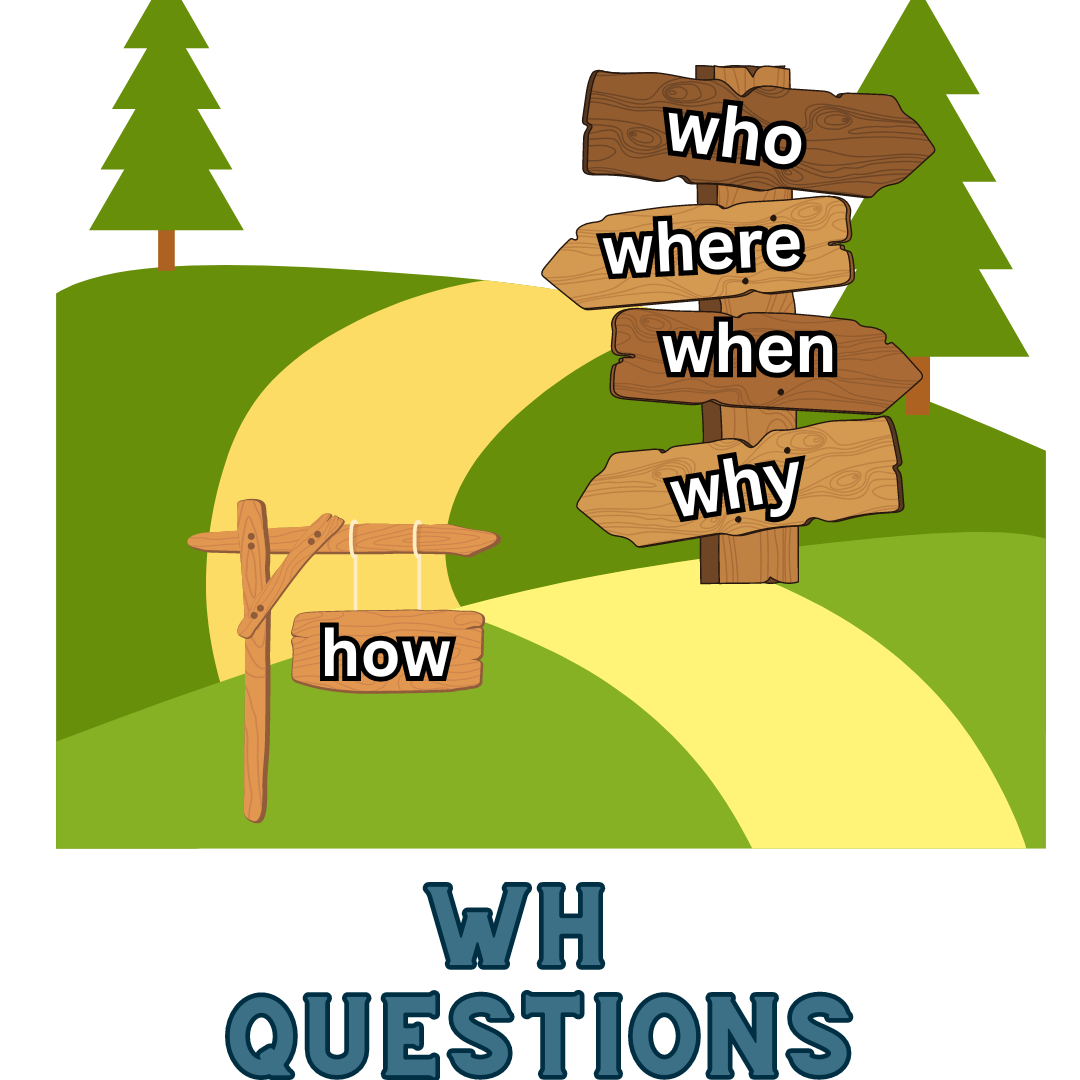
Most children begin answering basic wh questions (what, who, where) between ages 2 and 4. “Why” questions appear later, typically between ages 4 and 6, when reasoning skills mature.
| Age Range | Expected Question Skills |
|---|
| 2–3 years | Answers simple “what” and “where” questions |
| 3–4 years | Understands “who” and some “when” questions |
| 4–6 years | Begins to answer “why” and “how” questions with short explanations |
Goal: By kindergarten, most children can answer simple “why” questions about daily routines and familiar experiences.
Why “Why” Questions Are Hard
Children often struggle with “why” questions for a few reasons:
They require reasoning, not just recall.
The child must think about cause and effect (e.g., “Why do we eat?” → “Because we get hungry.”).
They demand complete sentences.
One-word answers don’t always make sense (“Why is it raining?” → “Because water!”).
They depend on vocabulary and background knowledge.
Children need to know words like because, rain, hungry, cold to explain clearly.
SLP tip: Teaching “why” questions strengthens comprehension and expressive language together—it’s one of the most powerful ways to build deeper thinking.
How to Teach “Why” Questions Step-by-Step
The best way to teach “why” is through meaningful, visual, and real-life experiences—not rote drills.
1. Start with Simple, Concrete Situations
Begin with familiar routines and clear visuals.
Use toys, pictures, or real-life actions while asking. This helps the child connect the question to the reason.
Goal: Build understanding before expecting verbal answers.
2. Model the Answer with “Because”
Children learn by hearing good examples.
Then encourage the child to repeat or finish the sentence:
SLP insight: Pairing “why” + “because” helps children learn sentence structure and reasoning at the same time.
3. Use Visual Supports and Stories
Show short picture stories or cause-and-effect scenes.
Tip: Visuals make abstract reasoning concrete. Children can see the cause and result right in front of them.
4. Play “Why” Games During Daily Routines
Turn everyday moments into language opportunities:
During snack: “Why are you using a spoon?”
During play: “Why did the car stop?”
During cleanup: “Why do we put toys away?”
Keep your tone curious and positive—it’s about exploring, not testing.
Goal: Help “why” questions feel natural and conversational.
5. Use Books to Spark Discussion
Books are perfect for “why” questions because they show characters, feelings, and events.
Book ideas:
The Snowy Day by Ezra Jack Keats (“Why did the snow melt?”)
The Very Hungry Caterpillar by Eric Carle (“Why did he eat so much?”)
Don’t Let the Pigeon Drive the Bus! by Mo Willems (“Why can’t the pigeon drive?”)
Ask open-ended questions, and model answers if needed.
SLP tip: You can pair “why” with other wh questions to build full comprehension (“Who is eating? Why is he eating?”).
6. Build Vocabulary for Explaining Reasons
Children need “because words” to explain their thoughts. Teach phrases like:
because
so
to keep
to help
so that
Example: “Why do we sleep?” → “To rest,” or “Because we get tired.”
Goal: Give children the language tools they need to express reasoning, not just the right answer.
How SLPs Target “Why” Questions in Therapy
Speech-language pathologists use structured, playful activities that build reasoning and sentence structure together:
Cause-and-effect cards (e.g., “It’s raining → We use an umbrella”)
Story retells (“Why did the character cry?”)
Problem-solving games (“Why did the block tower fall?”)
Role-play (“Why should we say sorry?”)
SLP insight: Teaching “why” also builds social communication—understanding others’ thoughts and motivations.
FAQs
At what age should my child answer “why” questions?
Most children begin around age 4, but true reasoning continues to develop through early elementary years.
What if my child always answers “because” but doesn’t finish the sentence?
Model full responses and pause for them to complete it. For example: “Because…” (pause) → “Because it’s cold.”
My child just says “I don’t know” to every “why” question. What can I do?
Start with simple, visual situations and model answers often. Avoid quizzing—keep it playful and repetitive.
Turning Curiosity Into Communication
Answering “why” questions helps children move from describing to thinking, from naming to explaining. It’s one of the most meaningful milestones in language growth. With repetition, modeling, and play, kids learn not only to answer—but to understand the world around them.