Why Inferencing Skills Matter in Communication Development
Do your students struggle to understand the hidden meanings in stories or conversations? Many children find inferencing challenging yet crucial for communication success. Inferencing allows children to “read between the lines” and grasp information not directly stated.
Children with language disorders often show difficulty making logical connections from available information. This gap impacts their reading comprehension, social interactions, and academic performance. Early intervention with targeted inferencing activities helps bridge these developmental needs.
Teaching inferencing creates pathways to stronger conversation skills and deeper understanding. Let’s explore why this skill matters and how you can support inferencing development effectively.
Understanding Inferencing in Language Development
Inferencing involves making logical connections between information provided and background knowledge. This higher-level thinking skill helps children understand information that isn’t explicitly stated.
SLPs recognize inferencing as a foundational skill for both academic and social success. Without this ability, children may miss important details in stories or misinterpret social situations.
Here’s why inferencing plays a critical role in language development:
Enhances Reading Comprehension
Books and stories contain information that isn’t always directly stated. Good readers constantly make inferences about characters’ feelings, motivations, and likely outcomes.
When a story mentions “dark clouds gathering” and “people rushing inside,” children must infer that it might rain soon. This skill helps them understand narrative elements that authors imply rather than state outright.
SLPs use narrative texts to build inferencing skills gradually. Starting with simple picture books and advancing to more complex stories helps children develop this critical reading skill.
Improves Social Communication
Social interactions rely heavily on inferencing skills. Children must interpret facial expressions, tone of voice, and body language to understand others’ emotions and intentions.
When a friend crosses their arms and frowns, children need to infer that the friend might be upset or angry. Missing these social cues leads to communication breakdowns and relationship difficulties.
Parents can support this skill by discussing emotions and social situations in everyday life. Simple questions like “How do you think she feels based on her face?” build social inferencing naturally.
Boosts Critical Thinking Abilities
Inferencing requires connecting existing knowledge with new information. This mental process strengthens overall reasoning and problem-solving skills.
When children infer why a character made certain choices in a story, they practice analyzing motivations and causes. This analytical thinking transfers to other learning areas and life situations.
Teachers value this skill because it supports deeper engagement with academic content. Students who can infer meaning become more independent, thoughtful learners.
Supports Academic Achievement
Many classroom activities require inferencing skills. From science experiments to math word problems, students must often draw conclusions based on available information.
Students who struggle with inferencing may have difficulty understanding test questions, following multi-step directions, or grasping the main idea in lessons. These challenges can affect performance across subjects.
SLPs often collaborate with teachers to reinforce inferencing in academic contexts. This partnership helps children apply their skills to classroom learning.
Develops Independent Communication
Children who can make inferences become more active participants in conversations. They ask relevant questions, make thoughtful comments, and follow discussions more easily.
The ability to infer helps children navigate new situations by applying previous knowledge. This skill supports adaptability and confidence in various communication settings.
Parents notice that children with strong inferencing skills often show more curiosity and engagement with the world around them. Their questions and observations reflect deeper thinking.
Effective Strategies for Teaching Inferencing
Teaching inferencing requires systematic approaches that build skills progressively. These evidence-based strategies help children grasp this sometimes abstract concept.
SLPs use structured methods to make inferencing concrete and accessible. Breaking down the process helps children understand how to connect information logically.
Try these proven teaching strategies:
Use Visual Supports and Cues
Visual aids make abstract inferencing processes more concrete. Pictures, comics, and video clips provide rich contexts for practicing inference skills.
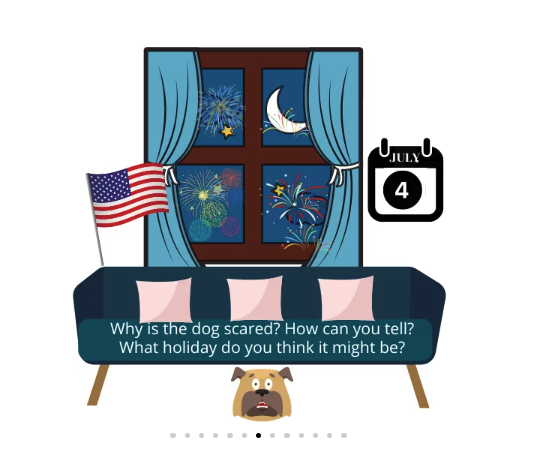
Show a picture of muddy boots by a door and ask, “What happened earlier today?” This prompts children to connect visual clues with logical conclusions.
Parents can use family photos or pictures from magazines for simple inferencing practice at home. Questions like “What season is it in this picture?” encourage children to look for visual clues.
Teach the “Clue + Background Knowledge” Formula
Help children understand that inferencing combines clues from the text or situation with what they already know. This simple formula makes the process clearer.
Use a graphic with the equation “Clues + What I Know = Inference” to visualize this concept. For example, “The boy wore a heavy coat + Heavy coats keep you warm = It was cold outside.”
Teachers can post this formula in classrooms as a reminder during reading activities. This visual prompt helps students remember the inferencing process.
Model “Thinking Aloud” During Reading
Demonstrate inferencing by verbalizing your thought process while reading or viewing materials. This explicit modeling shows children how to connect information.
While reading a story, pause and say, “The text doesn’t tell us how the character feels, but she’s smiling and jumping up and down. I can infer she feels excited because people usually smile and jump when they’re happy.”
SLPs use this technique regularly in therapy sessions. The verbal walkthrough helps children understand the mental steps involved in inferencing.
Start With Clear, High-Probability Inferences
Begin with obvious inferences before moving to more subtle ones. Success with clear examples builds confidence for tackling more challenging inferences.
Use scenarios with strong contextual clues like “Sam grabbed an umbrella before going outside” to prompt the inference that it’s raining. These straightforward connections create early success.
Parents can create simple inferencing opportunities during daily routines. Comments like “I see you brought your water bottle. I infer you might be thirsty” demonstrate everyday inferencing.
Connect Emotions to Situations and Behaviors
Help children understand the relationship between situations, behaviors, and emotional states. This emotional inferencing supports both reading comprehension and social skills.
Show pictures of people in various situations and discuss what emotions they might be feeling and why. Questions like “How does the girl feel after dropping her ice cream?” build emotional inferencing.
Teachers can incorporate emotion inferencing during read-alouds by discussing characters’ feelings. Questions about why characters feel certain ways help children connect actions to emotions.
10 Engaging Inferencing Activities for Speech Therapy
Effective therapy combines structured learning with engaging practice. These activities make inferencing accessible and enjoyable for children of all ages.
SLPs, parents, and teachers can adapt these ideas based on children’s interests and abilities. The key is providing multiple opportunities to practice inferencing in meaningful contexts.
Try these ten powerful activities to build inferencing skills:
1. Mystery Bag Challenge
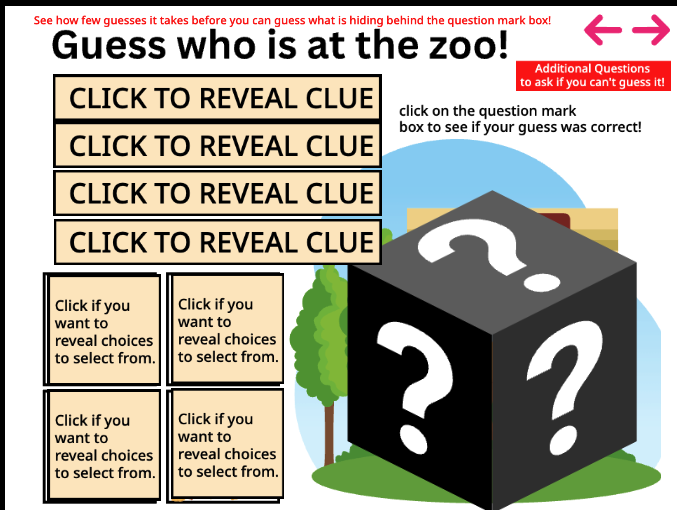
Fill a bag with an object and give verbal clues about what’s inside. Children must use these clues to infer the hidden item.
Start with simple clues like “It’s round, you can bounce it, and you use it in sports” for a ball. Advance to more abstract clues as skills develop.
This activity teaches children to combine multiple pieces of information to reach a logical conclusion. The hands-on nature makes abstract inferencing more concrete.
2. Picture Story Sequencing
Show a series of pictures depicting a story but remove one or more scenes. Ask children to infer what happened in the missing scenes based on the available information.
For example, show a child eating ice cream, then the same child crying with an empty cone. Children must infer that the ice cream fell off the cone.
This activity helps children understand cause-effect relationships and narrative sequencing. The visual support makes inferencing more accessible than text-only approaches.
3. “What Happened Before?” Photos
Present photos showing the result of an action or event. Children must infer what happened before the picture was taken.
Photos might include a messy kitchen, a broken toy, or a child wearing a medal. Questions like “What do you think happened here?” prompt inferential thinking.
Parents can use family photos for this activity, making it personally relevant. Discussing “what happened before” family snapshots creates meaningful inferencing practice.
4. Emotion Detective Game
Show pictures of people displaying various emotions but hide the context. Children must infer why the person feels that way based on facial expressions and other visible clues.
Follow up by revealing the full scene and discussing whether their inferences matched the actual situation. This reflection strengthens inferential reasoning.
This activity directly supports social inferencing skills needed for peer interactions. Understanding others’ emotions from limited cues is essential for social communication.
5. Object Function Inferencing
Present unusual or unfamiliar objects and ask children to infer their functions based on physical characteristics. This builds logical reasoning about purpose from visual features.
Items might include unusual kitchen gadgets, tools from specific professions, or objects from different cultures. Questions like “What do you think this is used for?” encourage inferential thinking.
SLPs can create theme-based collections of objects for targeted vocabulary development alongside inferencing practice. This dual focus maximizes therapy time.
6. “Finish the Story” Challenge
Begin telling a story but stop at a critical point. Ask children to infer what happens next based on the characters, setting, and events established so far.
Provide scaffolding as needed with prompts like “The character is afraid of water, so what might happen when she reaches the river?” This guidance supports successful inferencing.
Teachers can use this activity during writing instruction to build narrative skills alongside inferencing. Students can write or tell their inferred endings.
7. Commercial Detective
Show short commercials with the sound off. Ask children to infer what product is being advertised based on the visual information alone.
After making predictions, replay the commercial with sound to confirm or correct inferences. Discuss what visual clues led to accurate or inaccurate predictions.
This activity helps children understand how advertisers use visual information to convey messages. The analysis supports critical thinking alongside inferencing skills.
8. Environmental Print Inferencing
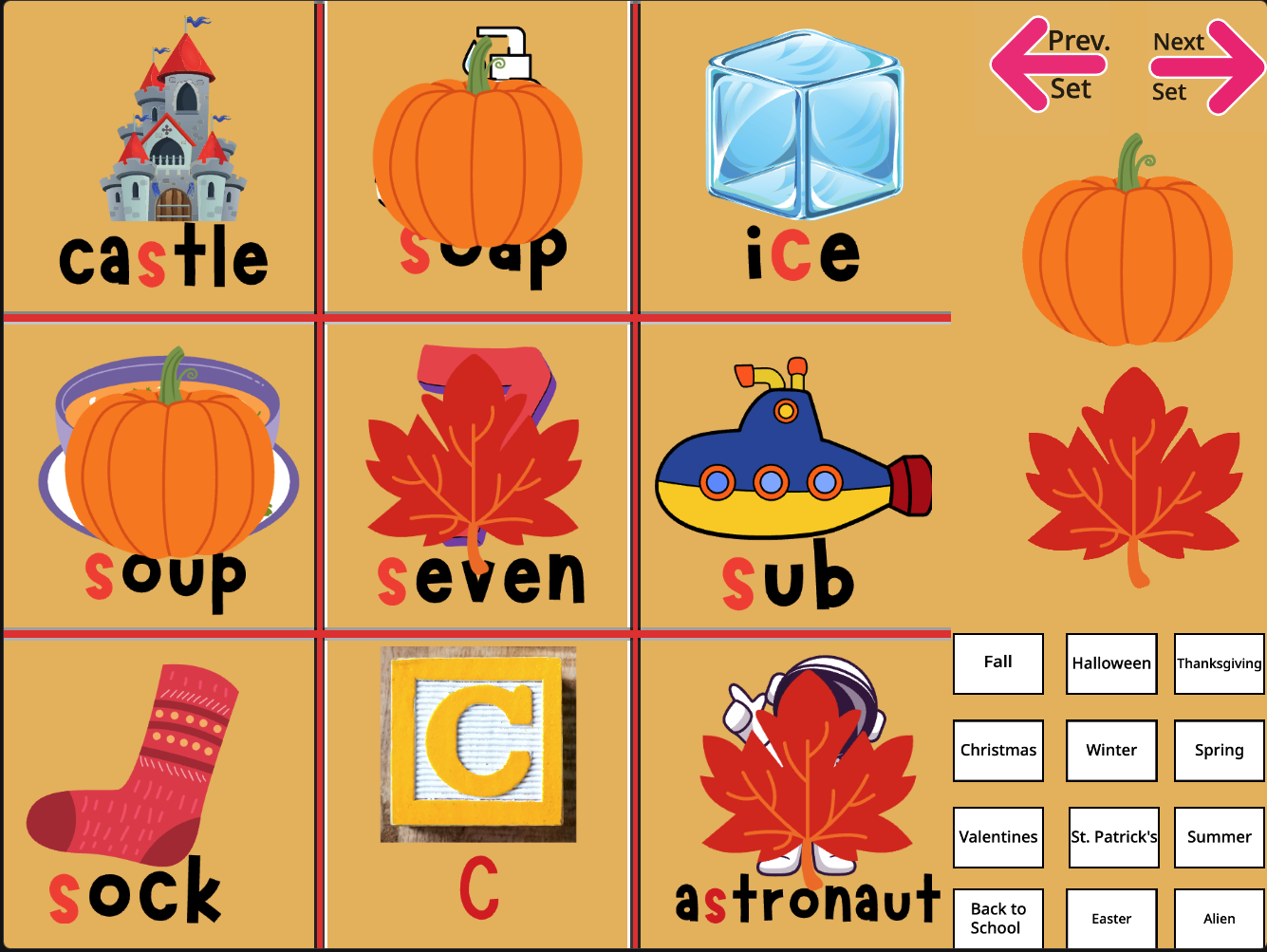
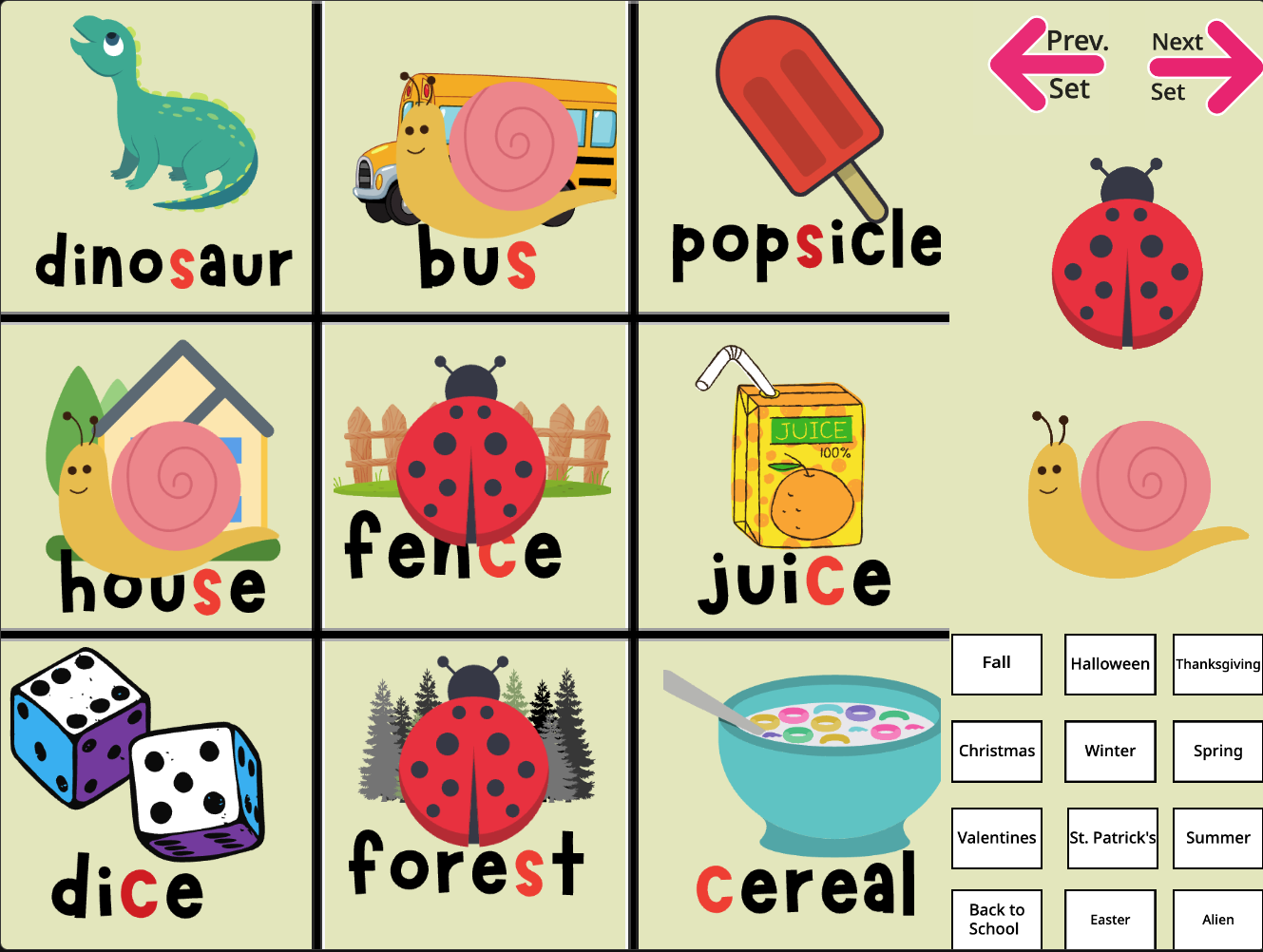
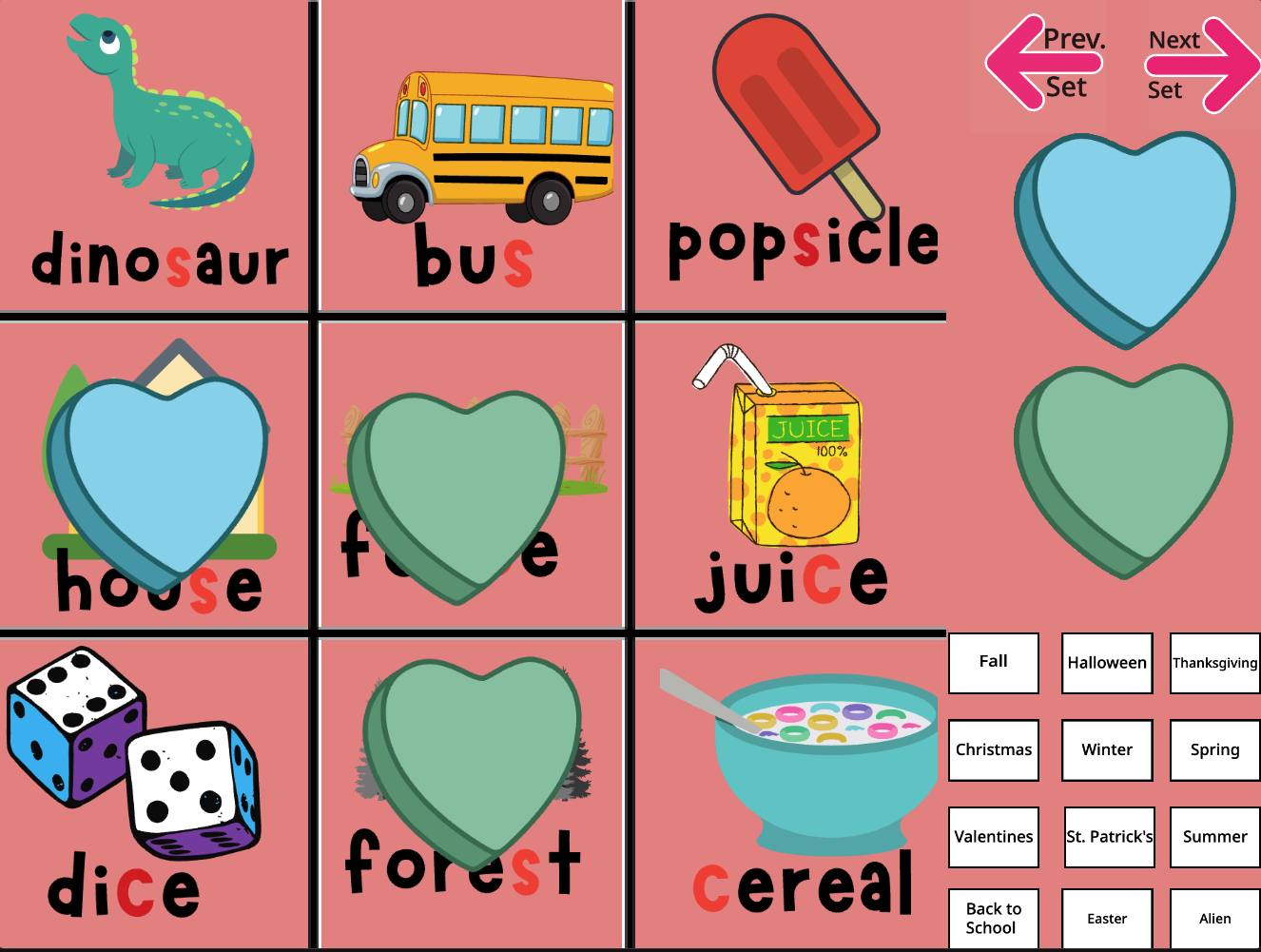
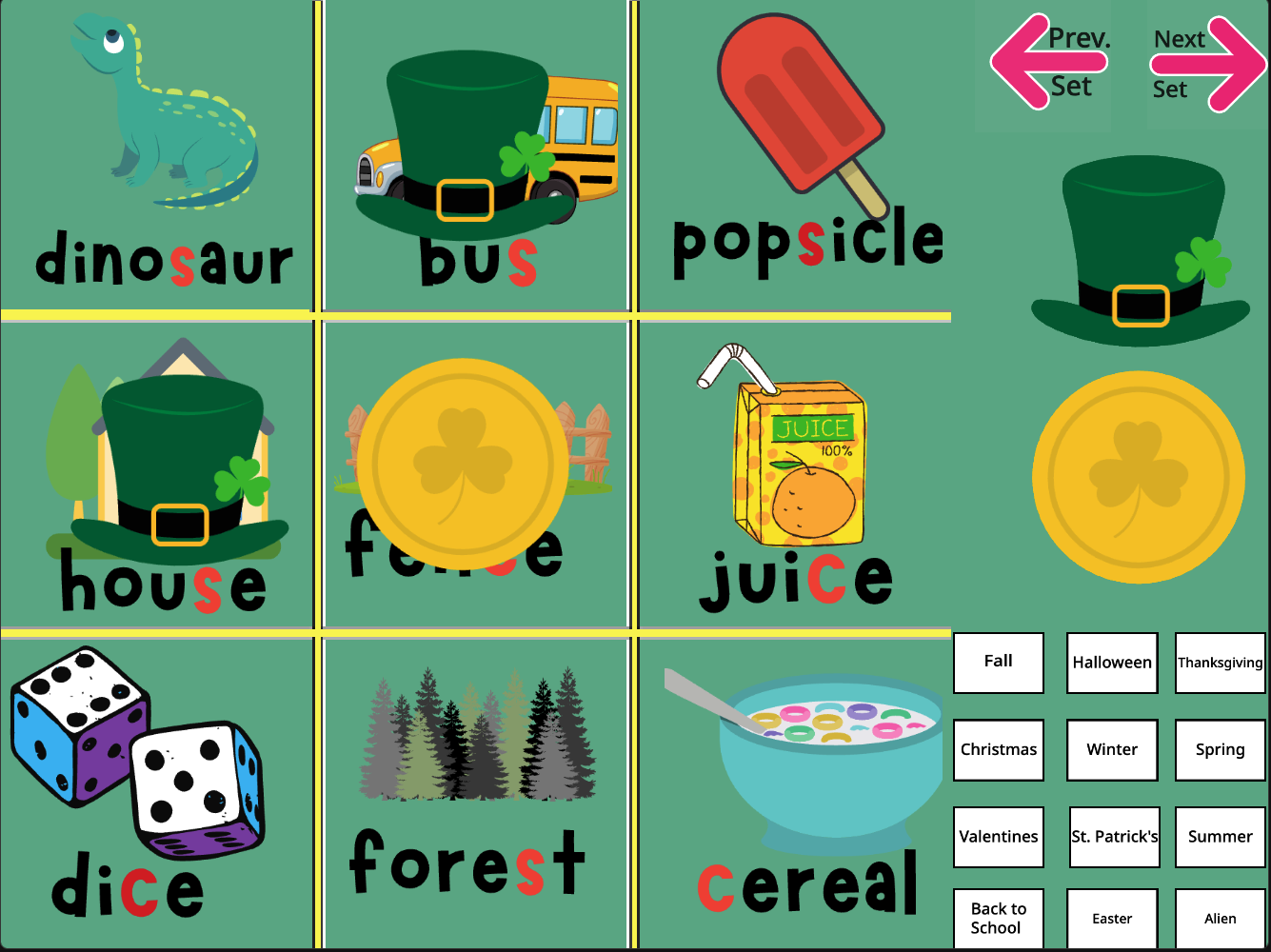
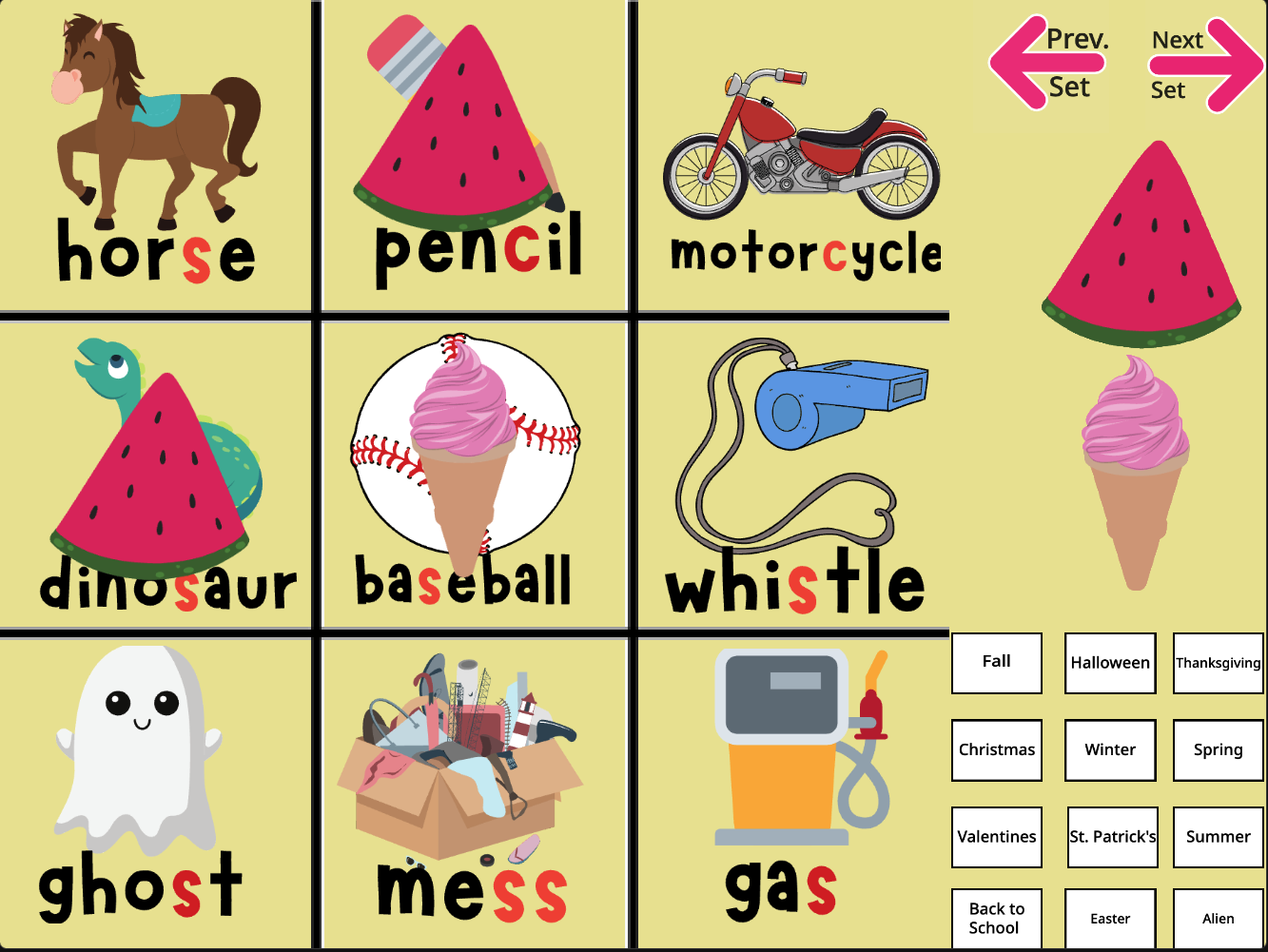
Use logos, signs, and symbols from familiar environments. Cover part of the image and ask children to infer what it represents.
Examples might include partially covered restaurant logos, road signs, or store fronts. Children use their background knowledge to complete the visual information.
This activity connects inferencing to real-world literacy. Parents can point out environmental print during community outings for spontaneous practice.
9. “What’s in His Backpack?” Game
Describe a character with specific traits, interests, or jobs. Ask children to infer what items might be in that person’s backpack or bag.
For example, “This person loves to draw pictures and is going to the park today. What might be in their backpack?” encourages children to connect personal traits with logical possessions.
SLPs can adapt this activity to target specific vocabulary by creating characters related to theme units or curriculum topics. This alignment supports classroom learning.
10. Social Scenario Cards
Create cards describing the beginning of social situations. Children must infer what might happen next and how the people involved might feel.
Scenarios might include “Jamie forgot his lunch at home” or “Sophia fell off her bike at the park.” Questions about next actions and feelings prompt social inferencing.
Teachers find this activity valuable for building both inferencing and social problem-solving skills. The discussions help children prepare for real social challenges.
Adapting Inferencing Activities for Different Age Groups
Children’s inferencing abilities develop over time, requiring different approaches based on age and language level. These adaptations help make activities accessible to various learners.
SLPs regularly modify activities to match developmental needs. These adjustments ensure appropriate challenge without frustration.
Consider these adaptations for different groups:
For Preschool and Early Elementary Children
Use highly visual materials with clear cause-effect relationships. Picture sequences with obvious connections support early inferencing.
Incorporate favorite characters or topics to maintain interest. Personalized materials increase motivation for potentially challenging tasks.
Keep activities brief (5-7 minutes) and provide immediate feedback. Young children benefit from quickly connecting their inferences to correct conclusions.
For Upper Elementary Students
Introduce written materials alongside visual supports. Short paragraphs with implied information build the bridge to text-based inferencing.
Connect inferencing to curriculum topics in science, social studies, or literature. This integration shows the real-world relevance of inferencing skills.
Challenge students to explain their reasoning process. Questions like “How did you know that?” build metacognitive awareness alongside inferencing ability.
For Middle School Students
Focus on social inferencing in peer scenarios. Role-playing activities with subtle social cues reflect the complex social world of adolescents.
Incorporate media literacy by analyzing advertisements, news headlines, or social media posts. These real-world materials require sophisticated inferencing.
Encourage self-monitoring of inferencing accuracy. Activities where students rate their confidence in their inferences build metacognitive skills.
Supporting Inferencing Skills at Home
Parents play a crucial role in developing inferencing ability. These simple strategies integrate inferencing practice into daily family life.
Consistent, natural practice at home reinforces skills learned in therapy or school. These everyday learning opportunities often prove most effective.
Try these family-friendly approaches:
Incorporate Inferencing Into Everyday Conversations
Ask inferencing questions during regular activities. At dinner, questions like “Why do you think we’re having pasta tonight?” prompt children to use contextual clues.
Point out your own inferences during the day. Comments like “I see dark clouds. I infer it might rain soon” model the inferencing process naturally.
Discuss characters’ feelings and motivations while watching TV shows or movies together. Questions about why characters made certain choices build narrative inferencing.
Create Inferencing Routines
Play guessing games during car rides or waiting times. “I spy something that you use when it’s cold outside” encourages inferential thinking.
Make inference questions part of bedtime reading. Beyond the story content, discuss implied meanings and predictions about what might happen next.
Start a family tradition of “Mystery Box Monday” where family members give clues about an object hidden in a box. This regular practice builds inferencing skills through play.
Support Background Knowledge Development
Build the foundation for inferencing by expanding children’s general knowledge. Visits to museums, nature centers, and community events provide experiences to draw upon.
Discuss how new information connects to what children already know. These connections strengthen the knowledge networks needed for successful inferencing.
Explore new vocabulary words in context rather than in isolation. Understanding words deeply supports the background knowledge needed for inferencing.
Frequently Asked Questions About Teaching Inferencing
How do I know if my child has difficulty with inferencing?
Watch for these signs: frequently missing the point of stories, taking idioms literally, struggling to understand jokes, or having trouble predicting outcomes in stories.
Children with inferencing challenges often ask many literal questions about content that peers understand implicitly. They may seem confused by “obvious” conclusions.
By age 5-6, most children make simple inferences from pictures and familiar stories. By 7-8, they typically infer causes, effects, and character emotions in grade-level texts.
When should I be concerned about my student’s inferencing skills?
Consider evaluation if a student consistently struggles with grade-level comprehension despite adequate decoding skills. This pattern often indicates inferencing difficulties.
Students who misinterpret social situations repeatedly or have trouble following classroom discussions may need support with inferential language.
Remember that inferencing develops gradually and at different rates. Concern is warranted when difficulties persist across contexts and impact academic or social functioning.
How can I make inferencing more concrete for visual learners?
Use graphic organizers that map the relationship between textual clues and inferences. Simple T-charts with “What the text says” and “What I can infer” columns make the process visible.
Color-code different types of clues in texts or pictures. For example, highlight character actions in yellow and setting details in blue to show how different information supports inferences.
Create visual metaphors like detective work, with magnifying glasses to “find clues” that lead to inferences. This imagery helps children understand the investigative nature of inferencing.
How do language disorders affect inferencing ability?
Children with language disorders often struggle with inferencing due to vocabulary limitations, difficulty processing complex sentences, or challenges integrating information across contexts.
Working memory challenges may prevent some children from holding multiple pieces of information in mind long enough to draw connections between them.
SLPs address these underlying language foundations alongside direct inferencing instruction. Building vocabulary and sentence comprehension supports inferencing development.
How do cultural differences impact inferencing?
Inferencing relies partly on background knowledge, which varies across cultural experiences. Children may make different but valid inferences based on their cultural contexts.
Stories or scenarios from unfamiliar cultural settings may present inferencing challenges even for children with strong skills in familiar contexts.
Respect diverse perspectives in inferencing activities and expand children’s cultural knowledge base. This approach supports both inferencing skills and cultural awareness.
Can technology help teach inferencing skills?
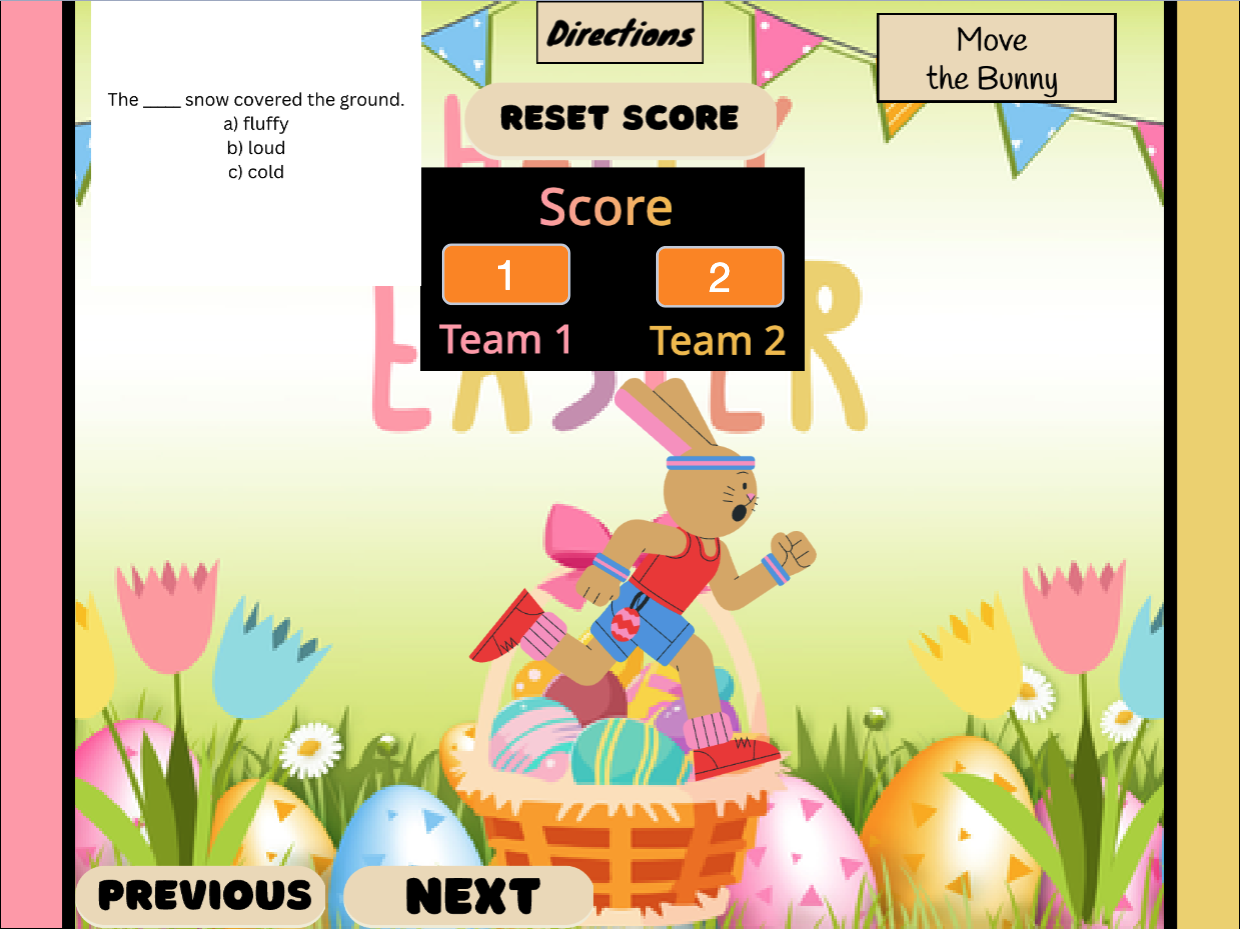
Quality apps and digital activities can support inferencing development through interactive stories, virtual scenarios, and visual thinking tools.
Look for programs that provide scaffolded support rather than immediate answers. The most effective tools guide children through the inferencing process with progressive hints.
Digital tools work best when accompanied by discussion with adults. Conversations about digital content help children verbalize their inferencing process and receive feedback.
Measuring Progress in Inferencing Skills
Tracking growth in inferencing helps adjust instruction and celebrate improvements. These approaches provide meaningful assessment without creating testing pressure.
SLPs use both formal and informal measures to monitor development. Regular assessment guides therapy planning and documents progress.
Consider these methods for tracking inferencing development:
Observation in Natural Contexts
Notice how children apply inferencing during everyday activities. Do they pick up on implied meanings in conversations? Do they make logical predictions during storytimes?
Create a simple checklist of inferencing behaviors to watch for during regular interactions. This ongoing documentation captures real-world skill application.
Record observations across different settings and times of day. This comprehensive approach shows whether skills generalize beyond structured practice.
Structured Activity Performance
Track success rates during specific inferencing activities. Note whether children need support or can make inferences independently.
Document the types of inferences children master first (e.g., physical cause-effect, emotional, predictive). This pattern helps target instruction to developing areas.
Compare performance with familiar versus unfamiliar content. This comparison shows whether background knowledge impacts inferencing success.
Narrative Comprehension Assessment
Use short stories with comprehension questions targeting inferential information. Compare performance on literal versus inferential questions.
Present stories with pictures, then without visual support. This progression shows how well children infer meaning from text alone.
Repeat similar assessments periodically using new but equivalent materials. This approach reliably measures growth over time.
Inferencing forms a critical bridge between literal understanding and deeper comprehension. This essential skill supports reading success, social communication, and academic achievement across subjects.
By implementing the strategies and activities in this guide, SLPs, teachers, and parents can help children develop strong inferencing abilities. The consistent, scaffolded approach ensures children build skills progressively.
Remember that inferencing development takes time and practice. Celebrate small successes and keep activities engaging through personalization and play. With supportive instruction across home and school environments, children can master this vital thinking skill