What Is Initial Consonant Deletion?
Initial consonant deletion (ICD) is a speech pattern where a child leaves off the first sound in a word. For example:
“at” for cat
“up” for cup
“own” for phone
This process significantly affects intelligibility because every word begins with a missing sound, making it hard for others to understand the child.
Unlike some other speech simplifications that children naturally outgrow, initial consonant deletion is not a typical stage of development — it always requires direct intervention from a speech-language pathologist (SLP).
Why Initial Consonant Deletion Happens
Children delete initial consonants for a few possible reasons:
Difficulty hearing or distinguishing between sounds
Weak phonological awareness (understanding that words have parts and sounds)
Habitual simplification to make words easier to say
Motor planning challenges or inconsistent sound patterns
An SLP determines whether the pattern is part of a larger phonological disorder or a specific sound production issue, then tailors therapy to rebuild awareness and accuracy.
Why It’s Important to Treat Early
Because the first sound in a word carries so much meaning, deleting it often makes speech very difficult to understand.
For example:
“at,” “up,” and “out” could all mean completely different things — but without the first consonant, they sound almost the same.
Early, focused therapy helps children become aware of beginning sounds, strengthen motor patterns, and communicate more clearly at home and school.
How SLPs Treat Initial Consonant Deletion
Speech-language pathologists use a contrastive approach to help children hear and produce the difference between words with and without the missing sound. The most effective and research-supported method is called Minimal Pairs Therapy.
What Are Minimal Pairs?
Minimal pairs are pairs of words that differ by only one sound — in this case, the initial consonant.
Examples include:
bat vs. at
sun vs. un
dog vs. og
By contrasting these pairs, children learn that changing just one sound changes the meaning of the word. This helps them recognize the importance of including the initial consonant in speech.
Step-by-Step: Minimal Pairs for Initial Consonant Deletion
1. Auditory Discrimination
The SLP first teaches the child to hear the difference between words.
“Which one is the picture of bat? Which one is at?”
The child learns that missing the first sound changes the meaning. Once they can identify the difference, they’re ready to start practicing production.
2. Imitation and Modeling
Next, the child practices saying both words while the SLP models correct pronunciation.
“You said at. Let’s try bat. Listen… bat starts with a ‘b’ sound.”
Games and visuals make it fun — like feeding a toy monster only the “correct” word or stamping a “correct” card.
3. Independent Production
When the child can imitate accurately, they begin saying the words on their own.
“Tell me which one you’re saying — cat or at?”
Repetition, feedback, and praise reinforce progress.
4. Generalization
The ultimate goal is to use initial consonants naturally in conversation. Therapy activities shift toward play, storytelling, or describing pictures.
“What do you see in the picture?” → “Dog!”
Consistent, functional practice ensures the new pattern sticks outside the therapy room.
Fun Therapy Activities for Initial Consonant Deletion
SLPs keep therapy engaging with games that motivate repetition and awareness. Here are some favorites that require minimal setup:
Picture Sorting
Print or draw pairs of words — one correct, one with the deleted sound. Have the child sort them into two piles: “words that sound right” and “words that sound silly.”
Feed the Monster Game
Create a “hungry monster” using a tissue box or bag. The monster only eats words with their starting sound.
“He only eats words that start with a sound! Will he eat at or cat?”
This game turns correction into laughter and participation.
Car or Train Race
Use toy cars or trains on a track. Each time the child says a word with the correct initial sound, they move their car forward. The first to the finish line wins!
Roll and Say
Write target words on a whiteboard. Roll a die and say that many words correctly to earn a turn. You can add challenges like:
Story Time with Target Words
Use short, repetitive stories filled with words beginning with the target sounds.
“The bear sat on a box and bounced his ball.”
Children love hearing — and repeating — their target words in a silly story.
Minimal Pair Word Lists for Common Targets
Here are a few examples of minimal pairs that address common early-developing sounds:
| Sound | Minimal Pairs |
|---|
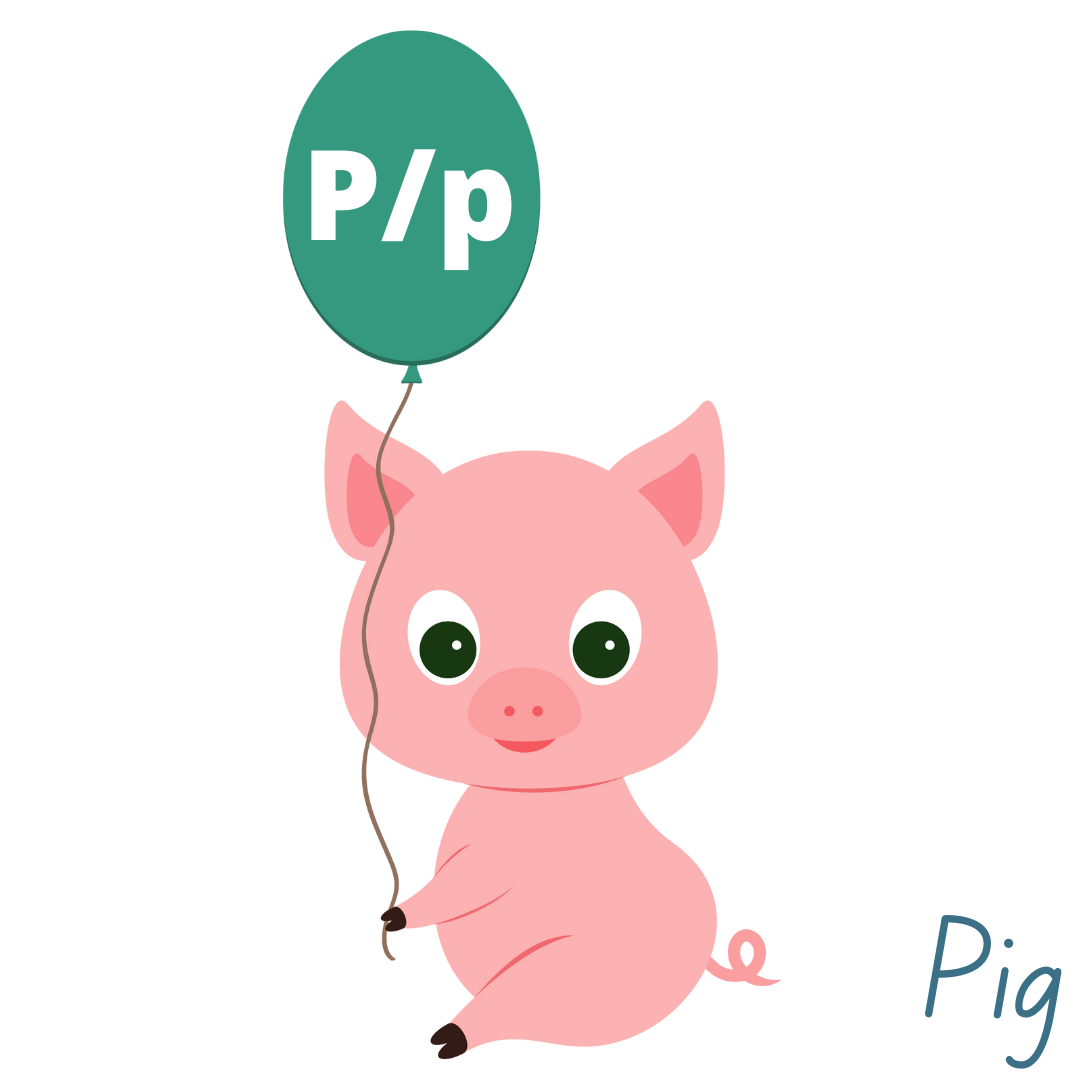
| /p/ | pat–at, pig–ig, pot–ot |
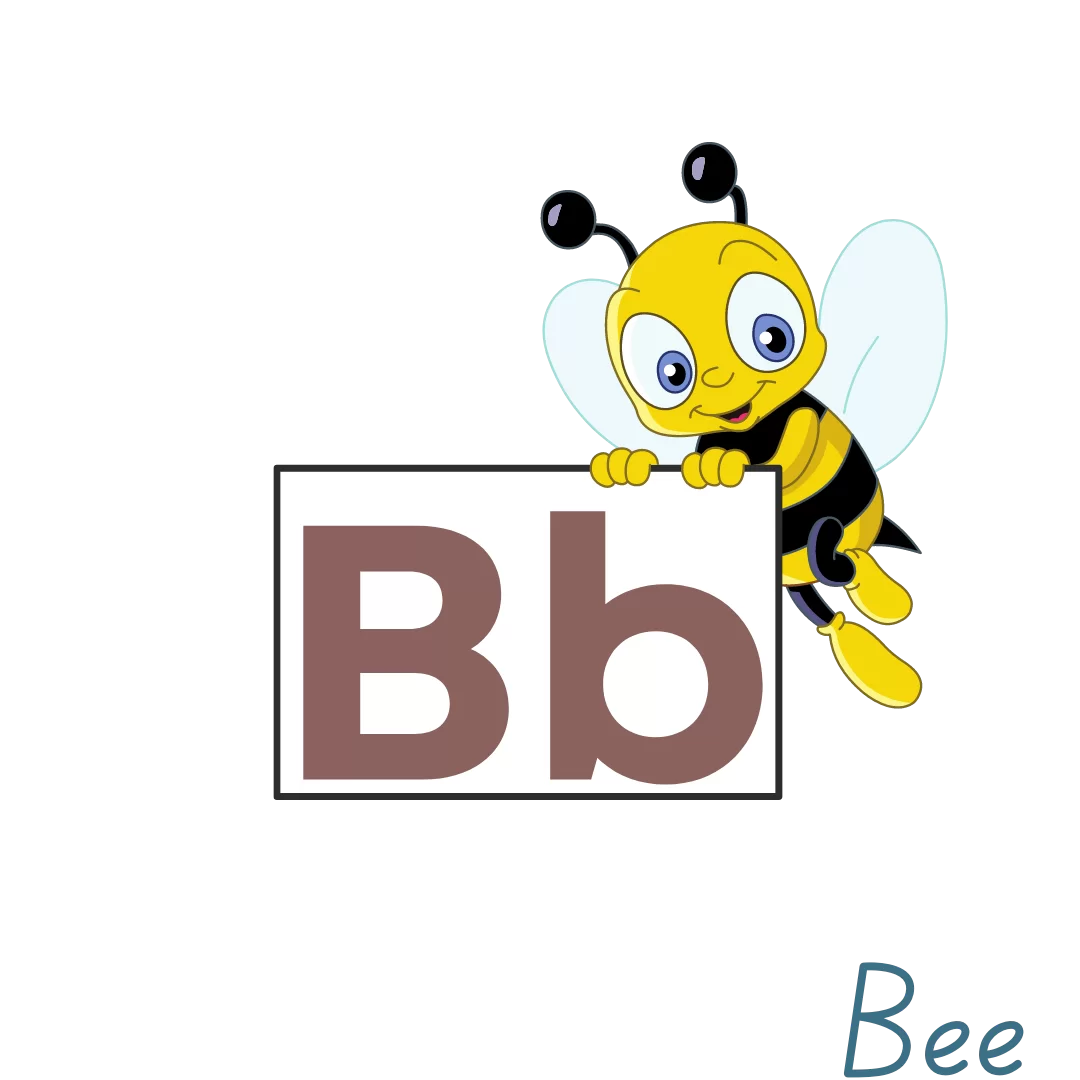
| /b/ | bat–at, big–ig, bee–ee |
| /t/ | top–op, ten–en, two–oo |
| /k/ | cat–at, cup–up, key–ee |
| /m/ | mat–at, man–an, me–ee |
| /s/ | sun–un, sock–ock, sit–it |
Focus on one sound group at a time, then expand to new sounds once mastery begins.
How to Support Practice at Home
Parents can help reinforce therapy skills at home using simple, daily moments:
Label and repeat words with strong beginning sounds (“Look! Ball!”)
Read together: Emphasize first sounds during storytime.
Play “What’s Missing?” Say a word without its first sound and let your child fill it in.
Keep it positive: Celebrate clear speech and progress — avoid overcorrecting.
Consistency and encouragement are key to helping children carry new sounds into daily conversation.
When to Seek Professional Help
If your child:
Regularly leaves off beginning sounds in words
Is difficult for others to understand by age 3½–4
Uses very few consonant sounds overall
…it’s time for a speech-language evaluation. Early intervention leads to faster progress and improved communication skills.
FAQs
Is initial consonant deletion normal in toddlers?
No. While young children may simplify words in other ways, leaving off the first sound is not a typical pattern at any age.
How long does it take to fix initial consonant deletion?
Progress varies, but with consistent therapy and home practice, many children show improvement within a few months.
Can minimal pairs really make a difference?
Yes! Research supports minimal pairs as one of the most effective methods for treating phonological processes like initial consonant deletion.
Helping Children Find Their Clear Voice
Treating initial consonant deletion is all about helping children hear, feel, and understand that every sound matters. Through fun games, minimal pair practice, and consistent modeling, children learn to produce complete, clear words — unlocking confidence in every conversation.