









Articulation / Phonological Process Virtual Games, Materials, & Activities

All
Sounds (Articulation)
Phonological Processes

Language Virtual Games, Materials, & Activities

Sh (11)
Adjectives Virtual Games & Materials
Sh (7)
Adverbs Virtual Games & Materials
Sh (5)
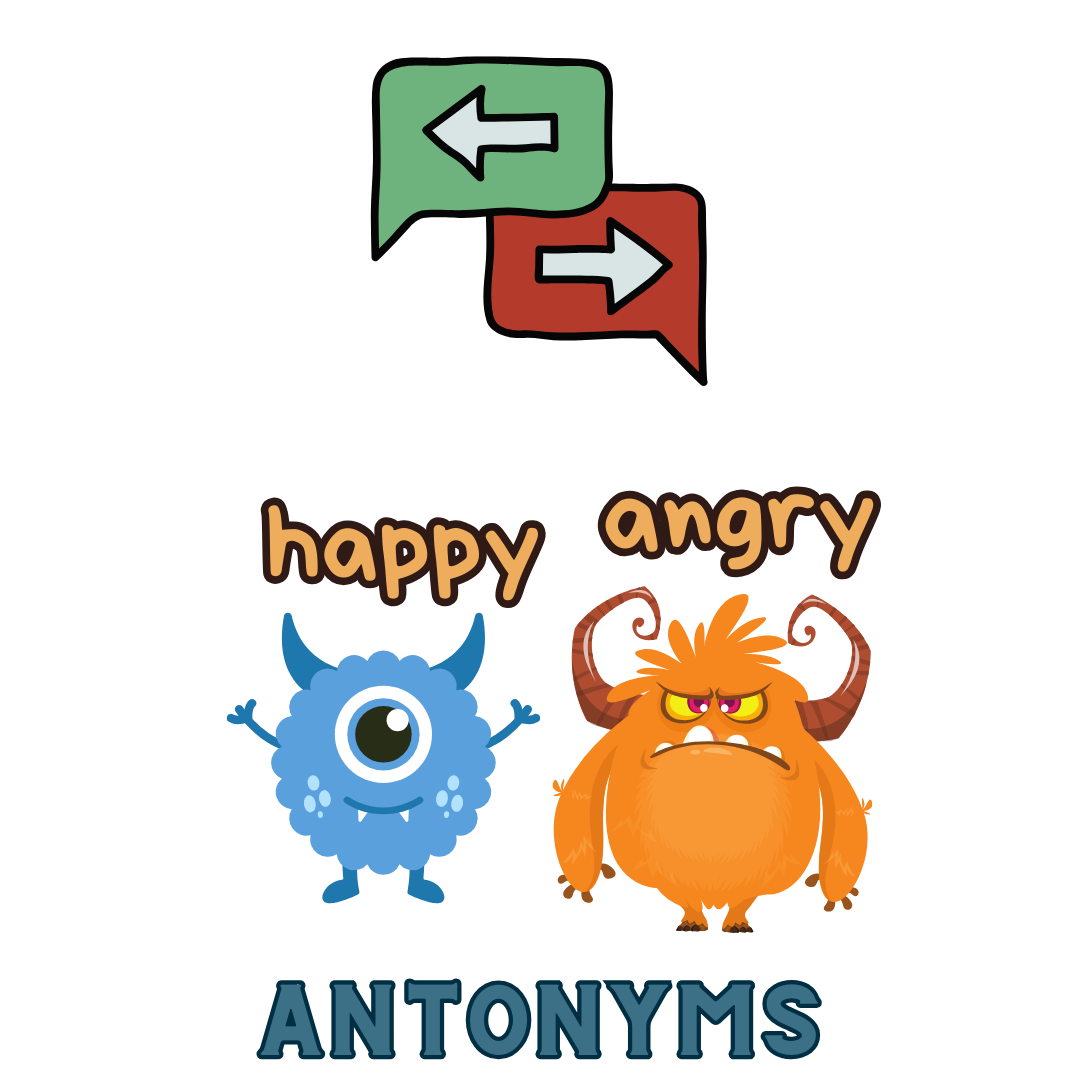
Antonyms Virtual Games & Materials
Sh (29)
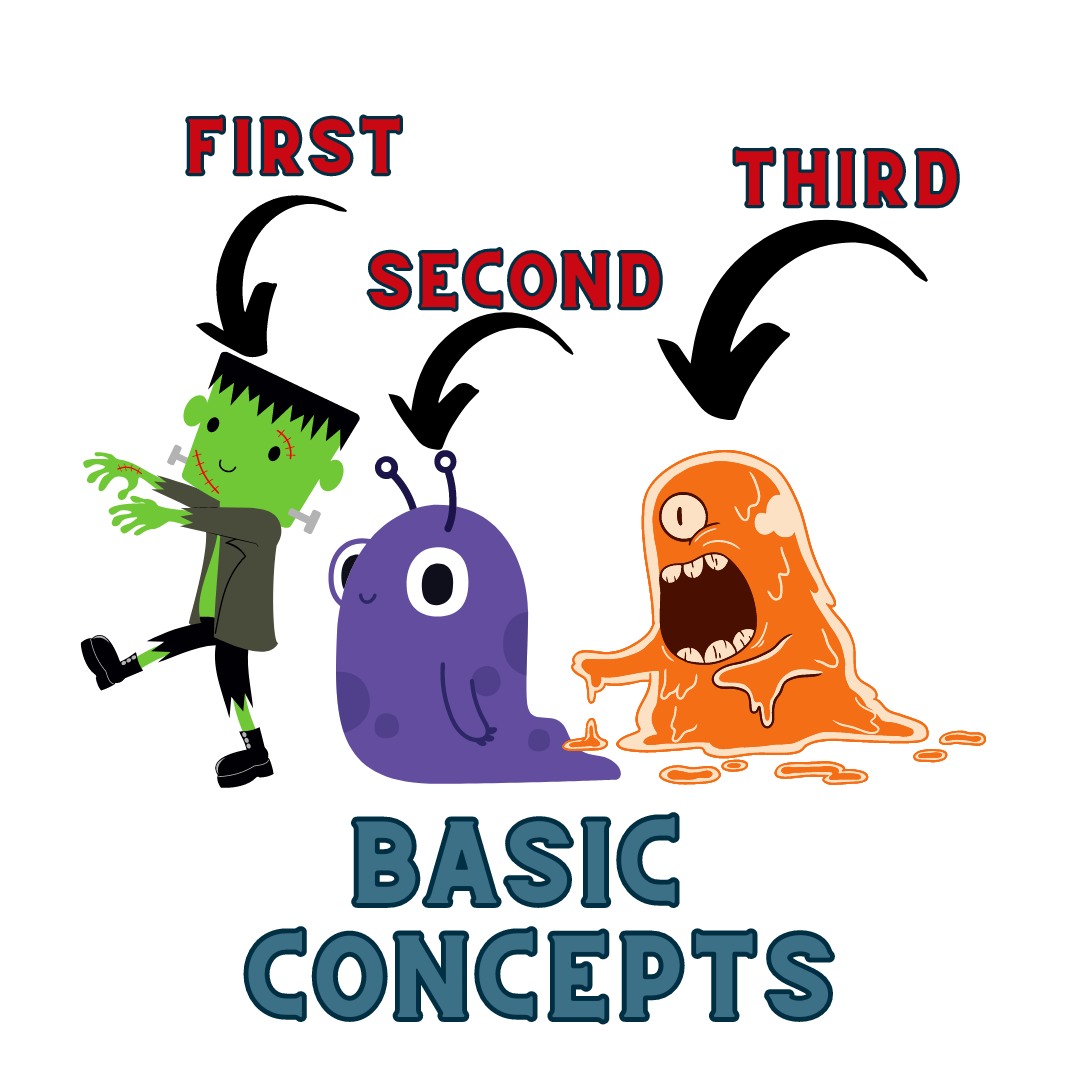
Basic Concepts Virtual Games & Materials

Book Companions
Book Companions Virtual Games & Materials
33
Categories Virtual Games & Materials
34
Compare and Contrast Virtual Games & Materials
35
Common Nouns Virtual Games & Materials
Sh (13)
Conjunctions Virtual Games & Materials

Sh (27)
Context Clues Virtual Games & Materials
Sh (31)
Contractions Virtual Games & Materials

39
Directions Virtual Games & Materials
40
Describing Virtual Games & Materials
41
Does Not Belong Virtual Games & Materials
42
Emotions Virtual Games & Materials
43
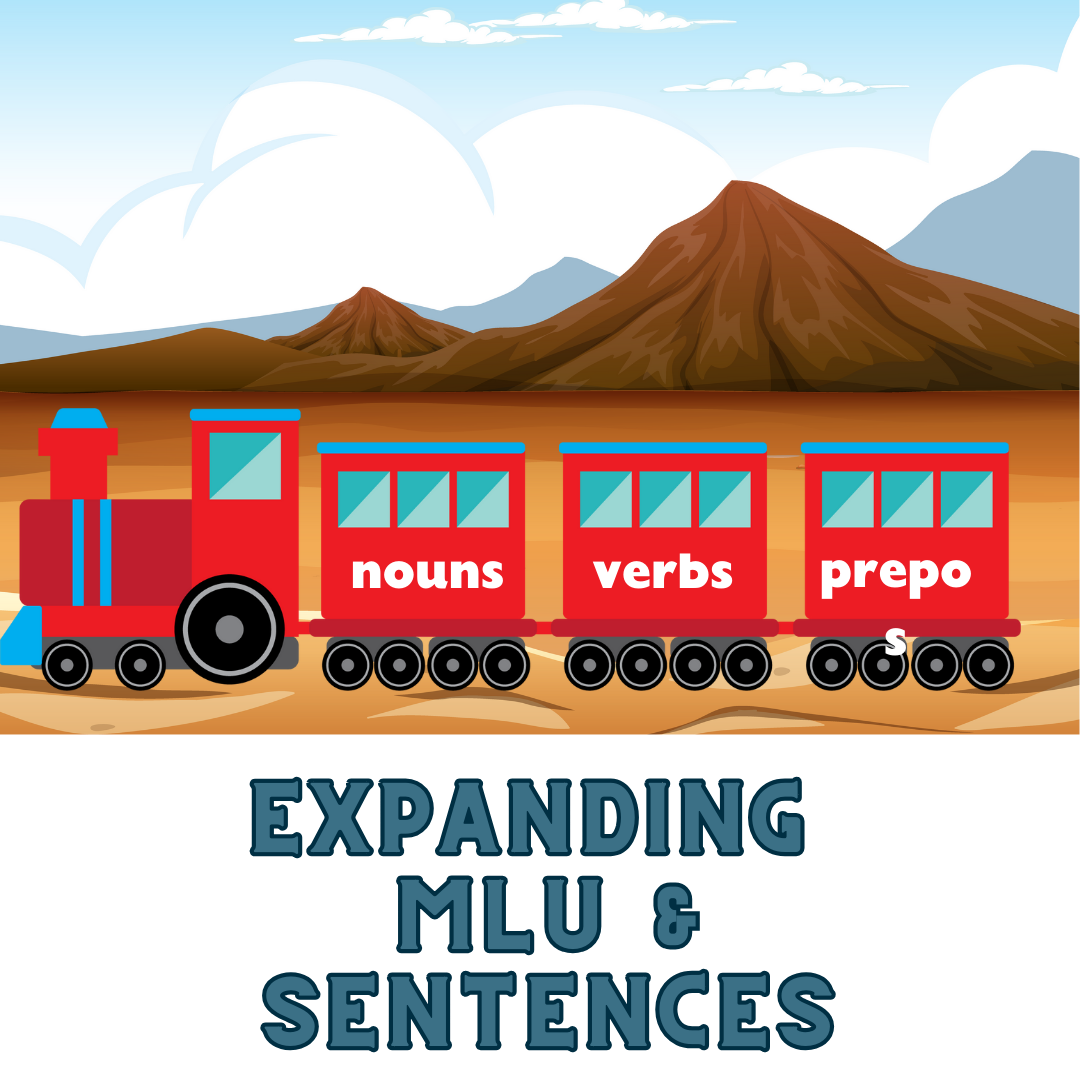
Expanding MLU / Sentences Virtual Games & Materials
48
Figurative Language Virtual Games & Materials
44
Future Tense Virtual Games & Materials
33
Functions Virtual Games & Materials
46
Has / Have Virtual Games & Materials
Sh (32)
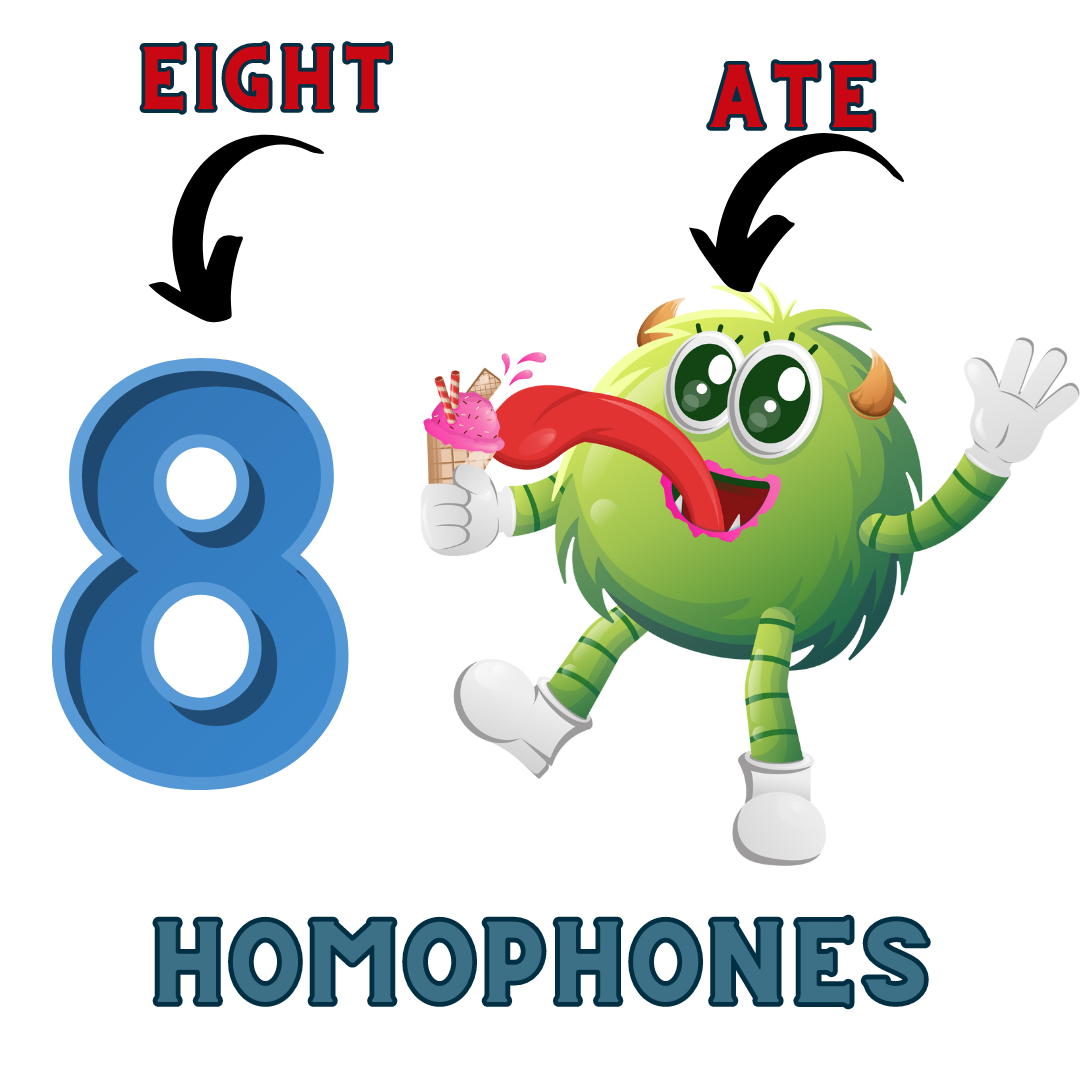
Homophones Virtual Games & Materials
49
If Questions Virtual Games & Materials
Sh (26)
Inferencing Virtual Games & Materials
77
Irregular Past Tense Virtual Games & Materials
51
Is / Are Virtual Games & Materials
52
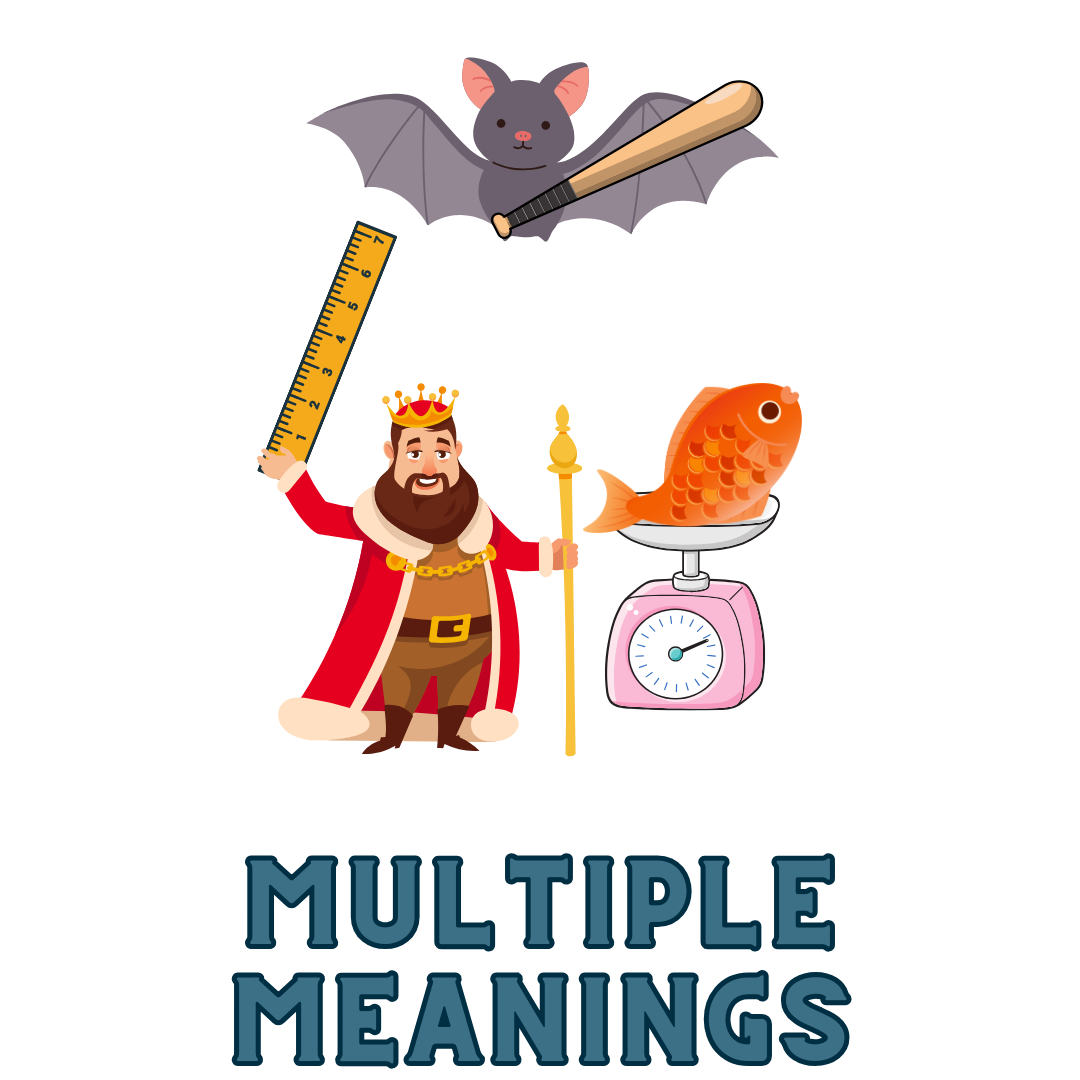
Multiple Meaning Virtual Games & Materials

53
Negation Virtual Games & Materials
54
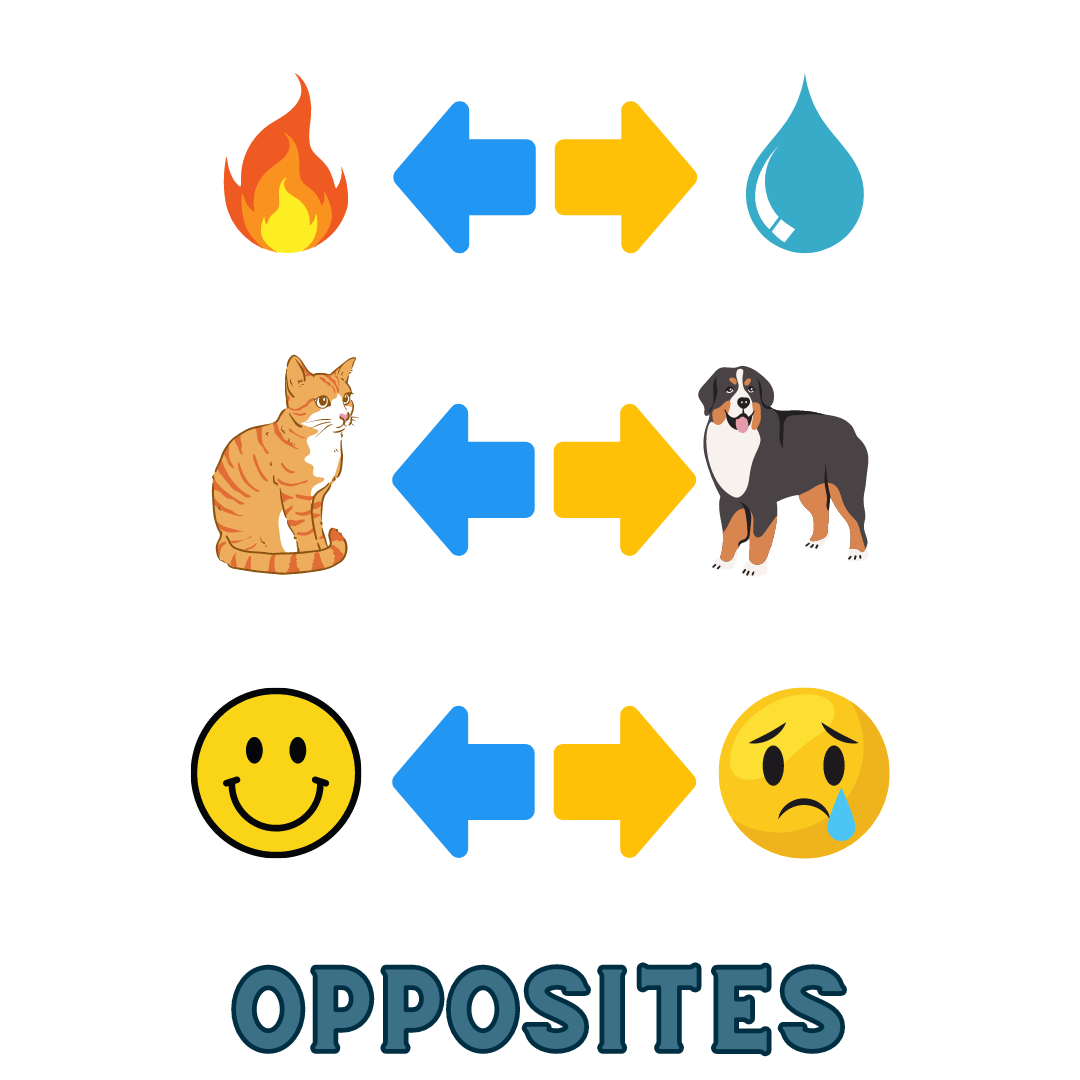
Opposites Virtual Games & Materials
58
Personal Opinion Virtual Games & Materials
55
Phonological Awareness Virtual Games & Materials
59
Plurals Virtual Games & Materials
62
Possessive Pronouns Virtual Games & Materials
60
Prepositions Virtual Games & Materials
61
Pronouns Virtual Games & Materials
36
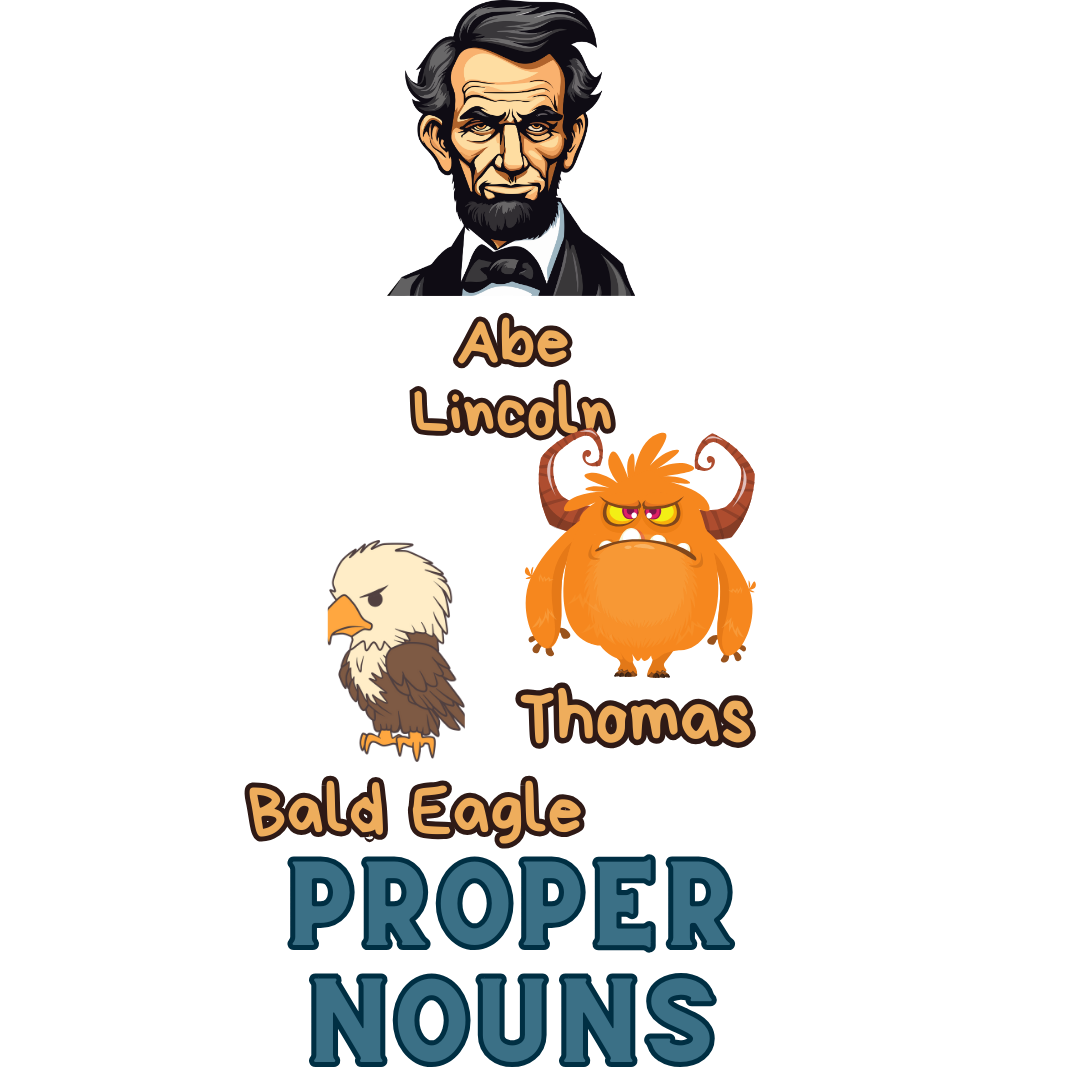
Proper Nouns Virtual Games & Materials
63
Question Structure Virtual Games & Materials
75
Regular Past Tense Virtual Games & Materials
56
Rhyming Virtual Games & Materials
64
Sentence Structure Virtual Games & Materials
66
Sequencing Virtual Games & Materials
Sh (17)
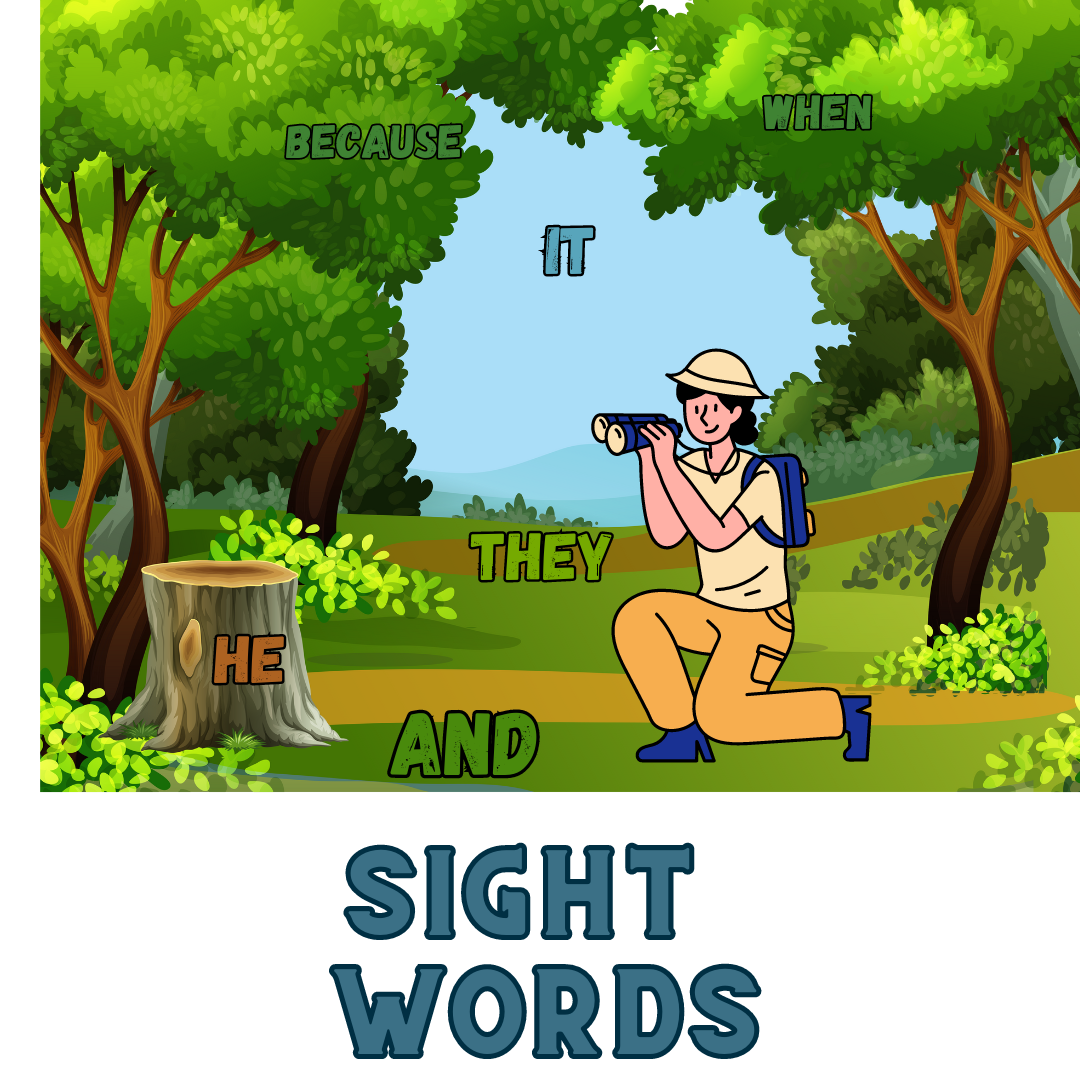
Sight Words Virtual Games & Materials
Sh (22)
Social Skills Virtual Games & Materials
67
Story Comprehension Virtual Games & Materials
68
Story Read Alouds Virtual Games & Materials
47
Subject Verb Agreement Virtual Games & Materials

Sh (18)
Superlatives Virtual Games & Materials
57
Syllables Virtual Games & Materials
73
Synonyms Virtual Games & Materials
Sh (25)
Vocab Virtual Games & Materials
74
Was / Were Virtual Games & Materials
Sh (14)
Wh Questions Virtual Games & Materials

78
Yes / No Questions Virtual Games & Materials

Is Online Speech Therapy (Teletherapy) as Good as In-Person?

Yes, for most people, online speech therapy (teletherapy) is absolutely as effective as in-person therapy.


That’s the short answer. But I know it’s a big question, especially when it’s about your child or your own health.

As an SLP, I’ve seen this firsthand. The American Speech-Language-Hearing Association (ASHA) fully supports teletherapy as an evidence-based, valid way to provide services. Dozens of studies have shown that for a whole range of issues—from articulation and stuttering to language delays and aphasia—clients make similar progress whether they’re in the same room as me or on a screen.


The best choice really depends on the person. Let’s break down the pros and cons.


 The Case for Online Speech Therapy (Teletherapy)


This model has been a game-changer for so many families. It’s not just a “backup” to in-person; for many, it’s actually a better fit.


What’s Great About It


  • It’s So Convenient: This is the big one. No more driving, no parking, no sitting in a waiting room. You just log on. This means fewer cancellations, less time off work or pulling kids out of school, and way less stress.

     
  • Access to Specialists: Live in a rural area? Or need a specialist for a less common issue like cluttering or apraxia? Teletherapy connects you to the best SLP for you, even if they’re 100 miles away.

  • Comfort of Home: This is huge for kids. Instead of a new, sterile clinic, they’re in their own space with their own toys. I can use their favorite things (like their own LEGOs or dinosaurs) in therapy. For many kids, this reduces anxiety and makes them more open to learning.

     
  • Awesome Parent Coaching: For little ones (like toddlers and preschoolers), teletherapy is fantastic for a parent-coaching model. I can watch you play with your child in your real environment and give you tips in real-time. This is often more effective than me working with your child for 30 minutes in a clinic.


Where It Can Be Tricky


  • Tech is Required: You need stable, high-speed internet and a decent device (a tablet or laptop is usually better than a phone). Tech glitches can and do happen, and they can be frustrating.


  • Distractions are Real: Home is comfortable, but it’s also full of… well, home. The family dog, the Amazon delivery, or a sibling playing in the next room can all pull focus.

  • Not for Everyone: Some kids, especially those with very high energy, significant behavioral challenges, or a need for sensory support, might have a tough time sitting and engaging with a screen.

  • No “Hands-On”: For very specific issues, like some feeding and swallowing problems or articulation therapy that relies on tactile cues (me physically showing a child where to put their tongue), in-person can be easier.


The Case for In-Person Therapy


There’s a reason this has been the standard for decades. That face-to-face connection is powerful, and in some cases, it’s just the better tool for the job.


What’s Great About It


  • Hands-On When Needed: If I need to provide a tactile cue for an /r/ sound or use a tool to help with a swallowing exercise, I’m right there to do it.

  • Controlled Environment: In a clinic, I control the environment. There are no surprise distractions. I have all my tools, games, and assessments perfectly organized.

  • Easier for Some Behaviors: For kids who need a lot of support with regulation and attention, it can be more effective to be in the same physical space. I can use the whole room, use different seating, and be more “hands-on” with managing behavior.

  • Good for Group Therapy: While group teletherapy exists, it’s often smoother in person. It’s much easier to manage turn-taking and social dynamics when everyone is in the same room.


Where It Can Be Tricky


  • The Commute: It’s a real commitment. You have to factor in drive time, gas, and parking for every single session.

  • Less Flexible: Scheduling is often more rigid. If you’re 10 minutes late, you’ve lost one-third of your session. Bad weather or a sick sibling? You’ll probably have to cancel.

  • The “Clinic” Vibe: Some kids (and adults!) get nervous in a clinical setting. They might be shyer or less willing to open up than they would be at home.

  • Generalization: It’s a common therapy problem: a child’s speech is perfect in the therapy room, but the skills don’t “generalize” to their home or school.


So, Which One is Right for You?


Ask yourself these questions:

  1. What’s the main goal? For articulation, language, stuttering, or voice therapy? Both models are proven effective.

  2. How is your child’s (or your) attention? Can they engage with a screen for 30-45 minutes? If not, in-person might be a better start.

  3. How busy is your life? If getting to one more appointment feels impossible, teletherapy will be a lifesaver.

  4. Do you need “hands-on” help? Are you working on complex feeding issues or need tactile prompting for speech? In-person is likely better.

  5. Are you a parent of a toddler? A teletherapy model that focuses on coaching you is one of the most effective tools we have.

Don’t think of online therapy as “less than.” For most goals, it’s just as good, and the convenience makes it a more realistic and consistent option for many families. The most important thing isn’t the place—it’s the SLP and the relationship you build with them.