Understanding Your Child’s Speech Therapy Options
Parents face important choices when seeking speech therapy services. Many families don’t realize they have multiple options for speech support. Your child might qualify for school services, private therapy, or both. Each path offers distinct advantages worth considering.
Understanding these options empowers better decision-making. School districts provide speech therapy as part of special education services. Private practices offer therapy through clinics or independent practitioners.
Your child’s specific needs should guide this important choice. Some communication issues respond better to certain therapy environments. Factors like severity, diagnosis, and learning style influence which option works best.
How School-Based Speech Therapy Works
School services operate under educational legislation. The Individuals with Disabilities Education Act (IDEA) guarantees eligible students access to speech therapy. This federal law establishes minimum requirements for schools. Students must demonstrate educational impact to qualify.
The evaluation process begins with a formal request. Parents or teachers can initiate this process in writing. Schools must respond within mandated timeframes. A team of professionals conducts comprehensive assessments.
Services become formalized through educational plans. These documents, called IEPs (Individualized Education Programs), outline specific goals and services. They include measurable objectives and service details. Parents participate in developing these plans.
Benefits of School-Based Speech Therapy
School services come at no direct cost to families. This financial accessibility benefits many children who might otherwise miss therapy. Services continue as long as educational need persists. Even families with limited resources can access quality intervention.
School therapists understand classroom demands intimately. They target skills directly related to academic success. They collaborate closely with teachers daily. This integration helps children apply communication skills across subjects.
Convenience for families represents another significant advantage. Children receive therapy during regular school hours. Parents don’t need to coordinate additional appointments. Transportation concerns disappear entirely.
Limitations of School-Based Services
Caseload size affects therapy intensity in schools. Most school therapists manage large numbers of students. This reality may limit individual attention during sessions. Group therapy formats prevail in many districts.
Educational focus narrows therapeutic scope sometimes. School therapists must prioritize academically relevant goals. Some communication issues might receive less attention. Social communication outside academic contexts might have limited focus.
Schedule constraints exist within the school framework. Services occur only during school hours and the academic year. Breaks interrupt therapy continuity for weeks or months. Children with significant needs might lose progress during these gaps.
Private Speech Therapy vs. School Services: Pros and Cons
Comparing these options requires examining several key factors. Think about your child’s specific diagnosis and severity. Consider your family’s schedule, finances, and involvement preferences. Review your child’s previous response to interventions.
School services work well for many children with mild to moderate needs. The educational focus benefits students struggling academically. Consistent services throughout the school year provide stable support.
Private therapy offers advantages for children with complex needs. The individualized attention addresses specific challenges more intensively. Flexible scheduling accommodates busy family calendars.
How Private Speech Therapy Works
Private therapy operates through clinics or independent practices. Licensed speech-language pathologists provide services in dedicated facilities. Some offer home-based options for added convenience. Initial consultations assess needs and establish treatment plans.
Session structure typically follows a clinical model. Appointments usually last 30-60 minutes weekly. Therapists create highly individualized treatment approaches. They focus exclusively on your child during sessions.
Payment happens through insurance or direct payment. Many private therapists accept health insurance coverage. Others require out-of-pocket payment with possible reimbursement. Costs vary based on location and therapist credentials.
Benefits of Private Speech Therapy
Individualized attention distinguishes private services notably. Therapists design sessions specifically for your child. They adjust approaches immediately based on responses. Progress often accelerates with this focused intervention.
Scheduling flexibility accommodates family needs better. Many private practices offer evening or weekend appointments. Some provide services in your home for added convenience. This flexibility helps working parents maintain consistent attendance.
Broader scope allows comprehensive communication treatment. Private therapists address any communication concern regardless of academic impact. They target functional skills for home and community settings. Social communication receives equal priority to academic language.
Limitations of Private Speech Therapy
Cost presents the most significant barrier for many families. Session fees range from $80-$250 depending on location. Insurance coverage varies widely between plans. Some families face substantial out-of-pocket expenses.
Separation from academic environment creates potential gaps. Private therapists have limited interaction with teachers. They may miss opportunities to address classroom communication needs. Skill generalization to school settings might require additional coordination.
Transportation and scheduling logistics add complexity. Parents must arrange transportation to appointments. They coordinate sessions around work and school schedules. These logistics sometimes lead to missed sessions.
Combining Services: The Hybrid Approach
Many children benefit from receiving both service types. School services address academic communication needs directly. Private therapy provides supplementary support for complex issues. This combined approach maximizes intervention intensity.
Communication between providers enhances this approach significantly. Parents often serve as information bridges between providers. Sharing goals and progress helps maintain consistency. Regular updates prevent conflicting approaches.
Focus areas can be strategically divided between providers. School therapists might emphasize curriculum-related language skills. Private therapists could address articulation or social communication. This division prevents redundancy while maximizing coverage.
Making Your Decision: Key Considerations
Severity of your child’s communication disorder matters significantly. Mild issues often respond well to school-based services alone. Moderate to severe disorders might require additional support. Consider how your child’s communication affects daily functioning.
Financial resources inevitably influence available options. Evaluate your insurance coverage for speech therapy services. Calculate potential out-of-pocket expenses for private therapy. Consider whether flexible spending accounts could help.
Your child’s response to previous interventions offers valuable guidance. Consider whether past therapy approaches proved effective. Think about settings where your child engages best. Reflect on progress patterns during previous treatment.
Frequently Asked Questions
Can my child receive both school and private speech therapy simultaneously? Yes, many children benefit from both service types concurrently. School services address academic communication needs. Private therapy can target additional concerns or provide more intensive support. The key lies in coordinating goals between providers.
How do I know if my child qualifies for school speech therapy? Schools evaluate whether communication difficulties impact educational performance. The assessment process usually includes formal testing and classroom observation. Different districts may have varying criteria. Request an evaluation in writing to begin this process.
Will insurance cover private speech therapy? Coverage varies widely between insurance plans. Many plans cover speech therapy with a doctor’s referral. Some require specific diagnoses or limit session numbers. Contact your insurance provider directly about speech therapy benefits.
How often does speech therapy occur in schools versus private practice? School services typically happen 1-3 times weekly for 20-30 minutes per session. Many children receive group therapy in school settings. Private therapy usually offers weekly 30-60 minute individual sessions. Some private practices provide more intensive schedules when needed.
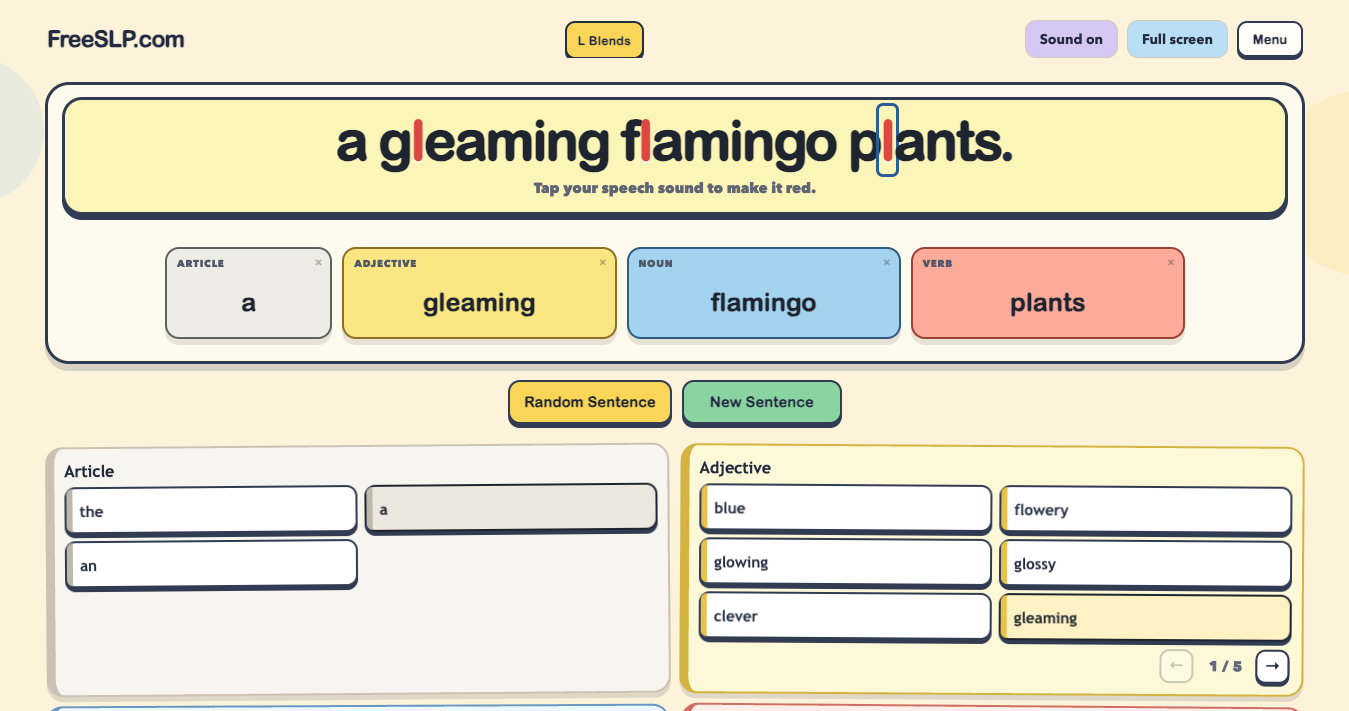
What happens during summer when school speech therapy stops? School services generally pause during summer breaks. Some districts offer extended school year services for qualifying students. Private therapy continues year-round for consistent support. Many families increase private services during summer months. FreeSLP.com provides summer practice activities to maintain skills between school years.
How do I coordinate between school and private speech therapists? Request written permission for providers to communicate directly. Share reports and goals between therapists regularly. Schedule occasional joint meetings when possible. Maintain a communication notebook that travels between settings.
Conclusion
Choosing between private speech therapy and school services requires careful consideration. Both options offer valuable benefits for children with communication needs. The best choice varies based on your child’s specific situation and your family’s circumstances. Many families find that combining services provides optimal support.
Remember that your decision isn’t permanent or unchangeable. Many families adjust their approach as their child’s needs evolve. Regular reassessment helps ensure your child receives appropriate support.