




Articulation / Phonological Process Virtual Games, Materials, & Activities

All
Sounds (Articulation)
Phonological Processes

Language Virtual Games, Materials, & Activities

Sh (11)
Adjectives Virtual Games & Materials
Sh (7)
Adverbs Virtual Games & Materials
Sh (5)
Antonyms Virtual Games & Materials
Sh (29)
Basic Concepts Virtual Games & Materials
Book Companions
Book Companions Virtual Games & Materials
33
Categories Virtual Games & Materials
34
Compare and Contrast Virtual Games & Materials
35
Common Nouns Virtual Games & Materials
Sh (13)
Conjunctions Virtual Games & Materials
Sh (27)
Context Clues Virtual Games & Materials
Sh (31)
Contractions Virtual Games & Materials

39
Directions Virtual Games & Materials
40
Describing Virtual Games & Materials
41
Does Not Belong Virtual Games & Materials
42
Emotions Virtual Games & Materials
43
Expanding MLU / Sentences Virtual Games & Materials
48
Figurative Language Virtual Games & Materials
44
Future Tense Virtual Games & Materials
33
Functions Virtual Games & Materials
46
Has / Have Virtual Games & Materials
Sh (32)
Homophones Virtual Games & Materials
49
If Questions Virtual Games & Materials
Sh (26)
Inferencing Virtual Games & Materials
77
Irregular Past Tense Virtual Games & Materials
51
Is / Are Virtual Games & Materials
52
Multiple Meaning Virtual Games & Materials
53
Negation Virtual Games & Materials
54
Opposites Virtual Games & Materials
58
Personal Opinion Virtual Games & Materials
55
Phonological Awareness Virtual Games & Materials
59
Plurals Virtual Games & Materials
62
Possessive Pronouns Virtual Games & Materials
60
Prepositions Virtual Games & Materials
61
Pronouns Virtual Games & Materials
36
Proper Nouns Virtual Games & Materials
63
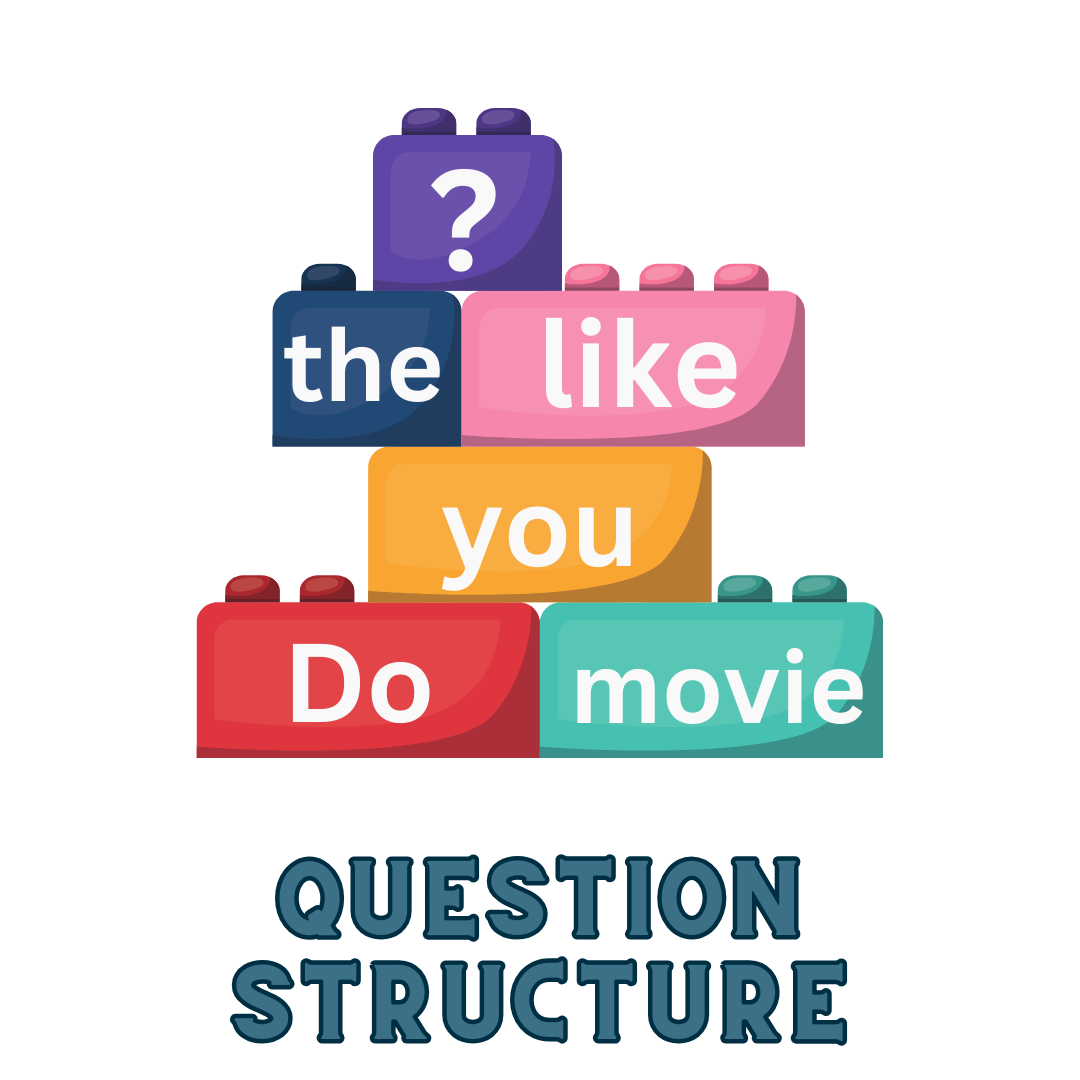
Question Structure Virtual Games & Materials
75
Regular Past Tense Virtual Games & Materials
56
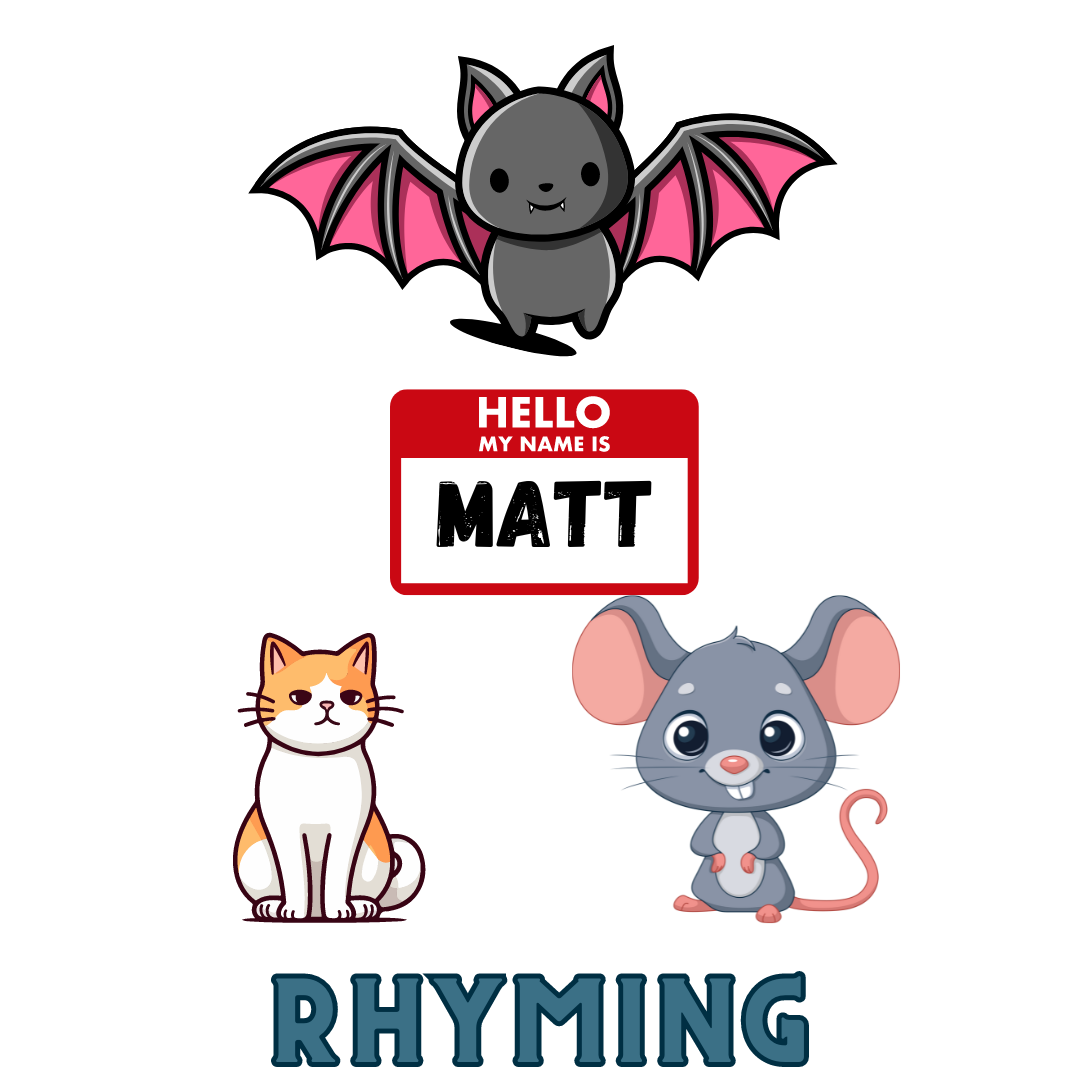
Rhyming Virtual Games & Materials
64
Sentence Structure Virtual Games & Materials
66
Sequencing Virtual Games & Materials
Sh (17)
Sight Words Virtual Games & Materials
Sh (22)
Social Skills Virtual Games & Materials
67
Story Comprehension Virtual Games & Materials
68
Story Read Alouds Virtual Games & Materials
47
Subject Verb Agreement Virtual Games & Materials

Sh (18)
Superlatives Virtual Games & Materials
57
Syllables Virtual Games & Materials
73
Synonyms Virtual Games & Materials
Sh (25)
Vocab Virtual Games & Materials
74
Was / Were Virtual Games & Materials
Sh (14)
Wh Questions Virtual Games & Materials
78
Yes / No Questions Virtual Games & Materials

Seasonal Speech Therapy Games You Can Use Online

There’s something about seasonal activities that just lights up a session. Maybe it’s the change in visuals, the excitement of holidays, or the little traditions that give us all something to look forward to. Whatever the reason, seasonal games are one of the easiest ways to make therapy feel fresh—especially during long stretches of the school year.

We love how simple it is to bring the seasons into teletherapy. With the right online resources, you can make it snow in December, build a digital garden in April, or throw a summer-themed articulation party without ever leaving your chair.

When we’re looking for seasonal materials, we always start with FreeSLP.com. The site has an entire section dedicated to themed activities that match holidays and seasons throughout the year. There are printable games for Valentine’s Day, no-prep fall language sheets, winter articulation boards, and more—all free, all kid-approved. Students recognize the themes instantly, and that connection makes them eager to participate.

For more interactive options, we often turn to Boom Cards and Pink Cat Games. Both platforms have plenty of free seasonal decks and activities that change throughout the year. We like to use them for warm-ups or quick five-minute breaks between more structured tasks. Something as simple as a snow-themed drag-and-drop activity or a Halloween quiz can reset a student’s attention and add energy to the session.

We also check Teachers Pay Teachers every few weeks for new seasonal freebies. Searching “winter speech therapy,” “spring language activities,” or “holiday articulation” brings up so many creative ideas. Other SLPs are constantly updating their stores with fresh content, so it’s worth revisiting often. We’ve found some of our most-used materials this way.

Another small trick that makes a big difference: updating visuals to match the season. Even if you’re using the same FreeSLP activity you used in September, swapping in a winter background or Valentine’s border can make it feel brand new. Kids notice those details, and they love when therapy feels “in season.”

We also like to add a quick seasonal discussion at the start of sessions—something as simple as asking, “What’s your favorite winter activity?” or “What do you like most about summer?” It warms up the conversation, helps with pragmatic goals, and gives students a chance to share something personal.

What we love about using seasonal materials is how easy it is to connect them to real-life experiences. A fall language game about apples can lead to a conversation about favorite snacks. A spring describing task can turn into a story about family gardens. The themes make speech and language goals feel less like drills and more like real-world conversations.

If you’re ready to make your sessions a little more festive, start by exploring the seasonal section on FreeSLP.com. Then browse Boom Cards, Pink Cat Games, and TPT for fresh digital ideas. Mix them together, rotate every few weeks, and before you know it, you’ll have a full year’s worth of themed sessions ready to go.

Because sometimes, the easiest way to bring energy back into speech therapy is to add a little sparkle of the season.