Why Sentence Structure Matters in Language Development
Does your child or student struggle to form clear, complete sentences? Many children find sentence construction challenging yet crucial for effective communication. Mastering sentence structure builds the foundation for expressing thoughts, sharing ideas, and connecting with others.
Children with language delays often produce fragmented or grammatically incorrect sentences. These difficulties impact their academic performance and social interactions. Supporting sentence structure development helps bridge these gaps and builds confidence in communication.
Teaching sentence formation creates pathways to reading and writing success. Let’s explore why this skill matters and how you can boost sentence structure through engaging activities.
Understanding Sentence Structure Development
Sentence structure develops in predictable patterns as children grow. This progression helps speech therapists target appropriate skills at each developmental stage.
SLPs track this sequence to ensure therapy matches a child’s current abilities. Understanding these milestones helps set realistic expectations for progress.
Here’s how sentence structure typically develops:
Early Single Word Stage (12-18 months)
Children begin using single words to express complete thoughts. A word like “juice” might mean “I want juice” or “There’s my juice.”
This stage lays the groundwork for later sentence development. These single words function as simple sentences with implied meanings.
Parents can expand these single words into simple sentences. When a child says “dog,” respond with “Yes, I see the dog” to model basic sentence structure.
Two-Word Combinations (18-24 months)
Toddlers start combining words to express more complex ideas. Phrases like “more juice” or “daddy go” emerge as early sentence attempts.
These combinations follow patterns like action+object (“throw ball”) or agent+action (“mommy eat”). The grammar isn’t perfect, but the meaning becomes clearer.
Teachers and parents can support this stage by modeling slightly longer phrases. If a child says “car go,” respond with “The car goes fast” to provide a natural extension.
Simple Sentences (2-3 years)
Children begin forming basic subject-verb-object sentences like “I want cookie” or “Dog runs fast.” These simple sentences contain the essential elements of grammar.
At this stage, some grammatical features may be missing, like articles or proper verb tenses. The sentence structure exists but needs refinement.
SLPs often focus on completing these simple sentences with missing elements. Games that practice adding “the” or “a” help build these skills naturally.
Expanded Simple Sentences (3-4 years)
Preschoolers start adding descriptive words and phrases to their sentences. “The big dog runs fast” shows expansion beyond basic subject-verb-object patterns.
Children begin using articles, adjectives, and adverbs more consistently. These additions create more precise and informative sentences.
Parents can encourage this growth by asking questions that prompt descriptive language. “What kind of dog?” or “How did he run?” elicits these expanded elements.
Complex and Compound Sentences (4-7 years)
School-age children learn to connect ideas using conjunctions like “and,” “but,” and “because.” Sentences like “I like apples but I don’t like oranges” emerge.
Later, complex sentences with dependent clauses develop: “When it rains, we play inside.” These structures allow children to express relationships between ideas.
Teachers support this development through activities that practice joining sentences. Combining two simple sentences into one compound sentence builds these advanced skills.
The Benefits of Strong Sentence Structure
Mastering sentence structure impacts multiple aspects of a child’s development. These skills extend far beyond simply speaking in complete sentences.
SLPs target sentence structure because of its wide-ranging benefits. The improvements affect both academic and social domains.
Here’s how strong sentence structure benefits children:
Enhances Clear Communication
Well-formed sentences express thoughts more precisely. When children can structure sentences correctly, others understand their messages more easily.
This clarity reduces frustration for both the child and listeners. Communication becomes more efficient and effective.
Parents notice fewer misunderstandings when children use complete, well-structured sentences. The proper word order and grammatical markers prevent confusion.
Boosts Academic Performance
Classroom success depends heavily on sentence structure skills. Reading comprehension, writing abilities, and verbal participation all rely on understanding how sentences work.
When children encounter complex sentences in textbooks, they need to recognize how the parts fit together. This structural awareness supports reading comprehension.
Teachers observe that students with strong sentence skills often perform better across subjects. The ability to express thoughts clearly benefits science, math, and social studies—not just language arts.
Improves Social Interactions
Conversations flow more naturally when children can form proper sentences. Peers respond more positively to clear, complete communication.
As children grow older, social language becomes more complex. Strong sentence structure helps them engage in group discussions and follow shifting topics.
Parents may notice increased social confidence as sentence skills improve. Children participate more willingly in conversations when they trust their ability to express themselves.
Strengthens Narrative Abilities
Telling stories requires connecting sentences in logical ways. Children with strong sentence structure can recount experiences and create narratives more effectively.
These narrative skills play important roles in building friendships, as children share experiences and interests through stories. The ability to sequence events supports these social exchanges.
SLPs often observe that improvements in sentence structure naturally enhance storytelling abilities. The skills build upon each other in meaningful ways.
Supports Written Language Development
The transition to writing becomes smoother when children have mastered oral sentence structure. The patterns they’ve learned in speaking transfer to their written work.
Strong sentence skills help children translate their thoughts to paper more successfully. They’re less likely to write fragmented or run-on sentences.
Teachers value this connection between oral and written language. The foundations built in speech therapy often support classroom writing instruction.
Essential Strategies for Teaching Sentence Structure
Effective sentence structure instruction uses systematic, supportive approaches. These evidence-based strategies help children gradually build more complex sentences.
SLPs implement these techniques in therapy sessions, but parents and teachers can adapt them for home and classroom use. Consistency across settings maximizes progress.
Try these proven teaching strategies:
Start with Basic Sentence Patterns
Begin with simple subject-verb-object structures before introducing more complex forms. These basic patterns create a foundation for later expansion.
Use consistent examples like “The boy runs” or “She eats apples” to establish the pattern. This repetition helps children internalize the structure.
Parents can emphasize these patterns during daily activities. Simple comments like “Dad cooks dinner” or “The dog barks” model basic sentences throughout the day.
Provide Visual Supports
Visual cues make abstract sentence concepts more concrete. Sentence strips, picture symbols, or color-coded word cards help children see how sentences work.
Many children benefit from seeing subjects in one color, verbs in another, and objects in a third. This visual distinction highlights the different sentence components.
Teachers can use these visual supports during writing activities. The same color-coding used in speech therapy reinforces concepts during classroom work.
Use Sentence Expansion Techniques
Teach children to build longer sentences by adding details. Start with a simple core sentence and systematically add descriptive elements.
For example, expand “The dog barks” to “The big dog barks loudly at the mailman.” Ask questions like “What kind of dog?” or “How does it bark?” to prompt additions.
SLPs often use picture scenes for this technique. The visual details provide natural opportunities to expand basic sentences with descriptive elements.
Implement Sentence Combining Activities
Help children join simple sentences to create compound or complex structures. This technique builds more sophisticated language patterns.
Start with closely related sentences like “The girl is tall. The girl has red hair.” Guide children to combine them: “The tall girl has red hair.”
Parents can practice this casually during conversations. When a child uses two short sentences, model how to combine them into one more complex sentence.
Use Repetitive Practice with Variations
Provide multiple practice opportunities with the same structure but different vocabulary. This repetition with variation helps children grasp the pattern without becoming bored.
For example, practice subject-verb-location sentences with different elements: “The cat sleeps on the bed,” “The boy plays in the yard,” “The teacher sits at her desk.”
Teachers find this approach works well for small group activities. Each student can create a sentence following the same pattern but using different words.
Incorporate Movement and Gestures
Add physical movements to represent different sentence parts. This multisensory approach helps kinesthetic learners grasp sentence structure concepts.
Children might stand when saying the subject, march in place for the verb, and point for the object. These movements create a physical memory of sentence patterns.
SLPs often use this technique with children who struggle with traditional instruction. The physical component adds another pathway for learning abstract grammar concepts.
15 Engaging Sentence Structure Activities
Effective therapy balances structured practice with playful engagement. These activities make sentence building enjoyable while targeting specific skills.
SLPs, parents, and teachers can adapt these ideas based on children’s interests and needs. The key is making sentence practice feel like play rather than work.
Try these fifteen fun activities to build sentence structure skills:
1. Sentence Builder Dice
Create or purchase dice with subjects on one die, verbs on another, and objects on a third. Children roll the dice and create sentences using the words that appear.
Add expansion dice with adjectives, adverbs, or prepositional phrases for more advanced practice. This addition allows for longer, more detailed sentences.
This game element adds excitement to sentence formation. The random combinations often create silly sentences that maintain children’s interest.
2. Picture Scene Description
Show detailed pictures and guide children to form complete sentences about what they see. Begin with simple observations before encouraging more complex descriptions.
For younger children, ask specific questions to elicit targeted sentence types. “What is the boy doing?” naturally prompts a subject-verb-object response.
Parents can use family photos for this activity to increase engagement. Describing familiar scenes provides meaningful context for sentence practice.
3. Moving Sentence Train
Write sentence parts on individual “train cars” cut from construction paper. Children arrange the cars to build a complete “sentence train” in the correct order.
For visual impact, use different colored paper for different sentence parts. This color-coding reinforces the distinct roles of subjects, verbs, and other elements.
Teachers find this activity works well for station work or small group instruction. The hands-on manipulation appeals to kinesthetic and visual learners.
4. Silly Sentence Grab Bag
Fill bags with word cards sorted by parts of speech. Children draw one card from each bag (subject, verb, object) to create sentences—often with humorous results.
The random combination of “The elephant / dances / under the table” creates laugh-out-loud moments while reinforcing correct sentence structure.
SLPs appreciate how this activity maintains engagement during repeated practice. The element of surprise keeps children interested in multiple rounds.
5. Sentence Puzzle Match-Up
Create puzzle pieces that fit together only when words form grammatically correct sentences. Each piece should contain a word or phrase that must be placed in the proper position.
The physical constraint of the puzzle pieces provides immediate feedback. Incorrect word order won’t fit together, guiding children toward proper sentence structure.
This self-checking activity works well for independent practice. Children can work at their own pace while receiving concrete feedback from the materials.
6. Who-What-Where Stories
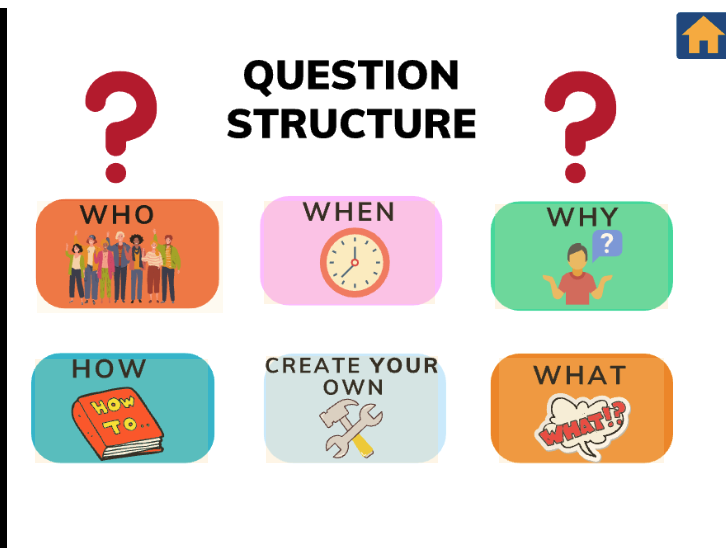
Provide three stacks of cards with characters (who), actions (what), and settings (where). Children select one card from each stack and form a complete sentence.
This activity naturally creates subject-verb-location sentences: “The astronaut is swimming at the beach.” These unlikely combinations spark creativity while practicing targeted structures.
Parents can create simple versions using family members as characters and familiar locations. This personalization increases motivation and relevance.
7. Sentence Charades
Write complete sentences on cards. One child acts out the sentence while others guess the complete sentence, not just individual words.
This activity reinforces the importance of each sentence part working together. Children must consider the entire structure to guess correctly.
The movement component makes this ideal for active learners. It also provides a welcome break from seated activities while still targeting language goals.
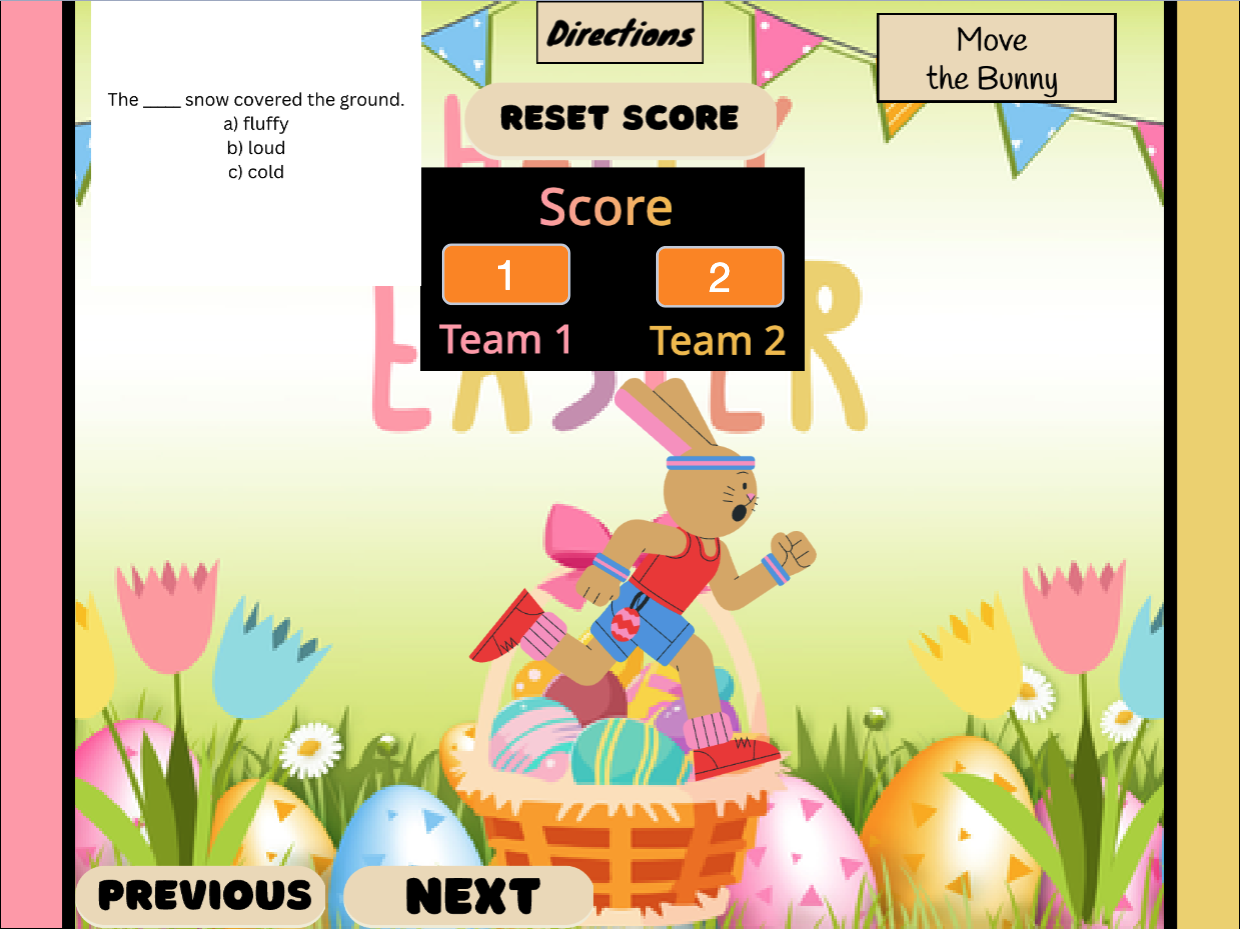
8. Fill-in-the-Blank Sentences
Create sentence frames with missing elements. Children complete the sentences by filling in appropriate words for the missing parts.
Start with simple frames like “The _____ is _____.” Gradually increase complexity with frames like “The _____ _____ under the _____ when it _____.”
Teachers can connect these to curriculum content for meaningful practice. Science observations or social studies facts work well with this sentence-building format.
9. Expanding Sentences Game
Begin with a simple sentence like “The dog barks.” Each player takes turns adding one word or phrase without changing the existing words.
The sentence grows with each turn: “The big dog barks loudly at the mailman every morning.” The game continues until someone can’t add to the sentence.
This cooperative activity works well for family game night or classroom warm-ups. The collaborative nature reduces pressure while building sentence expansion skills.
10. Picture Sequence Sentences
Show a series of pictures depicting a simple story. Children form a sentence about each picture, practicing consistent tense and structure across related events.
This activity naturally targets narrative skills alongside sentence structure. Children learn to connect sentences in logical ways while maintaining proper formation.
SLPs often use this to bridge from isolated sentences to connected discourse. The visual sequence supports the transition to storytelling.
11. Roll-a-Sentence Game
Create a game board where children roll dice to move spaces. Each space contains a sentence pattern prompt like “subject + verb + object” or “subject + verb + adverb.”
Children must generate a sentence following the pattern on their space. Correct sentences earn points or additional turns.
This game format adds motivation for repeated practice. The competitive element appeals particularly to school-age children.
12. Sentence Structure Bowling
Set up plastic bowling pins with different sentence parts written on them. When children knock down pins, they must use those words to create a sentence.
The random combination of knocked-down pins creates unique sentence challenges. Children must think flexibly about how to arrange the available words.
This activity combines physical movement with language practice. The bowling action provides a motivating break between more structured activities.
13. Barrier Games with Sentences
Pair children with identical sets of objects separated by a barrier. One child arranges objects and describes the scene using complete sentences for the partner to duplicate.
This activity naturally elicits specific sentence types. Descriptions typically include location prepositions and detailed noun phrases.
Teachers find this activity valuable for partnering stronger students with those needing more support. The peer modeling provides additional learning opportunities.
14. Question-to-Statement Conversion
Ask a question and have children convert it to a statement. “Is the cat sleeping?” becomes “The cat is sleeping.”
This activity highlights how word order changes between questions and statements. Children learn to manipulate sentence structure while maintaining meaning.
SLPs often use this technique to target specific grammatical features like auxiliary verbs. The transformation process makes these abstract elements more noticeable.
15. Digital Sentence Builder Apps
Utilize apps specifically designed for sentence construction. Programs like “Sentence Builder” or “Grammaropolis” provide engaging, interactive sentence practice.
Many apps offer progression from simple to complex sentences. This graduated approach helps children advance at their own pace.
Parents appreciate having structured practice options for screen time. These digital tools extend therapy practice into home settings in engaging ways.
Adapting Activities for Different Needs
Children’s sentence structure abilities vary widely based on age, language level, and specific challenges. Thoughtful adaptations make activities accessible to all learners.
SLPs regularly modify activities to match individual profiles. These adjustments ensure appropriate challenge without frustration.
Consider these adaptations for different groups:
For Preschool Children
Use concrete objects and action figures to physically demonstrate sentences. Having toys “act out” the sentences makes structure visible and engaging.
Keep sentence patterns consistent with variations in vocabulary. This repetition helps establish basic patterns before introducing multiple structures.
Incorporate music and movement to reinforce sentence patterns. Simple songs with repetitive sentence structures build awareness through multiple sensory channels.
For School-Age Children
Connect sentence practice to curriculum topics and personal interests. Sentences about dinosaurs, sports, or favorite characters increase motivation.
Add writing components where appropriate. Having students write their sentences after saying them reinforces the connection between oral and written language.
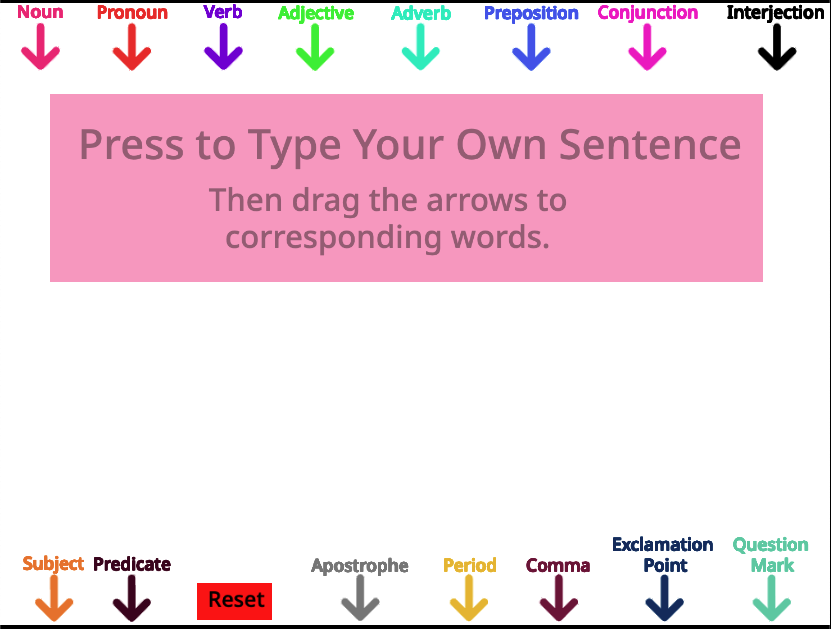
Introduce grammar terminology gradually as children are ready. Knowing terms like “adjective” or “preposition” helps them understand sentence construction.
For Children with Developmental Language Disorder
Provide extra visual supports like color-coding, pictures, or written words. These supports reduce memory demands and clarify sentence structure.
Break complex sentences into smaller steps. Master subject-verb combinations before adding objects, then gradually introduce modifiers and clauses.
Allow extra processing time for forming responses. Some children need a few more seconds to organize their thoughts into complete sentences.
For Children with Autism Spectrum Disorder
Use high-interest topics to increase motivation. Sentences about special interests are more likely to engage children and maintain attention.
Provide clear visual structure for activities. Visual schedules, written directions, and example sentences support understanding of expectations.
Consider sensory preferences when designing activities. Some children may engage better with tactile sentence-building materials or movement-based activities.
For Children with Articulation Disorders
Select vocabulary that avoids challenging speech sounds when possible. This allows focus on sentence structure without the added challenge of difficult articulation.
Separate sentence structure practice from articulation practice initially. Once structures are mastered, they can be combined with articulation targets.
Use written or pictorial supports to reduce verbal imitation demands. These visual aids help children focus on structure without speech production pressure.
Frequently Asked Questions About Sentence Structure
How do I know if my child has sentence structure difficulties?
Watch for these signs: consistently using incomplete sentences, leaving out important words (like “is” or “the”), using incorrect word order, or struggling to form questions and complex sentences.
By age 3-4, most children use complete simple sentences. By age 5-6, they typically include details and combine sentences with words like “and” or “because.”
If sentence structure difficulties persist and affect communication or learning, consider consulting with an SLP. Early intervention prevents these challenges from impacting academic performance.
Should I correct my child’s sentence errors?
Instead of direct correction, try recasting—repeating the child’s sentence with the correct structure. If they say “Dog running fast,” respond with “Yes, the dog is running fast.”
This gentle approach provides the proper model without creating anxiety about speaking. The natural conversation flow maintains confidence while building skills.
For persistent errors, consider more structured practice targeting specific patterns. Fun activities focusing on troublesome structures build skills without criticism.
How long does it take to improve sentence structure?
Progress varies widely depending on the child’s age, specific challenges, frequency of practice, and consistency across environments. Some children show improvements within weeks, while others need months of targeted practice.
Focus on small, measurable goals rather than perfect sentences. Celebrating progress in specific areas (like consistently using articles or verb tenses) recognizes meaningful growth.
Regular practice across multiple settings accelerates progress. When SLPs, parents, and teachers use similar approaches, children learn to generalize skills more quickly.
How do reading and writing connect to oral sentence structure?
The same sentence patterns used in speaking transfer to reading comprehension and writing. Children first master patterns orally before recognizing them in text or producing them in writing.
Reading aloud to children exposes them to varied sentence structures. Discussing stories and asking questions about the text builds awareness of how sentences work.
Writing activities that begin with oral sentence formulation create a bridge between speaking and writing. Having children say sentences before writing them reinforces the connection.
Can technology help with sentence structure development?
Quality apps and digital activities can provide engaging practice with immediate feedback. Look for programs that target specific sentence patterns with clear visual supports.
Digital tools work best when paired with human interaction. Discuss the sentences created in apps and extend learning with real conversations about the topics.
Balance screen-based activities with hands-on practice using objects, movement, and social interaction. The most effective approach includes varied learning experiences.
How can I support sentence structure in everyday conversations?
Model rich language naturally throughout the day. Use complete sentences with varied structures during routine activities.
Ask open-ended questions that prompt fuller responses. Instead of “Did you like the movie?” ask “What did you like about the movie?” to encourage complete sentences.
Expand on your child’s utterances by adding details or combining ideas. This natural elaboration shows how basic sentences can grow into more complex ones.
Supporting Sentence Structure at Home
Parents play a crucial role in developing sentence structure. These simple strategies integrate practice into daily family life without creating drill-like pressure.
Consistent, natural modeling at home reinforces skills learned in therapy or school. These everyday opportunities often prove most effective for building language habits.
Try these family-friendly approaches:
Create Sentence-Rich Routines
Narrate daily activities using clear, complete sentences. “I’m cutting the apple into small pieces for your snack” provides natural sentence models during routine tasks.
Read books daily, choosing some with repetitive sentence patterns for younger children. Pause occasionally to discuss how sentences are formed or to have children complete predictable sentences.
Play verbal games during car rides or waiting times. “I Spy” games naturally elicit complete sentences when you model responses like “I spy something that is round and bounces on the floor.”
Use Visual Supports at Home
Create simple visual sentence starters for frequently used phrases. Cards with “I want…” or “I need…” help prompt complete sentences for common requests.
Use family photos to create sentence practice opportunities. Looking through pictures while describing what’s happening provides meaningful context for sentence building.
Make homemade books with simple sentences about family activities. These personalized stories motivate children to read and create sentences about familiar experiences.
Connect Speech to Writing
For school-age children, create a “sentence of the day” to write on a family whiteboard. Take turns creating and writing sentences following specific patterns.
Help children write simple notes or cards to family members. These authentic writing tasks provide purpose for forming complete sentences.
Create shopping lists together, using complete sentences to describe needed items. “We need milk for breakfast cereal” practices sentences while accomplishing household tasks.
Mastering sentence structure forms a critical foundation for effective communication, academic success, and social connection. Through engaging activities and consistent practice, children can develop the sentence-building skills they need for clearer expression and better understanding.
SLPs, teachers, and parents each play important roles in supporting sentence structure development. By providing varied, appropriate activities across settings, adults help children build strong language patterns that will serve them throughout life.
Remember that sentence structure develops gradually through natural conversation, targeted practice, and supportive feedback. Celebrate progress, keep activities playful, and maintain a positive approach to this essential aspect of language learning.