Simple Speech Therapy Exercises Parents Can Do at Home
When it comes to helping children grow their communication skills, parents are the most powerful partners in speech therapy. The moments you share at home — during meals, playtime, or bedtime stories — can become meaningful opportunities for practice.
Speech-language pathologists (SLPs) often remind families that progress doesn’t happen only in the therapy room. It happens every day in real-life situations where kids feel safe, loved, and motivated to talk.
Here are some easy, play-based speech therapy exercises parents can use at home to support clear speech, strong language, and confident communication.
Why Home Practice Matters
Speech therapy works best when children get consistent, short bursts of practice. Just 5 to 10 minutes a day can make a big difference.
At home, kids feel relaxed — which helps them take more risks with their speech. When parents use the same techniques as their child’s SLP, therapy progress accelerates. Plus, these activities fit easily into routines you already do together.
1. Sound Imitation Games
Purpose: Build awareness and accuracy of speech sounds.
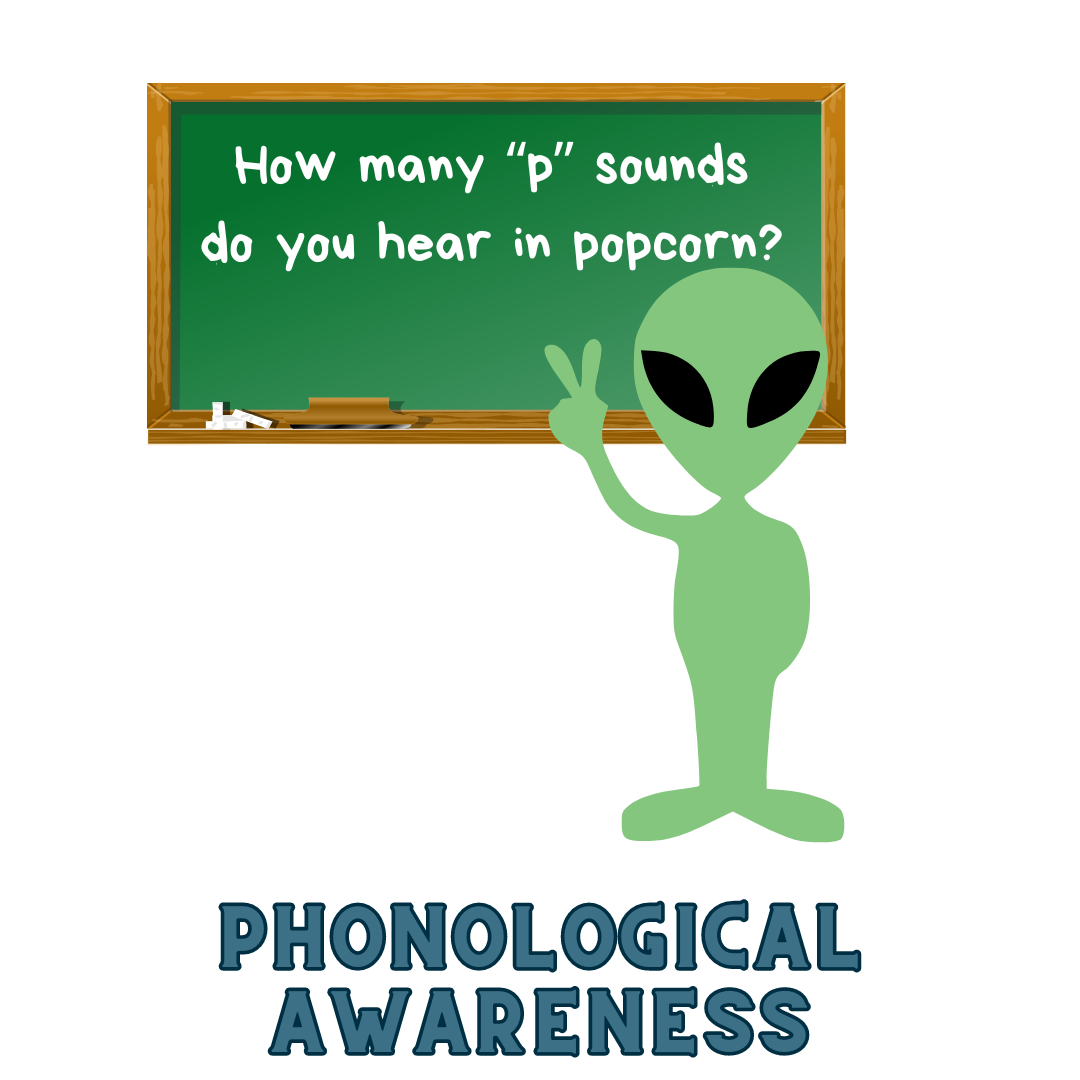
Start by picking one or two target sounds (like “s” or “k”) that your child’s SLP recommends. Practice them in fun, silly ways:
Echo Game: Say the sound clearly and have your child “echo” it back. Make it a competition — who can make it longer or quieter?
Sound Hunt: Find objects around the house that start with that sound (“sock,” “soap,” “spoon”).
Mirror Time: Sit in front of a mirror together so your child can see how your mouth moves.
Keep practice short and upbeat. Kids learn faster when they’re having fun!
2. Blowing and Oral Motor Play
Purpose: Strengthen lips, tongue, and breath support — all important for speech clarity.
Try simple blowing activities that feel like games:
Blow bubbles and encourage your child to pop them while saying a target sound (“p,” “b,” or “m”).
Use straws to blow cotton balls across the table like a race.
Pretend to blow out birthday candles or make animal noises that use strong breath (“moo,” “neigh,” “woof”).
These exercises help children feel how air flows when they talk and support smoother sound production.
3. Name and Describe Everyday Objects
Purpose: Build vocabulary and sentence structure.
Turn ordinary moments into learning opportunities. During meals, bath time, or car rides, ask your child to name or describe what they see:
“What’s this?” (point to an object)
“Tell me what it looks like.”
“What can we do with it?”
Encourage longer answers by expanding on what your child says. If they say “apple,” you might say, “Yes, a red apple! It’s crunchy and sweet.”
Over time, these mini conversations grow into stronger language and richer storytelling.
4. Read Together with Expression
Purpose: Support listening, language comprehension, and sound awareness.
Choose short books with rhythm and repetition — toddlers and preschoolers love predictability! Pause before familiar words to let your child fill them in.
Ask open-ended questions:
Reading doesn’t have to be formal. Even a few pages before bed builds attention, vocabulary, and imagination.
5. Play “I Spy” or Sound-Focused Games
Purpose: Improve sound discrimination and listening skills.
“I Spy” is a simple favorite that can be adjusted for speech practice:
Other fun games:
Children love the humor and repetition, and you’ll be reinforcing key speech skills without it feeling like work.
6. Practice Turn-Taking and Conversation Skills
Purpose: Strengthen social communication.
Use board games, pretend play, or even mealtime to practice conversation rules like taking turns, listening, and asking questions.
You can model these skills naturally:
“My turn to talk, your turn to listen.”
“Now it’s your turn to ask me a question!”
“Wow, I like how you waited and listened.”
These gentle reminders help children understand the rhythm of real conversation.
7. Use Everyday Routines as Speech Practice
Speech practice doesn’t need to be structured. In fact, real-life routines are perfect learning opportunities.
During snack time, describe what you’re eating (“Crunchy carrots! Yummy yogurt!”).
During bathtime, talk about actions (“Pour, splash, wash!”).
During getting dressed, name clothing items or colors.
Children learn best through repetition and connection. When speech practice happens during daily routines, it becomes natural and joyful.
8. Celebrate Effort, Not Just Perfection
Progress in speech therapy takes time. Celebrate every small success — a new sound, a longer sentence, or even a brave attempt.
Say things like:
Positive feedback motivates children to keep trying and builds confidence in their growing communication skills.
FAQs
Do I need special tools for speech therapy at home?
No. Most activities use everyday objects — books, toys, mirrors, or kitchen items. Your SLP may share printable materials or links to free resources like FreeSLP.com.
How much time should we spend practicing?
Five to ten minutes a day is perfect. Short, consistent practice works better than long sessions.
What if I’m not sure how to model a sound correctly?
Ask your child’s SLP for a quick demonstration or video. Watching how the tongue and lips move makes all the difference.
Final Thoughts
Speech therapy at home doesn’t have to feel like “homework.” It’s about weaving practice into the moments that already fill your day — laughter, play, reading, and connection.
With patience, praise, and a little creativity, parents can make a huge difference in their child’s communication journey.