



Articulation / Phonological Process Virtual Games, Materials, & Activities

All
Sounds (Articulation)
Phonological Processes

Language Virtual Games, Materials, & Activities

Sh (11)
Adjectives Virtual Games & Materials
Sh (7)
Adverbs Virtual Games & Materials
Sh (5)
Antonyms Virtual Games & Materials
Sh (29)
Basic Concepts Virtual Games & Materials
Book Companions
Book Companions Virtual Games & Materials
33
Categories Virtual Games & Materials
34
Compare and Contrast Virtual Games & Materials
35
Common Nouns Virtual Games & Materials
Sh (13)
Conjunctions Virtual Games & Materials
Sh (27)
Context Clues Virtual Games & Materials
Sh (31)
Contractions Virtual Games & Materials

39
Directions Virtual Games & Materials
40
Describing Virtual Games & Materials
41
Does Not Belong Virtual Games & Materials
42
Emotions Virtual Games & Materials
43
Expanding MLU / Sentences Virtual Games & Materials
48
Figurative Language Virtual Games & Materials
44
Future Tense Virtual Games & Materials
33
Functions Virtual Games & Materials
46
Has / Have Virtual Games & Materials
Sh (32)
Homophones Virtual Games & Materials
49
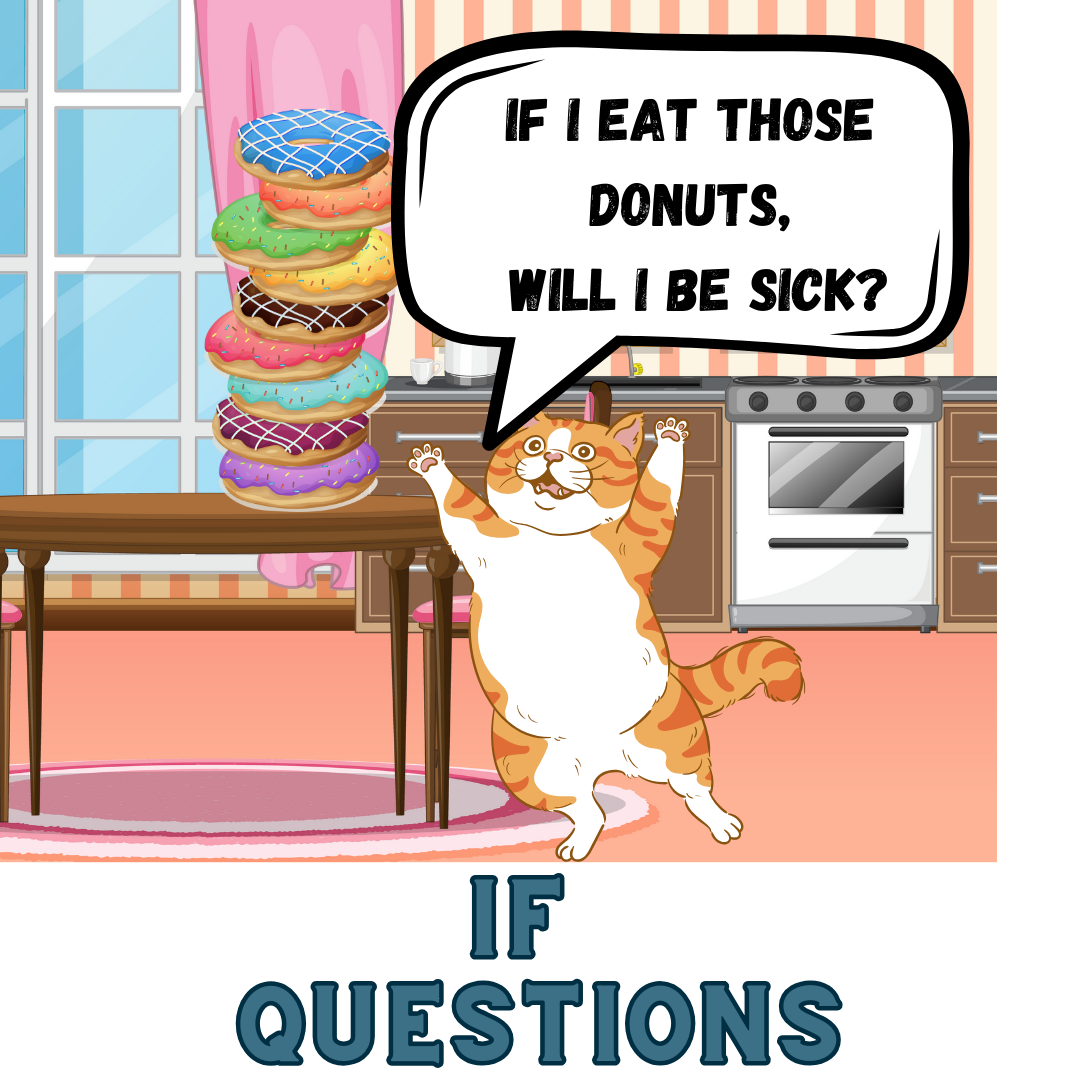
If Questions Virtual Games & Materials
Sh (26)
Inferencing Virtual Games & Materials
77
Irregular Past Tense Virtual Games & Materials
51
Is / Are Virtual Games & Materials
52
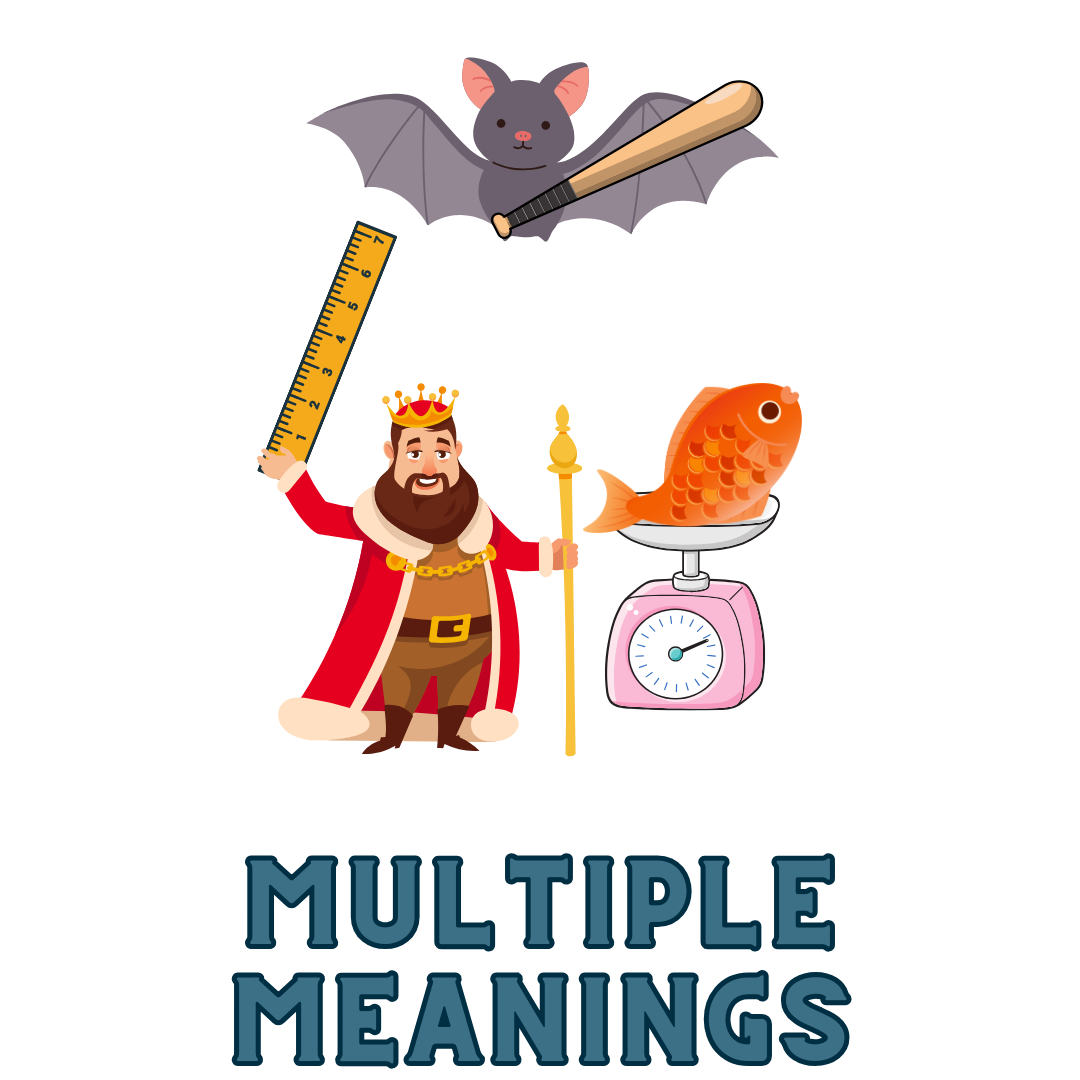
Multiple Meaning Virtual Games & Materials
53
Negation Virtual Games & Materials
54
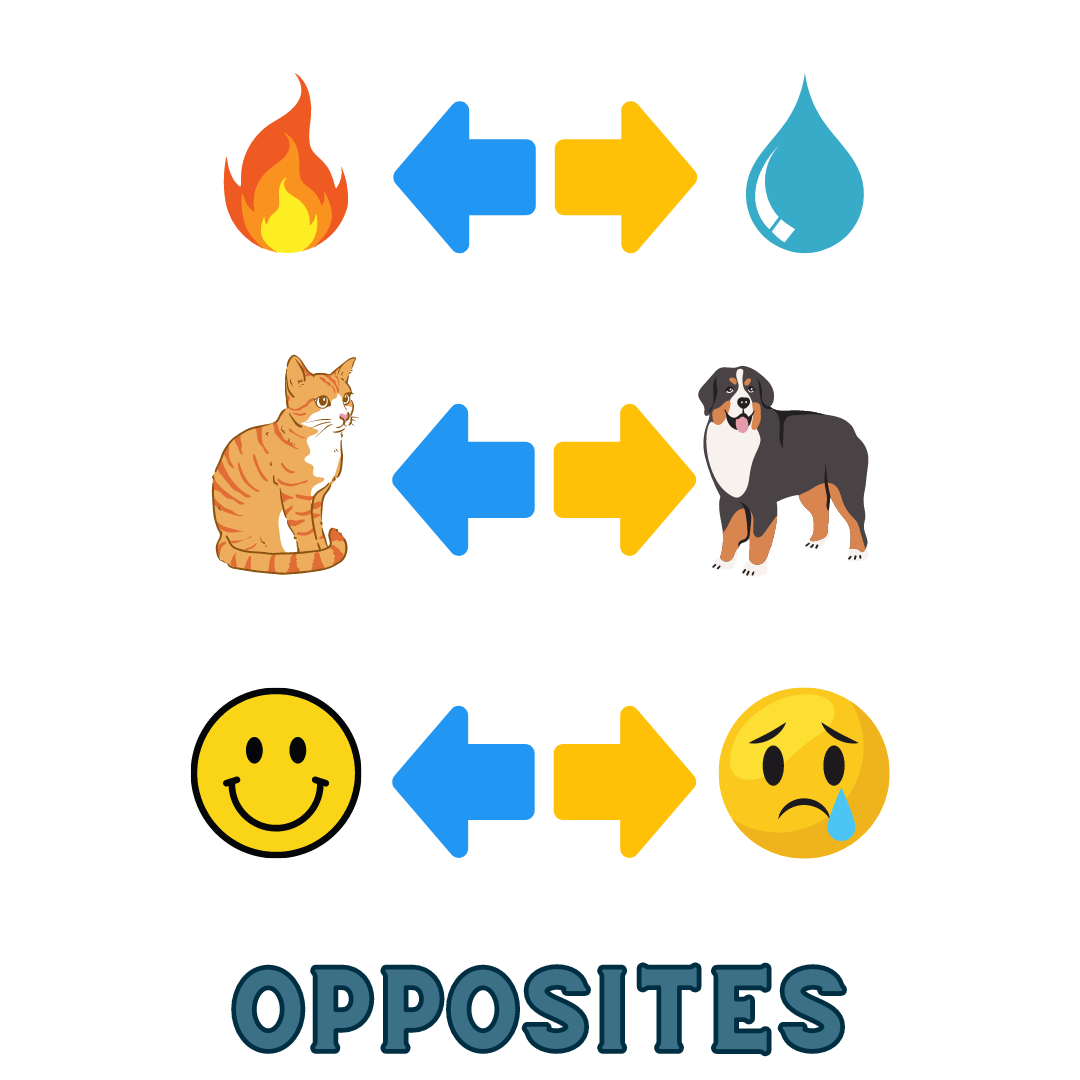
Opposites Virtual Games & Materials
58
Personal Opinion Virtual Games & Materials
55
Phonological Awareness Virtual Games & Materials
59
Plurals Virtual Games & Materials
62
Possessive Pronouns Virtual Games & Materials
60
Prepositions Virtual Games & Materials
61
Pronouns Virtual Games & Materials
36
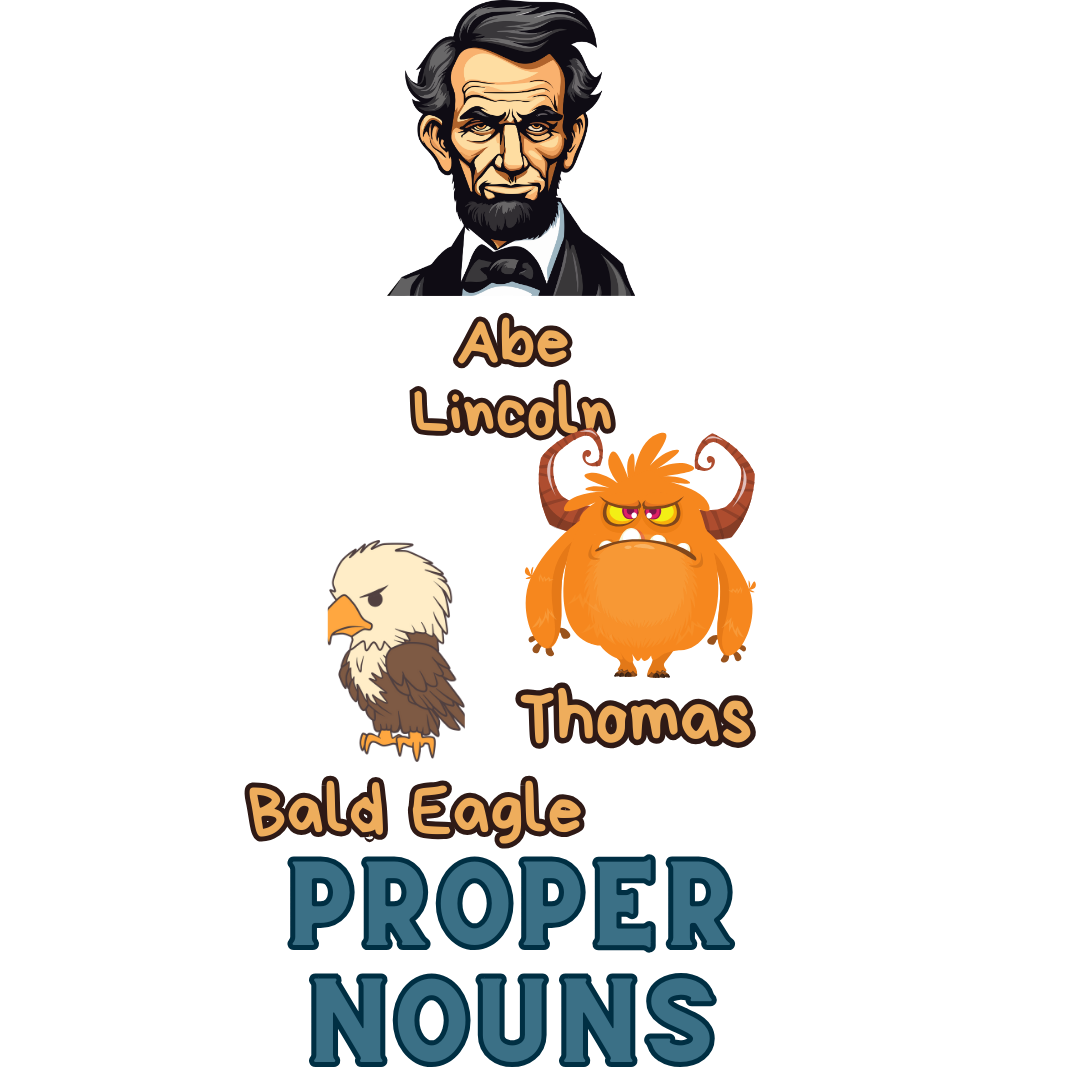
Proper Nouns Virtual Games & Materials
63
Question Structure Virtual Games & Materials
75
Regular Past Tense Virtual Games & Materials
56
Rhyming Virtual Games & Materials
64
Sentence Structure Virtual Games & Materials
66
Sequencing Virtual Games & Materials
Sh (17)
Sight Words Virtual Games & Materials
Sh (22)
Social Skills Virtual Games & Materials
67
Story Comprehension Virtual Games & Materials
68
Story Read Alouds Virtual Games & Materials
47
Subject Verb Agreement Virtual Games & Materials

Sh (18)
Superlatives Virtual Games & Materials
57
Syllables Virtual Games & Materials
73
Synonyms Virtual Games & Materials
Sh (25)
Vocab Virtual Games & Materials
74
Was / Were Virtual Games & Materials
Sh (14)
Wh Questions Virtual Games & Materials
78
Yes / No Questions Virtual Games & Materials

The Best Articulation Games for Speech Therapy at Home

If your child is working on speech sounds, you’ve probably been told to “practice at home.” But what does that really look like? Sitting at the kitchen table drilling words over and over doesn’t exactly sound exciting — for you or your child. The good news is that speech practice can be fun, fast, and effective when you use the right games.

As speech-language pathologists, we know kids learn best when they’re having fun. That’s why we recommend using simple, game-based articulation activities that make practice feel like play. And thanks to a few great websites, you don’t have to spend money or hours preparing.

Our favorite place to start is FreeSLP.com. The site was designed by speech-language pathologists to make therapy materials free and easy for families to use. You’ll find printable articulation boards, picture cards, and sound worksheets — all organized by speech sound. Every activity is parent-friendly, meaning you can use it without special training.

We love FreeSLP’s articulation printables because they’re flexible. You can print them and use them as flashcards, or pull them up on a tablet and have your child point, describe, or name the pictures. A quick five-minute round every day can make a big difference.

When your child is ready for something digital, Boom Cards is another fantastic option. These are online, interactive games that work on a phone, tablet, or computer. Many decks are free and designed by speech therapists. Kids click, drag, and get immediate feedback, which keeps them motivated. You can find decks that focus on specific sounds — like /s/, /r/, or /th/ — and short games that fit easily into busy days.

Pink Cat Games is another family favorite. The website offers colorful, quick games that make repetition feel fun. You can use them for short “speech breaks” after homework or before dinner. We love how they sneak practice into playtime — kids don’t even realize how much work they’re doing!

If you prefer printable activities, check Teachers Pay Teachers (TPT). Many speech therapists share free articulation worksheets and home practice packets there. You can find sound-specific materials or themed games, like “speech bingo” or “say-and-color” pages. They’re perfect for families who like hands-on activities.

For families who enjoy playing together, FreeSLP also has printable board games that work with any sound. You can use small toys or buttons as game pieces and take turns saying words as you move around the board. Kids love competing — and you’ll love how naturally the practice happens.

Here are a few tips to make at-home practice smoother:

  • Keep it short. Five minutes a day is enough. Consistency matters more than length.

  • Make it positive. Celebrate effort, not perfection.

  • Play together. Kids learn best when you join in.

  • Use visuals. Pictures help kids remember words and sounds.

  • Mix it up. Alternate between digital and printable activities for variety.

If your child gets bored, don’t worry — that’s normal. Rotate a few different games from FreeSLP, Boom Cards, and Pink Cat so things stay fresh. You can even use household items (like tossing a ball or rolling dice) to add a little movement to practice.

Most importantly, remember that progress takes time. Every small step counts. Even five minutes of joyful practice can make a huge difference over the long run.