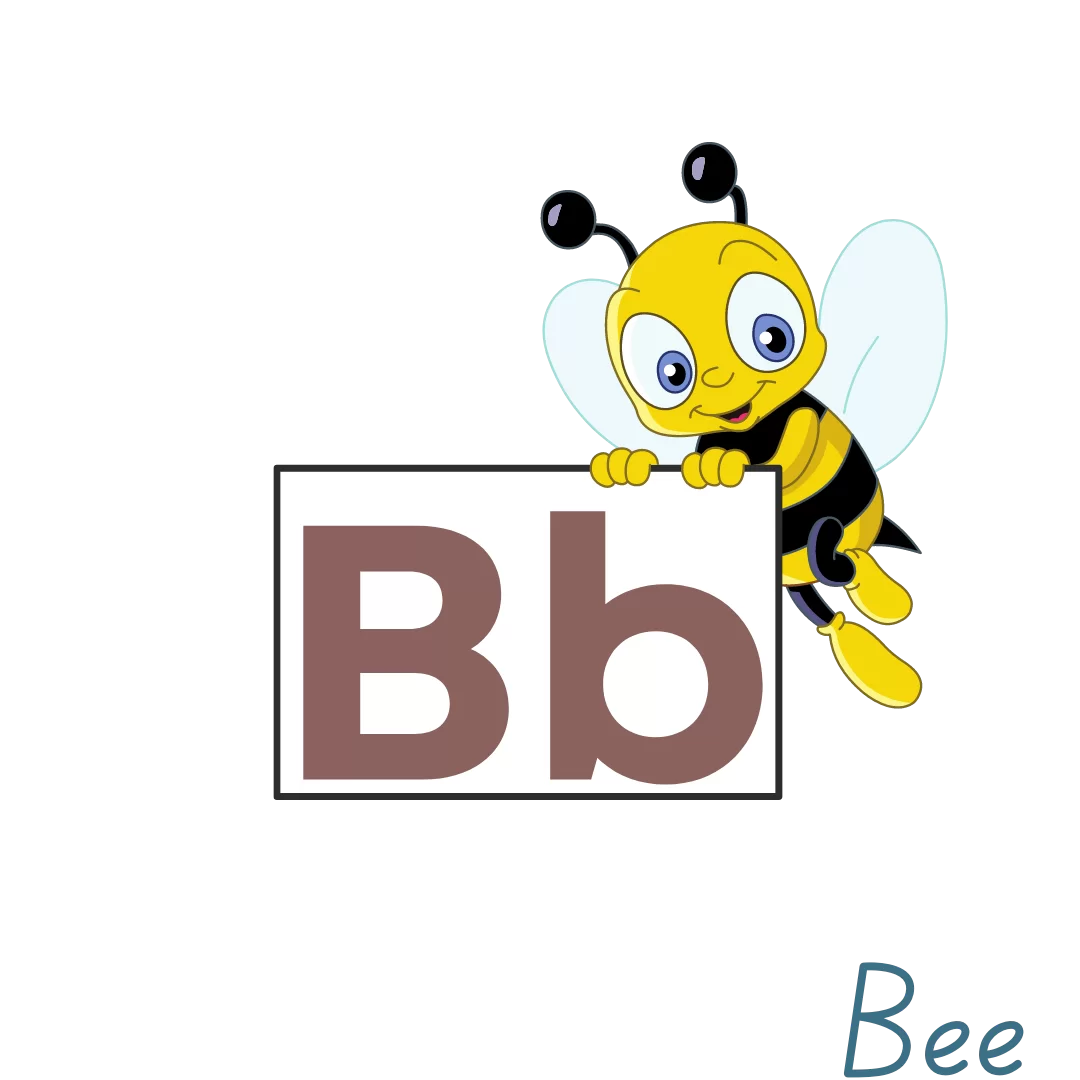
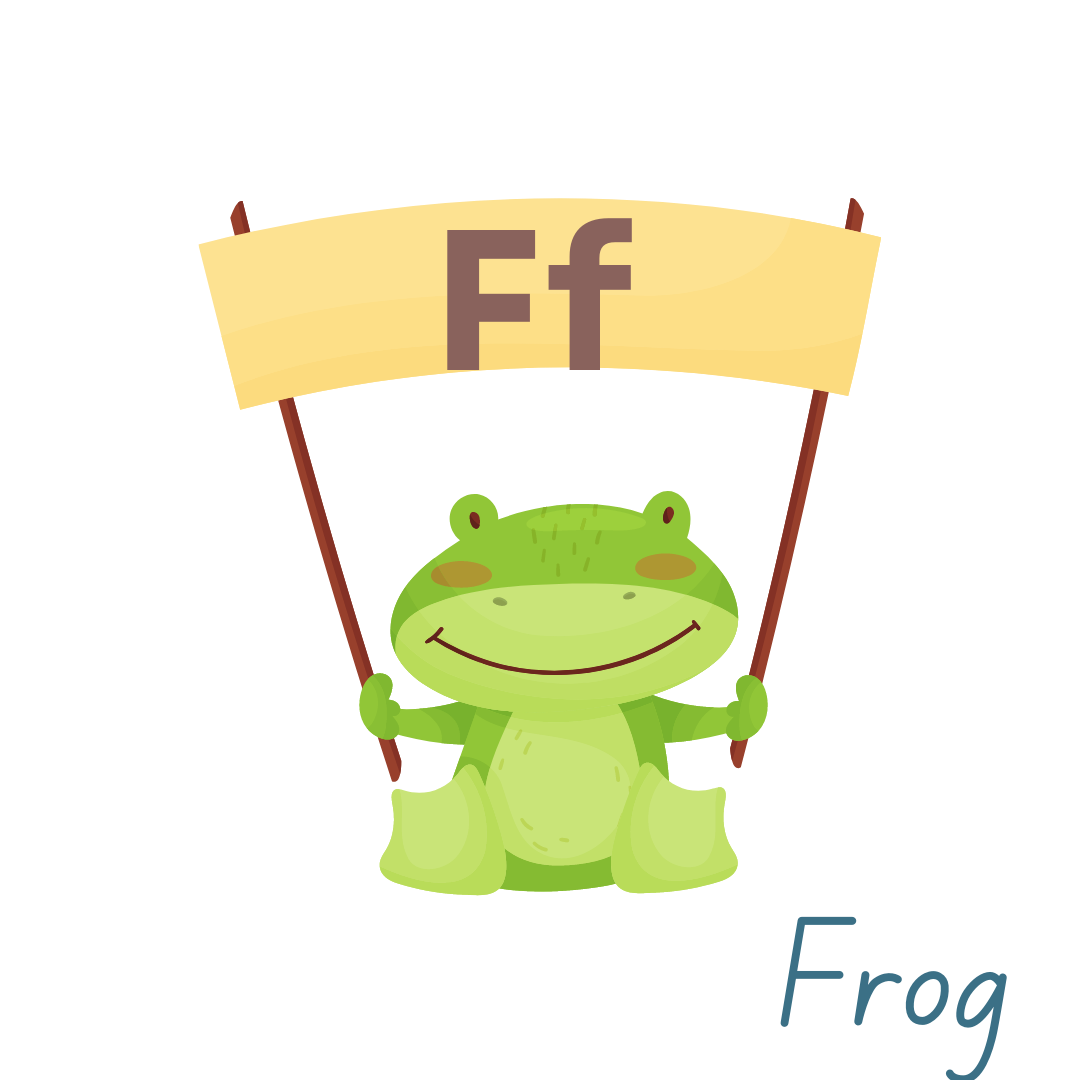
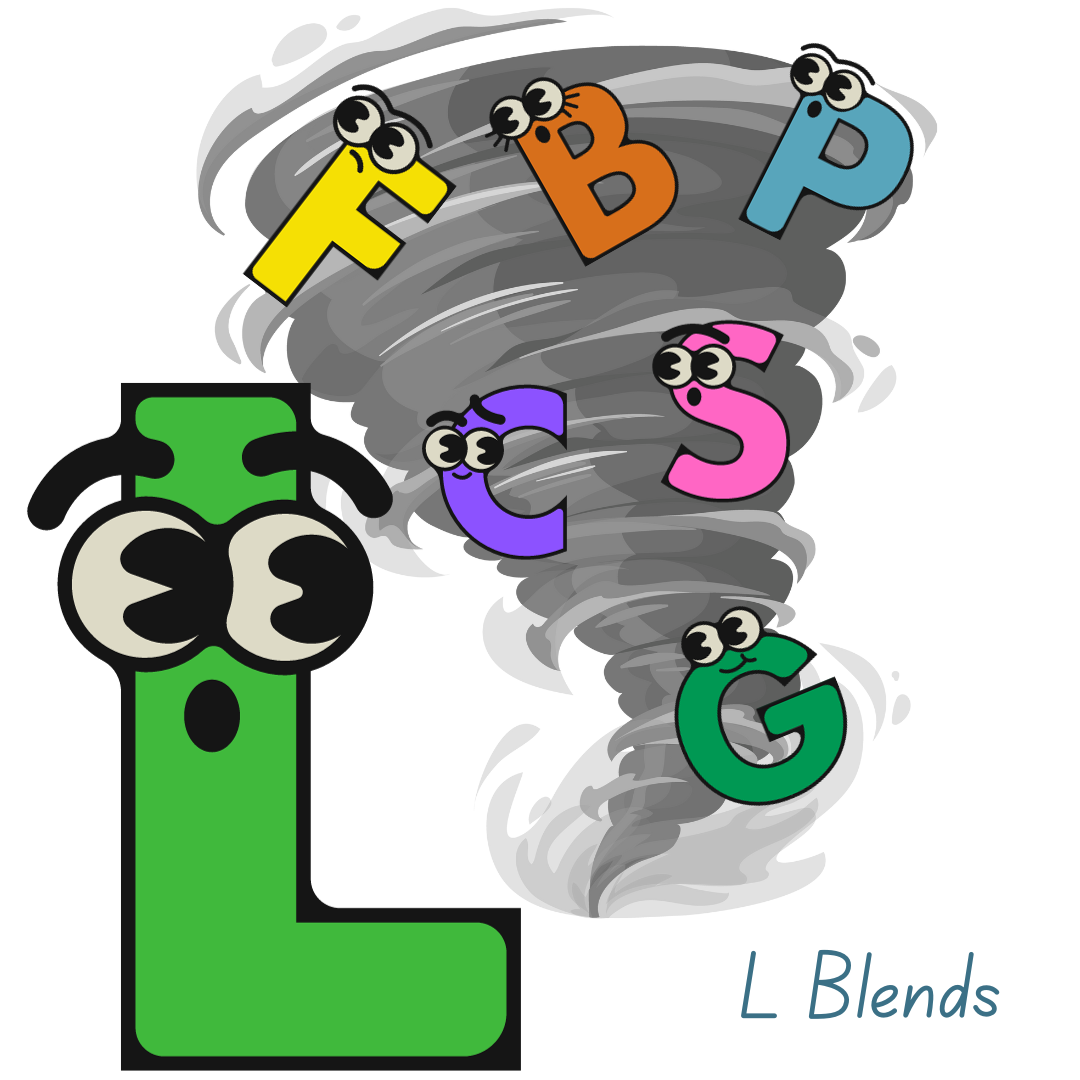
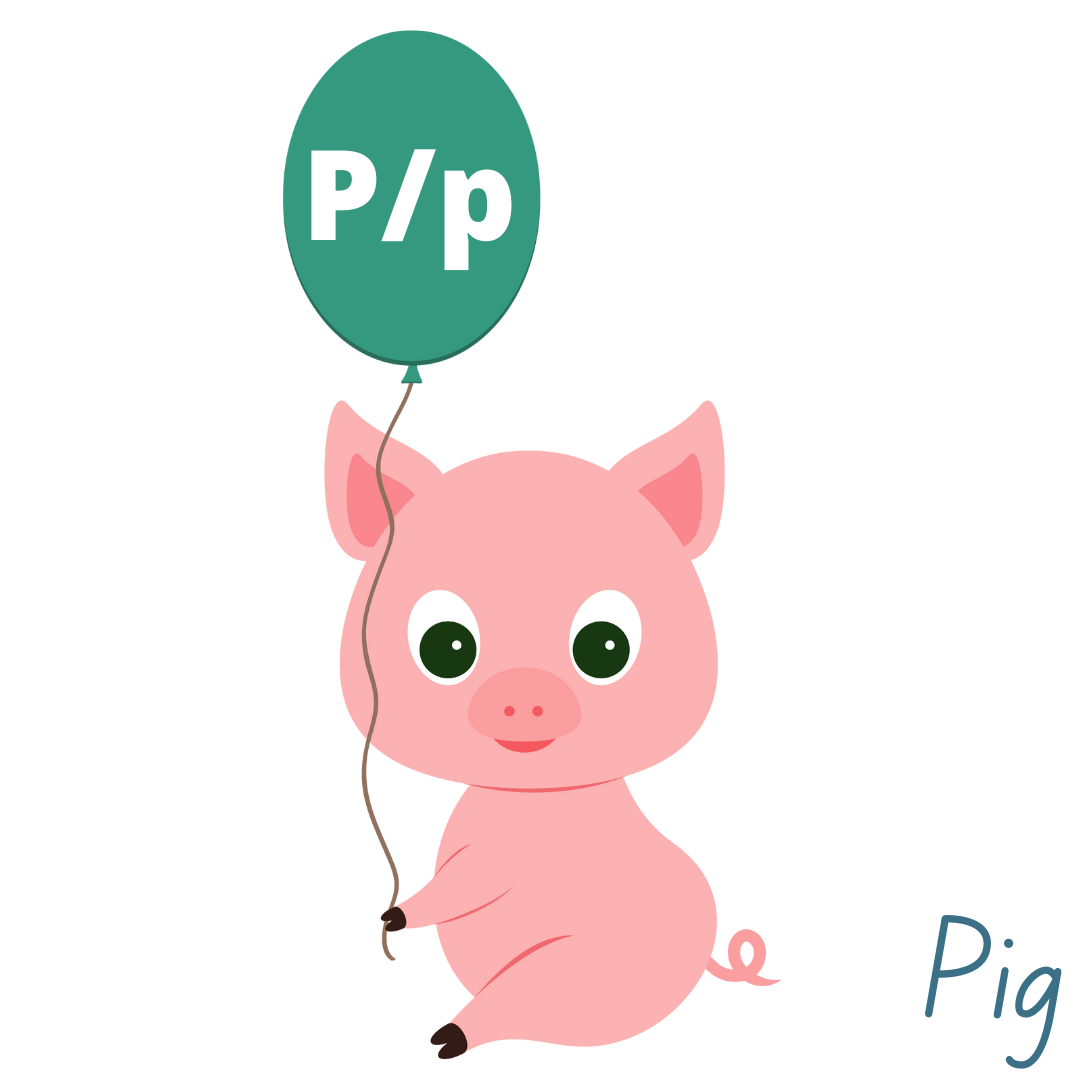
Whether you’re working with preschoolers who can’t sit still, or teenagers who’ve “seen it all,” digital games can transform speech therapy from routine practice into something students actually look forward to. The trick isn’t finding the flashiest game — it’s finding ones that are flexible, purposeful, and easy to use across goals and age groups.
At FreeSLP.com, we believe digital games work best when they’re simple, engaging, and connected to real communication. And the best part? You don’t need expensive subscriptions or complicated platforms to make them work for your students.
Here’s how to make digital speech therapy games work for any age — and a few favorite tools to get you started.
1. Keep the goal front and center
Digital tools are amazing, but it’s easy to let the game take over. Before opening anything on-screen, ask yourself: What skill am I targeting?
If the goal is articulation, make sure students are getting lots of sound practice — not just clicking for fun. For language or social goals, choose games that naturally spark conversation, problem-solving, or turn-taking.
We design FreeSLP’s digital-friendly materials with this in mind. Every printable or activity on the site can be used interactively — on screen, in person, or shared virtually — without losing focus on the actual therapy target.
2. Choose games that adapt to the student
The best digital speech therapy games are the ones that grow with your students. You want something that feels fresh whether you’re working with a kindergartener or a high schooler.
That’s why we love pairing FreeSLP’s open-ended printable games with simple, flexible digital platforms.
Interactive tools like Boom Cards allow you to adjust decks by goal or difficulty, while Pink Cat Games offer short, visual activities that appeal to a wide age range. Both let you target articulation, vocabulary, or grammar without changing your entire plan.
Even tools from sites like Ultimate SLP or FreeSLP’s digital scene collections can be used with multiple groups — younger kids love the colors, older students like the challenge.
3. Make therapy feel like play
Students learn more when they’re relaxed and having fun. That doesn’t mean therapy stops being structured — it just means it feels more natural.
We often use FreeSLP digital game boards or printable reinforcers as the “base” of a session, then layer digital tools in between. For example:
-
Start with a FreeSLP printable describing scene.
-
Move into a quick Boom Card activity for vocabulary practice.
-
End with a Pink Cat mini-game as a fun reward.
This pattern works with any age because it balances structure and novelty.
4. Mix short games with longer discussions
Younger students thrive on movement and visuals. For them, quick-response games — drag-and-drop, spin wheels, reveal cards — keep attention high.
Older students often prefer something that feels more like real conversation. Try FreeSLP’s open-ended language prompts or conversation cards as a follow-up to a short digital game. A five-minute quiz-style round can lead to ten minutes of meaningful dialogue.
For example, after a quick “categorize the pictures” game, you might ask, “Why do those items belong together?” or “When would you use that word?” Suddenly, a digital game becomes a language lesson.
5. Use competition and collaboration wisely
Friendly competition can be a great motivator — especially for older students. FreeSLP printable token boards, point trackers, or digital leaderboards add just enough structure to make participation exciting.
But not every student thrives on competition. That’s where collaborative games come in. Try team-based challenges where the group earns points together, or use a shared FreeSLP game board to reach a common goal. Cooperation builds social skills naturally while keeping everyone engaged.
6. Keep variety without complexity
One common mistake is thinking you need dozens of digital tools. In reality, three or four high-quality options can cover almost every goal area.
Here’s a simple combo we use all year long:
-
FreeSLP.com → free printables, games, game boards, and open-ended activities.
-
Boom Cards → interactive articulation, grammar, and listening tasks.
-
Pink Cat Games → quick reinforcers and group games.
-
Ultimate SLP → no-prep digital materials
Rotating between these keeps sessions lively without overwhelming your planning routine.
7. Involve students in the process
Older students especially love when they get a say. Ask them to pick which type of activity comes next — a digital challenge, a printable game, or a conversation task.
This small choice gives them ownership, which makes participation easier and effort more consistent.
8. Combine free and paid tools intentionally
There’s no need to subscribe to everything. FreeSLP offers a massive library of no-prep materials, and most digital platforms have excellent free versions.
Use the free editions to test what your students respond to, then invest only in what’s worth it for your caseload. Often, a well-designed FreeSLP printable paired with a free Boom Card deck or Pink Cat Game is all you need.
9. Connect therapy to real life
Digital games are a bridge — not a destination. Use them to build toward real communication.
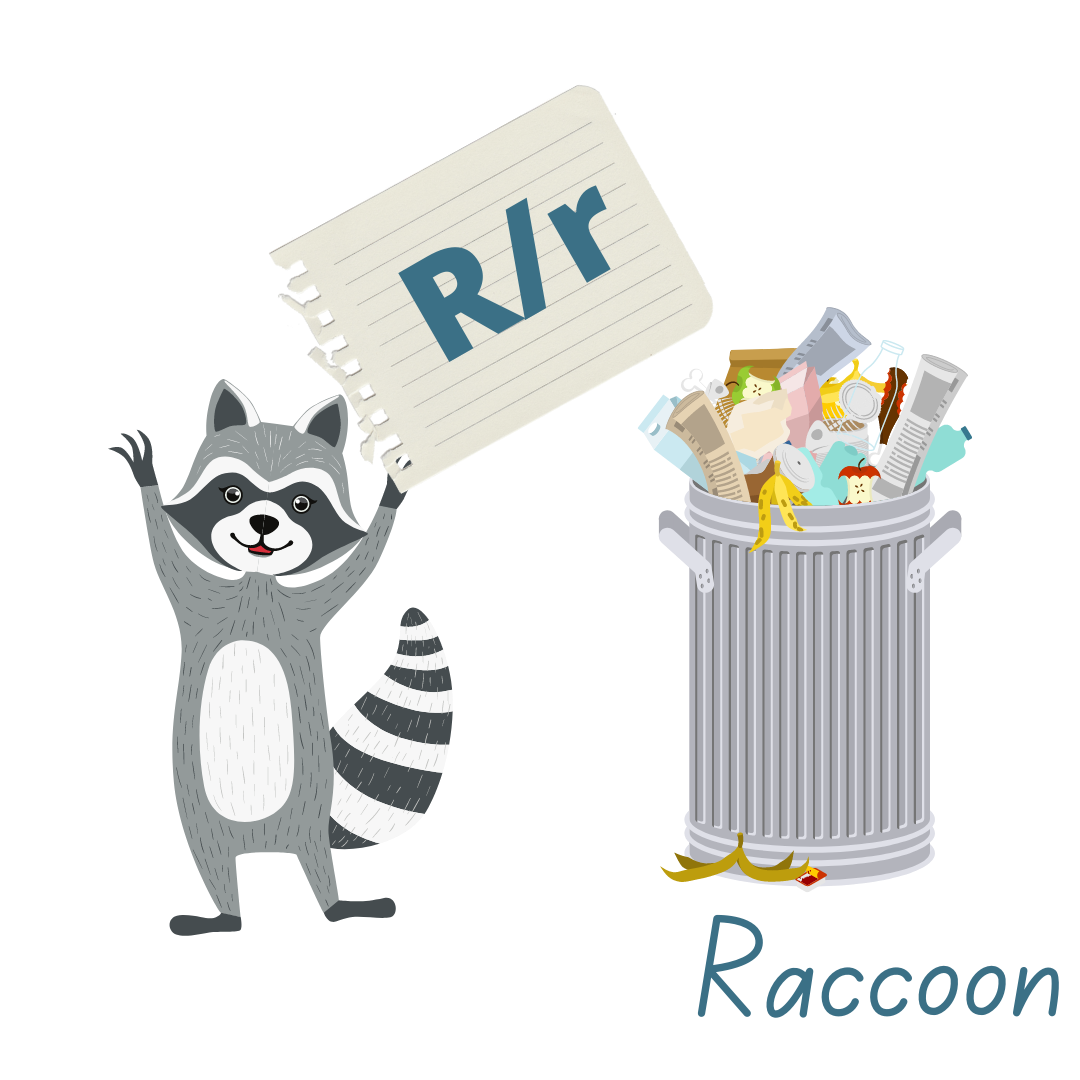
For example, if a student is practicing the /r/ sound during a FreeSLP game, have them carry that same skill into a short conversation afterward. Or if a language student matches categories on-screen, challenge them to find examples in their classroom or home environment later.
This connection helps students see why therapy matters — and that’s where the real progress happens.
10. Keep joy at the center
At the end of the day, digital speech therapy games aren’t about screens — they’re about connection.
When used well, they help students feel confident, curious, and proud of their progress. They make speech therapy something to look forward to, not just another task on the schedule.
And that’s exactly what we aim for at FreeSLP.com — making high-quality therapy materials accessible to everyone, without losing the heart of what makes speech therapy meaningful.
So whether you’re leading a classroom session, running teletherapy, or helping your child at home, remember: the best games are the ones that bring learning to life — one laugh, one goal, and one success at a time.