







Articulation / Phonological Process Virtual Games, Materials, & Activities
Language Virtual Games, Materials, & Activities
The Best Free Digital Materials for Teletherapy That Aren't Boring
Let’s be real. We’ve all been there.
You’re in a teletherapy session, you share your screen, and you pull up… a static PDF worksheet. The child’s eyes glaze over. You can feel them mentally check out.
Keeping kids engaged through a screen is tough, and “boring” teletherapy is draining for everyone. Finding good, free speech therapy materials that are actually fun and no-prep can feel like searching for a unicorn.
But here’s the good news: they’re out there. And as an SLP who has spent a lot of time in the teletherapy trenches, I’ve built a solid list of go-to resources that aren’t boring.
Here are my personal bookmarks for the best free digital materials.
My Top “No-Prep, All-Fun” Digital Game Sites
These are my first stops when I need a fast reinforcer or a simple, open-ended activity. These sites are typically “just for fun,” but you can easily layer your speech goals right on top.
Open-Ended “Creator” Games (My Favorite!)
This is my number one tip. Forget goal-specific games for a second and think open-ended.
I’m talking about those simple “Make-a-…” games. You’ve seen them:
Make a Pizza
Build a Robot
Make a Cupcake
Dress a Character
These are language goldmines. You can target following directions (“Put on two pieces of pepperoni and one mushroom”), describing (“My robot has a square, red body and long, skinny arms”), sequencing, requesting, and so much more. You can find these on sites like ABCya and PBS Kids.
General Game Sites for Reinforcement
Sometimes, you just need a good, old-fashioned reinforcer. After a few articulation drills, I’ll often use a “take a turn” system with a simple online game.
Highlights Kids: Their Hidden Pictures games are fantastic. They’re a perfect free articulation worksheet replacement. As the child finds an object, have them say their target word five times.
PBS Kids: Great for younger kids (toddlers and preschoolers). The games are simple, cause-and-effect, and feature characters they already love.
The “Must-Have” Freebies: Boom Cards & TPT
This is where you’ll find the best free speech-language pathologist resources that are targeted to specific goals.
Finding Free Gold on Boom Learning
If you’re not using Boom Cards, you’re missing out. They are interactive, self-grading digital task cards. Kids can drag-and-drop, click, and type. They feel like real games.
While many decks are paid, there is a huge library of free ones.
Go to the Boom Learning store.
Search for your goal (e.g., “articulation K,” “pronouns,” “WH questions”).
On the left-hand side, filter your search by “Free.”
You’ll find hundreds of high-quality, engaging decks for articulation, language, and even social skills.
Don’t Forget Teachers Pay Teachers (TPT)
TPT isn’t just for printable worksheets. In the past few years, SLPs have been uploading amazing no-prep speech therapy activities designed for teletherapy.
Search for your goal and add “no print” or “digital” to your search. You’ll find:
Interactive PDFs
Free Google Slides activities
Digital “Would You Rather?” games
Just like on Boom, you can sort your search by “Price” and select “Free” to find some absolute gems.
The Ultimate Versatile Tool: Digital Spinners
This is my secret weapon for making any drill work fun.
Go to a free digital spinner site (like Wheel of Names). This tool is a blank slate. You can copy-paste anything onto the wheel.
How I use it:
For Articulation: Paste a list of the student’s target words. Whatever word the wheel lands on, they say it 5 times.
For Drills: Just put numbers on the wheel (1, 2, 3, 4, 5). Spin it, and that’s how many times they have to practice their sound or answer a question.
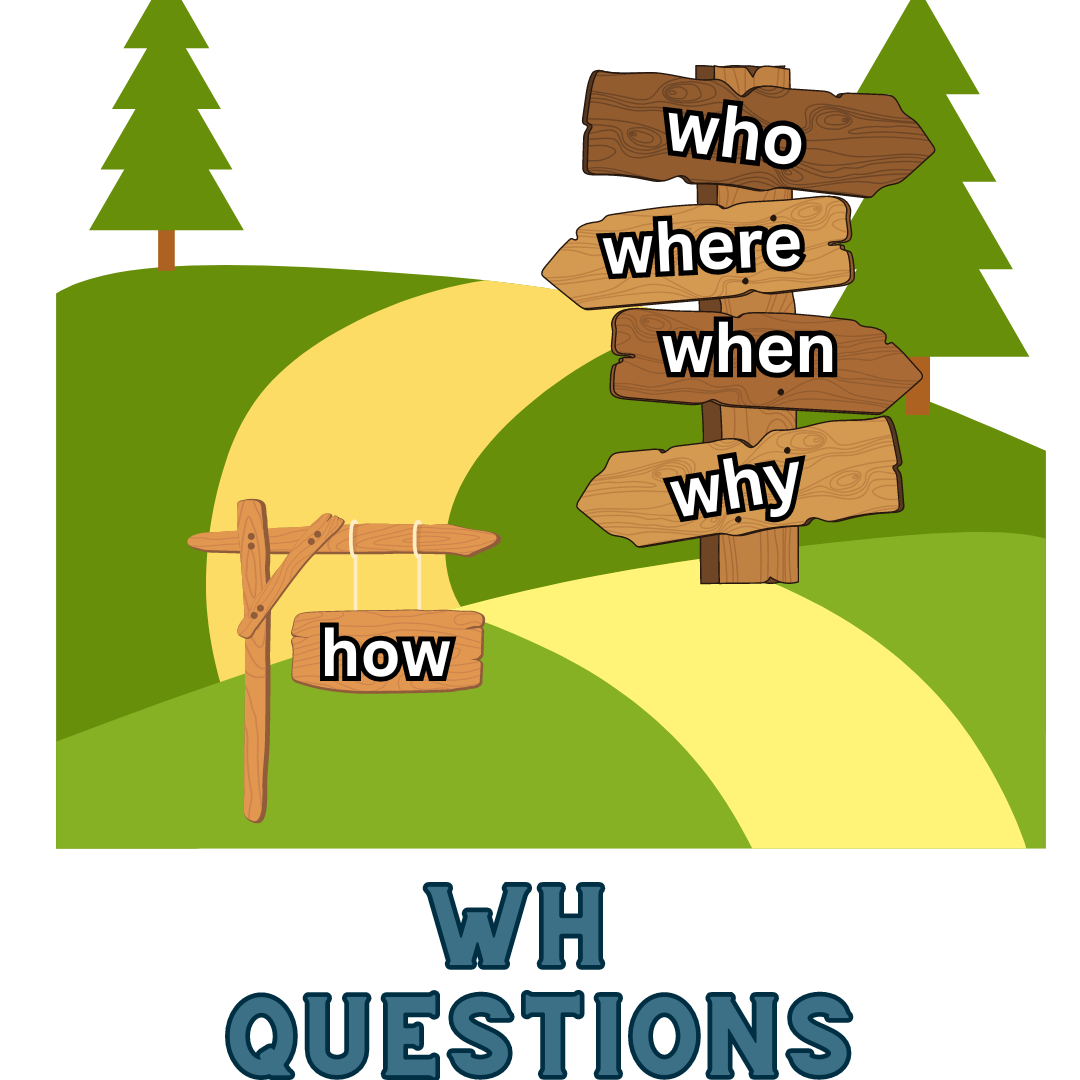
For Language: Put WH-question prompts on it (Who, What, Where, When, Why).
For Groups: Put all the kids’ names on it to see who goes next.
It’s simple, fast, and kids love the anticipation of the spin.
Using Videos for Language (Yes, Really!)
This isn’t just “screen time.” Using the right videos is a powerhouse move for language goals.
I’m talking about wordless animated shorts. You can find tons of them on YouTube.
Because there’s no dialogue, the child has to do all the heavy lifting. You can pause the video every 30 seconds and work on:
Inferencing: “What is the character thinking?”
Problem-Solving: “Oh no! What should he do now?”
Sequencing: “What happened at the beginning of the story?”
Social Skills: “Look at her face. How is she feeling?”
It’s one of the most engaging ways to get complex language from a student, and it’s 100% free.
You don’t need a huge budget to have fun and effective teletherapy sessions. Having a few of these high-quality free speech therapy materials bookmarked will save you time and help you (and your students) avoid that “boring PDF” burnout.