Language therapy is one of those areas that can be both incredibly rewarding and, at times, surprisingly tricky—especially when it comes to keeping students engaged online. Between the technical hiccups, attention spans, and variety of goals we juggle, finding the right language games for teletherapy can feel like an ongoing challenge.
But here’s the truth: online language therapy doesn’t have to be complicated. Over time, we’ve learned that the best games are simple, interactive, and adaptable. They’re the kind of activities that get students talking without them even realizing how much practice they’re getting. And luckily, many of the best ones are completely free.
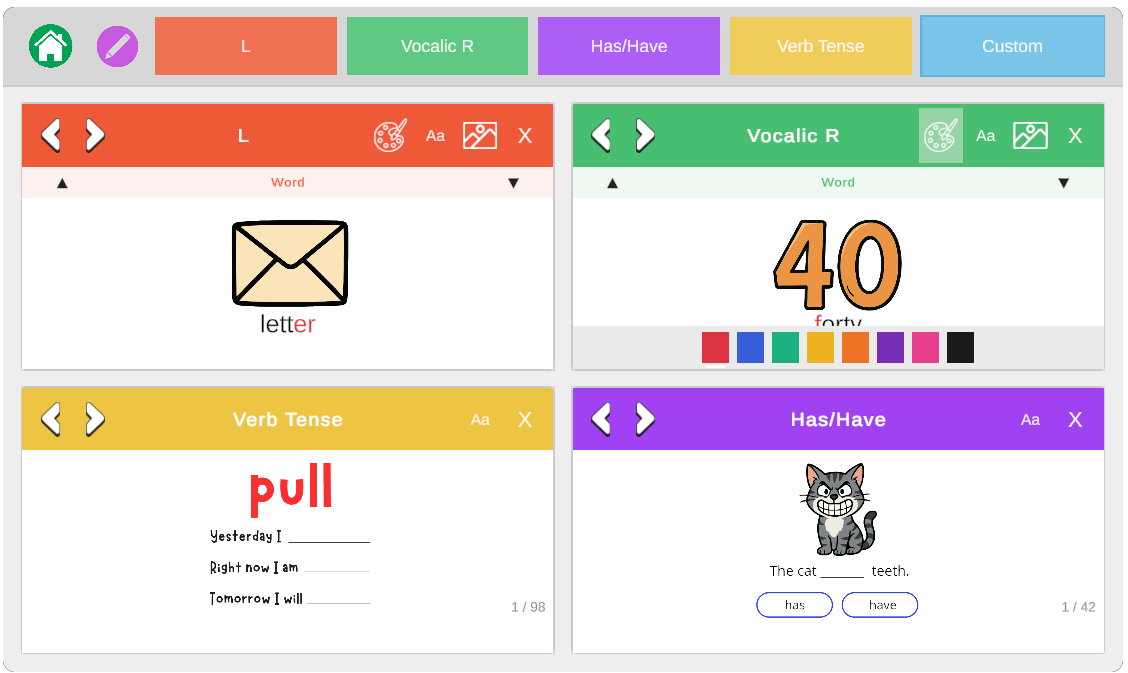
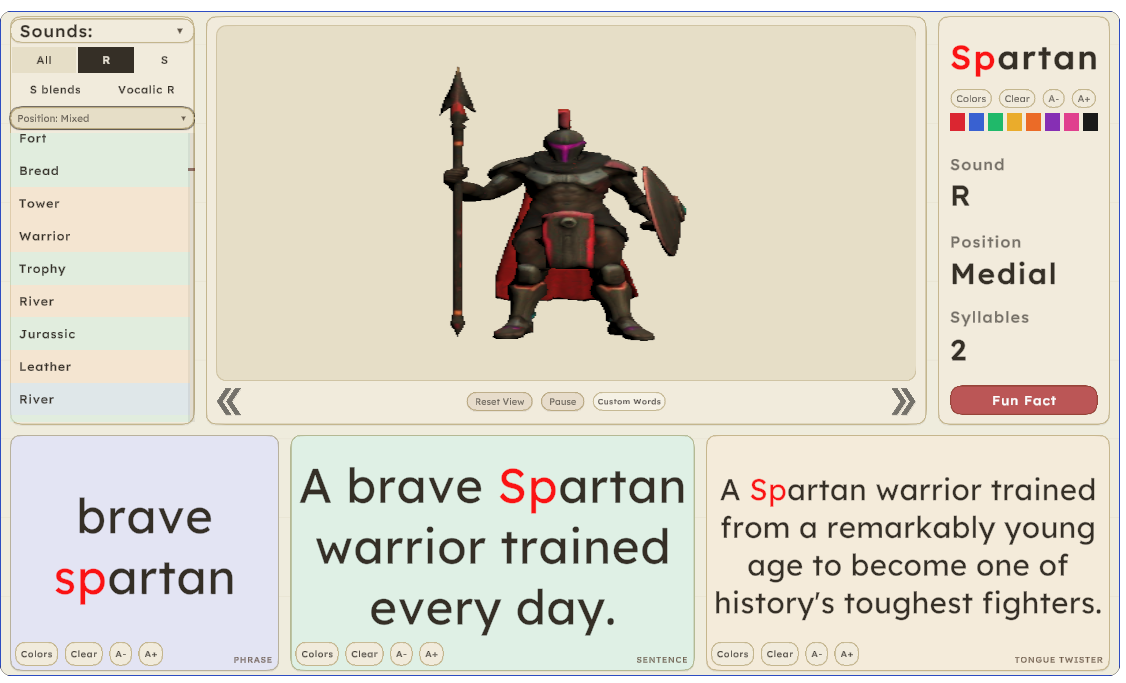
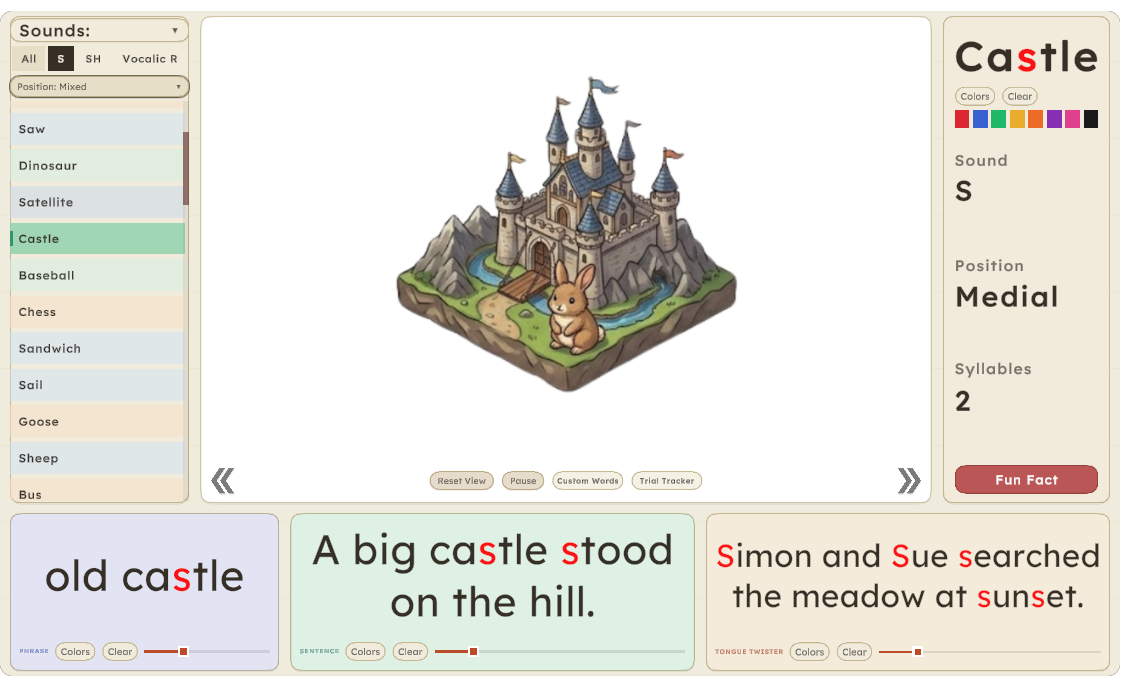
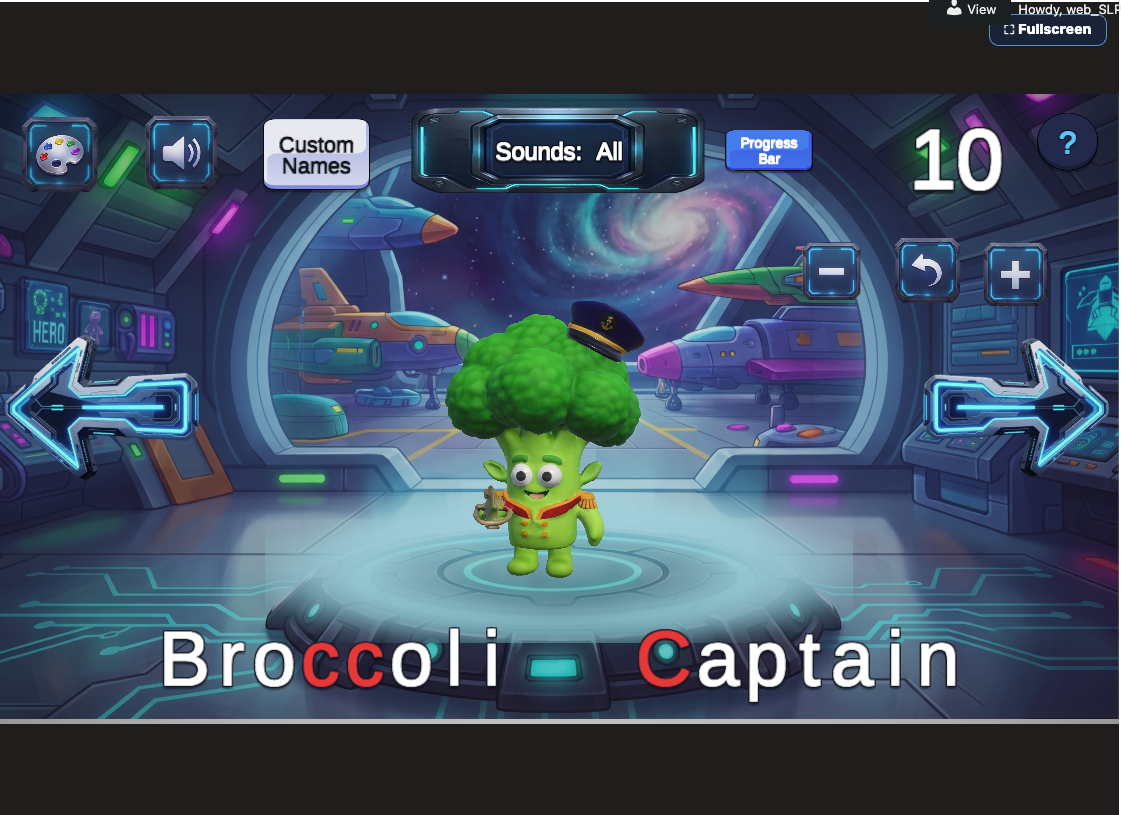
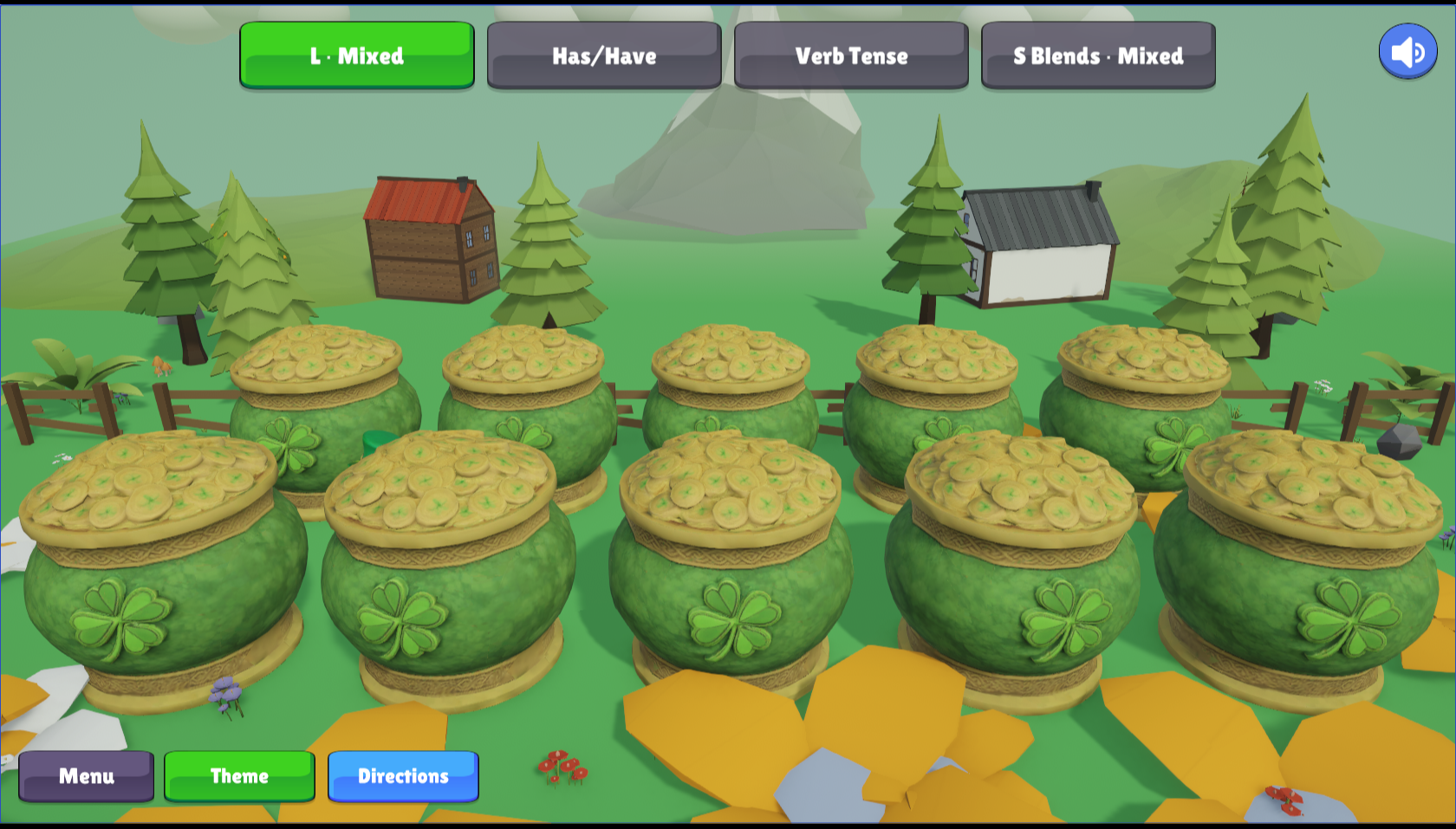
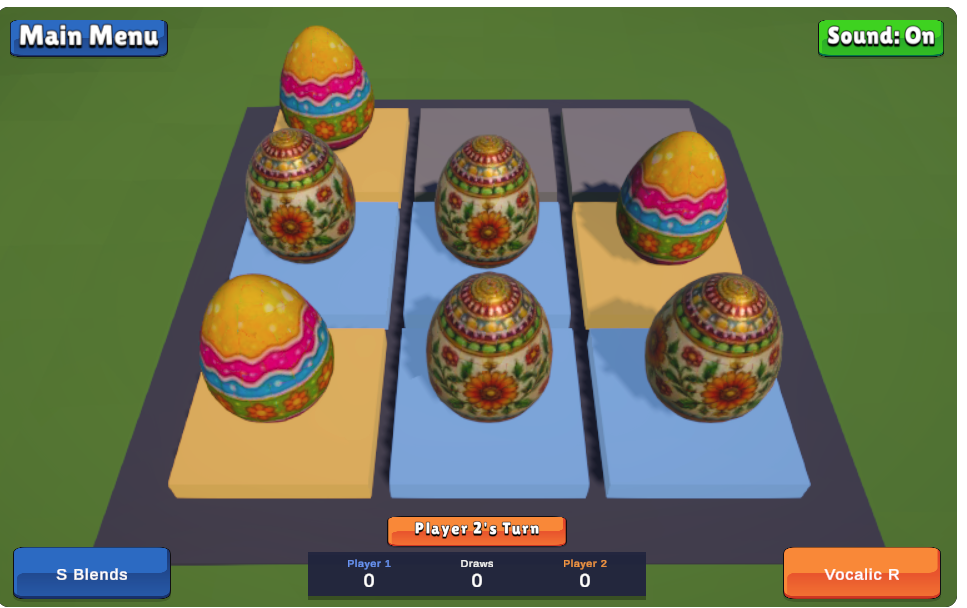
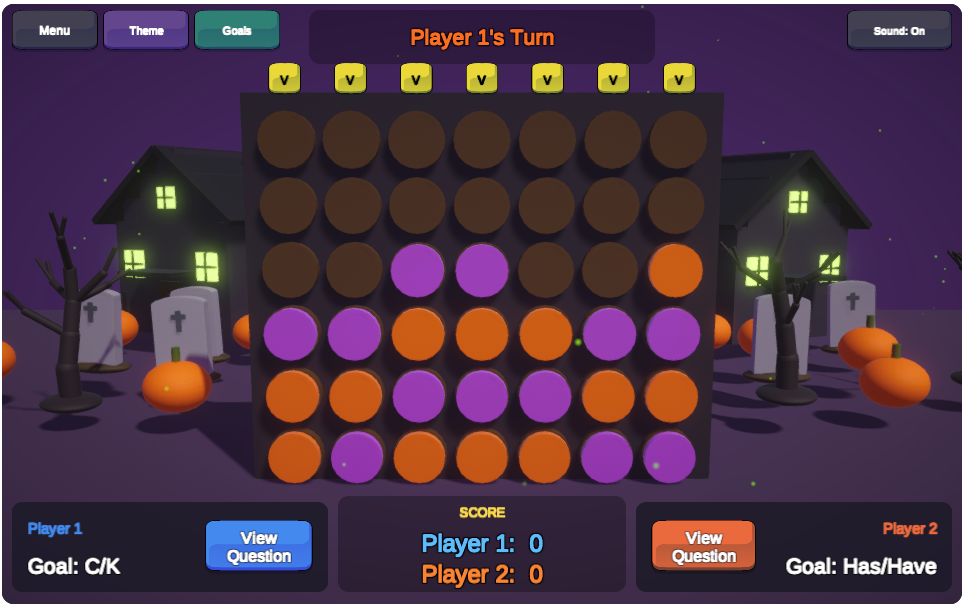
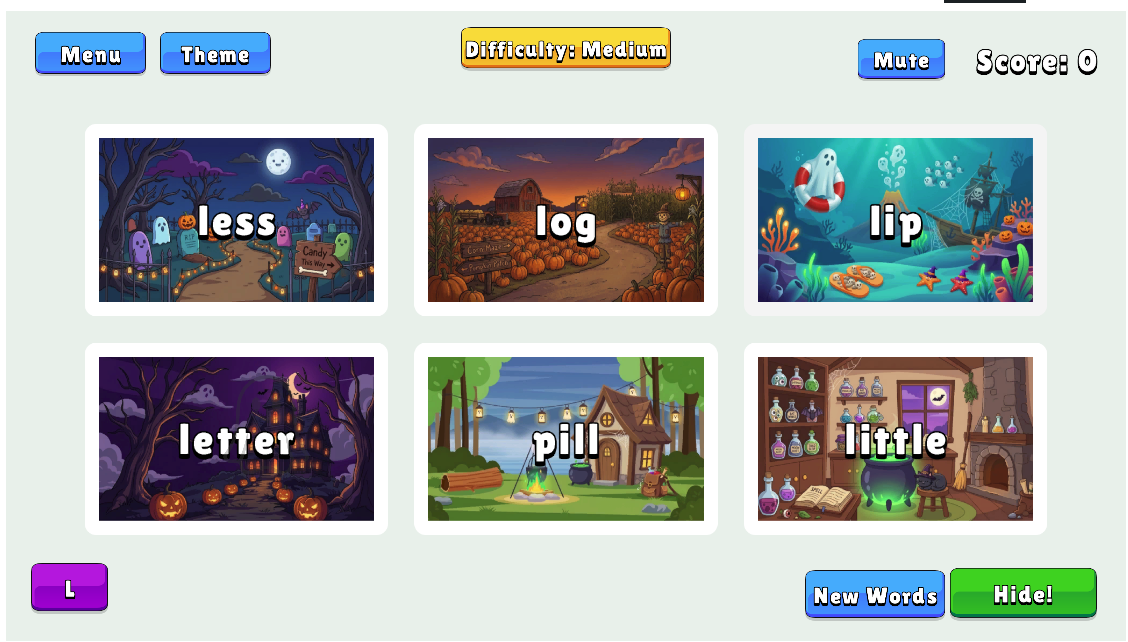
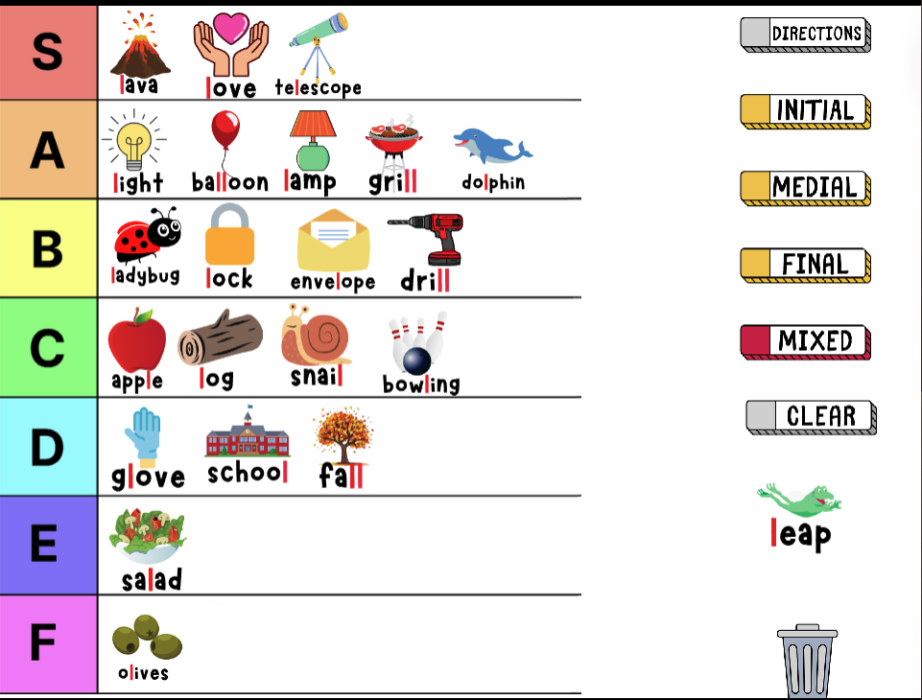
When we plan teletherapy sessions, we always start at FreeSLP.com. It’s where we keep our growing collection of free, ready-to-use materials for articulation, language, and social communication. The language section in particular is full of no-prep games and printables designed specifically for online therapy. You can screen-share them, print them, or send them home for extra practice.
We love how flexible these FreeSLP activities are. A simple describing sheet can turn into a categorizing challenge, a sequencing task, or even a vocabulary expansion game—all with zero prep. Our favorite thing about these kinds of activities is how adaptable they are across different ages and goals. A first grader can use the same prompt to describe pictures in simple sentences, while a fifth grader can turn it into a storytelling exercise.
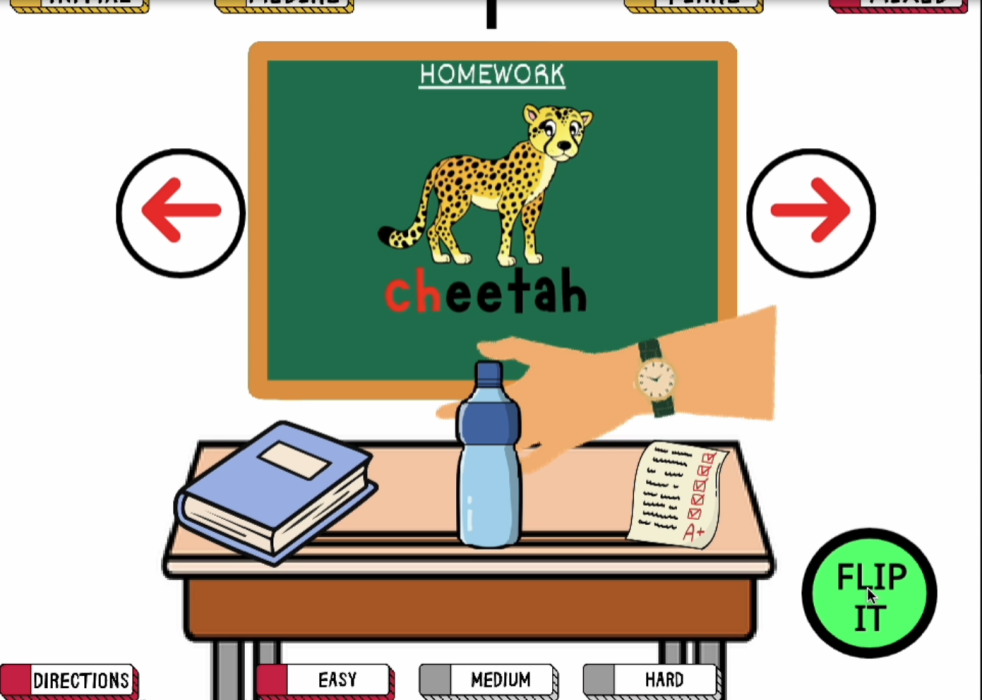
When we want something that brings more movement and interactivity into the mix, Boom Cards are an easy win. The drag-and-drop format keeps kids engaged, and the instant feedback helps them stay motivated. We use free Boom Card decks for describing, categorizing, and WH-question practice all the time. They work perfectly in short bursts of five or ten minutes and are great for mixed groups with different language targets.
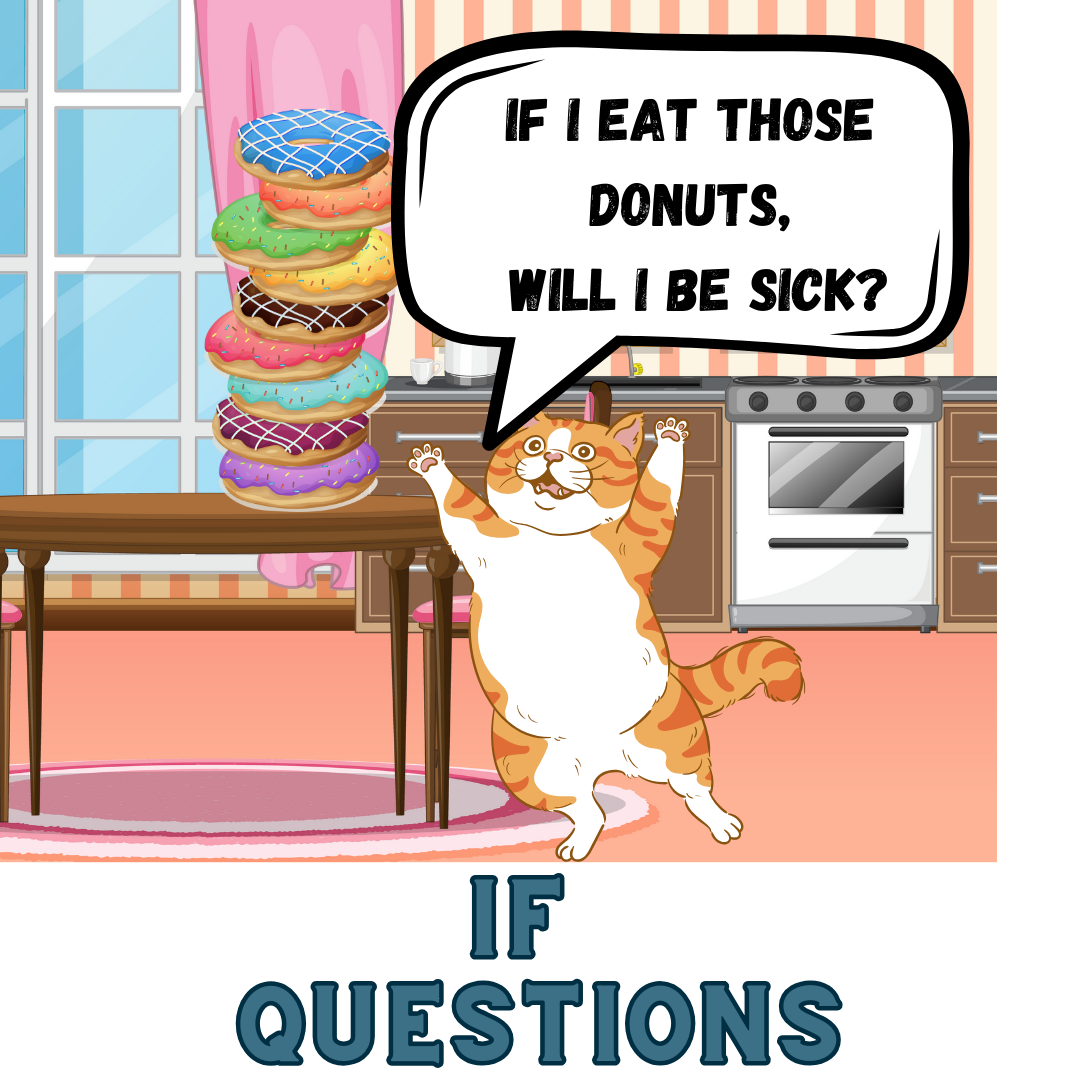
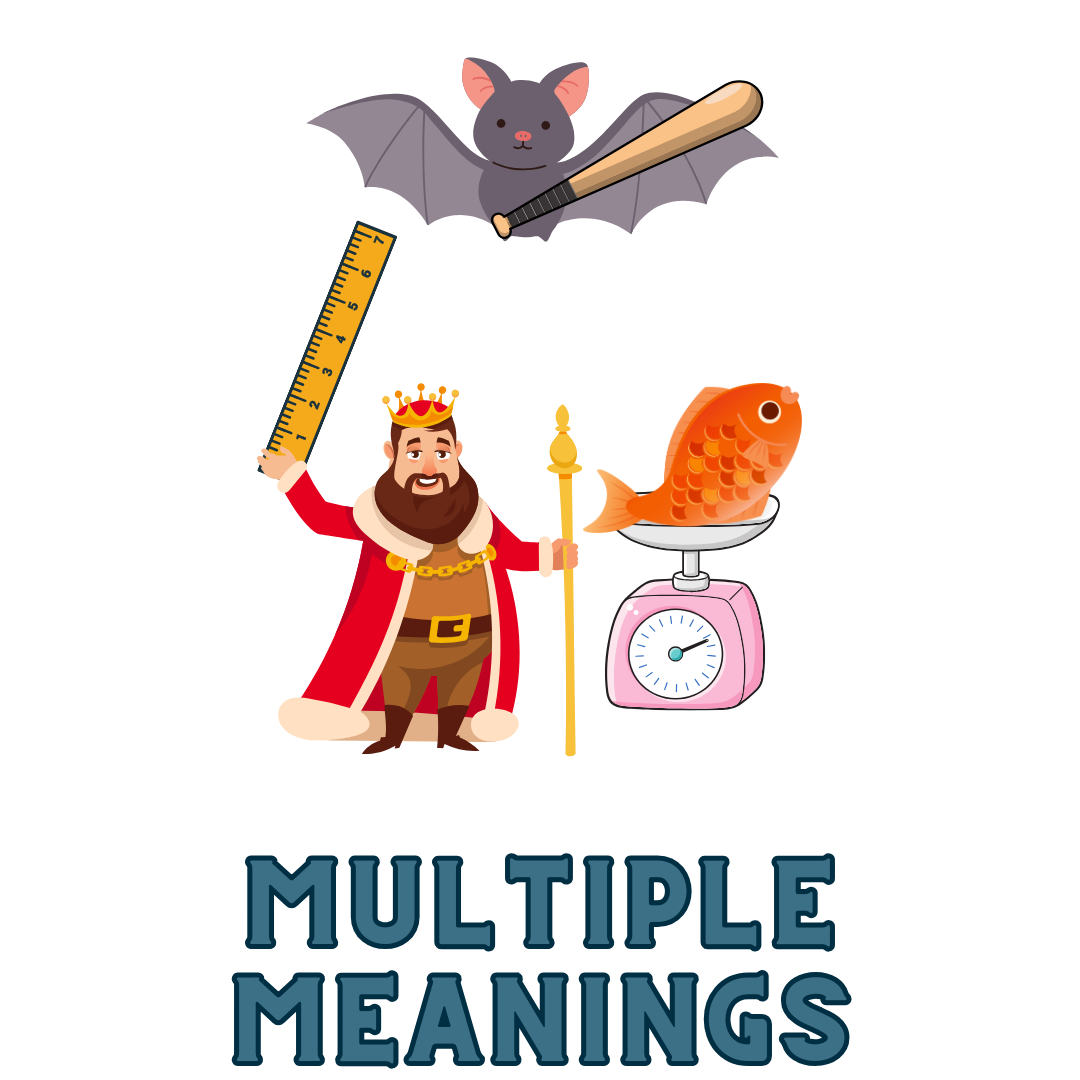
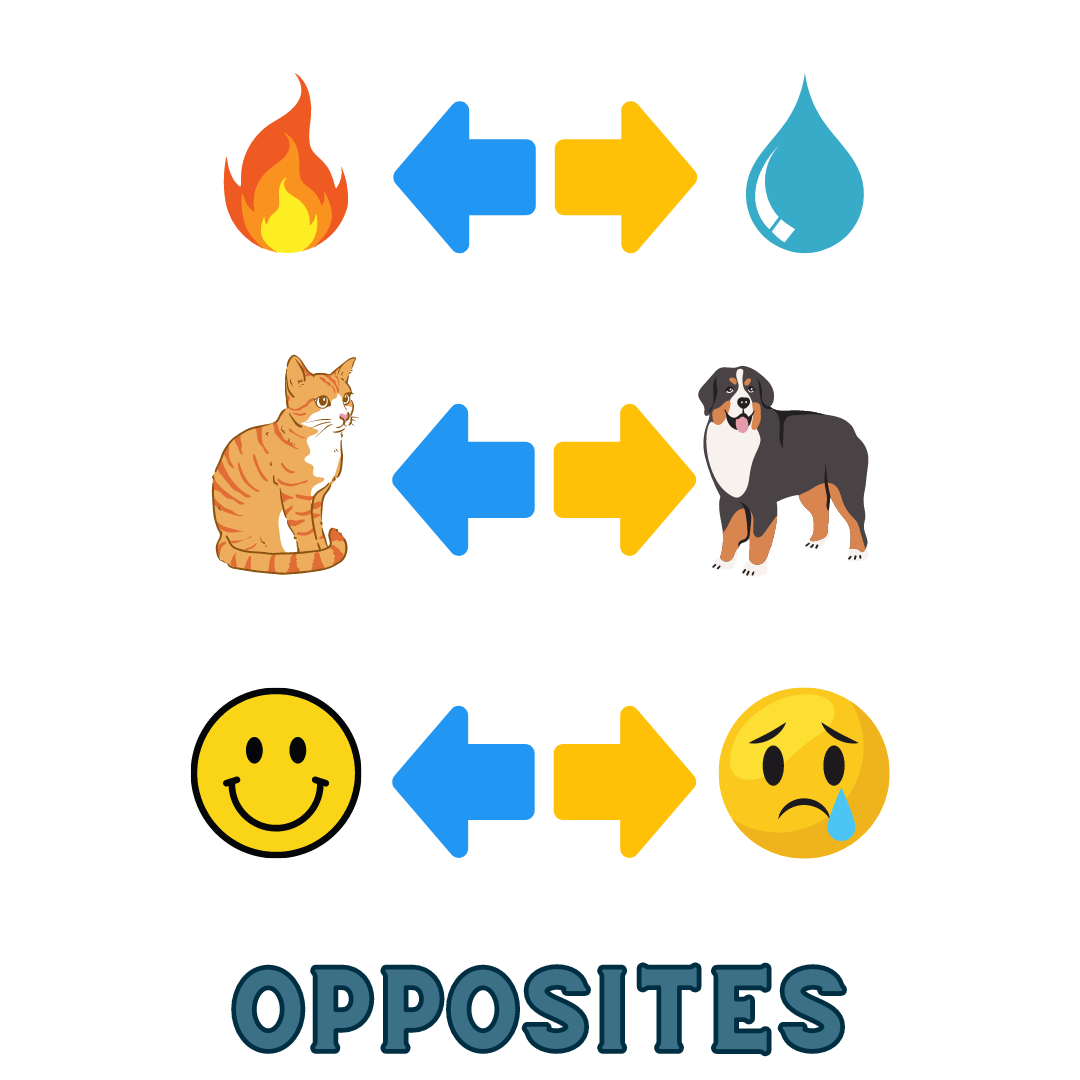
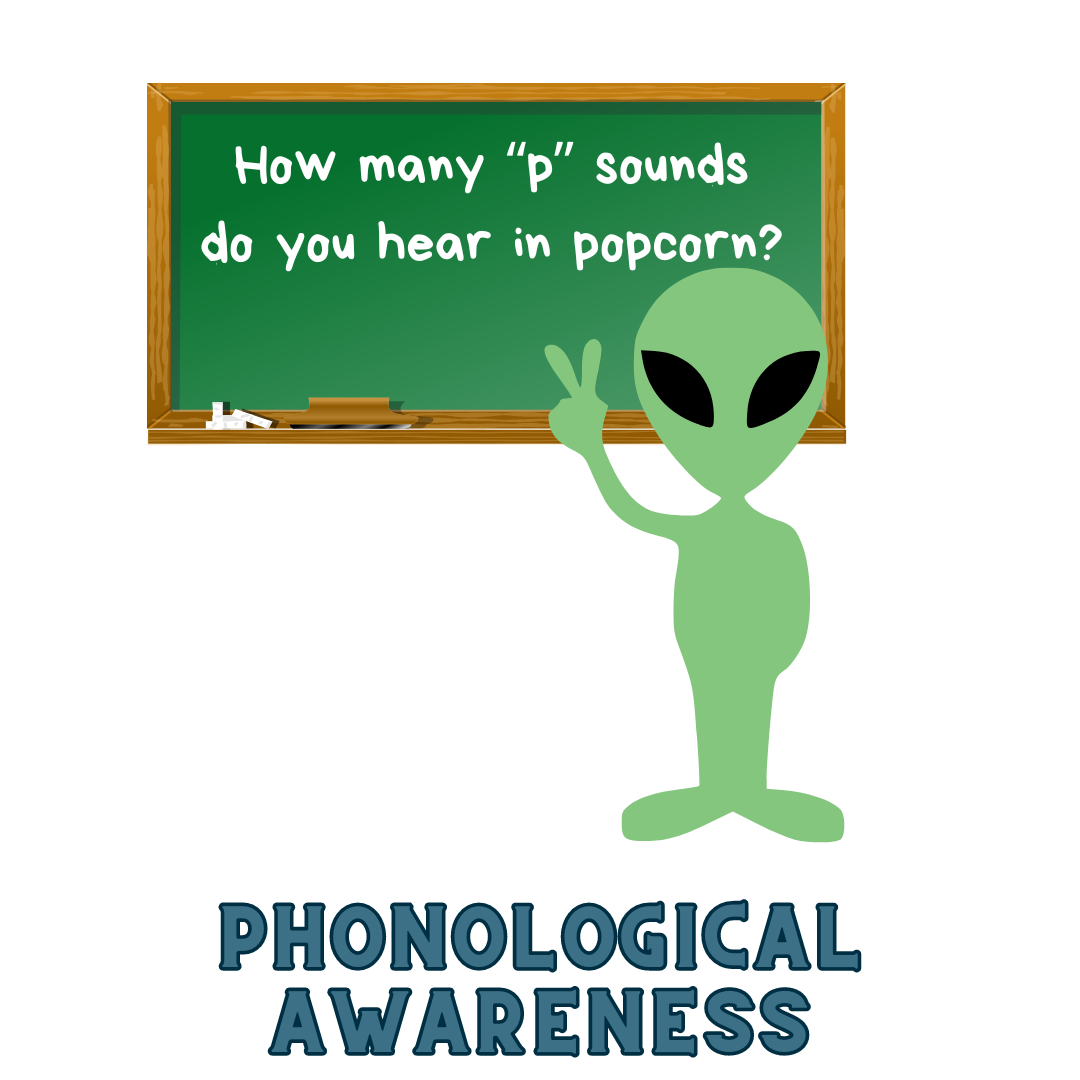
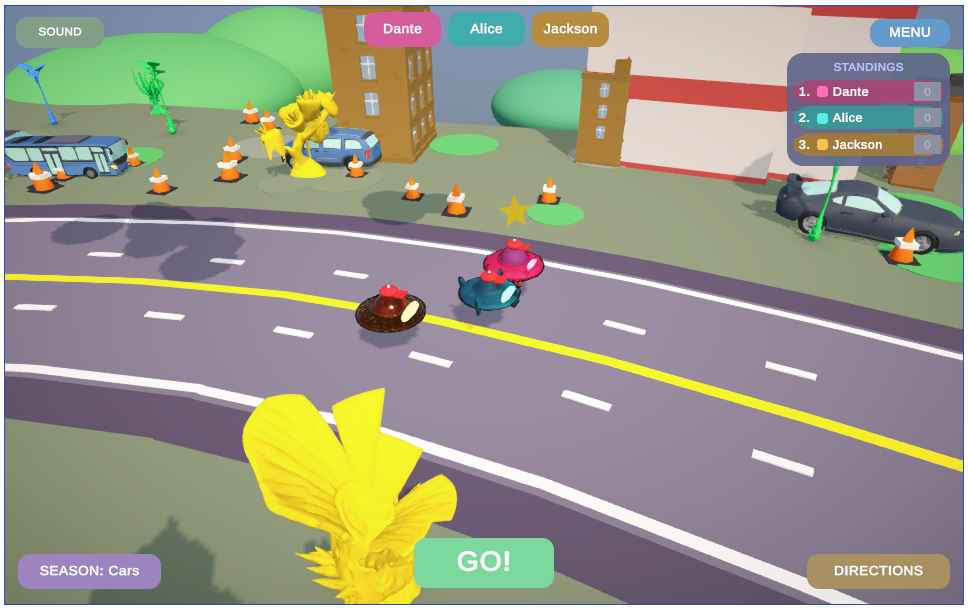
Pink Cat Games is another favorite when we need something cheerful and game-like. The visuals are bright, the structure is simple, and it works beautifully for reinforcing comprehension and expressive language skills. Kids don’t even realize they’re working on grammar or vocabulary—they’re too busy having fun. It’s one of those tools that can make even the quietest student suddenly start talking.
Of course, there are times when we want something printable, whether for offline use or as a take-home option for families. That’s where Teachers Pay Teachers (TPT) comes in handy. Searching “free language speech therapy” brings up hundreds of free downloads created by other SLPs. We’ve found picture cards, sorting mats, sentence builders, and storytelling worksheets—all perfect for teletherapy and home practice alike.
We also like incorporating free, educational websites that weren’t necessarily designed for speech therapy but work beautifully for language goals. PBS Kids, ABCya, and National Geographic Kids are three we use all the time. The short games, interactive visuals, and kid-friendly stories on these sites create endless opportunities for describing, predicting, and summarizing. After a short activity, we might ask students to retell what they saw or make a “guess what happens next” prediction. Those conversations build vocabulary and comprehension naturally.
Another small trick we use often is turning ordinary visuals into conversation starters. For example, a FreeSLP printable featuring themed pictures can become a guessing game: “Describe one item, and I’ll try to guess it.” This simple structure targets describing, turn-taking, and inferencing all at once. It’s low-tech, fast, and kids love it.
When planning online language therapy, we like to think of each session as a mix of three elements: connection, structure, and play. Connection comes from authentic conversation—checking in, laughing, and listening. Structure comes from targeted practice using tools like FreeSLP printables or TPT resources. And play comes from the interactive elements, whether that’s Boom Cards, Pink Cat Games, or a spontaneous scavenger hunt around the house.
We also make a point to include activities that work across skill levels. For example, a sequencing game from FreeSLP might include three-step stories for younger students and five-step challenges for older ones. That kind of built-in flexibility saves us hours of prep time.
If you’re new to online language therapy, one of the best tips we can offer is to build a small library of “go-to” resources you trust. Bookmark FreeSLP, Boom Cards, and Pink Cat Games, and make a folder of your favorite TPT freebies. Having those tools ready means you can plan a full week of engaging language sessions in minutes, not hours.
We also encourage parents to explore these sites. When families use FreeSLP activities at home or play Boom Cards together after a session, carryover happens naturally. The more students see that language practice can be fun, the faster their confidence grows.
Language therapy has always been about helping students find their voice—literally and figuratively. And when therapy happens online, we get to meet them where they’re most comfortable: in their own space, surrounded by the things they love. With the right mix of free materials and interactive games, those moments become meaningful, motivating, and full of real progress.
So if you’re looking to refresh your language sessions, start simple. Visit FreeSLP.com for free printables and no-prep games. Add in a few interactive favorites from Boom Cards and Pink Cat Games for variety, and check TPT when you need something new. With those four resources, you’ll have everything you need to make online language therapy not just effective — but genuinely fun.
Because the best games aren’t the most complicated ones — they’re the ones that get kids talking, laughing, and learning without even realizing it.