Every SLP knows the look — that moment when a student starts to lose steam halfway through a session. You can see their eyes wander, their posture slump, and suddenly the worksheet that was working five minutes ago just… isn’t. That’s where reinforcement games come in.
A good reinforcement activity can completely change the tone of a session. It helps students stay motivated, builds positive momentum, and turns practice into something that feels like play. Whether you’re in person or online, having a few easy reward games ready can make all the difference.
At FreeSLP.com, we believe that motivation is just as important as methodology. That’s why we design and share free reinforcement tools that keep sessions fun without derailing the therapy goals. Simple, visual, and flexible — that’s our formula.
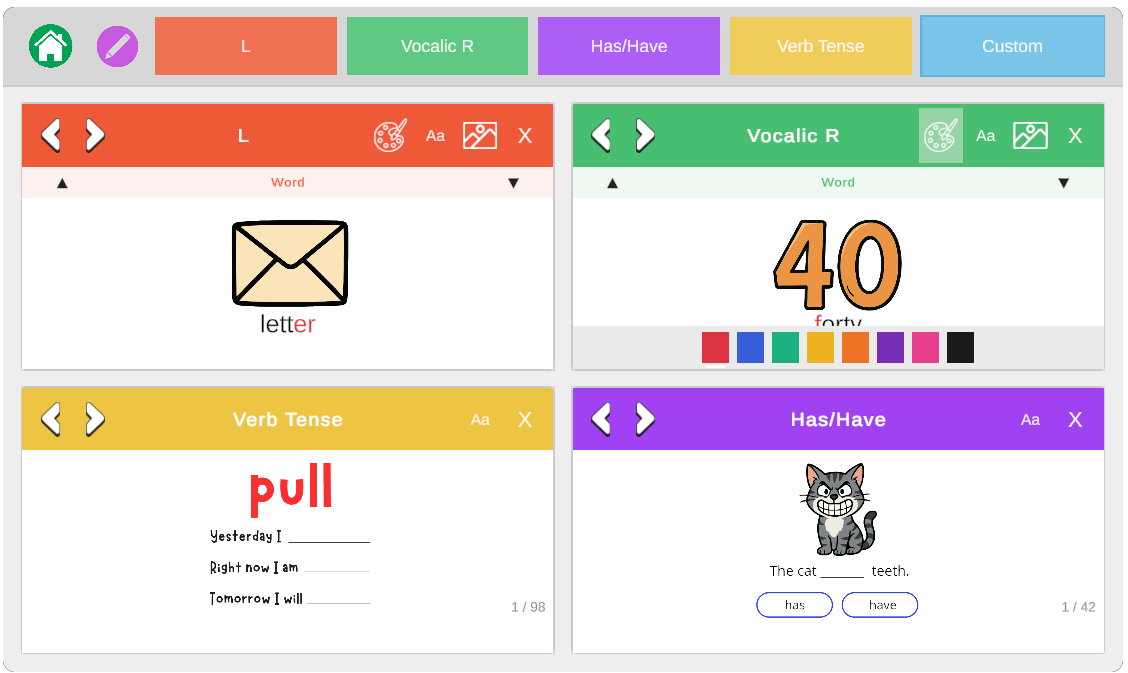
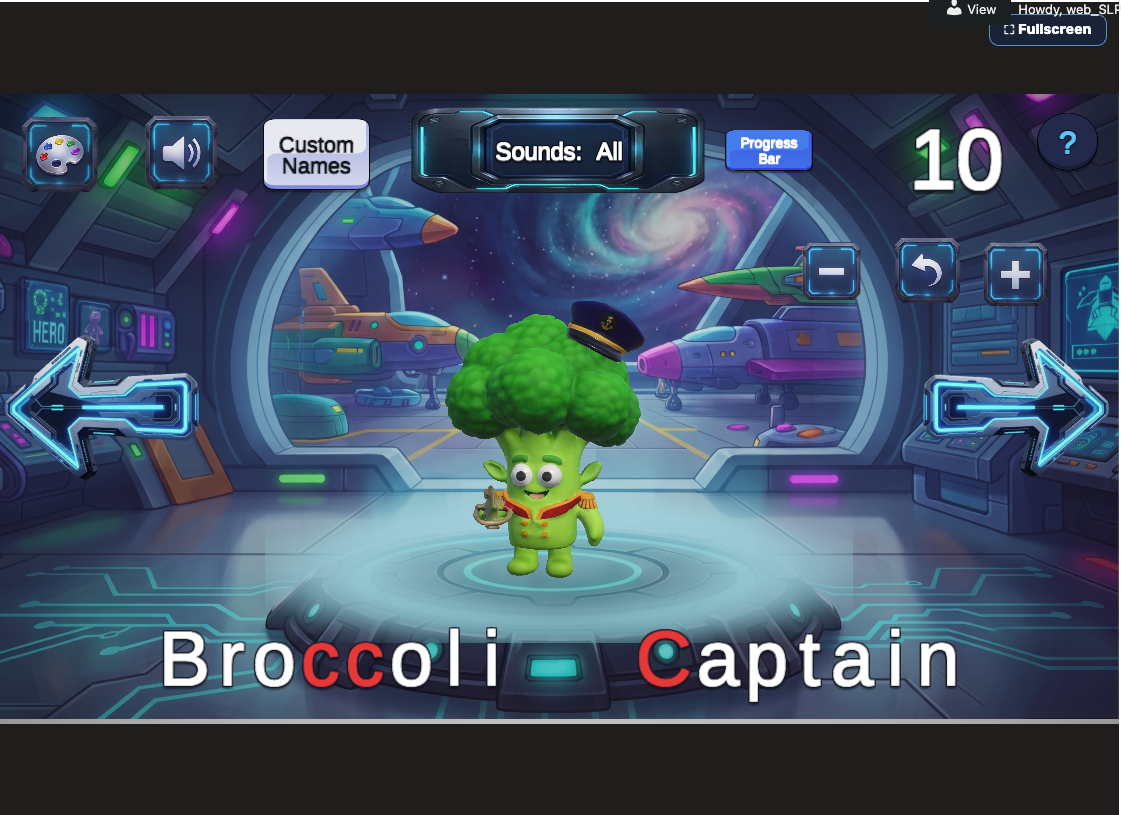
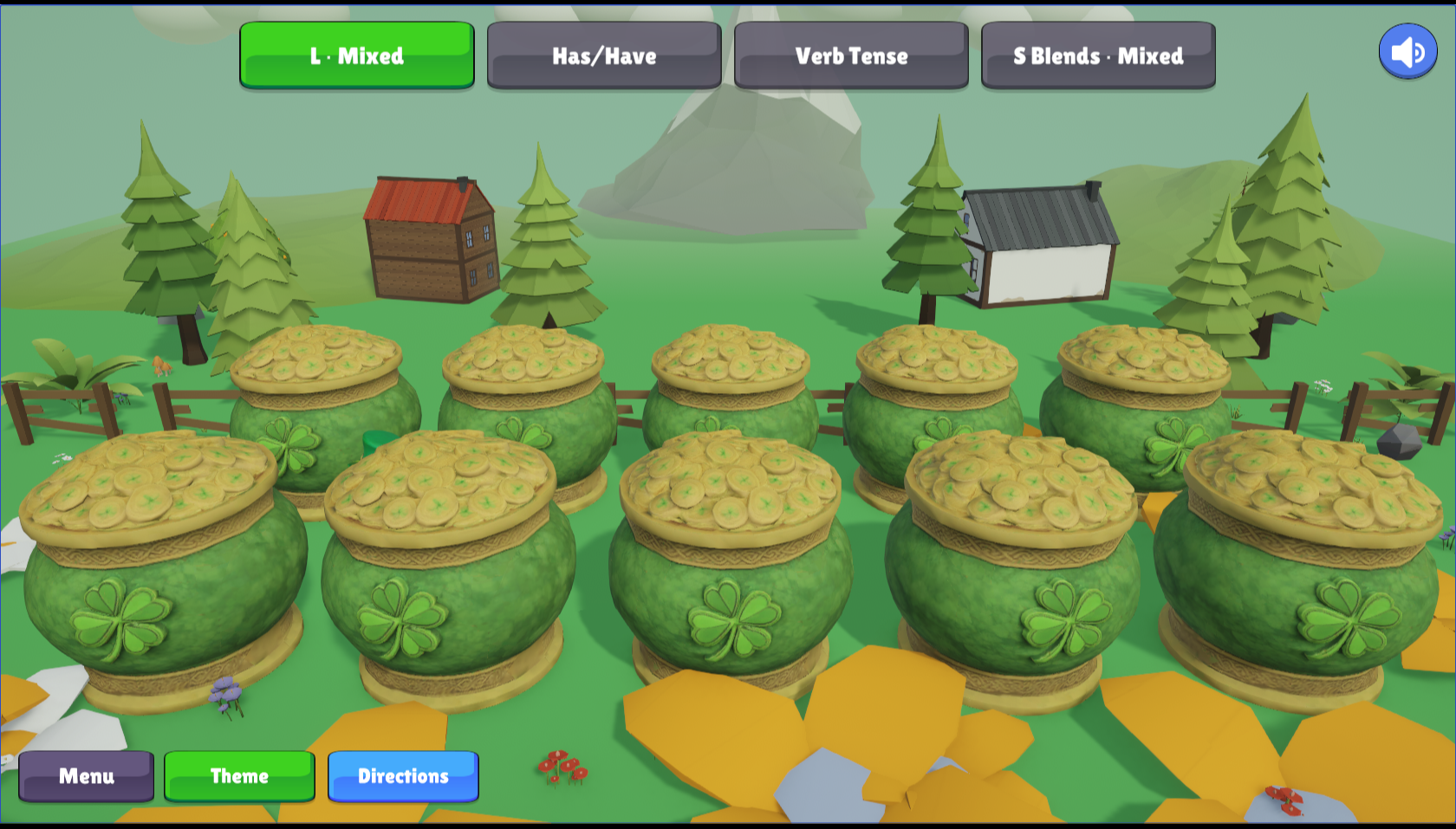
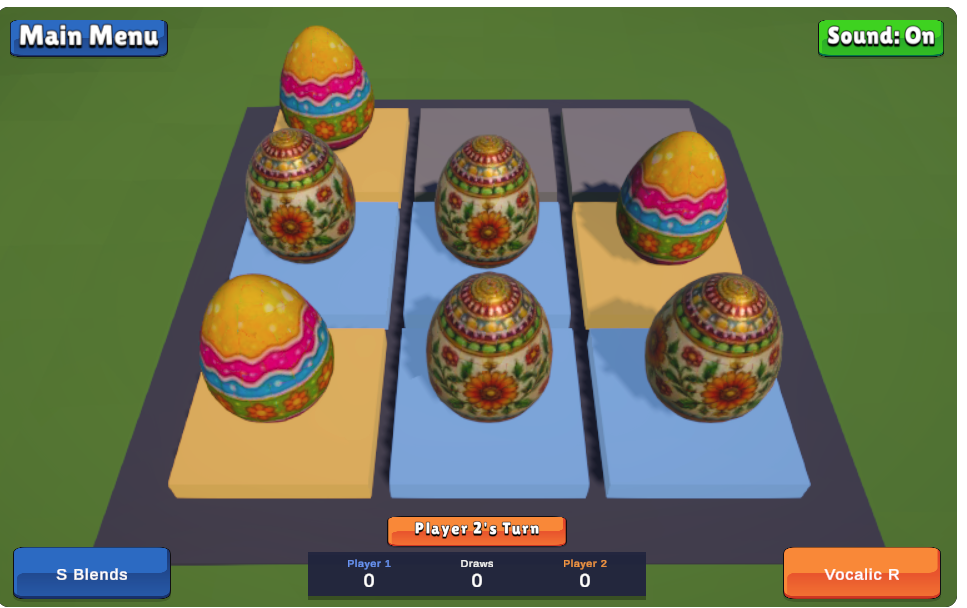
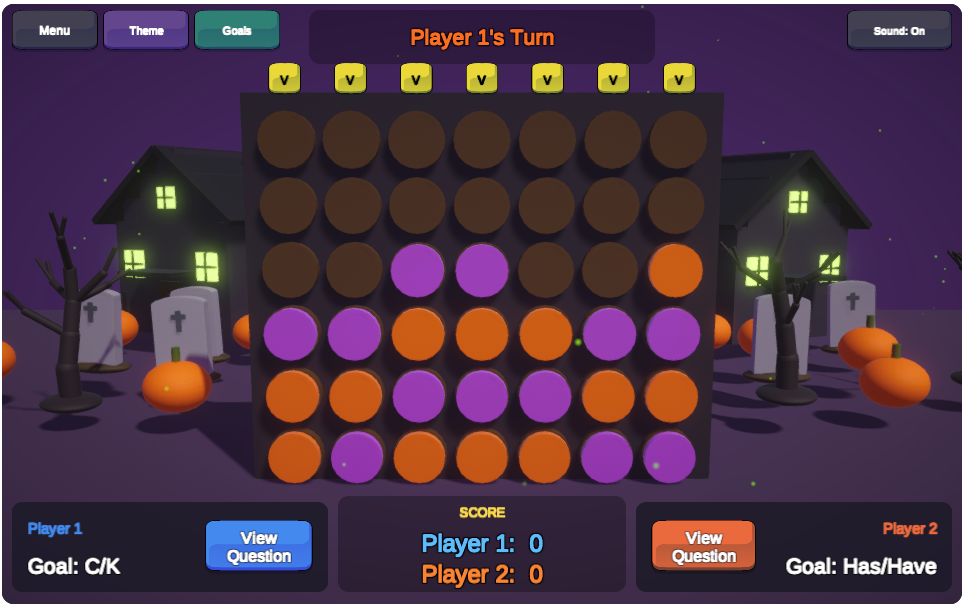
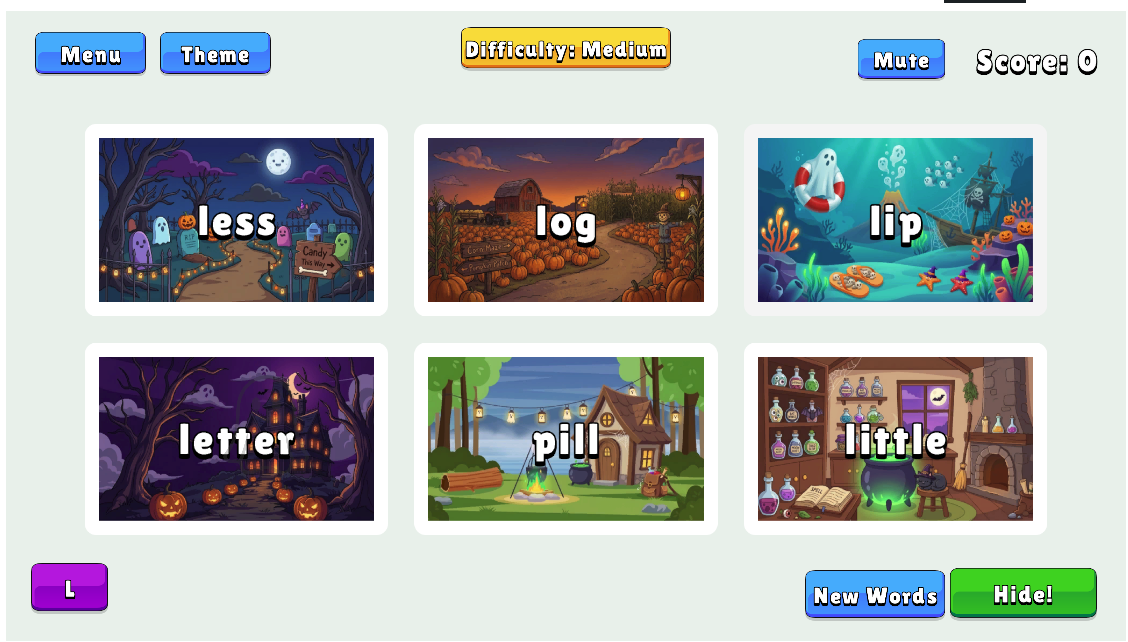
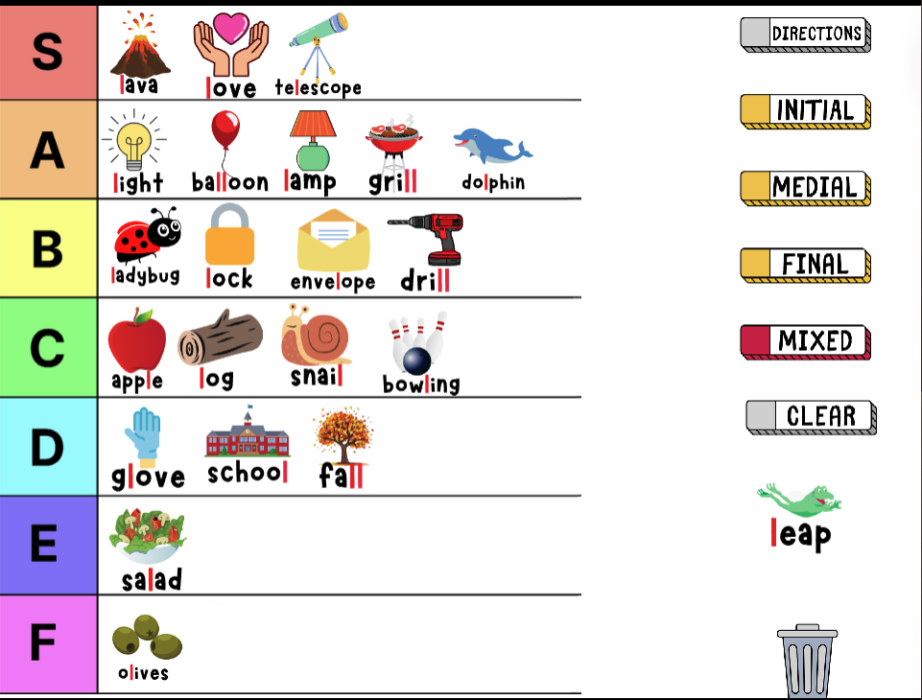
For online sessions, we love using FreeSLP’s digital reward charts and game boards. They’re quick to open, easy to share on screen, and adaptable for any goal. We’ve used them for articulation, language, and social communication sessions alike. You can assign points, reveal pictures, or simply move a digital token forward each time a student meets a target. The visuals are bright and encouraging, but never distracting.
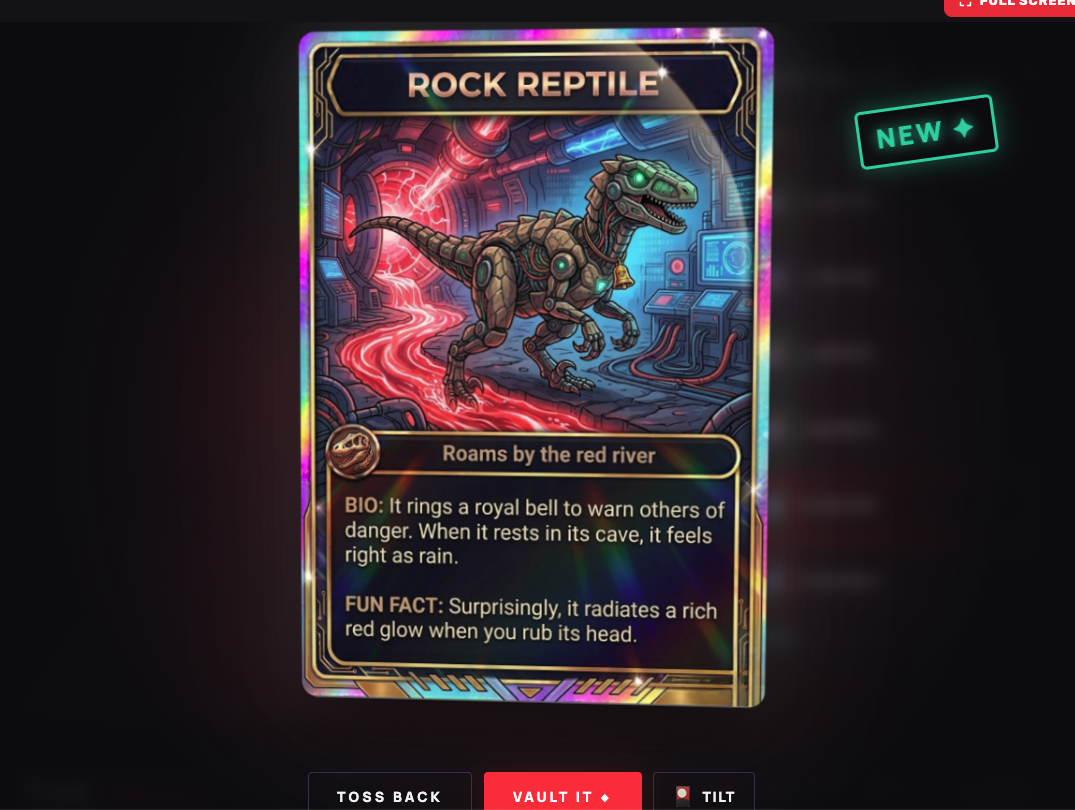
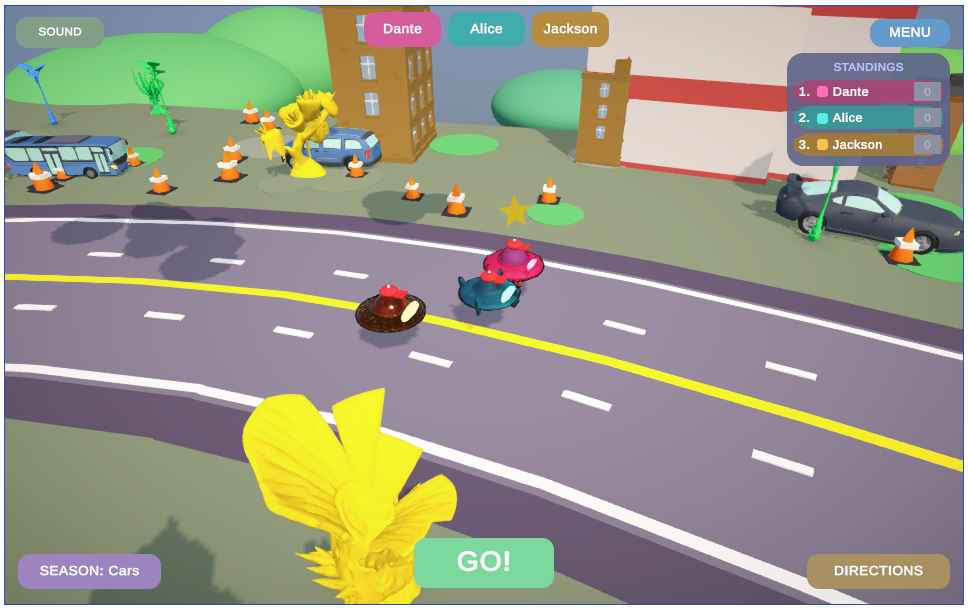
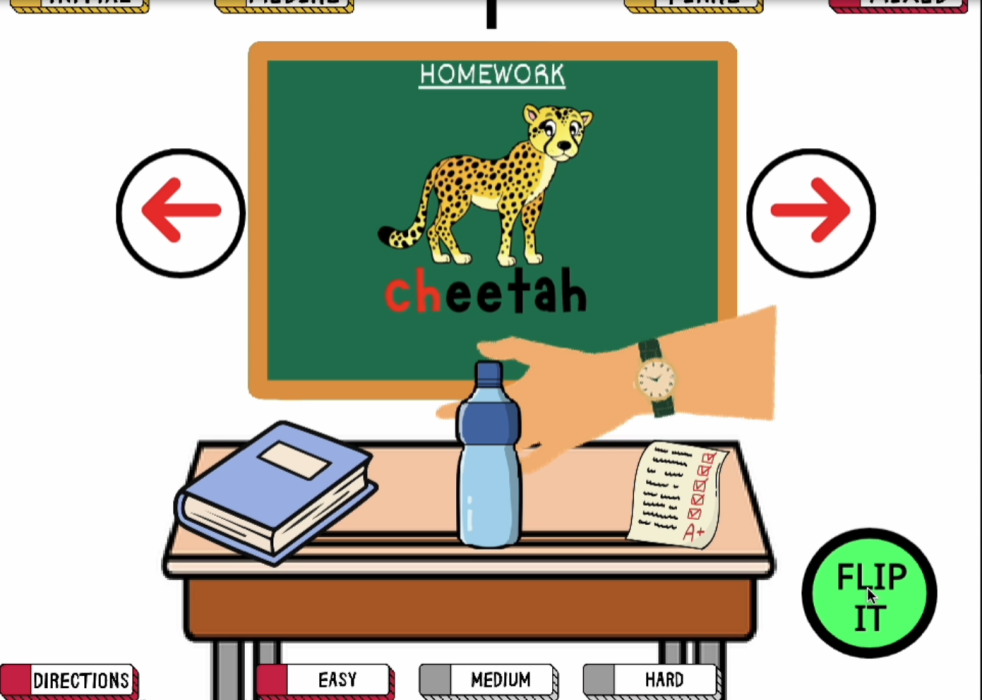
We also like to mix in interactive platforms that add an extra spark. Boom Cards and Pink Cat Games both work beautifully as reinforcers between practice tasks. After a few minutes of focused speech work, students can earn a short round of a digital game. Because these platforms provide instant feedback and bright visuals, they naturally boost engagement without requiring you to stop and reset the session.
Teachers Pay Teachers (TPT) is another great source of free or low-cost reinforcement activities. Searching “free speech therapy reward charts” or “no-prep reinforcement games” will turn up tons of creative ideas — from printable token boards to mini digital games. Many are easy to customize for specific students or classroom themes.
We also like using simple, everyday visuals as reinforcement. For example, a FreeSLP printable scene can become a “color as you go” reward board. Each time a student completes a set of target words or answers a question, they get to color or reveal part of the picture. By the end of the session, they’ve completed both the activity and the visual — a small but satisfying moment of success.
For younger students, we often use movement-based reinforcement even during teletherapy. You don’t need a fancy setup — just creativity. After every few turns, students can do a fun movement challenge: five jumping jacks, a silly face, or a virtual “dance break.” These short bursts of energy help kids refocus and make therapy feel more like a game.
We also love building reinforcement into the activities themselves. For example, an articulation drill might double as a mini competition where students “race” to reach the end of a board or “feed” tokens to a friendly digital character. The best part about FreeSLP’s resources is that many already include built-in reinforcement elements — bright visuals, checklists, and progress trackers that help students see how far they’ve come.
The biggest secret to effective reinforcement isn’t the game — it’s the timing. We’ve found that rewarding effort frequently and consistently keeps students invested. A small success acknowledged at the right moment can carry a student through an entire session.
In online settings, that might mean using virtual tokens or a visible progress chart on screen. In person, it might be as simple as moving a magnet up a visual board or earning a sticker. What matters most is that students can see their progress. It turns speech practice into a shared goal rather than a task list.
Another great thing about digital reinforcement is how easily it blends with goal tracking. FreeSLP printables and online charts make it simple to note progress as students work. You can jot data down discreetly while they’re focused on the fun part — earning the next “reward.”
If you’re working with older students, rewards don’t have to be childish. Gamified progress trackers, virtual challenges, or even “choose your own topic” discussion cards can feel more age-appropriate while still motivating. A little autonomy goes a long way — letting them pick the next FreeSLP game or choose which Boom Card deck to play often becomes the best reinforcement of all.
For small groups, we love using cooperative reinforcement activities. Instead of competing, students work together toward a shared goal, like filling a digital jar or completing a group challenge. It builds teamwork while reinforcing turn-taking and social communication skills. FreeSLP’s printable reinforcement boards are perfect for this style of group work — everyone contributes, and everyone wins together.
We also make a point to connect reinforcement with real-world communication skills. For example, when a student shows great effort or focus, we’ll pause and talk about what made that success happen — persistence, good listening, or flexible thinking. Turning those observations into mini lessons builds self-awareness along with motivation.
At the end of the day, reinforcement is about more than just rewards. It’s about creating a therapy space that feels positive, predictable, and engaging. When students know that effort leads to success — and that success is celebrated — they show up ready to work.
That’s why we built FreeSLP.com around the idea of accessibility and joy. Every printable, digital activity, and chart on the site is free to use and easy to share. We want SLPs, teachers, and parents to have everything they need to create sessions that feel successful — for every student, every time.
So whether you’re using a FreeSLP progress tracker, a quick round of Boom Cards, or a silly Pink Cat Game between drills, remember that reinforcement doesn’t just keep students motivated — it builds confidence. And that confidence is the real reward.
Speech therapy is full of small victories. The right reinforcement game simply helps those victories shine.