Working on social communication skills online can be one of the most rewarding parts of speech therapy — but also one of the trickiest. You’re trying to teach eye contact, conversation flow, or empathy through a screen where facial cues might lag or get pixelated. It’s a challenge we all know well.
The good news is that there are plenty of ways to make online social skills therapy engaging and effective. Over the years, we’ve found that the best activities are the ones that get students talking, laughing, and thinking about how they communicate — without feeling like they’re in a structured lesson.
When we plan social language sessions, we almost always start with FreeSLP.com. It’s full of printable and digital materials designed for both in-person and online therapy. The social skills section includes free conversation cards, problem-solving prompts, and scenario-based visuals that spark great discussions. These materials make it easy to talk about real-life situations in a safe, supportive setting.
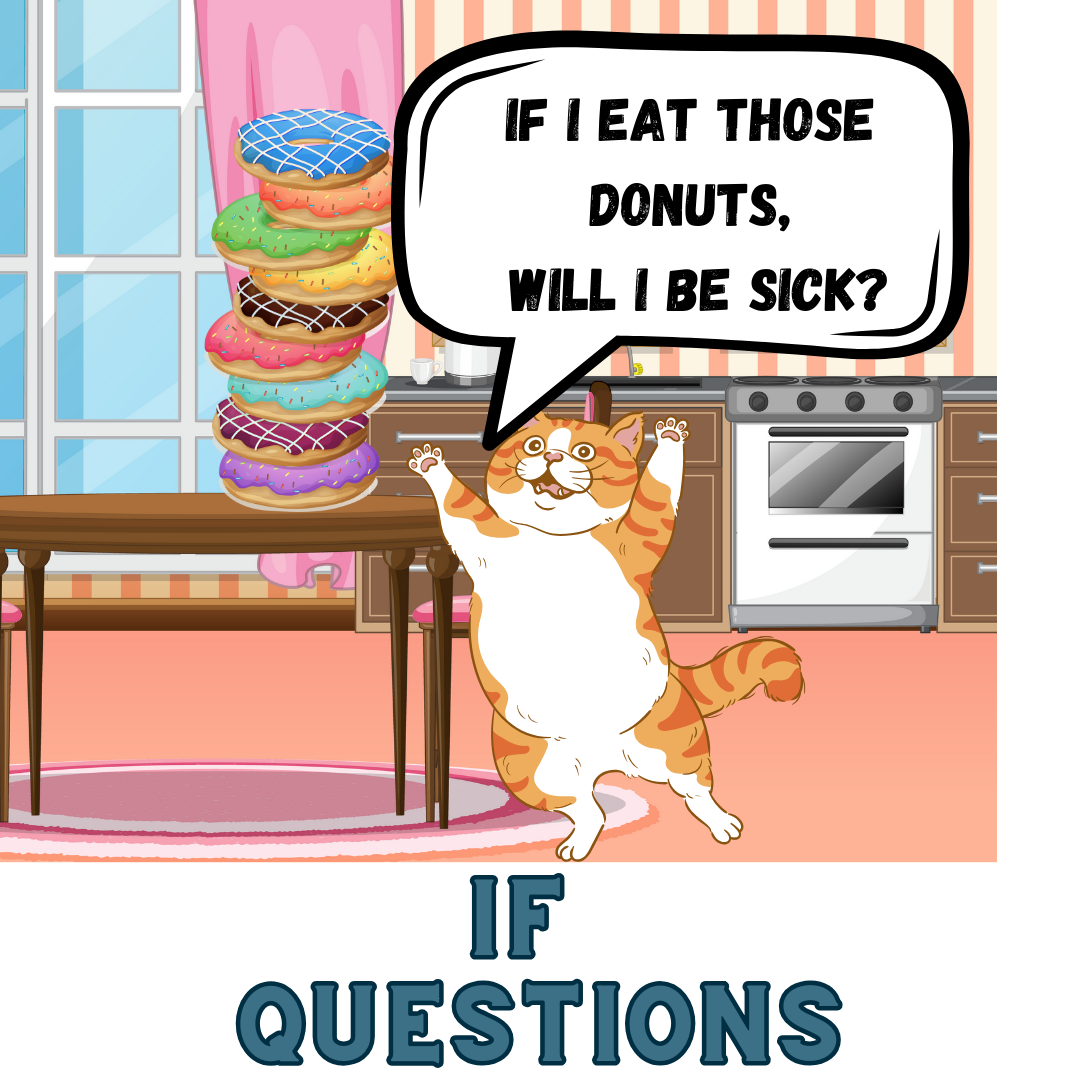
One of our favorite things about FreeSLP’s approach is flexibility. You can use the same prompt with different students in completely different ways. A short “What would you do if…” scenario might turn into a conversation about friendship with one group and a self-advocacy lesson with another. It’s the kind of resource that grows with your students.
When we want to make things a little more interactive, Boom Cards are our next stop. There are hundreds of free decks that focus on perspective-taking, emotions, and problem-solving. Kids can click, match, and respond in real time, which keeps them actively engaged in the conversation. It’s a great way to build self-awareness and expressive language together.
Pink Cat Games also has plenty of options that work beautifully for social skills. We love using the simple quiz-style formats for conversation starters. Students can take turns answering questions, making choices, and talking through why they picked certain answers. The visuals are fun and lighthearted, which helps even hesitant students feel more comfortable sharing.
If we’re looking for something printable or want to send an activity home, Teachers Pay Teachers (TPT) is another reliable place to find creative social skills materials. Searching “free social skills speech therapy” brings up a mix of conversation worksheets, problem-solving activities, and role-play cards. We like to print a few of these and keep them on hand for teletherapy days — they’re easy to hold up on camera or screen-share for group discussions.
We also like using websites that weren’t built for speech therapy but are rich in opportunities for social learning. PBS Kids, Storyline Online, and even National Geographic Kids have short videos or stories that open the door to conversations about emotions, reactions, and social problem-solving. Watching a short clip together and asking, “How do you think that character felt?” or “What would you do next?” creates powerful, natural learning moments.
One of the best things about social skills games online is how easy it is to adapt them for groups. With a few visuals from FreeSLP or a simple Pink Cat activity, you can create turn-taking opportunities, encourage flexible thinking, and practice listening skills all in one session. Sometimes, we’ll assign roles—one student is the “speaker,” another the “listener,” and another the “problem solver.” It turns therapy into a little team challenge, which kids love.
When we plan these sessions, we try to mix structure with spontaneity. We might start with a free printable from FreeSLP.com, move into a quick Boom Card deck for interactive practice, and finish with a discussion prompted by a video or story. This format keeps students focused but still leaves room for authentic conversation.
We also use a few visual supports that we’ve downloaded from FreeSLP’s social communication section—things like conversation starters, expected vs. unexpected charts, and “think vs. say” visuals. These tools help students visualize what they’re learning and make abstract concepts more concrete.
The key to teaching social skills online is keeping things personal. Students need chances to connect, reflect, and share stories from their own lives. That’s where simple, open-ended games shine. You don’t need a complicated digital platform—just a good prompt, a little creativity, and space for students to explore what communication means to them.
For example, we love doing quick “emotion charades” over Zoom or Google Meet. One student acts out a feeling, and others guess what it is. It’s quick, free, and surprisingly effective for teaching nonverbal cues. We’ll often pair that with a printable from FreeSLP that reviews facial expressions or body language clues.
If you’re supporting families who want to continue practice at home, FreeSLP.com is a great resource to recommend. Parents can print conversation cards or scenario sheets and use them during dinner, in the car, or before bed. These short discussions help kids apply their skills outside of therapy, which is where the real growth happens.
We also remind parents that social skills don’t always need to be practiced in structured “lesson” form. Board games, storytime, or even cooking together all naturally build communication, patience, and teamwork. Free materials just give those everyday interactions a little more direction.
Online social communication therapy can absolutely be meaningful and engaging — it just takes the right mix of flexibility and creativity. With resources from FreeSLP.com, interactive decks from Boom Cards, fun visuals from Pink Cat Games, and printables from TPT, you can create sessions that truly connect with your students.
At the end of the day, social skills therapy isn’t about perfect behavior or memorized scripts. It’s about helping kids build awareness, empathy, and confidence in their communication. And that happens best when therapy feels like real conversation — with a little fun mixed in.
So the next time you’re planning a session, grab a few FreeSLP visuals, queue up a Boom Card deck, and open a Pink Cat activity. You’ll have everything you need to spark laughter, reflection, and meaningful connection — one online game at a time.