Language is one of the most remarkable skills humans develop. It allows us to express thoughts, share emotions, learn, and connect with others. For children, language growth happens rapidly—especially in the early years—and understanding its parts helps parents, teachers, and speech-language pathologists (SLPs) support development effectively.
Professionals often describe language using five main components: phonology, morphology, syntax, semantics, and pragmatics. Each piece works together to create the rich, flexible system we use to communicate every day.
1. Phonology: The Sounds of Language
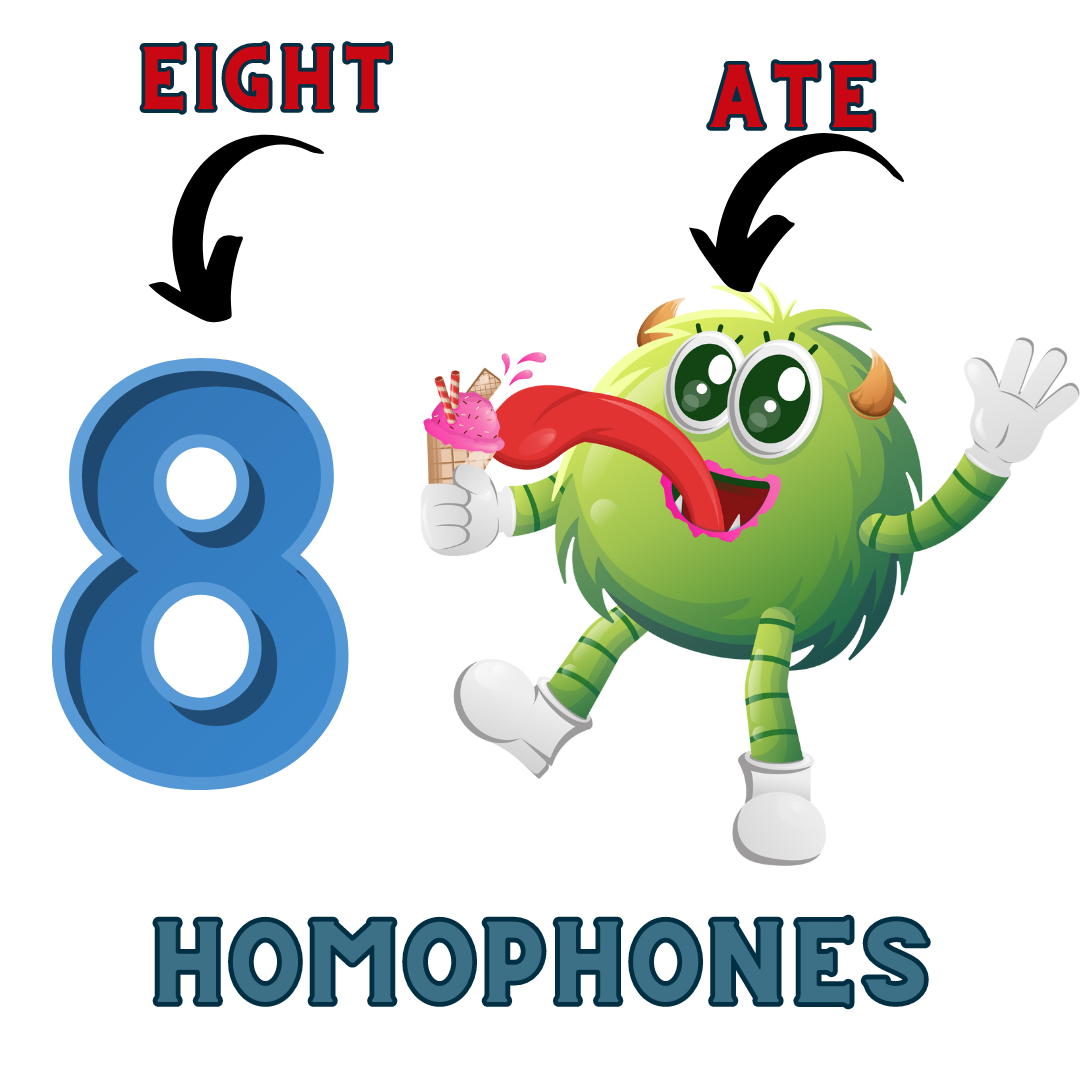
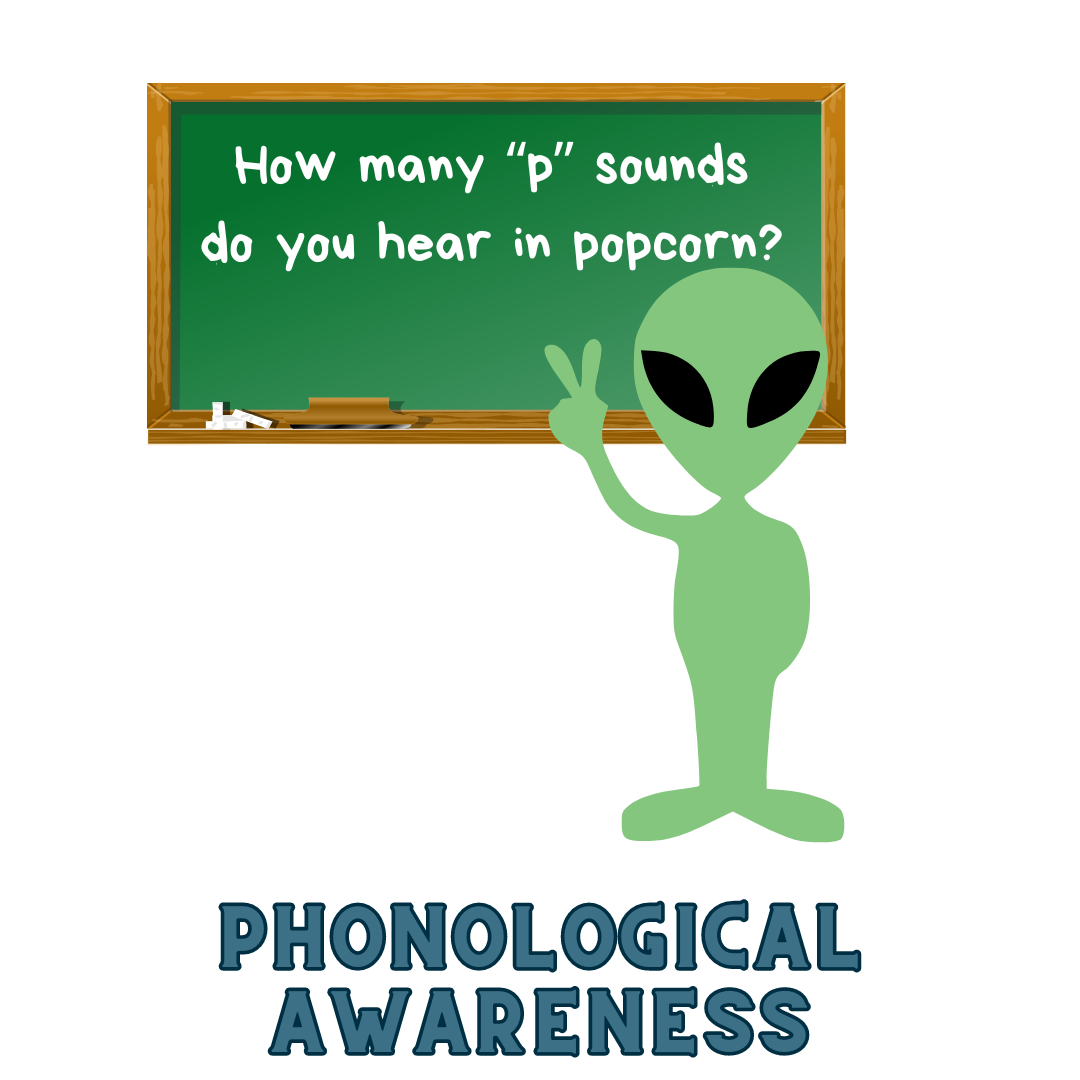
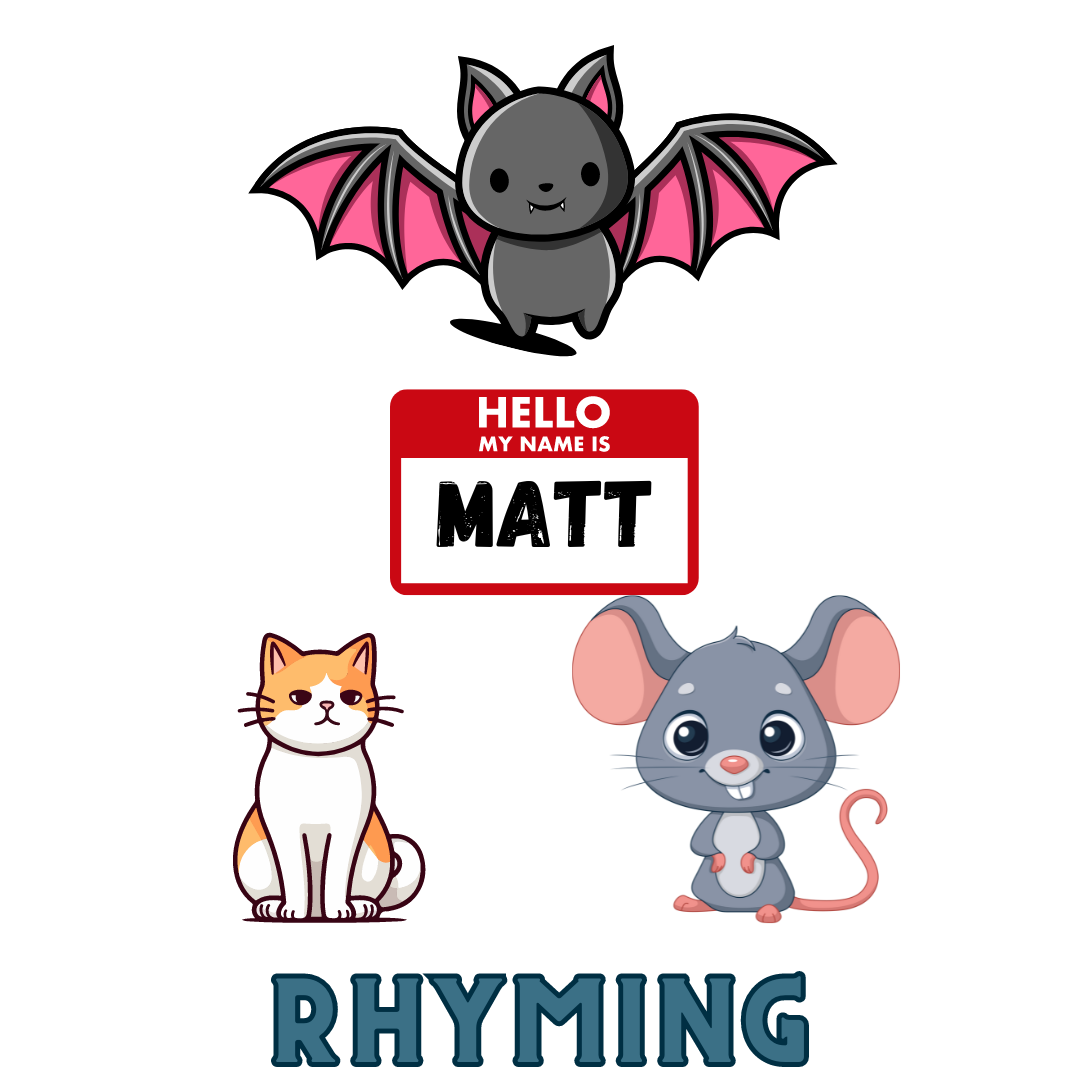
Phonology refers to the sound system of a language—how sounds are organized and used to make meaning. In English, there are around 44 phonemes, or distinct sounds (like /p/, /b/, /s/, and /sh/).
How It Develops
Infants start learning phonology before they even speak their first word. They listen to speech patterns, rhythm, and tone. As they grow:
By 1 year, they babble with meaningful patterns (“ba-ba,” “da-da”).
By 2 years, they start using recognizable words.
By 4 to 5 years, most speech sounds emerge clearly, though some (like /r/ and /th/) may take longer.
SLPs track sound development closely because difficulties in phonology can lead to speech sound disorders or early literacy challenges.
2. Morphology: The Building Blocks of Words
Morphology deals with how words are formed using the smallest units of meaning, called morphemes. These include base words (like dog) and endings or prefixes that change meaning (like dogs or undo).
How It Develops
Children start combining morphemes naturally as they expand their grammar.
Around 2 years, children add -ing (running, eating).
By 3 years, they use plural -s and past tense -ed.
By 4 years, most basic grammatical endings are consistent.
Mistakes such as “I goed” or “mouses” are a normal sign of growth—they show that a child is learning and applying language rules independently.
3. Syntax: The Rules of Sentence Structure
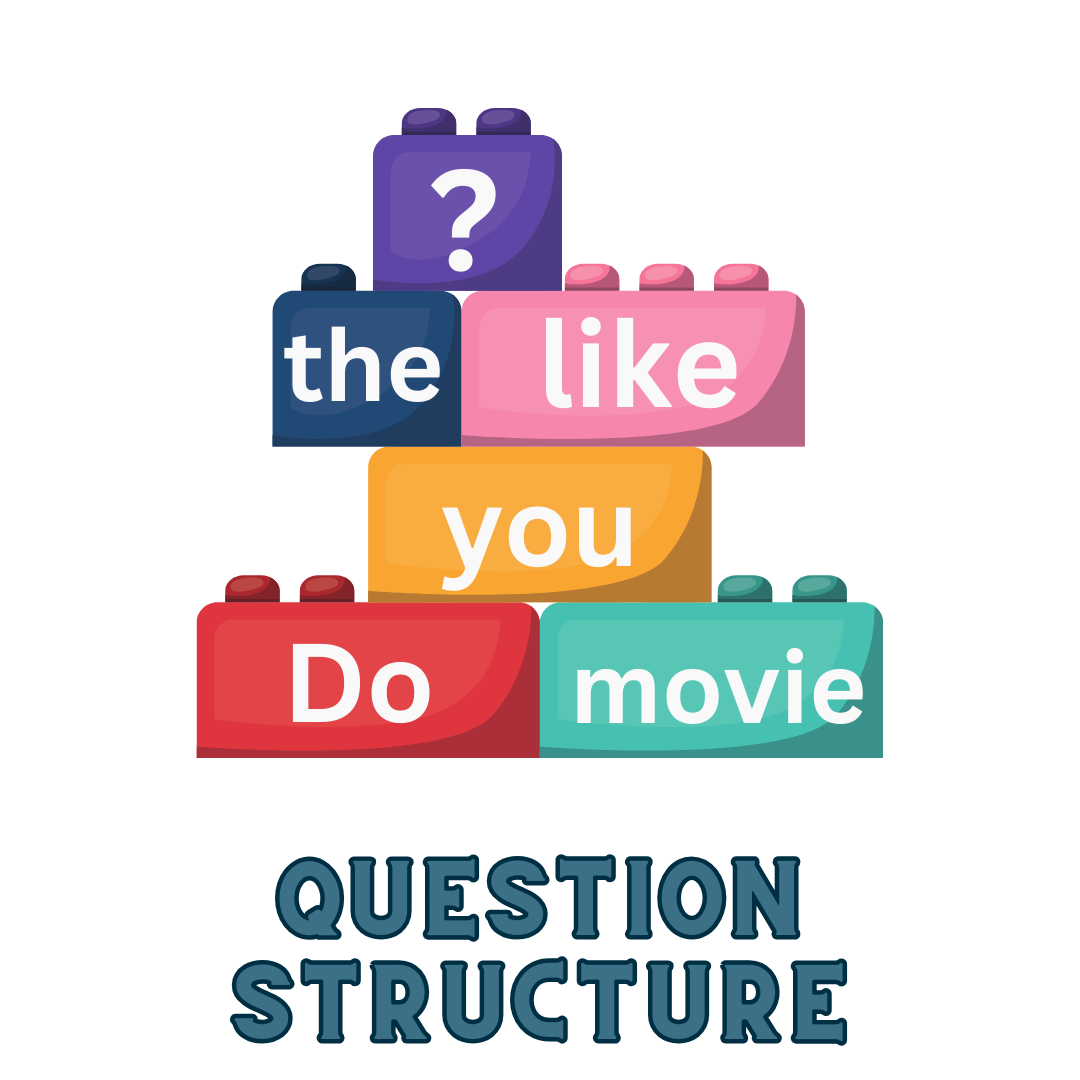
Syntax refers to the grammar rules that determine how words combine into sentences. It’s what helps us know that “The dog chased the cat” sounds right, while “Dog the cat chased” does not.
How It Develops
By age 2, children use two- to three-word combinations (“Mommy go work”).
By age 3, sentences become longer and more complete (“I want to play outside”).
By age 4–5, they use compound and complex sentences (“I went to the park and played on the swings”).
Syntax development continues into the school years as children learn how to write, use conjunctions, and build more advanced sentence structures.
4. Semantics: The Meaning of Words and Sentences
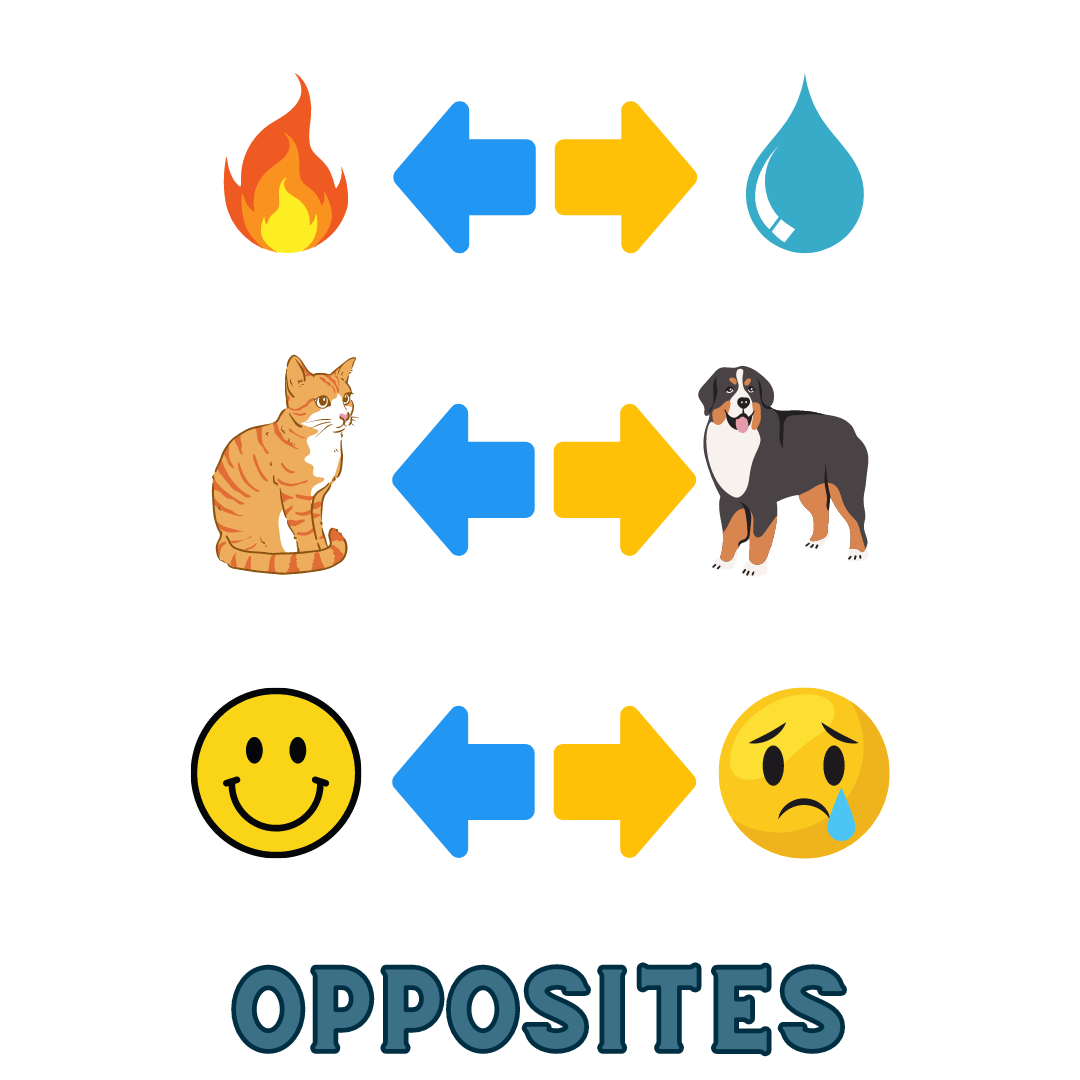
Semantics is all about meaning. It includes vocabulary, word relationships, and understanding how context affects interpretation.
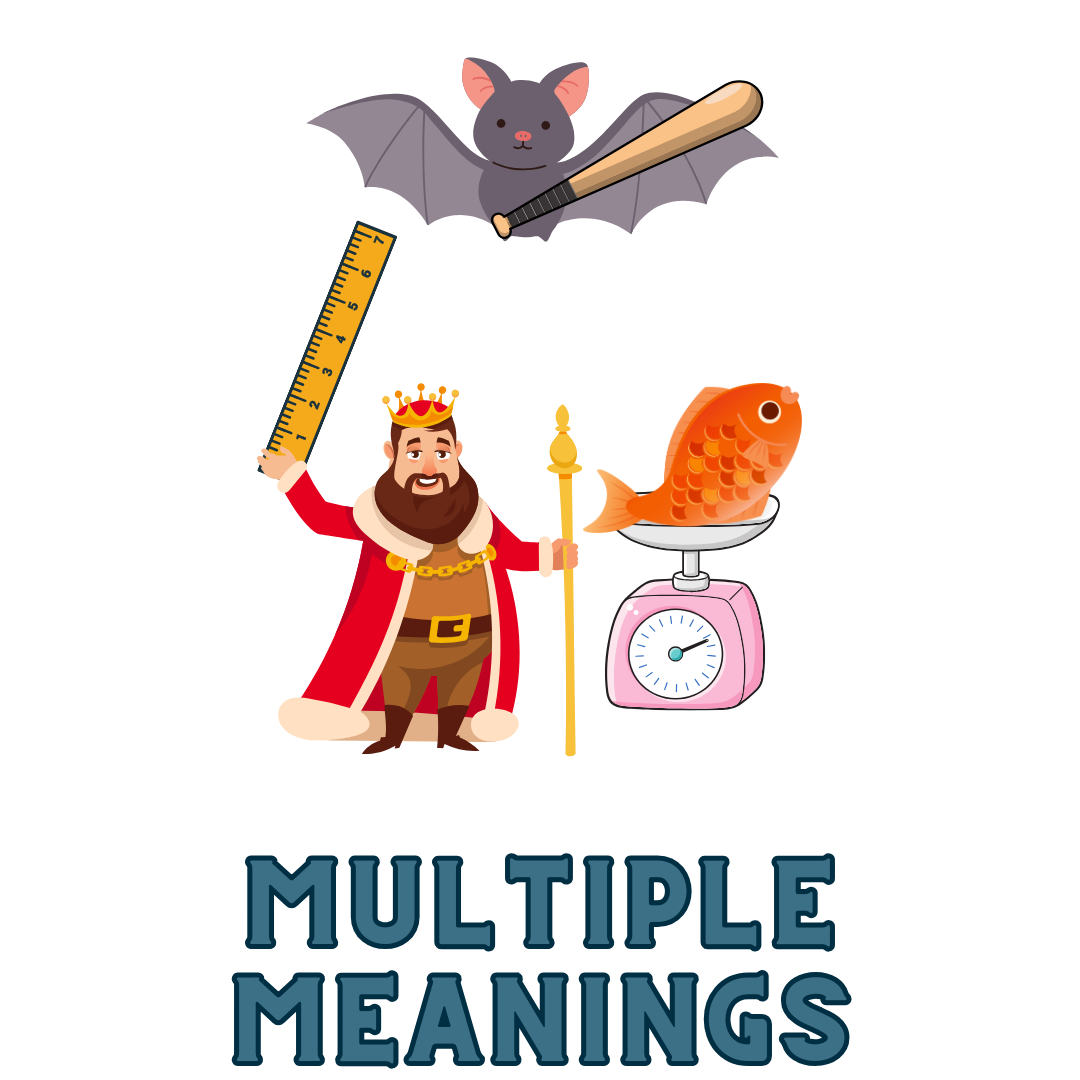
For example, the word bat can mean a flying animal or a piece of sports equipment—the meaning depends on context.
How It Develops
Children’s understanding of semantics grows steadily through exposure and experience.
By age 2, most know around 50 words.
By age 3, they know about 900–1,000 words.
By age 6, many know thousands.
Rich language experiences—reading, play, and conversation—help children connect words with real-life experiences, building both comprehension and expression.
5. Pragmatics: The Social Use of Language
Pragmatics is how we use language in social contexts. It involves knowing what to say, how to say it, and when to say it. Pragmatic skills include taking turns in conversation, using greetings, adjusting tone, and interpreting nonverbal cues.
How It Develops
Pragmatic growth begins early, even before words emerge:
Infants use gestures, eye contact, and vocal tones to communicate needs.
Toddlers learn to request, protest, and comment with words.
Preschoolers start storytelling, using polite language, and adjusting speech for different listeners.
School-age children refine conversation skills, humor, and inferencing.
Difficulties with pragmatics are often seen in children with autism spectrum disorder or social communication disorders, and SLPs play a key role in supporting these skills.
How These Five Components Work Together
Though we can describe each part separately, they function as an integrated system. For example:
Phonology allows us to pronounce words.
Morphology shapes word forms.
Syntax organizes them into sentences.
Semantics gives those sentences meaning.
Pragmatics helps us use them appropriately in conversation.
Strong communication depends on balance across all five components. A challenge in one area can affect the others—such as a phonological delay making it harder to express meaning clearly or a pragmatic difficulty affecting how sentences are used in social settings.
How SLPs Support Language Development
Speech-language pathologists evaluate all five components when assessing communication. Therapy might include:
Helping children produce clear sounds (phonology).
Teaching grammar and word endings (morphology).
Expanding sentence length and structure (syntax).
Building vocabulary and word relationships (semantics).
Practicing conversation and social skills (pragmatics).
SLPs also coach families and teachers on strategies to support language growth throughout daily routines.
FAQs
Are these five components the same for every language?
Yes, although each language has unique sounds and grammar rules, all languages include systems for sounds, word forms, sentence structure, meaning, and social use.
Can a child be strong in one component but weak in another?
Absolutely. Some children have strong vocabulary but struggle with grammar or sentence structure. Targeted therapy helps strengthen weaker areas.
When should I seek help for language development concerns?
If your child has difficulty expressing ideas, understanding directions, or using age-appropriate grammar, an SLP evaluation can help identify which components need support.