Learn what Mean Length of Utterance (MLU) means, typical norms by age, and practical speech therapy strategies to help children expand their sentence length.
When a child begins speaking in short, simple phrases, it’s a wonderful milestone—but it also raises an important question for speech-language pathologists (SLPs): How complex are those sentences becoming over time?
That’s where Mean Length of Utterance (MLU) comes in. MLU helps SLPs measure a child’s language growth by showing how many words—or morphemes—they typically use in a sentence. Understanding this concept helps professionals and parents track progress, identify language delays, and set meaningful therapy goals.
What Is Mean Length of Utterance (MLU)?
Mean Length of Utterance is a measure of the average number of morphemes a child uses per sentence.
A morpheme is the smallest unit of meaning in a language. For example:
“cat” has 1 morpheme.
“cats” has 2 morphemes (cat + s).
“walking” has 2 morphemes (walk + ing).
“played” has 2 morphemes (play + ed).
To calculate MLU, you collect a sample of a child’s spontaneous speech—usually 50 to 100 utterances—and then divide the total number of morphemes by the total number of utterances.
Formula:
MLU = Total number of morphemes ÷ Total number of utterances
Example:
If a child produces 100 morphemes across 25 utterances, the MLU is 4.0.
Why MLU Matters
MLU gives valuable insight into a child’s language complexity and grammatical development. It doesn’t just measure word count—it reflects how well a child combines ideas, uses grammar, and expands meaning.
SLPs use MLU to:
Track progress in language therapy.
Compare a child’s expressive language to age norms.
Identify patterns like telegraphic speech or grammatical omissions.
Create goals that gradually increase sentence complexity.
While MLU shouldn’t be the only measure used, it’s a reliable indicator of expressive language growth in preschool and early school-age children.
Typical MLU Norms by Age
These averages represent general developmental trends, though every child develops at their own pace:
| Age (in years) | Expected MLU (in morphemes) | Typical Example |
|---|
| 1.0–1.5 | 1.0–1.5 | “Ball,” “More,” “Up” |
| 1.5–2.0 | 1.5–2.0 | “Mommy go,” “Big dog” |
| 2.0–2.5 | 2.0–2.5 | “Mommy go work,” “I want cookie” |
| 2.5–3.0 | 2.5–3.0 | “Daddy is running,” “I want more juice” |
| 3.0–3.5 | 3.0–3.5 | “The boy is playing,” “I see the kitty” |
| 3.5–4.0 | 3.5–4.5 | “He’s playing with the big ball” |
| 4.5–5.0 | 4.5+ | “The boy is playing with his brother outside” |
By kindergarten, most children use sentences averaging 4–5 morphemes with a variety of grammatical markers (plurals, past tense, possessives).
How to Use MLU in Speech Therapy
Once an SLP determines a child’s MLU, the next step is to use that data to guide therapy goals and activities. The aim is not just longer sentences—but richer sentences that use correct grammar and more detail.
Here are some practical ways to build MLU during therapy and at home:
1. Expand and Model Language
When a child speaks in short phrases, expand what they say by adding one or two morphemes.
This simple strategy teaches grammar and models new sentence patterns naturally.
2. Use Daily Routines as Opportunities
Narrate everyday activities to expose the child to longer, grammatically complete sentences.
“We are putting on your shoes.”
“You’re eating your yummy snack.”
“Let’s wash the blue cup.”
Children learn best when language is meaningful and connected to what they’re doing.
3. Build Sentences with Visuals
Use picture cards, story scenes, or sequencing images to encourage sentence creation.
Ask questions like:
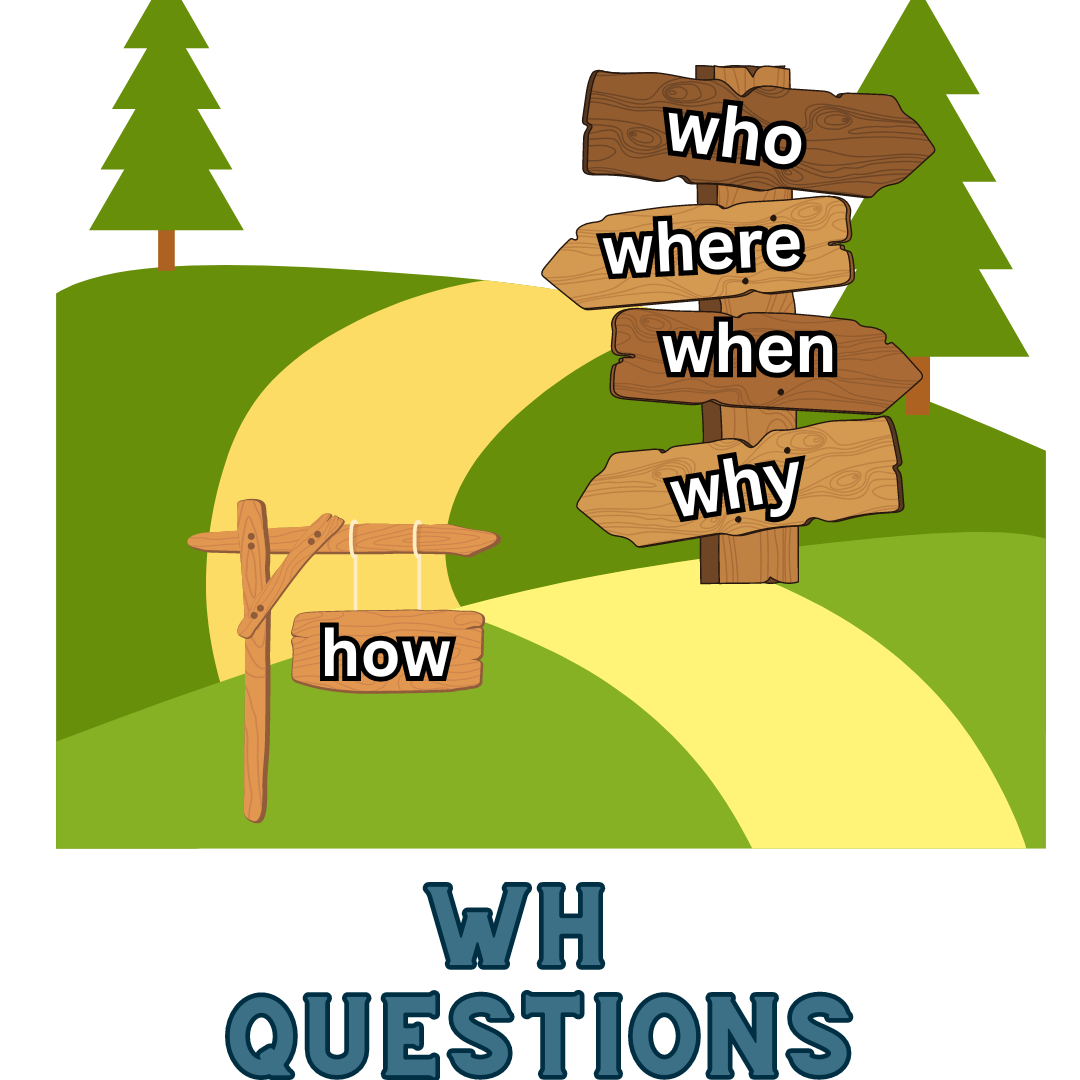
“What is the boy doing?”
“Where is he going?”
“Who is helping him?”
Encourage responses that grow from single words to complete thoughts.
4. Use Repetition with Variety
Provide repeated exposure to the same grammatical forms in different contexts.
For example, practice the plural “s” across many items:
“cats,” “dogs,” “toys,” “books.”
This helps children internalize grammatical rules while expanding MLU naturally.
5. Encourage Storytelling and Pretend Play
Pretend play gives children a reason to use longer utterances.
Role-play a restaurant, store, or doctor’s office.
Ask open-ended questions like “What happened next?” or “Why did he do that?”
Storytelling builds both sentence length and narrative structure.
6. Use Sentence Strips and Visual Cues
Visual sentence strips (e.g., I see a ___, He is ___ing) can help children produce complete sentences more consistently. Over time, fade the visuals as the child becomes more independent.
Sample Speech Therapy Goals for Increasing MLU
Here are examples of measurable, functional goals based on MLU data:
The student will increase mean length of utterance from 2.0 to 3.5 morphemes during structured play tasks.
The student will produce 3–4 word utterances using age-appropriate grammatical markers in 4 out of 5 opportunities.
The student will expand utterances by adding at least one modifier (adjective or prepositional phrase) during conversation.
Each goal focuses not only on sentence length but also on functional language growth.
How Parents Can Help at Home
Model longer sentences when responding to your child.
Add one idea at a time instead of overwhelming them with long sentences.
Read daily—pause to talk about what’s happening in pictures.
Use self-talk and parallel talk (“I’m cutting the apple.” “You’re washing your hands.”).
Consistent modeling helps children absorb new structures naturally.
FAQs
At what age should I be concerned about short sentences?
If a child over age three consistently uses one- or two-word phrases, or omits key grammatical words (is, the, -ing, plural s), an SLP evaluation is helpful.
Can bilingual children have lower MLU?
Yes, temporarily. Bilingual children often distribute morphemes across both languages. MLU should be interpreted within the context of both language systems.
Does a higher MLU always mean better language skills?
Not necessarily. Quality matters as much as quantity. Sentences should be grammatically correct, meaningful, and age-appropriate.