Language is more than just learning words—it’s about understanding how those words connect. When a child says “dog,” they’re not only naming an animal; they’re linking it to what it looks like, where it lives, what it does, and how it compares to other animals. These connections are called semantic relationships, and they form the foundation for understanding, communication, and learning.
As speech-language pathologists (SLPs), we often describe semantics as the “meaning system” of language. When a child’s semantic system is strong, they can retrieve words faster, understand stories more deeply, and express themselves with greater confidence.
What Are Semantic Relationships?
Semantic relationships describe how words are related by meaning. For example:
Category relationship: A dog is an animal.
Function relationship: A spoon is used to eat.
Part–whole relationship: A wheel is part of a car.
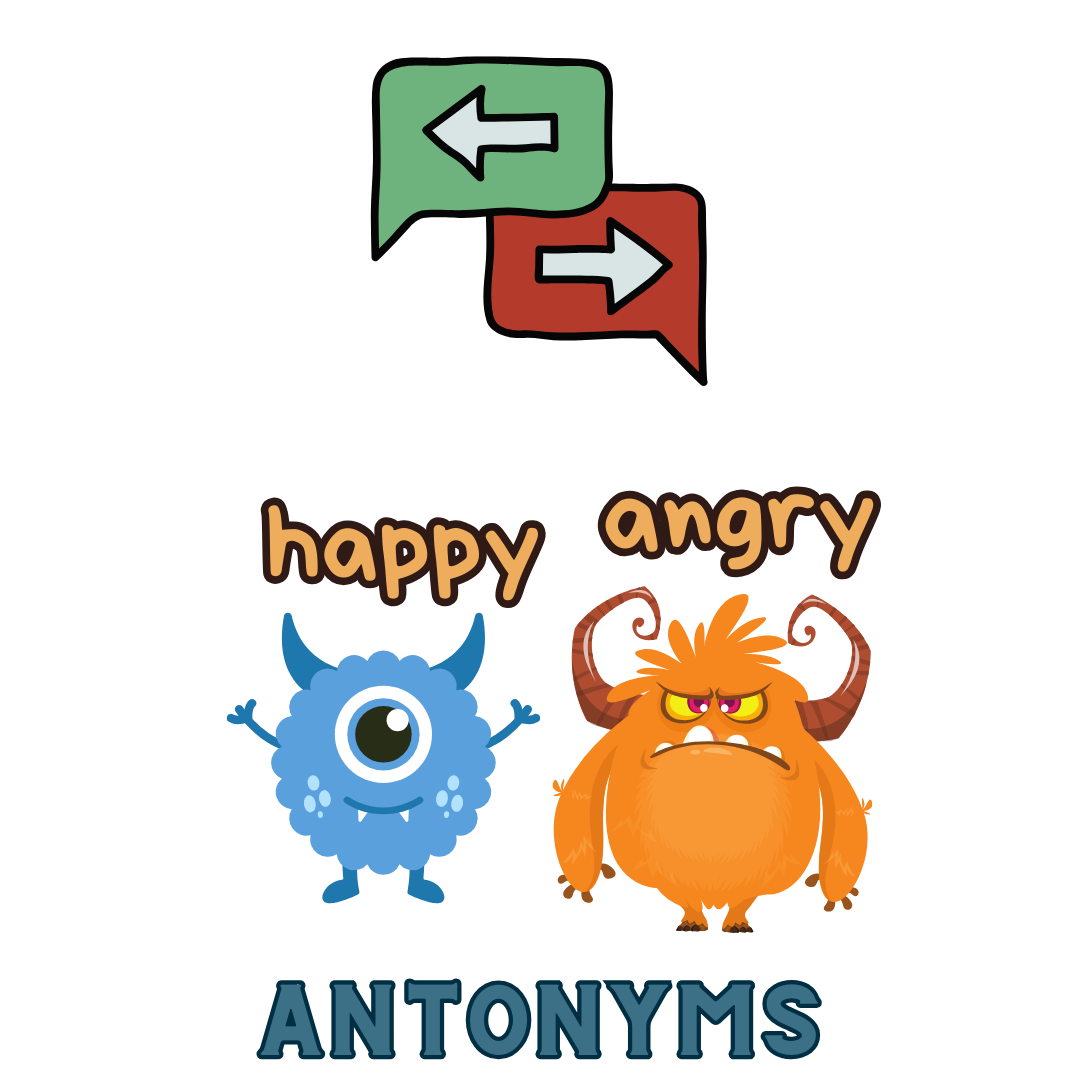
Synonym relationship: Happy and glad mean the same thing.
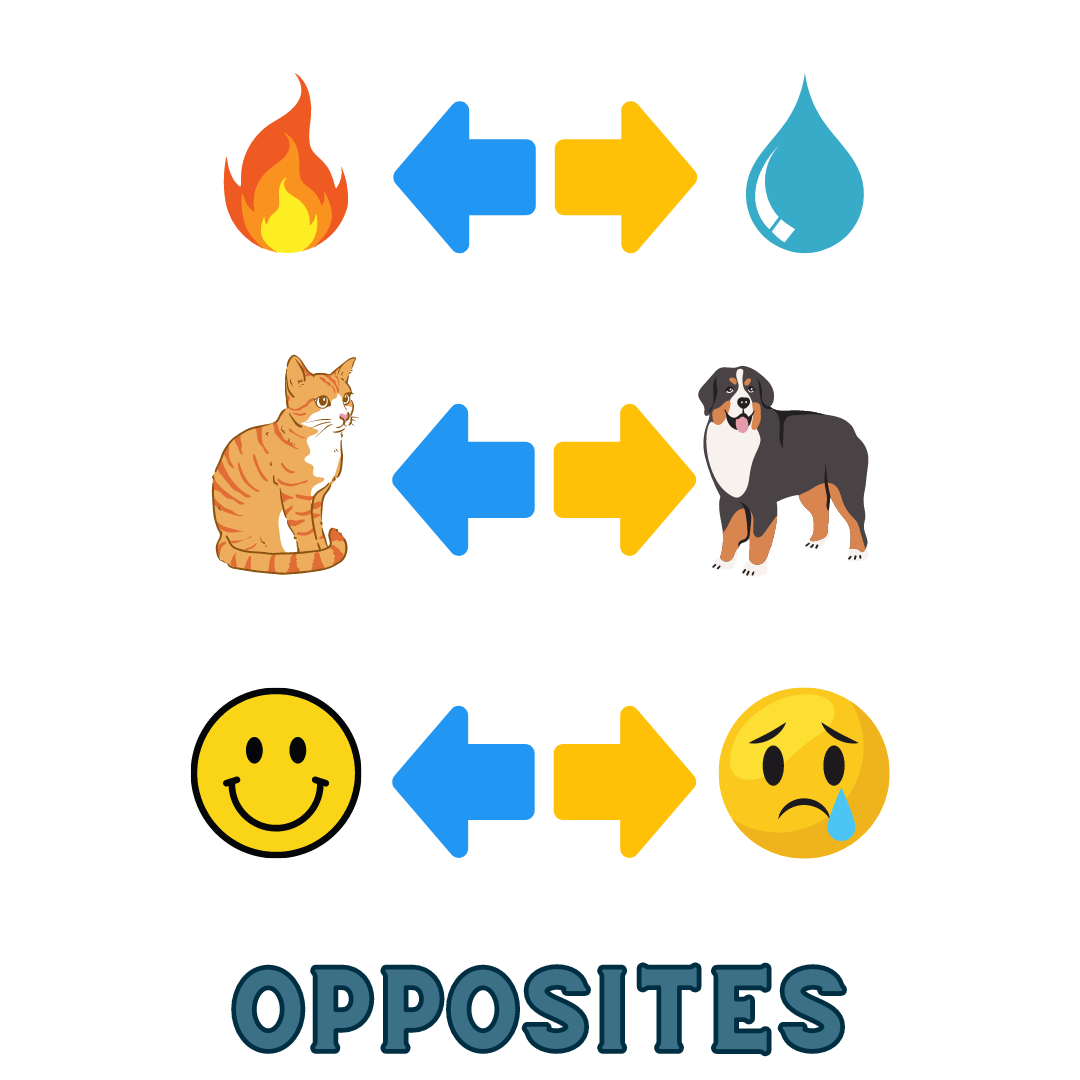
Antonym relationship: Hot is the opposite of cold.
Children build these connections naturally as they experience the world. However, some children—especially those with language delays or language-based learning difficulties—benefit from explicit teaching and repeated practice.
Why Semantic Relationships Matter
Strong semantic knowledge helps children organize their thoughts, make connections between new and known information, and improve communication.
Here’s why it matters:
Vocabulary growth: When a child learns that “apple” is a fruit, it becomes easier to learn “banana,” “orange,” and “grape.”
Word retrieval: When words are linked in a network of meaning, children can recall them faster.
Reading comprehension: Understanding how words relate helps children interpret text and make inferences.
Critical thinking: Comparing, categorizing, and describing objects all rely on understanding relationships between words.
💬 Therapy example: When an SLP teaches a child the word “boat,” they might talk about what it does (floats), where it is found (water), its parts (sails, motor), and other things that go (car, plane). Each connection strengthens meaning.
Types of Semantic Relationships
1. Categories
Grouping objects that share characteristics (animals, foods, vehicles).
2. Functions
Understanding what objects or people do.
3. Part–Whole Relationships
Recognizing how smaller pieces make up a bigger object.
Example: A flower has petals, a stem, and leaves.
Activity: Have students label parts of familiar items or assemble puzzles.
4. Synonyms and Antonyms
Learning words with similar or opposite meanings.
Example: Big–large (synonym), up–down (antonym).
Activity: Use matching games or create simple “opposite” stories.
5. Associations
Understanding which words go together.
How SLPs Teach Semantic Relationships
Speech-language pathologists often use structured and play-based methods to help children build strong semantic networks. Some common techniques include:
Semantic mapping: Creating visual webs that show how words connect by category, function, or attribute.
Feature analysis: Comparing items using features like size, shape, and use (e.g., how is a cat like a dog?).
Sorting and labeling games: Organizing words by category or attribute helps strengthen recall.
Story-based learning: Discussing how words relate in stories deepens comprehension.
Try this at home or in class:
Gather a few objects (cup, spoon, apple, shoe). Ask your child to group items that go together and explain why. “The spoon and cup go together because you use them to eat.”
When Semantic Skills Need Support
Some children may struggle with vocabulary even when they seem to understand conversation. They might use vague words like “thing” or “stuff” or have trouble recalling specific terms. This often signals a need to strengthen semantic relationships.
An SLP can assess these skills and create individualized goals to help children organize and retrieve language more effectively.
FAQs
What age do semantic relationships start developing?
Children begin forming simple relationships, like associations and categories, in toddlerhood and continue refining them through elementary school.
How can parents help build semantic skills at home?
Talk about how objects are alike and different, describe their features, and play naming or sorting games during everyday routines.
Are semantic difficulties common in language disorders?
Yes. Children with developmental language disorder (DLD) or reading difficulties often need explicit instruction in how words connect.
Build Meaningful Connections Through Language
When children understand how words fit together, they don’t just learn vocabulary—they learn to think, reason, and communicate with confidence.