Why Categorization Matters in Speech Development
Do your students struggle to group similar items or identify differences between objects? Many children find categorization challenging yet essential for language growth. The ability to identify “what does not belong” develops crucial thinking skills that support both communication and learning.
Children with language delays often have difficulty recognizing category relationships and outliers. This challenge impacts vocabulary development, reading comprehension, and logical reasoning. Teaching categorization through “what does not belong” activities builds cognitive frameworks for stronger language skills.
These classification skills create foundations for academic success across subjects. Let’s explore why categorization matters and how “what does not belong” activities can transform your therapy approach.
The Benefits of “What Does Not Belong” Activities
“What does not belong” exercises do more than teach simple sorting. These powerful activities strengthen multiple aspects of language and cognitive development simultaneously.
SLPs use these activities to target both receptive and expressive language skills. The dual-focus approach maximizes therapy time while keeping children engaged.
Here’s how these activities benefit children’s development:
Enhances Critical Thinking Skills
Identifying an outlier requires children to analyze similarities and differences. This analytical process strengthens reasoning abilities central to problem-solving.
When deciding why a carrot doesn’t belong with a group of fruits, children must consider the properties that define fruits versus vegetables. This evaluation builds classification systems in their thinking.
Teachers notice that students who excel at categorization often show stronger academic performance. The connection-making transfers to subjects like science, math, and reading.
Strengthens Vocabulary Development
Category learning naturally expands word knowledge and meanings. Children learn not just individual words but how they relate to each other.
When discussing why an item doesn’t belong, children learn vocabulary for describing attributes. Words like “texture,” “function,” and “category” become part of their expressive language.
Parents can use these activities to introduce new vocabulary in meaningful contexts. The categorical framework helps children remember and use new words appropriately.
Improves Verbal Reasoning
Explaining why something doesn’t belong develops verbal reasoning and justification skills. Children must articulate their thinking process clearly.
This “why” component transforms a simple selection task into a rich language opportunity. Children practice forming complete sentences and logical explanations.
SLPs value these verbal explanations as windows into children’s thinking. The responses reveal how children are processing information and making connections.
Boosts Attention to Detail
Identifying the odd item requires careful observation of features and attributes. Children must attend to specific details rather than making quick judgments.
This focused attention builds observation skills essential for reading comprehension and science learning. Children become more aware of subtle differences between similar items.
Teachers can use this heightened attention to help students notice patterns in other learning areas. The skill transfers naturally to academic tasks requiring close attention.
Supports Executive Functioning
Categorization requires mental flexibility and organizational thinking. Children must hold multiple attributes in mind while making comparisons.
These executive function skills—including working memory and cognitive flexibility—support academic performance. Students with strong executive functioning often show better classroom success.
Parents notice improvements in everyday organizational skills as categorization abilities develop. Children begin sorting toys, clothing, and belongings more logically.
Developmental Progression of Categorization Skills
Understanding typical categorization development helps set appropriate expectations. Children progress through predictable stages as they master classification skills.
SLPs use this developmental sequence to guide treatment planning. Starting at the child’s current level ensures success while building toward more complex skills.
Here’s how categorization typically develops:
Basic Matching (Ages 1-2)
Toddlers begin by matching identical objects or pictures. They recognize that two identical red blocks go together before understanding broader categories.
This foundation sets the stage for more complex categorization. Children must recognize sameness before they can identify differences.
Parents can support this early stage with simple matching games. Finding two matching socks or identical toys builds the basic concept of sameness.
Concrete Categories (Ages 2-3)
Young children begin sorting obvious categories like animals, food, or clothing. They understand basic groups based on function or appearance.
At this stage, children might sort all toys in one pile and all clothes in another. These broad distinctions show emerging category awareness.
SLPs often start with these clear categories in therapy sessions. The obvious groupings provide successful experiences that build confidence.
Multiple Attributes (Ages 4-5)
Preschoolers develop the ability to consider multiple characteristics at once. They can sort by color, then resort the same items by size or shape.
This flexibility shows maturing cognitive skills. Children begin to understand that items can belong to multiple categories simultaneously.
Teachers can support this development with sorting activities that have multiple possible solutions. Questions like “How else could we sort these?” encourage flexible thinking.
Abstract Categories (Ages 6-7)
School-age children begin understanding less visible categories based on concepts rather than appearance. They can group items by use, origin, or other abstract qualities.
Children might explain that a hammer doesn’t belong with scissors, needle, and thread because “it’s not used for sewing.” This reasoning shows deeper conceptual understanding.
Parents can encourage this thinking by discussing less obvious connections between items. Conversations about how things are made or where they come from build abstract categorization.
Hierarchical Categories (Ages 7+)
Older children understand that categories exist within broader categories. They recognize that a dog is both a pet and an animal, with animal being the broader category.
This hierarchical thinking supports academic learning across subjects. Science classification, math grouping, and reading comprehension all rely on understanding category levels.
SLPs working with older children often target these complex relationships. Activities that explore subcategories and supercategories build sophisticated thinking skills.
Effective Strategies for Teaching “What Does Not Belong”
How you present categorization activities significantly impacts learning. These evidence-based strategies help children grasp categorization concepts successfully.
Children learn best when activities build on their interests and abilities. Adapting your approach to match developmental levels ensures success.
Try these proven teaching strategies:
Use Clear Visual Supports
Visual aids make abstract categorization concepts concrete. Picture cards showing three related items and one different item provide clear visual contrasts.
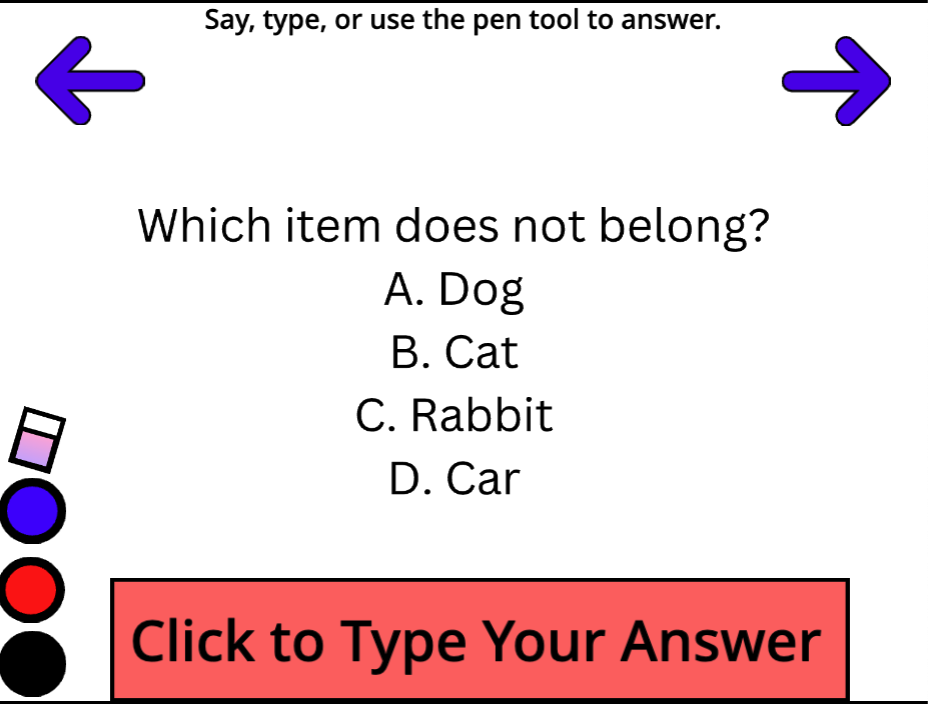
When teaching that “apple doesn’t belong with dog, cat, and fish,” showing images helps children see the relationship between the animals versus the food item. This visual support bridges understanding.
Parents can create simple picture cards using magazine cutouts or printed images. These homemade materials provide practice opportunities without expensive resources.
Start with Obvious Differences
Begin with clearly different items before moving to subtle distinctions. A ball clearly doesn’t belong with three books before tackling more challenging examples.
These obvious contrasts build confidence and demonstrate the concept. Children experience success while learning the basic activity structure.
Teachers often begin new units with these clear examples before introducing more challenging distinctions. This progression builds confidence and understanding.
Provide Verbal Models
Demonstrate how to explain categorization decisions by thinking aloud. Clear verbal models show children how to articulate their reasoning.
For example, “The sock doesn’t belong with the fork, spoon, and knife because those are all utensils we eat with, but a sock is clothing.” This model demonstrates both the decision and explanation process.
SLPs use these verbal models frequently when introducing categorization activities. The explicit language provides patterns children can follow in their own responses.
Use Hands-On Sorting
Physical manipulation of objects strengthens learning through multiple sensory channels. Sorting real items into “belongs” and “doesn’t belong” groups makes concepts tangible.
Gather household items like a spoon, fork, cup, and shoe. The physical handling of objects while deciding which doesn’t belong reinforces category concepts.
Parents find this approach particularly effective during daily routines. Sorting laundry, groceries, or toys provides natural categorization practice.
Connect to Familiar Experiences
Relate categorization to children’s everyday lives and interests. Personal connections make abstract concepts more meaningful and memorable.
A child who loves dinosaurs might engage more with sorting activities featuring dinosaur categories. This interest-based approach increases motivation and attention.
Teachers can link categorization to classroom themes or current studies. These connections reinforce learning across activities throughout the day.
12 Engaging “What Does Not Belong” Activities
Effective therapy combines structured learning with playful engagement. These activities make categorization practice enjoyable while targeting specific skills.
SLPs, parents, and teachers can adapt these ideas based on available materials and children’s interests. The key is providing varied practice with increasing complexity.
Try these twelve fun activities to build categorization skills:
1. Picture Card Sorting
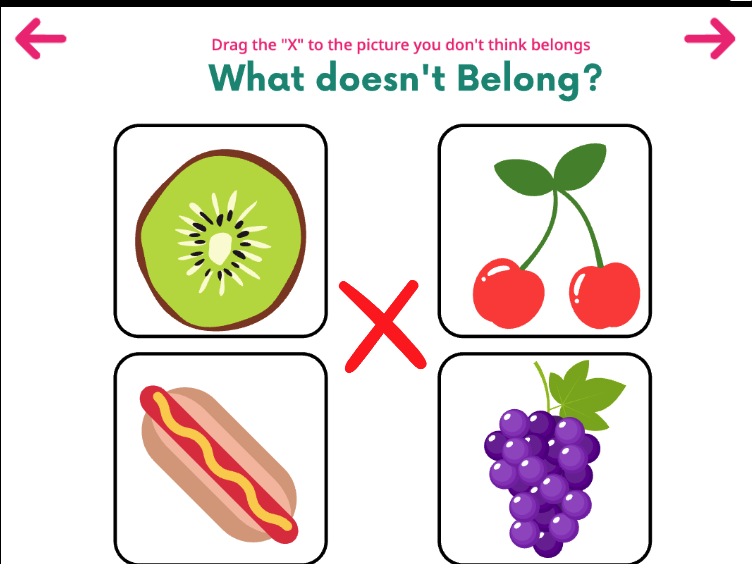
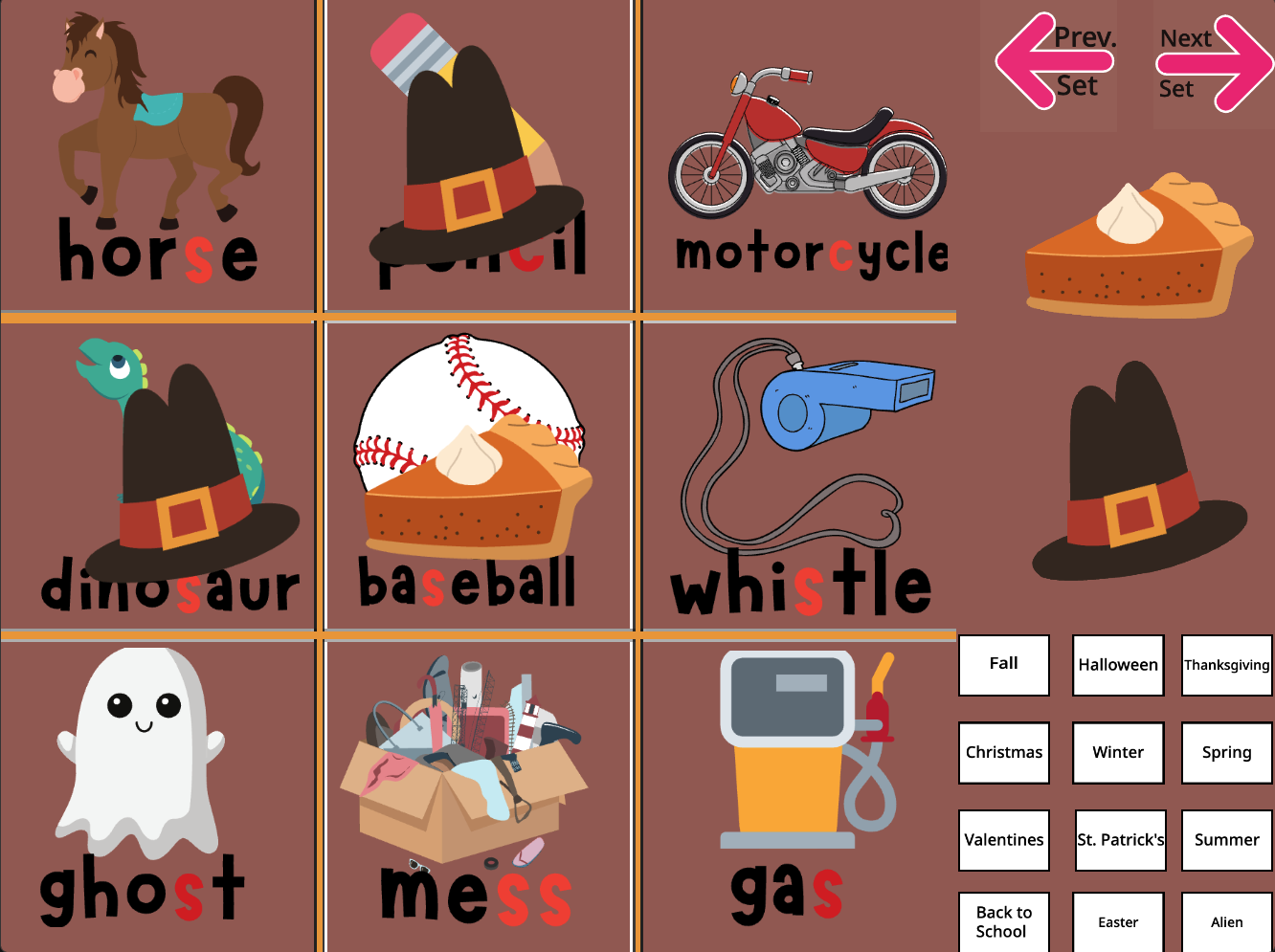
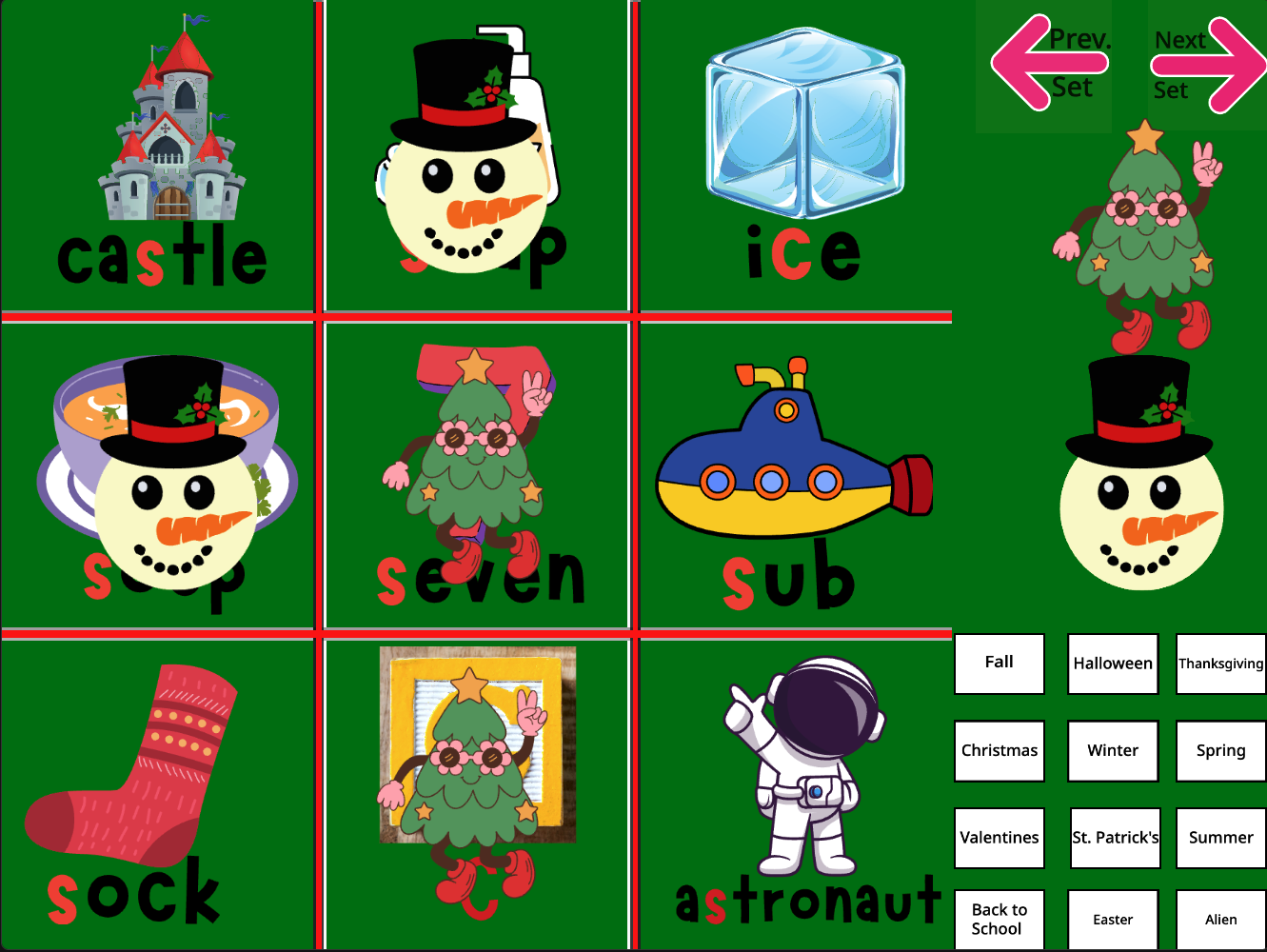
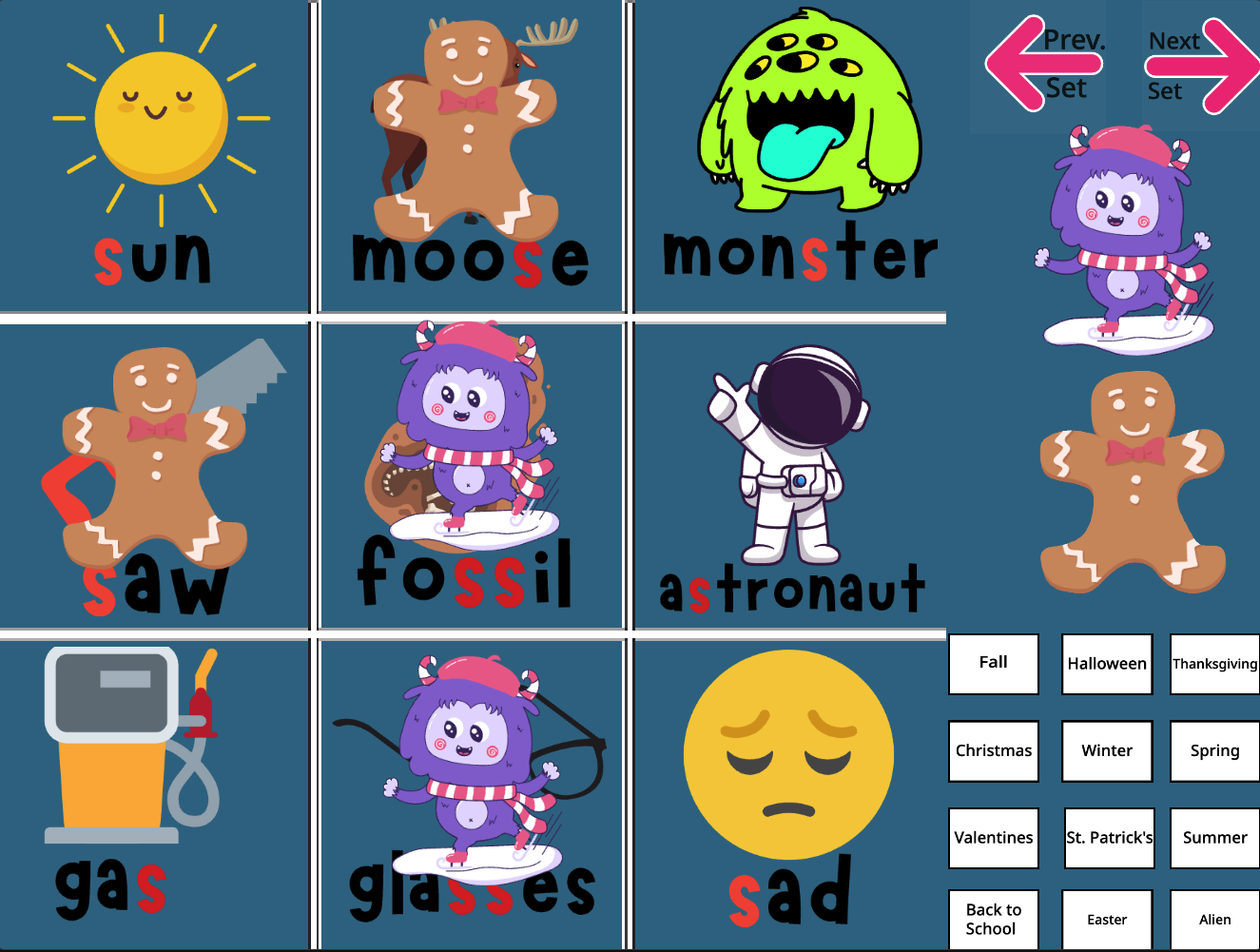
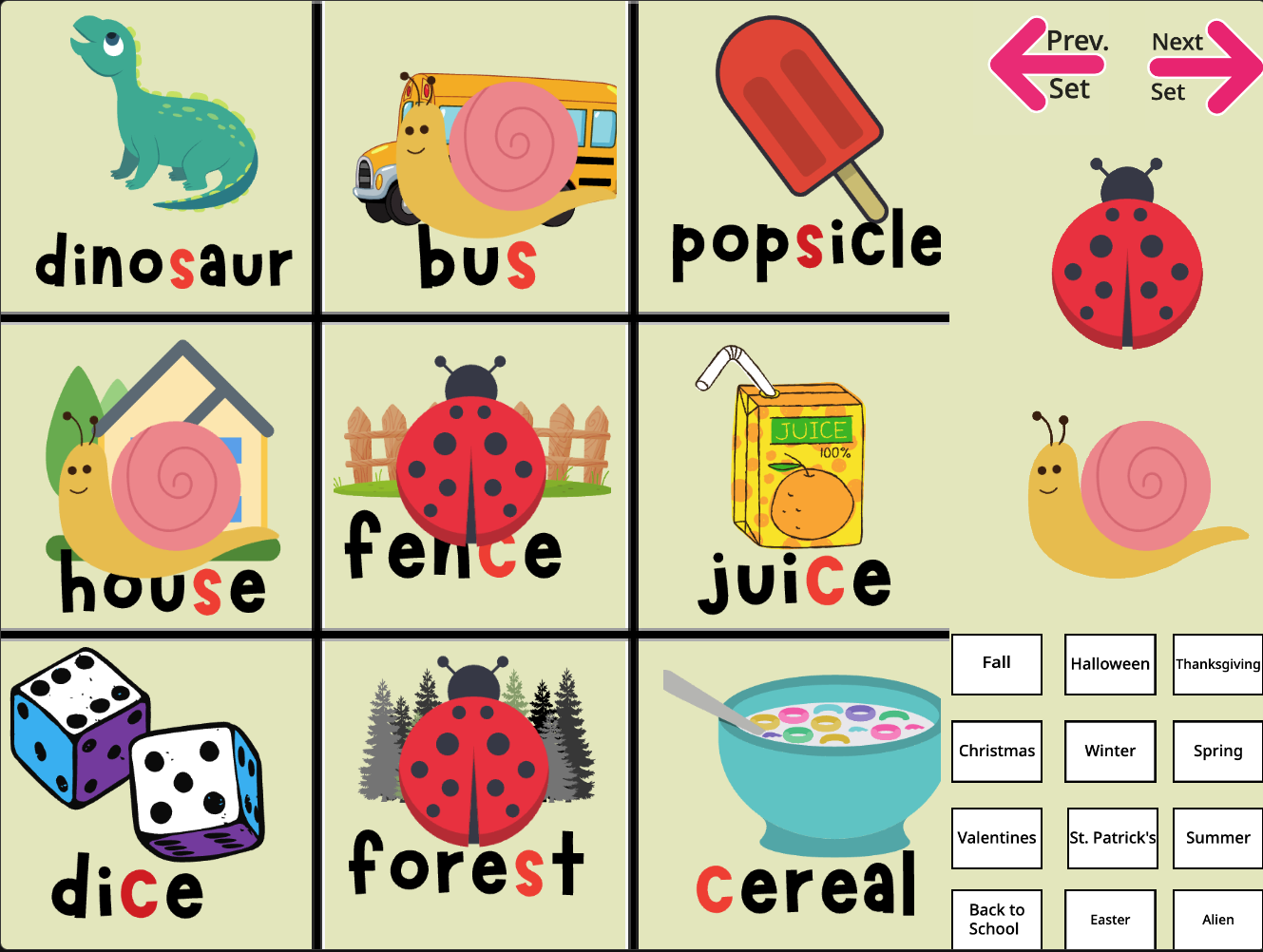
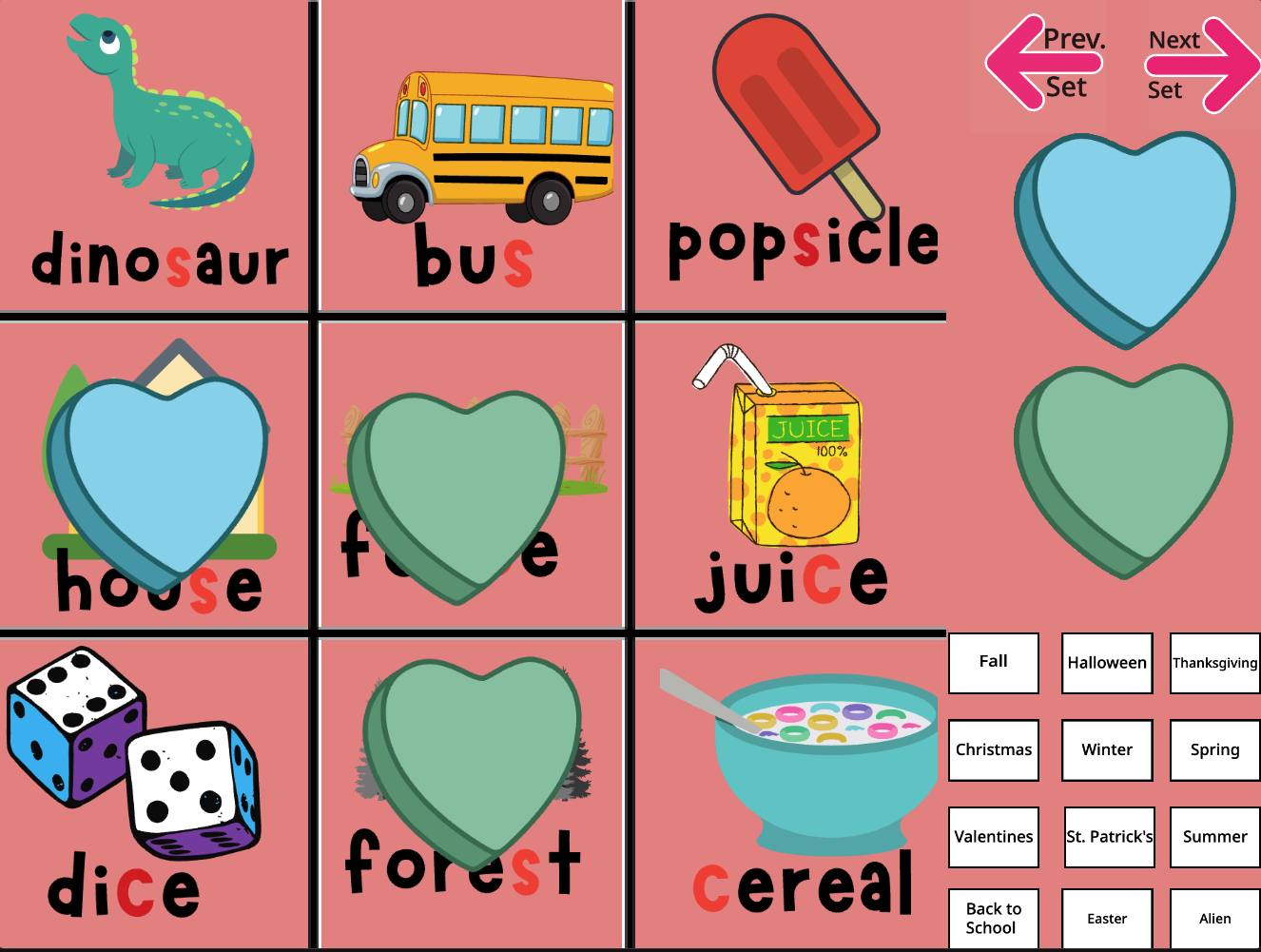
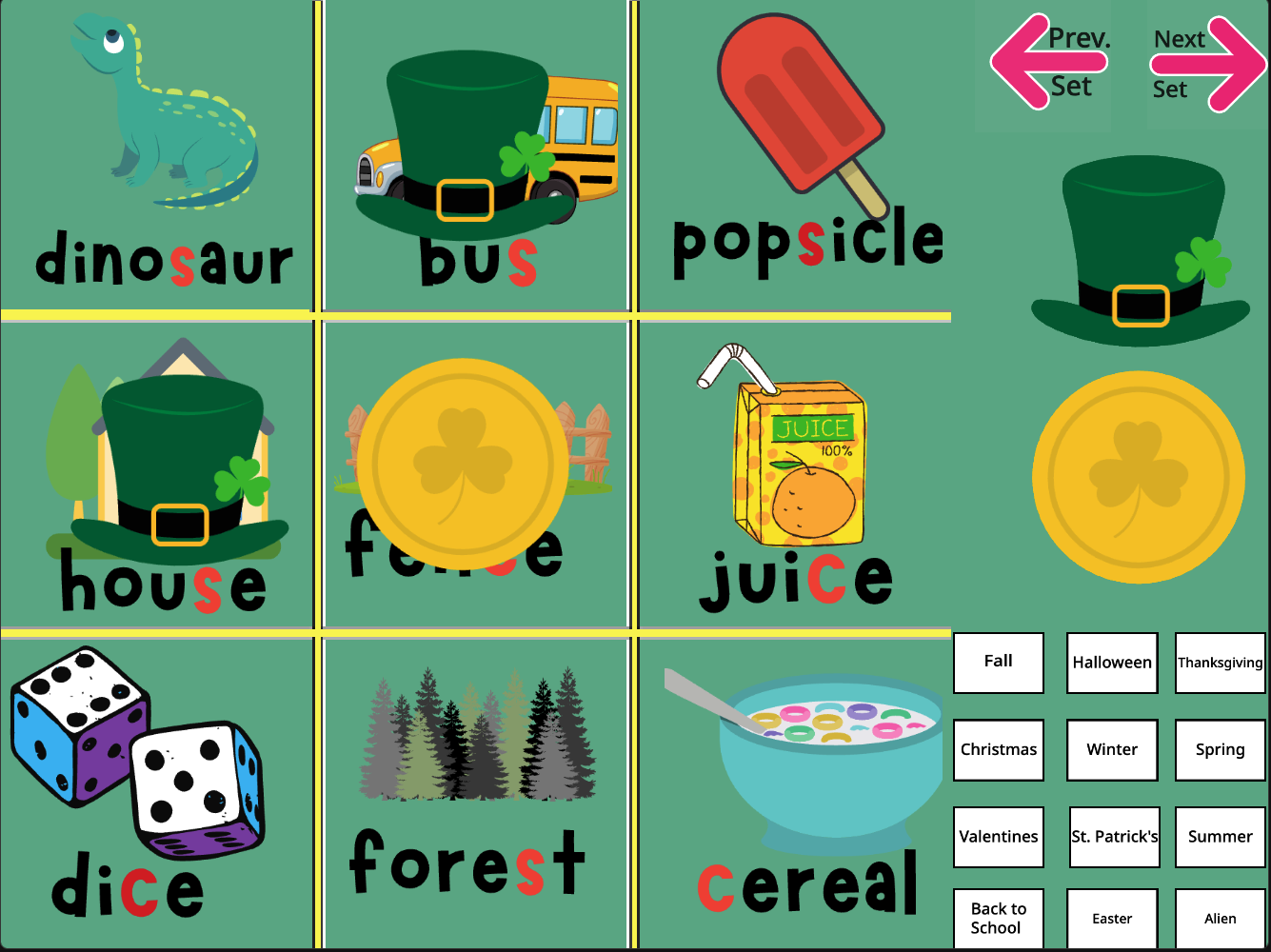
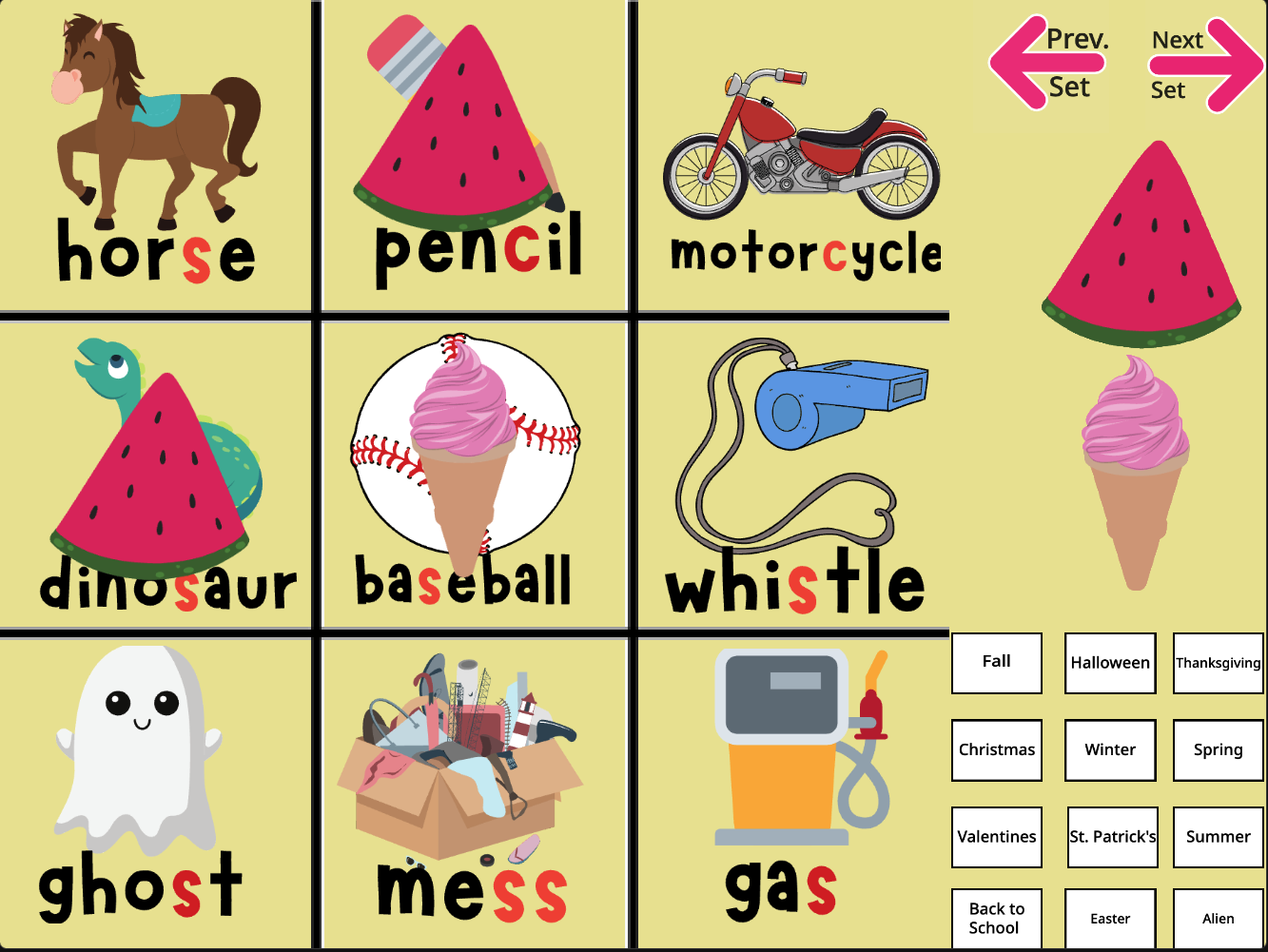
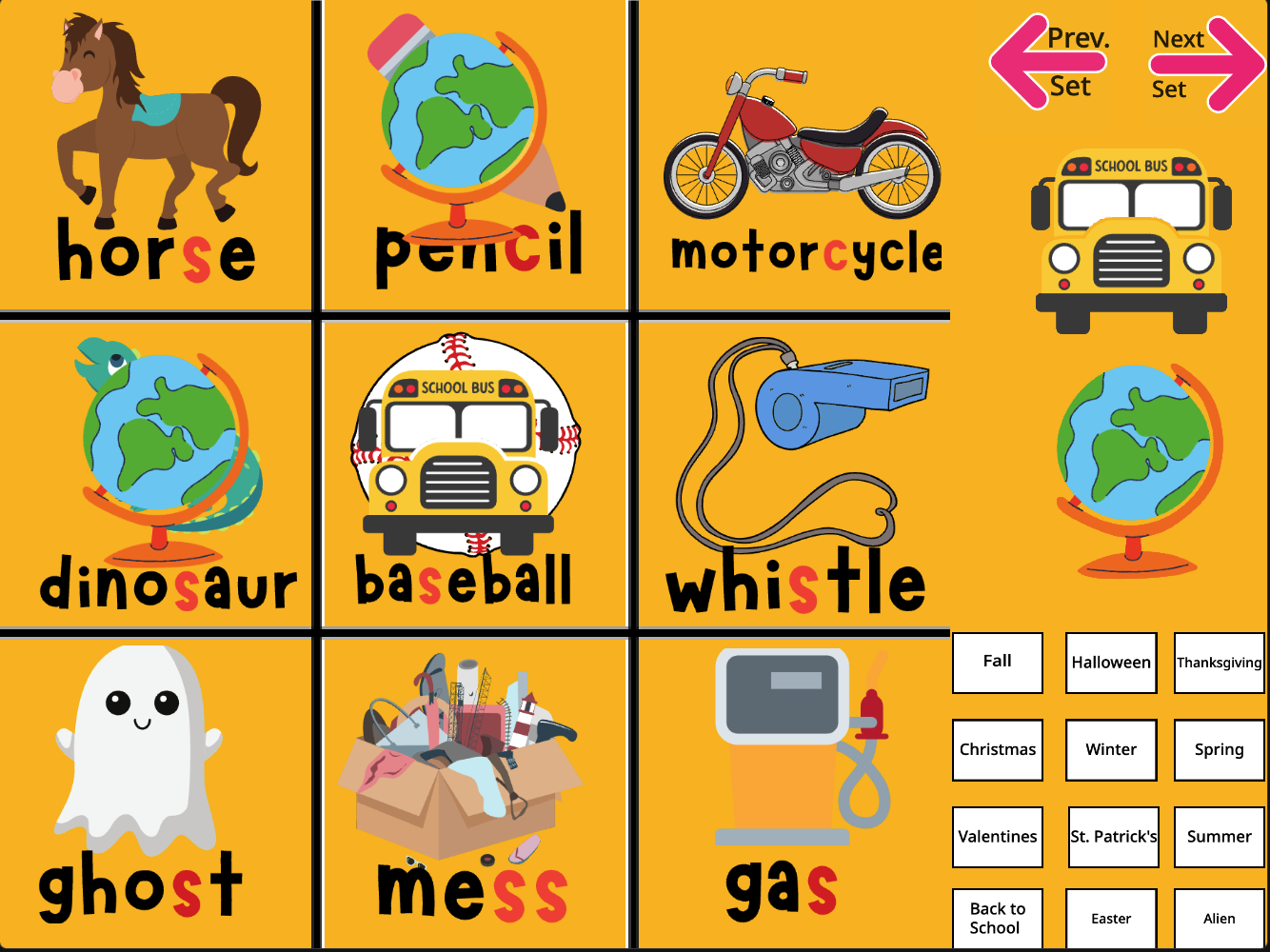
Create sets of four picture cards where three belong to a category and one does not. Children identify the odd card and explain their reasoning.
Start with basic categories like foods, animals, or clothing before advancing to more abstract groupings. The visual format makes the task clear and accessible.
This portable activity works well in therapy rooms, classrooms, or home settings. The simple materials make practice possible in various environments.
2. Mystery Box Challenge
Place four objects in a box—three related and one different. Children reach in without looking, feel all items, then identify which one doesn’t belong.
This activity adds tactile exploration to categorization. Children must use touch to identify object properties and make classification decisions.
SLPs appreciate how this activity engages multiple senses while building language. The tactile input provides additional processing channels for children who struggle with visual information.
3. Movement-Based Categorization
Assign different movements to different categories. Call out items and have children perform the movement that matches the category—or remain still if the item doesn’t belong.
For example, jump for animals, clap for foods, and touch toes for clothing. When you say “chair,” children should remain still since it doesn’t belong to any of the movement categories.
This active approach benefits kinesthetic learners and provides needed movement breaks. The physical engagement increases attention and memory for category learning.
4. Interactive Storytelling with Oddities
Read or tell simple stories with deliberate category errors. Children identify when something doesn’t make sense in the context.
For example: “For breakfast, I had cereal, toast, orange juice, and a shoelace.” Children identify and explain why the shoelace doesn’t belong in the breakfast category.
Teachers find this activity integrates well with literacy instruction. The listening comprehension component supports dual language and reading goals.
5. Category Bingo
Create bingo cards with pictures from various categories. Call out a category, and children mark items that do NOT belong to that category.
For example, if you call “animals,” children would mark pictures of cars, foods, or clothing on their cards. This reversal adds complexity to the familiar bingo format.
This game works well in small groups, making it ideal for classroom centers or group therapy sessions. The game format increases motivation for repeated practice.
6. Digital Sorting Apps
Utilize educational apps focused on categorization. Many digital resources offer interactive “what does not belong” activities with immediate feedback.
Apps like “Sorting and Categorizing” or “Category Sorter” provide engaging practice with colorful graphics and reward systems. The technology appeal motivates many children.
Parents appreciate how these digital options support home practice between therapy sessions. The structured format ensures consistent practice opportunities.
7. Create-Your-Own Categories
Challenge older children to create their own “what does not belong” puzzles for others to solve. This advanced activity requires deep understanding of category relationships.
Children must select three related items and one unrelated item, then explain why their categorization makes sense. This creation process deepens understanding.
Teachers find this activity particularly valuable for assessing comprehension. The child’s created examples reveal their level of category understanding.
8. Category Concentration
Play memory match with a twist—cards are turned over, but players must find three cards that belong together and one that doesn’t. This adds categorization to the familiar memory game.
For example, finding three vehicles (car, boat, plane) and one animal (dog) would make a valid set. Players must explain why their collection follows the rule.
This game builds both memory and categorization skills simultaneously. The cognitive challenge increases engagement for older children.
9. Silly Category Songs
Create simple songs with lyrics featuring items from a category, then insert a non-belonging item. Children listen for and identify the item that doesn’t fit.
Sing to a familiar tune: “Dog, cat, fish, and bread, which one doesn’t belong?” Then discuss why bread doesn’t belong with the animals.
Parents find these songs easy to incorporate during car rides or waiting times. The musical element adds engagement while supporting auditory processing.
10. Category Scavenger Hunt
Hide pictures or objects around the room. Children find items belonging to a specific category—and identify any items they find that don’t belong in that group.
For example, “Find all the things we wear” might lead to discovering clothing items plus a few non-clothing items strategically placed as outliers.
This movement-based activity combines physical engagement with cognitive challenge. The search component adds excitement to categorization practice.
11. “What’s Different?” Worksheets
Create visual worksheets with rows of four pictures where one doesn’t belong. Children circle the different item and write or tell why it doesn’t fit.
These worksheets provide independent practice opportunities. The written component adds literacy practice for school-age children.
Teachers can incorporate these into learning centers or homework packets. The paper format allows for completion at the child’s pace.
12. Category Barrier Games
Pair children with identical sets of objects separated by a barrier. One child arranges three related objects and one different object, then describes the arrangement for their partner to duplicate.
This activity combines categorization with descriptive language and following directions. The multiple language components make efficient use of therapy time.
SLPs value this activity for targeting multiple goals simultaneously. The peer interaction adds social communication practice to categorization work.
Adapting Activities for Different Age Groups and Abilities
Children’s categorization abilities vary widely based on age, language level, and cognitive development. Thoughtful adaptations make activities accessible to all learners.
SLPs regularly modify activities to match individual profiles. These adjustments ensure appropriate challenge without frustration.
Consider these adaptations for different groups:
For Preschool Children
Use familiar, everyday objects that children recognize easily. Categories like toys, foods, and animals provide concrete starting points.
Limit choices to reduce cognitive load. Rather than choosing from many items, present just four options with one clear outlier.
Incorporate favorite characters or themes to increase engagement. Categorization games featuring characters from favorite shows maintain attention longer.
For Elementary School Children
Introduce more abstract categories based on function, location, or attributes. Activities might focus on “things that fly” or “items found in a kitchen.”
Add writing components where appropriate. Having children write their explanations strengthens the connection between categorization and literacy.
Connect to curriculum content for relevant practice. Science classifications, math groupings, and reading categories reinforce classroom learning.
For Children with Language Delays
Provide additional visual supports such as category labels or pictures. These supports reduce language demands while building categorization concepts.
Allow for pointing or nonverbal indicating before requiring verbal explanations. This approach separates categorization understanding from expressive language challenges.
Break multi-step activities into smaller segments. Completing one categorization task before moving to another prevents cognitive overload.
For Children with Attention Challenges
Keep materials visually simple without distracting patterns or excessive details. Clean, clear images help maintain focus on relevant attributes.
Incorporate movement between categorization tasks. Brief movement breaks help reset attention for continued learning.
Use timer challenges to maintain engagement. “Can you find what doesn’t belong before the timer runs out?” adds motivation through gentle time pressure.
For Advanced Learners
Introduce multi-dimensional categories where items might belong to multiple groups. This complexity builds cognitive flexibility and deeper thinking.
Challenge students to explain alternative ways items could be categorized. Questions like “How else could we group these?” encourage creative thinking.
Explore unusual or specialized categories related to specific interests. A space enthusiast might enjoy categorizing types of celestial bodies or space equipment.
Frequently Asked Questions About Categorization Skills
How do I know if my child has difficulty with categorization?
Watch for these signs: struggles to sort similar objects together, difficulty understanding why things go together, or inability to explain why something is different from a group.
By age 3-4, most children can sort obvious categories like animals, foods, or vehicles. By age 5-6, they typically identify items that don’t belong in simple categories.
If categorization difficulties persist and affect learning or communication, consider consulting with an SLP. Early intervention prevents these challenges from impacting academic performance.
How can I help my student who always focuses on irrelevant attributes?
Some children might say a blue car doesn’t belong with red car, red boat, and red plane—focusing on color instead of the more relevant vehicle category.
Try explicitly teaching attribute hierarchy. Explain that sometimes shape, function, or category is more important than color or size.
Use visual cues like color-coding category names or using size to indicate importance of attributes. This visual support helps shift attention to relevant features.
Should I correct wrong answers in categorization activities?
Instead of simply saying “wrong,” guide children toward discovery. Ask, “Let’s think about how these three are alike. They’re all animals, right? Is this one an animal too?”
This approach teaches thinking processes rather than just correct answers. The guided questioning helps children develop their own reasoning skills.
Remember that some categorization questions have multiple valid answers depending on perspective. A tomato might not belong with apples, bananas, and oranges (all sweet fruits) or might not belong with carrots, potatoes, and onions (all root vegetables).
How do categorization skills affect reading development?
Strong categorization abilities support reading comprehension by helping children organize information from texts. Understanding how ideas relate improves memory and understanding.
Categorization also supports vocabulary development. Children who understand category relationships learn new words more easily by connecting them to existing knowledge.
Early category knowledge predicts later reading success. Research shows that preschoolers with strong classification skills often become stronger readers in elementary school.
Can technology help teach categorization skills?
Quality apps and digital activities can provide engaging practice with immediate feedback. Look for programs that progress from simple to complex categorization tasks.
Digital tools work best when paired with discussion. Talk about the categorization decisions being made in the app to strengthen verbal reasoning.
Balance screen-based activities with hands-on sorting using real objects. The physical experience of handling and grouping items provides important sensory input for learning.
How do I move beyond simple categories to more advanced thinking?
Introduce the concept of hierarchical categories—categories within categories. For example, dogs belong to pets, which belong to animals.
Explore multiple ways to categorize the same items. A lemon could be categorized as a fruit, a yellow thing, a sour food, or a cooking ingredient.
Ask increasingly complex “why” questions that require deeper thinking. “Why might a penguin not belong with eagle, hawk, and sparrow, even though they’re all birds?”
Supporting Categorization Skills at Home
Parents play a crucial role in developing categorization ability. These simple strategies integrate classification practice into daily family life.
Consistent, playful practice at home reinforces skills learned in therapy or school. These everyday learning opportunities often prove most effective.
Try these family-friendly approaches:
Incorporate Into Daily Routines
Make grocery shopping a categorization activity. Ask children to help sort items by food groups or store sections. Questions like “Does milk belong with the bread or the cheese?” build practical categorization skills.
Turn clean-up time into sorting practice. Label toy bins by categories and have children decide where each toy belongs. This practical application reinforces classification while accomplishing household tasks.
Sort laundry together, discussing why certain items belong in specific piles. This everyday task provides natural categorization practice with real objects.
Play Quick Categorization Games
Try “One of These Things” during waiting times. Name four items and ask your child to identify which doesn’t belong. This no-materials-needed game works anywhere.
Create a “Category of the Day” and look for examples throughout the day. If the category is “things that roll,” children might point out wheels, balls, or rolling pins during normal activities.
Play “I Spy Something That Doesn’t Belong” by adding an out-of-place object to a room and challenging children to find it. This game combines observation with categorization.
Read Books That Support Categorization
Choose books that naturally feature categories, such as animal encyclopedias or books about food groups. Discuss how items are organized in these texts.
When reading any story, ask questions about category relationships. “Does the motorcycle belong with the animals or the vehicles in this story?” extends learning beyond the plot.
Create homemade category books with magazine cutouts or drawings. Involve children in organizing pages by categories they choose and understand.
“What does not belong” activities provide powerful tools for building critical thinking, language skills, and cognitive flexibility. Through engaging practice with categorization, children develop essential abilities that support both communication and academic learning.
SLPs, teachers, and parents each play important roles in supporting categorization development. By providing varied, appropriate activities across settings, adults help children build strong classification frameworks for organizing information.
Remember that categorization skills develop gradually through consistent practice and guidance. Celebrate progress, adapt activities to match children’s needs, and maintain a playful approach to this important learning. With supportive instruction, children will develop the classification abilities needed for language and thinking success.